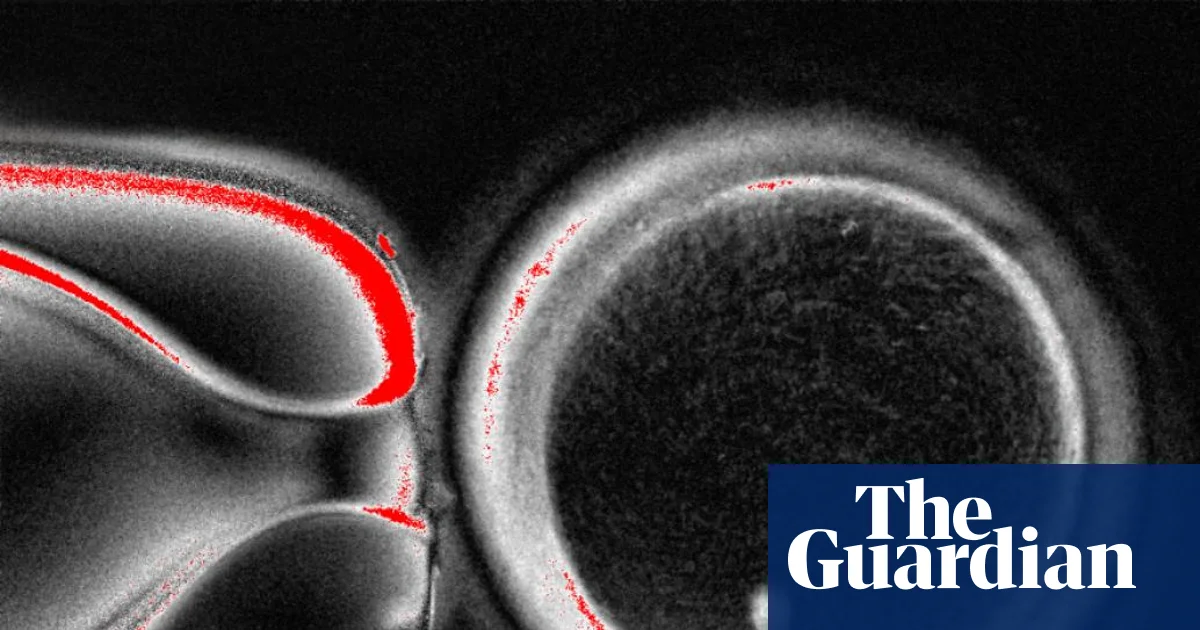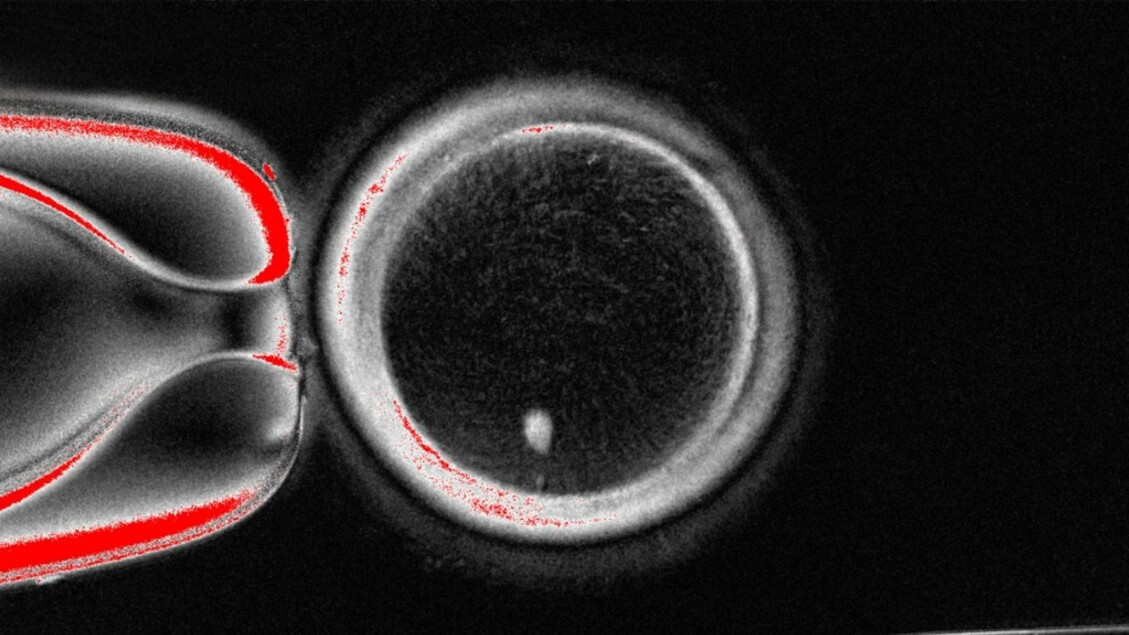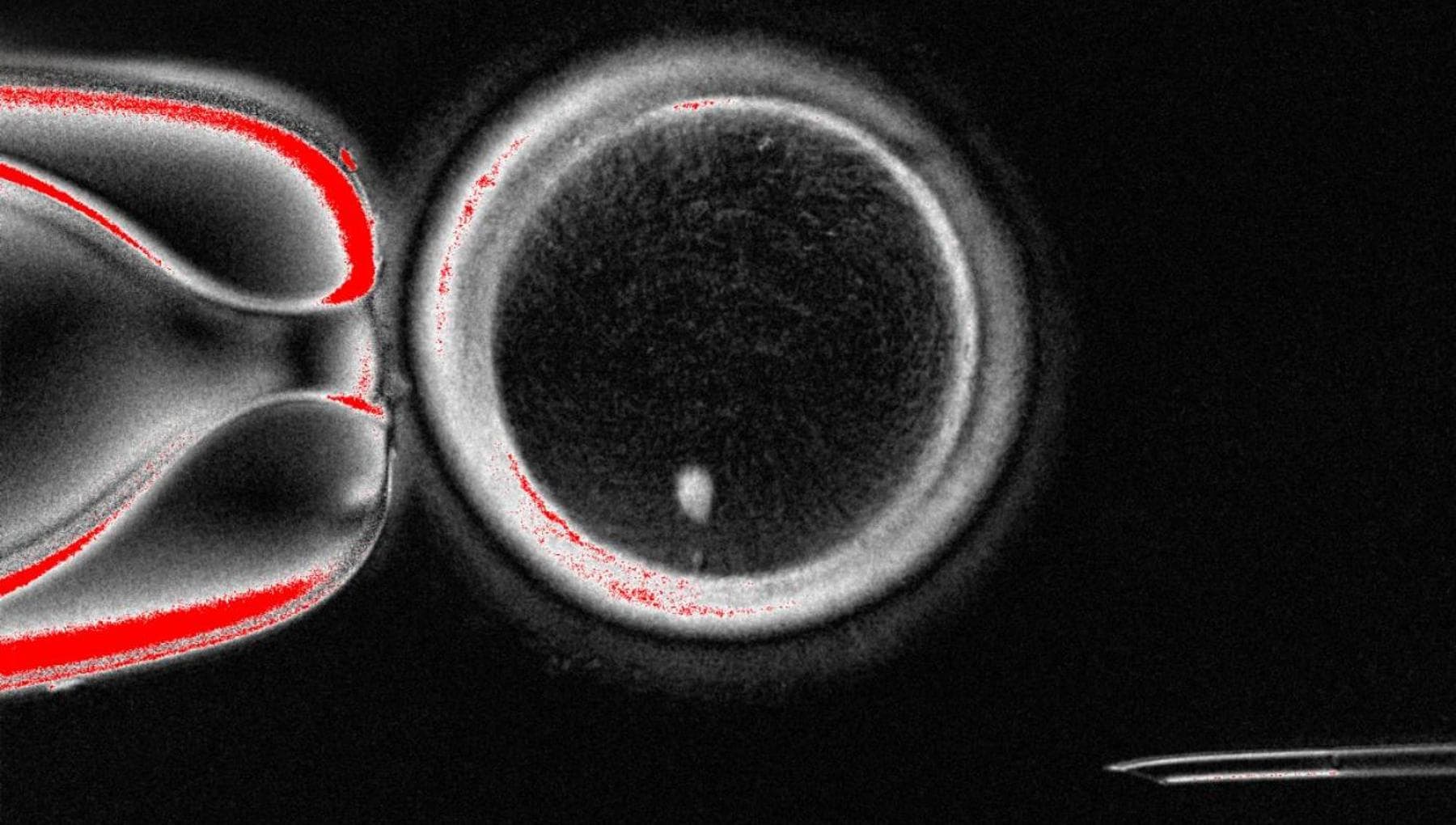
Stay up to date with notifications from The IndependentNotifications can be managed in browser preferences.Jump to contentThank you for registeringPlease refresh the page or navigate to another page on the site to be automatically logged inPlease refresh your browser to be logged inAllNewsSportCultureLifestyleScientists have discovered a method to fertilise eggs created from human skin cells, marking a significant advance in in vitro gametogenesis (IVG). The process involves reprogramming skin cells into stem cells and utilising a novel technique called 'mitomeiosis' to correct chromosome numbers, mimicking natural cell division. Researchers successfully created 82 functional oocytes, with 92 per cent of these fertilised eggs developing to the blastocyst stage in laboratory settings. The breakthrough offers immense potential for individuals experiencing infertility or recurrent miscarriage, potentially enabling the creation of egg or sperm-like cells for those with no other options. Experts emphasise that while promising, the research is in its early stages, requiring further development and careful consideration of safety concerns before clinical application. In fullScientists discover new way to fertilise eggs in major pregnancy breakthroughThank you for registeringPlease refresh the page or navigate to another page on the site to be automatically logged inPlease refresh your browser to be logged in
Skin cell breakthrough offers new hope for infertility patients
Stay up to date with notifications from The IndependentNotifications can be managed in browser preferences.Jump to contentThank you for registeringPlease refresh the page or navigate to another page on the site to be automatically logged inPlease refresh your browser to be logged inAllNewsSportCultureLifestyleScientists have discovered a method to fertilise eggs created from human skin cells, marking a significant advance in in vitro gametogenesis (IVG). The process involves reprogramming skin cells into stem cells and utilising a novel technique called 'mitomeiosis' to correct chromosome numbers, mimicking natural cell division. Researchers successfully created 82 functional oocytes, with 92 per cent of these fertilised eggs developing to the blastocyst stage in laboratory settings. The breakthrough offers immense potential for individuals experiencing infertility or recurrent miscarriage, potentially enabling the creation of egg or sperm-like cells for those with no other options. Experts emphasise that while promising, the research is in its early stages, requiring further development and careful consideration of safety concerns before clinical application. In fullScientists discover new way to fertilise eggs in major pregnancy breakthroughThank you for registeringPlease refresh the page or navigate to another page on the site to be automatically logged inPlease refresh your browser to be logged in