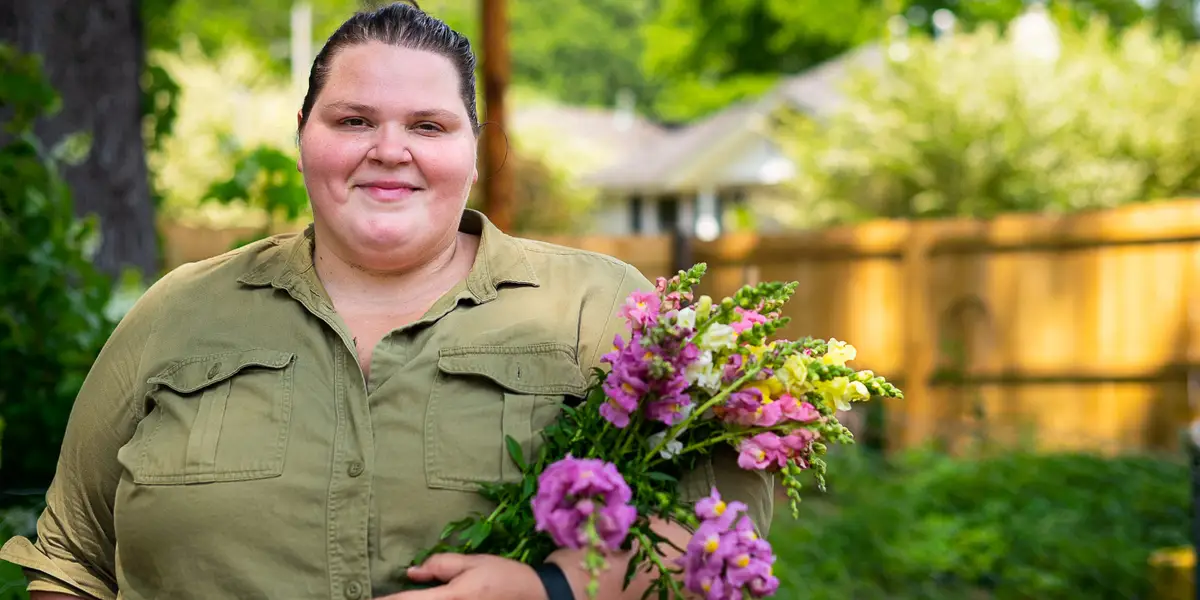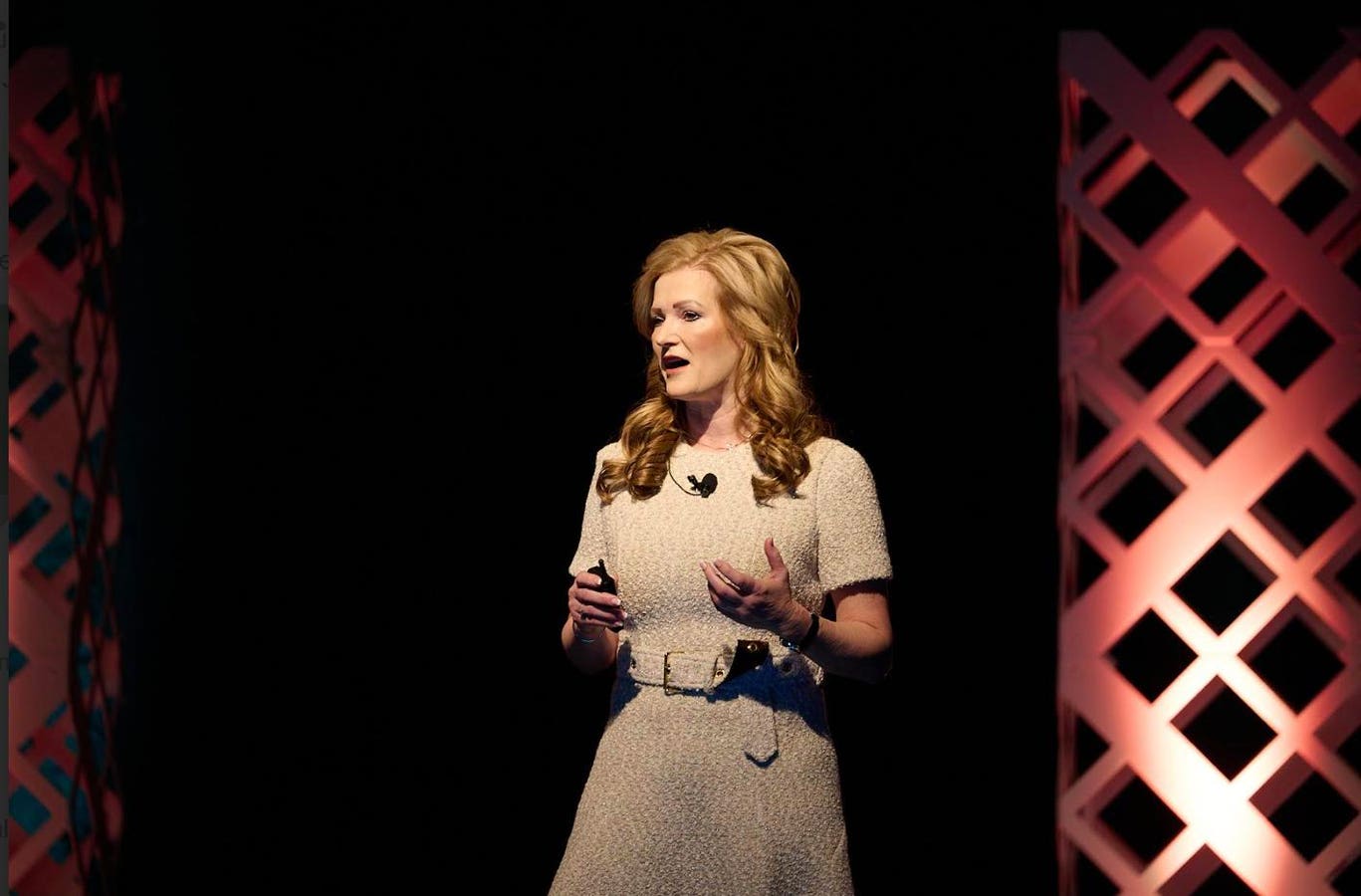
Christina Stembel’s Farmgirl Flowers seemed like a huge success. The ecommerce flower delivery business was a media darling of the 2010s—and though Stembel never was able to raise any outside capital, its home base in San Francisco made it seem like part of the startup ecosystem. “To the outside world, we were super successful,” she remembers.
In 2019, the company did $34 million in revenue—but only $36,000 in profit. And Stembel only paid herself $60,000 that year. The next year, what seemed at first like an existential crisis quickly became a boom; during the pandemic, people sent flowers to each other and were eager to brighten up their homes. The company reached $60 million in sales in 2020 with 200 U.S. employees and 100 more in South America. But as soon as the world reopened, sales cratered. In 2021, the business suffered a $5-and-a-half million loss—and Stembel took out a $3-and-a-half million personal loan to keep it afloat.
Today, Stembel has overhauled her business model four times, and she’s running a much smaller company. She has 30 employees; bouquets are now assembled externally, rather than fully in-house, as differentiated Farmgirl from competitors for years but kept its costs high. (They’re still designed in-house.) And Stembel has redefined her definition of success.