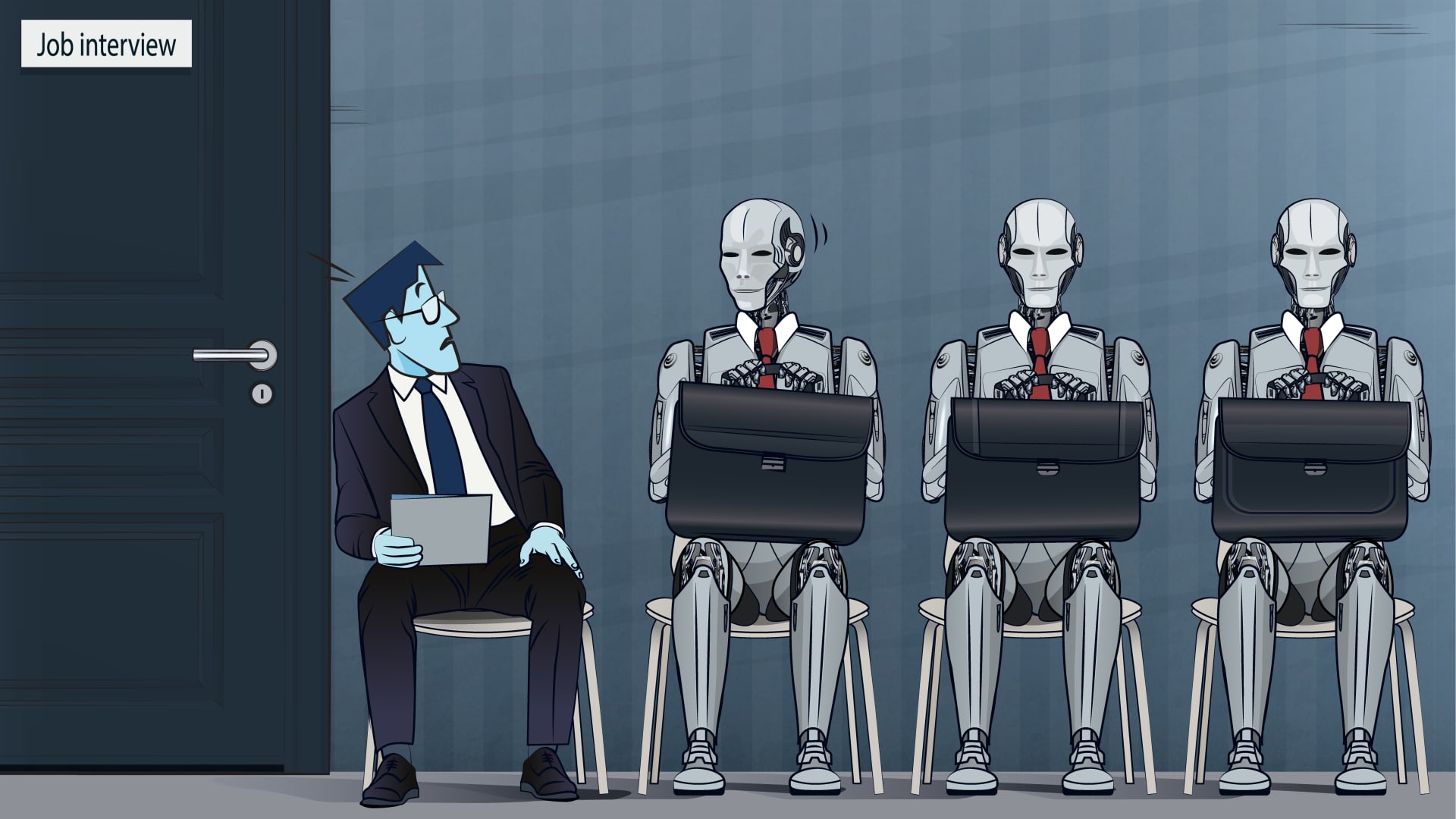
The public conversation about artificial intelligence in the workplace is stuck in a dead end, cycling between two familiar narratives: the promise of a new productivity revolution and the fear of mass unemployment as evidenced by numerous Fortune 500 companies’ recent layoffs. While this debate makes for sensational headlines, it distracts from the immediate, strategic challenge landing on every manager’s desk: how best to adapt their organizations and management styles to the way AI is changing work now.
Over the last few years, I’ve studied this shift in the workplace firsthand, both in large-scale data analysis of how software developers are using AI tools and as a consultant to multinational corporations rolling out AI agents. The evidence is clear: the primary opportunity AI provides is not to replace people, but to reallocate their focus. My research—co-authored with colleagues from UC Irvine, Microsoft, GitHub, and the Linux Foundation—has shown that generative AI excels at absorbing the administrative tasks that bog down employees, freeing them to concentrate on the creative and complex work that truly moves the needle.
But that efficiency has led leaders to a crucial strategic choice — one that I believe many organizations are getting wrong. Do you reinvest the freed-up capacity of your human employees into innovation and growth, or do you cash it in for short-term cost savings? We’re already seeing companies choose the latter, often by cutting entry-level positions typically tasked with routine, lower-level work. On a surface level, the logic is tempting: why pay a salary for tasks an algorithm can do for pennies on the dollar?