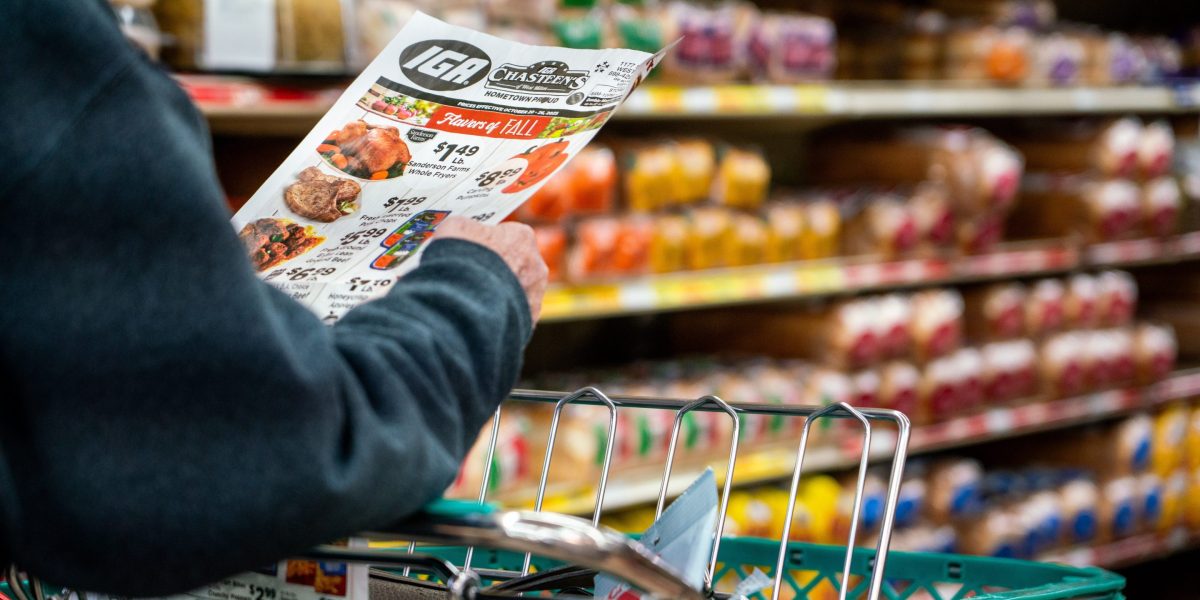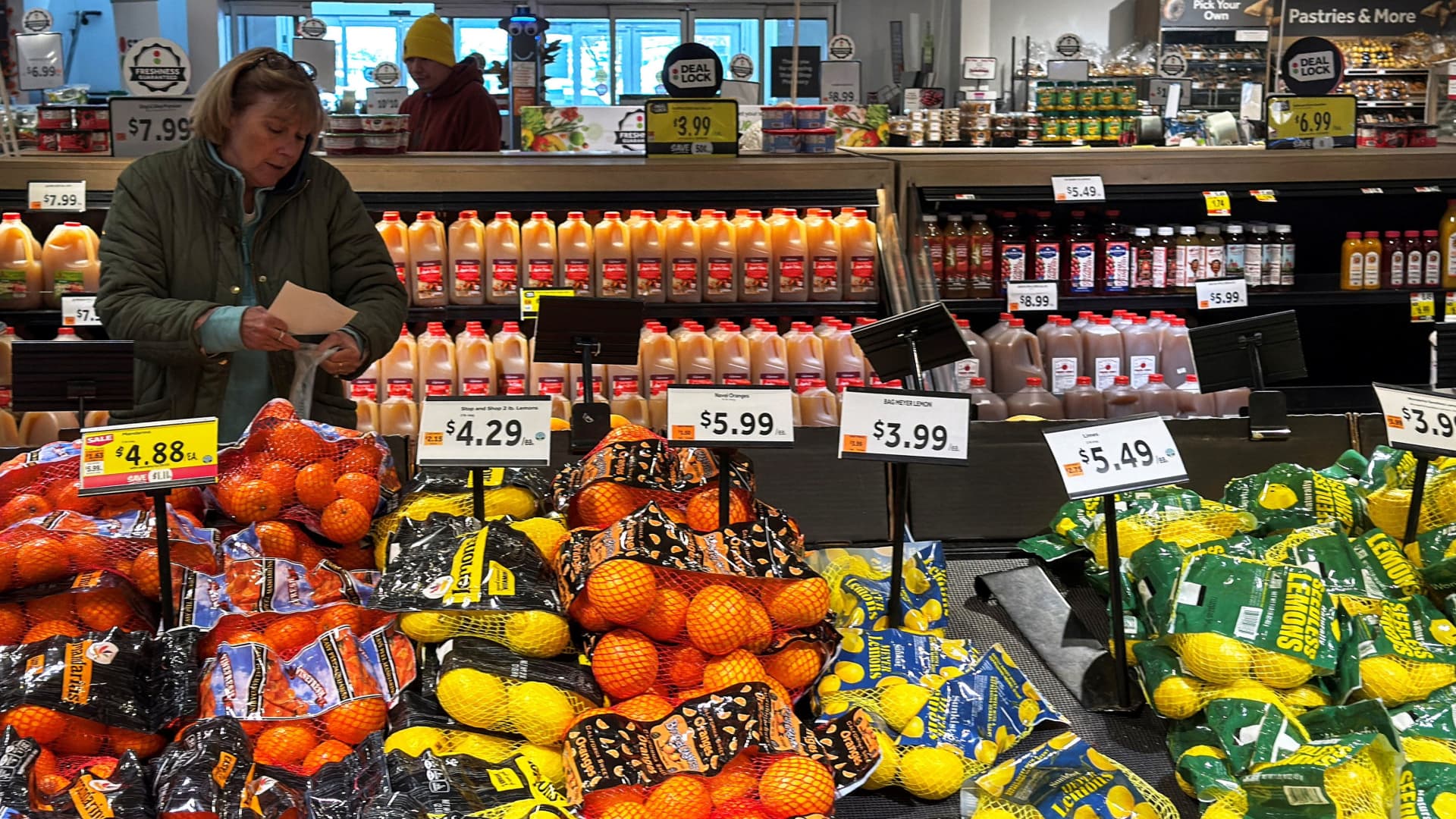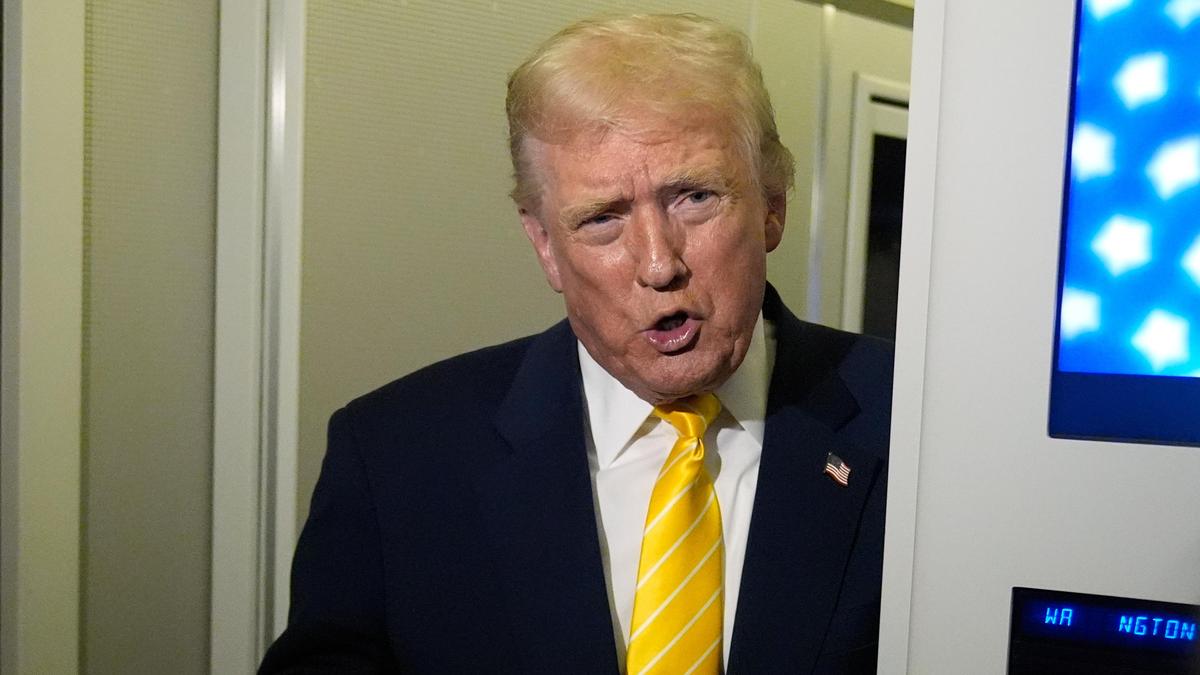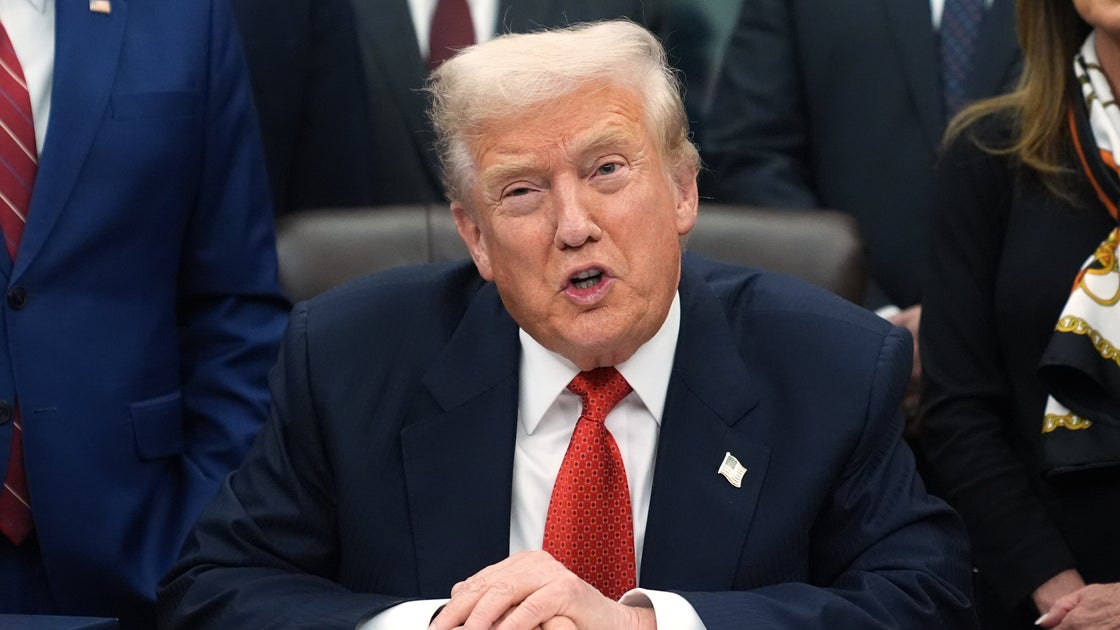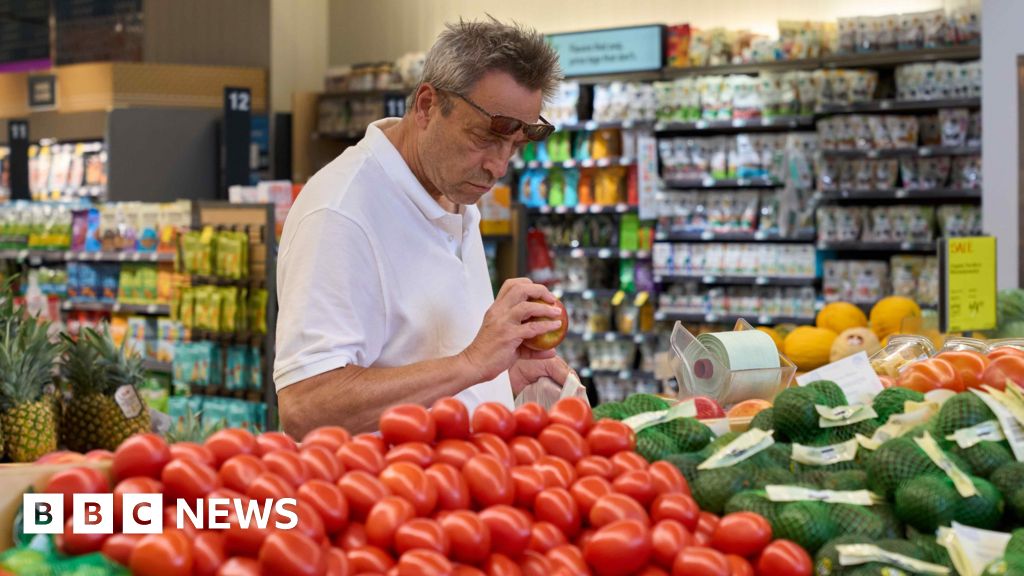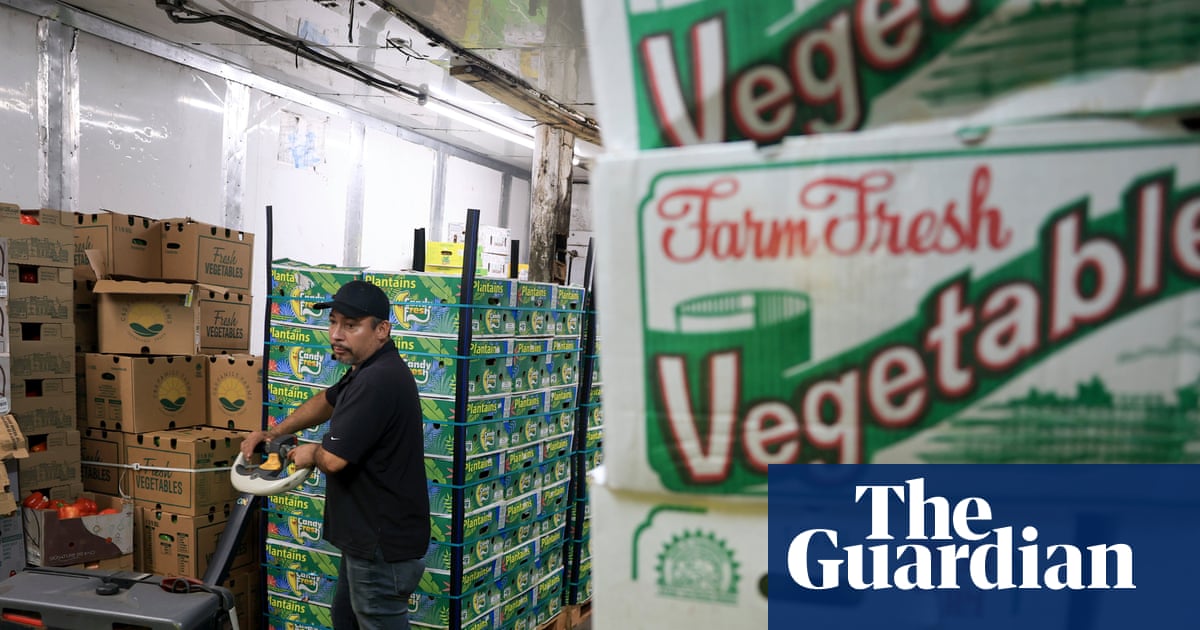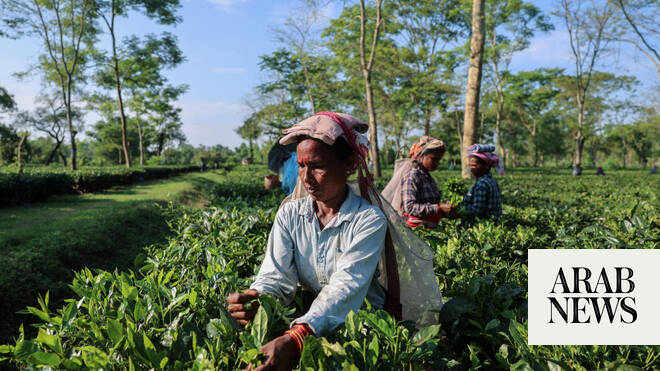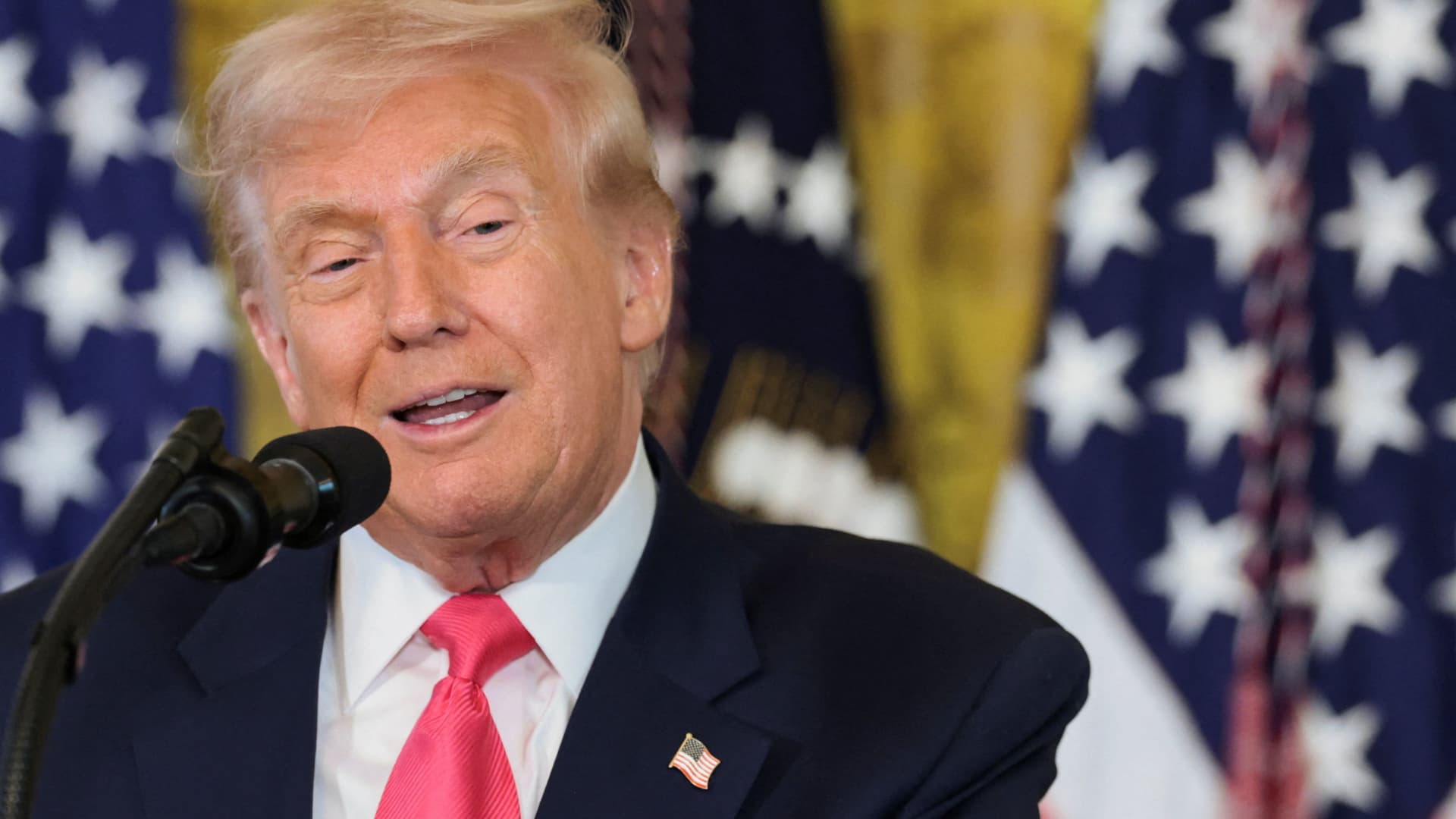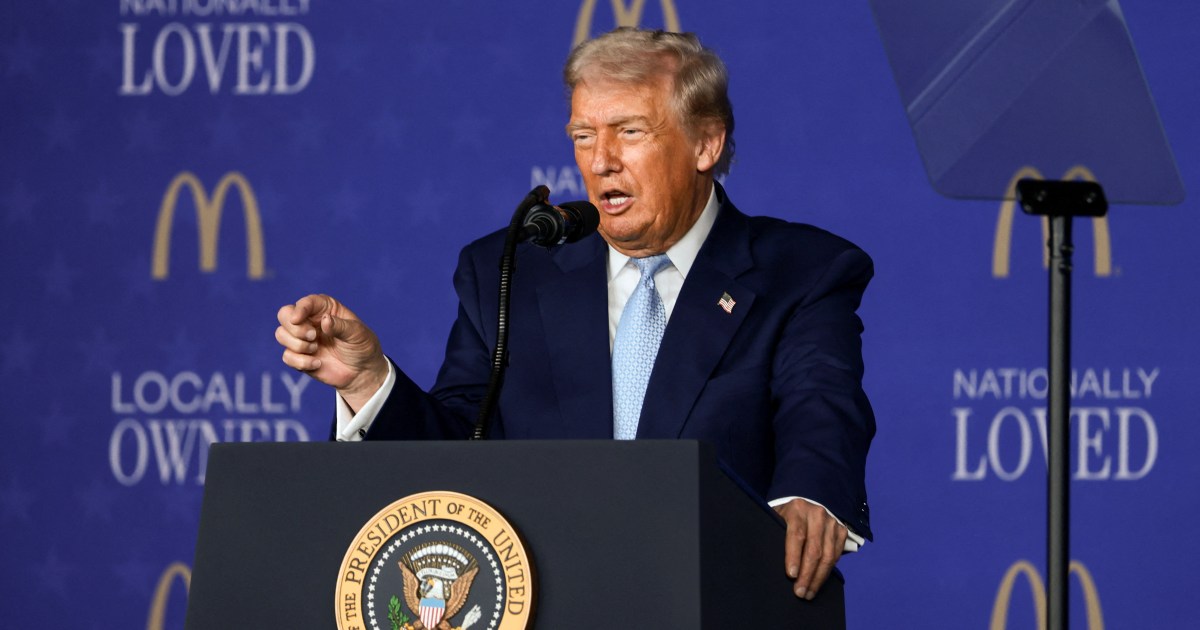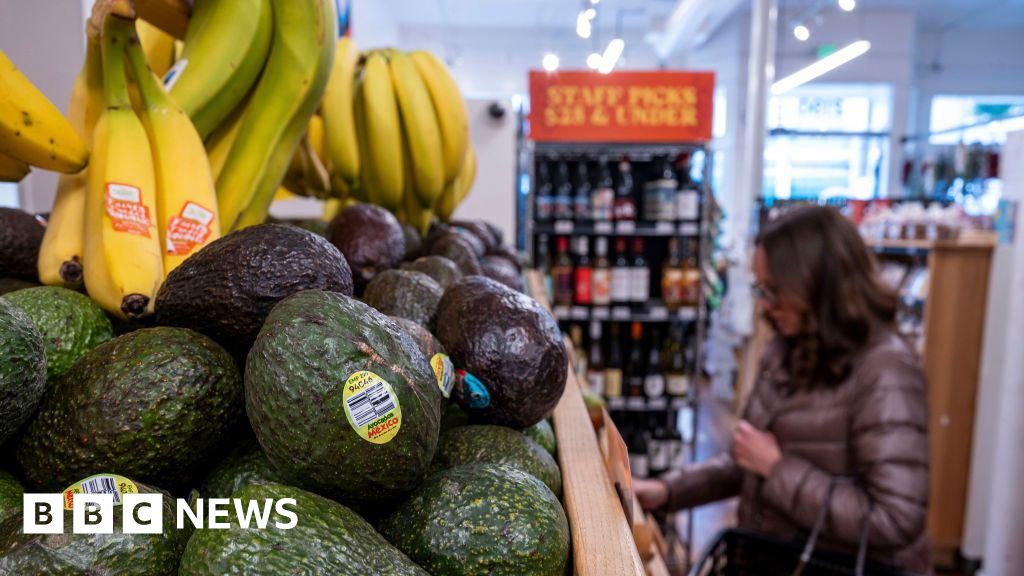
When President Donald Trump last week removed tariffs on more than 200 products, it represented something of a political earthquake, and marked a significant concession on a hallmark White House policy
The decision, which critics said was long overdue, came as the president returned his attention to cost-of-living issues, after polls suggested affordability concerns were weighing down White House approval ratings and hurting Republican candidates in recent elections.
A top lobby group for the food industry, FMI, the Food Industry Association, hailed the tariff rollback, which affected popular items like bananas and coffee, as a "critical step" toward affordability, as other business groups also praised the move.
But in the end, the practical relief may not feel as monumental as the political gesture.
In October, the Budget Lab at Yale projected that Trump's tariffs this year - currently a baseline tax of 10% on imports from all countries, with additional levies on many trading partners - would drive up food prices 1.9% in the short run.