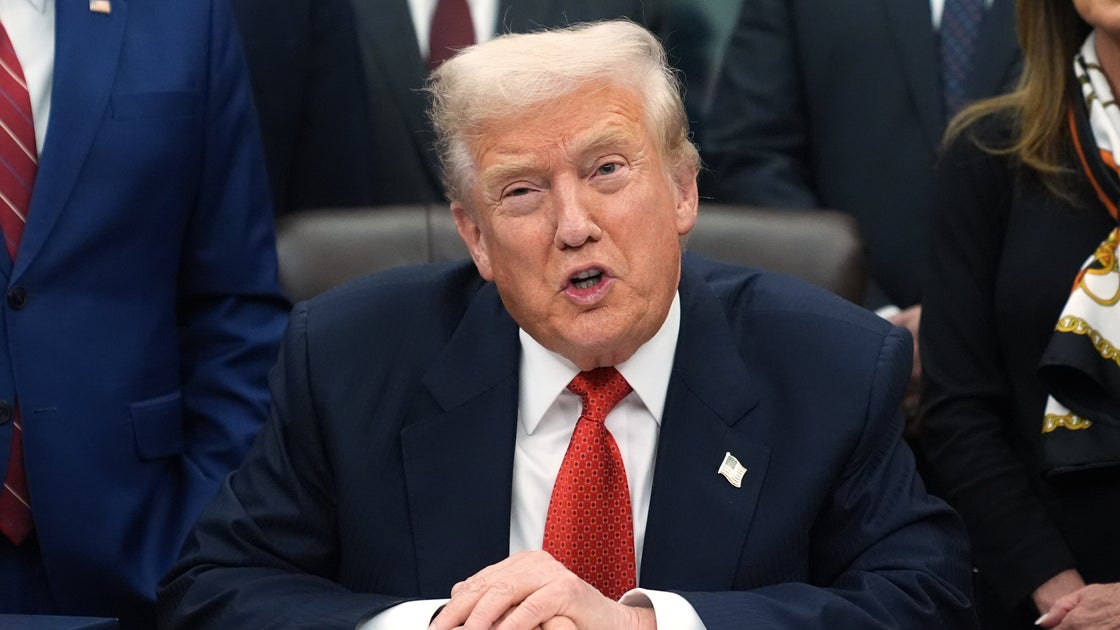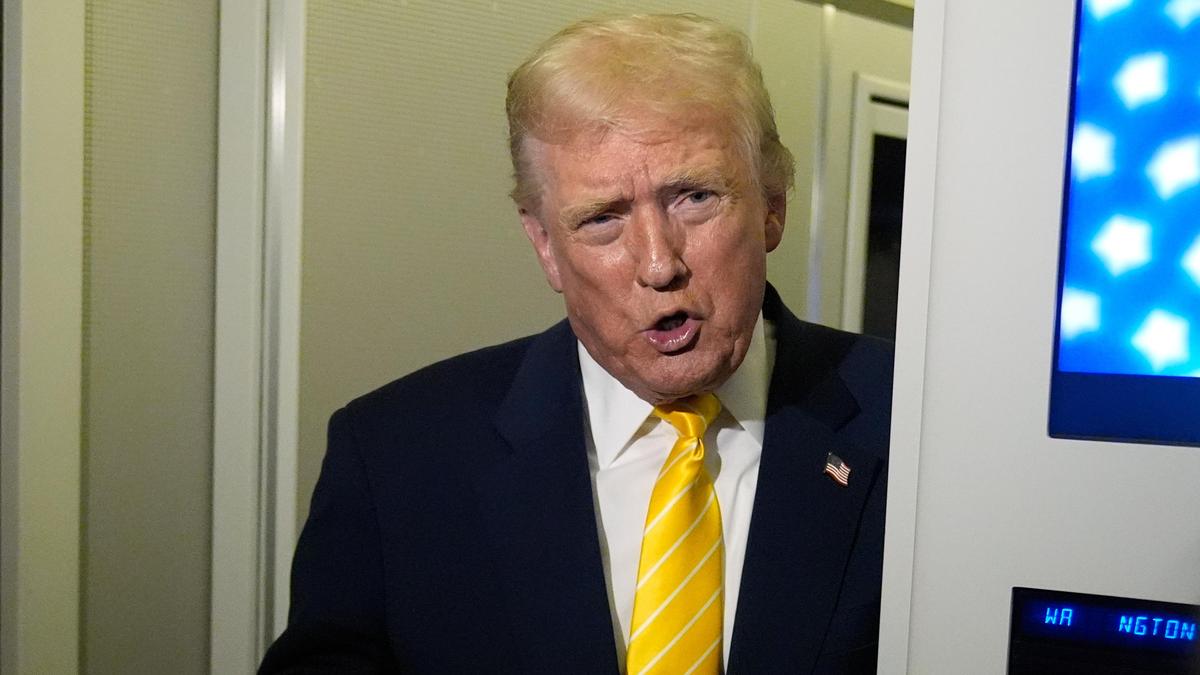
The tariffs that President Donald Trump rolled back this past week will barely move the needle on consumer inflation, but his retreat potentially signals a major shift, according to a Wall Street analyst.
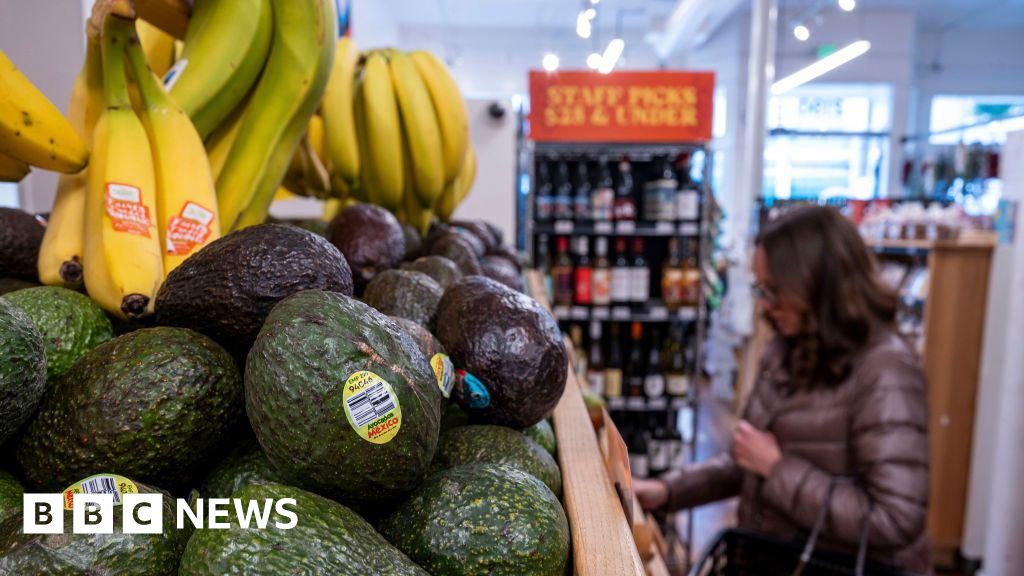
On Friday, Trump said he will scrap tariffs on beef, coffee, tropical fruits and a range of other commodities, even after insisting that his duties haven’t raised prices. That followed off-year elections that delivered stunning defeats to Republicans as voters protested the high cost of living.
Given that imported food makes up just 10% of what U.S. households consume, the tariff rollback’s impact on inflation is a “practically a rounding error,” wrote Bernard Yaros, lead U.S. economist at Oxford Economics, in a note on Friday. But they will have outsized effects beyond the economic data.
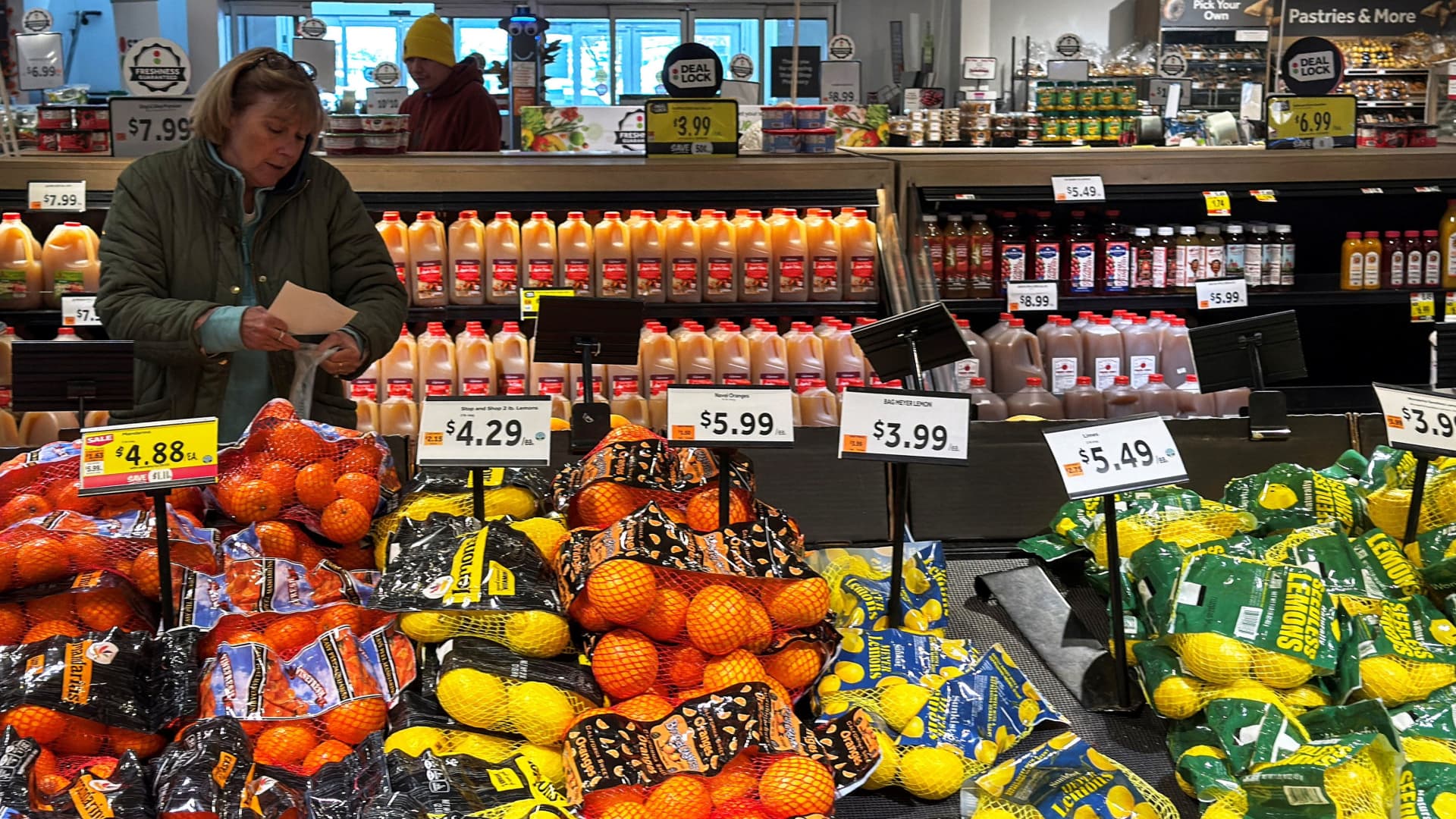
“Food prices also weigh heavily on consumers’ inflation psychology, not to mention their sentiment,” he explained. “Of all major food categories, consumer sentiment is historically most sensitive to the price of meats, poultry, and eggs, followed by cereals.”
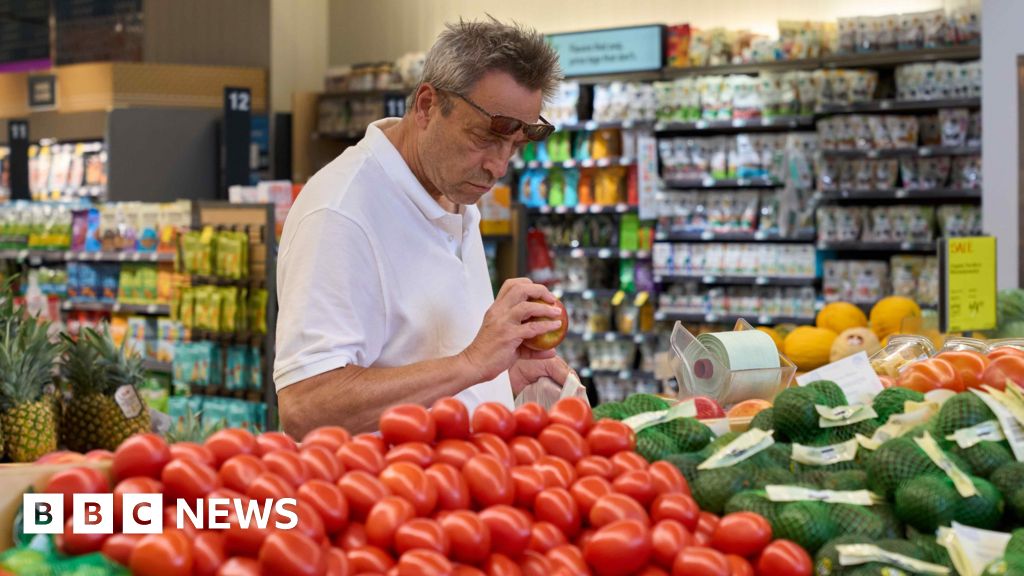
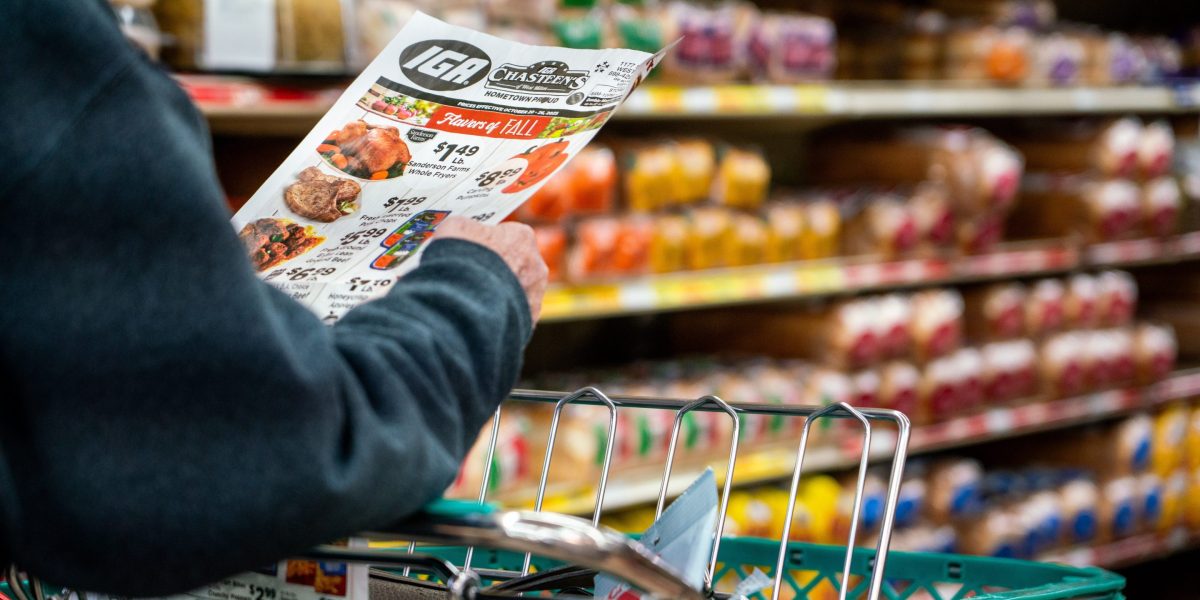
Indeed, sticker shock at the grocery store has fueled demands for more affordability, which was a central issue in the recent elections.