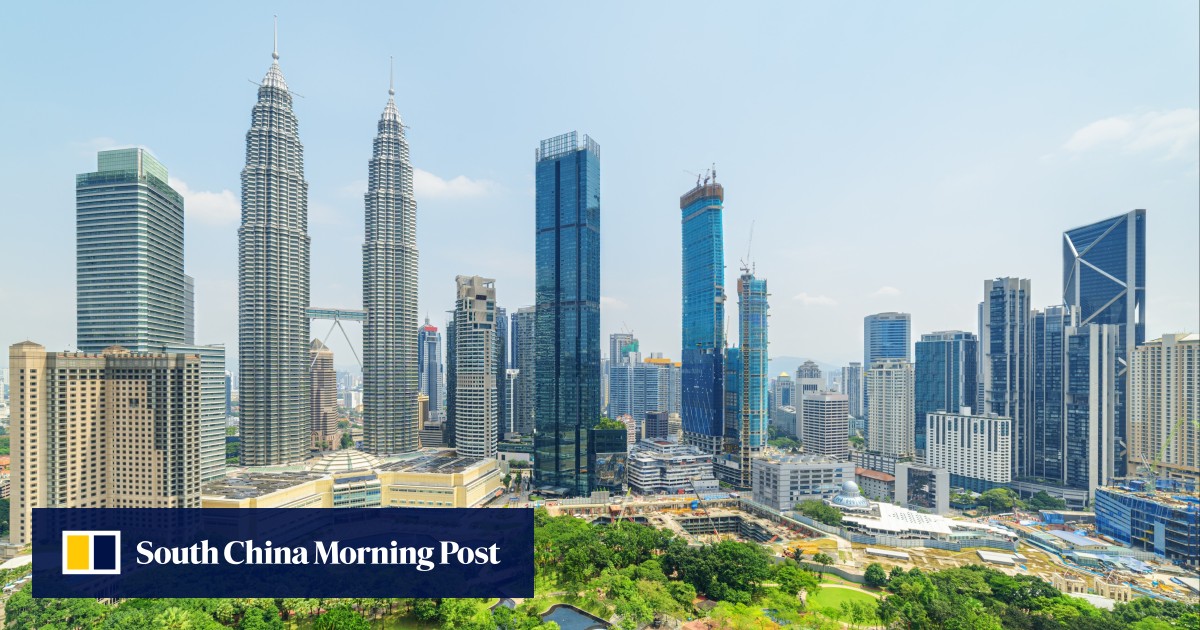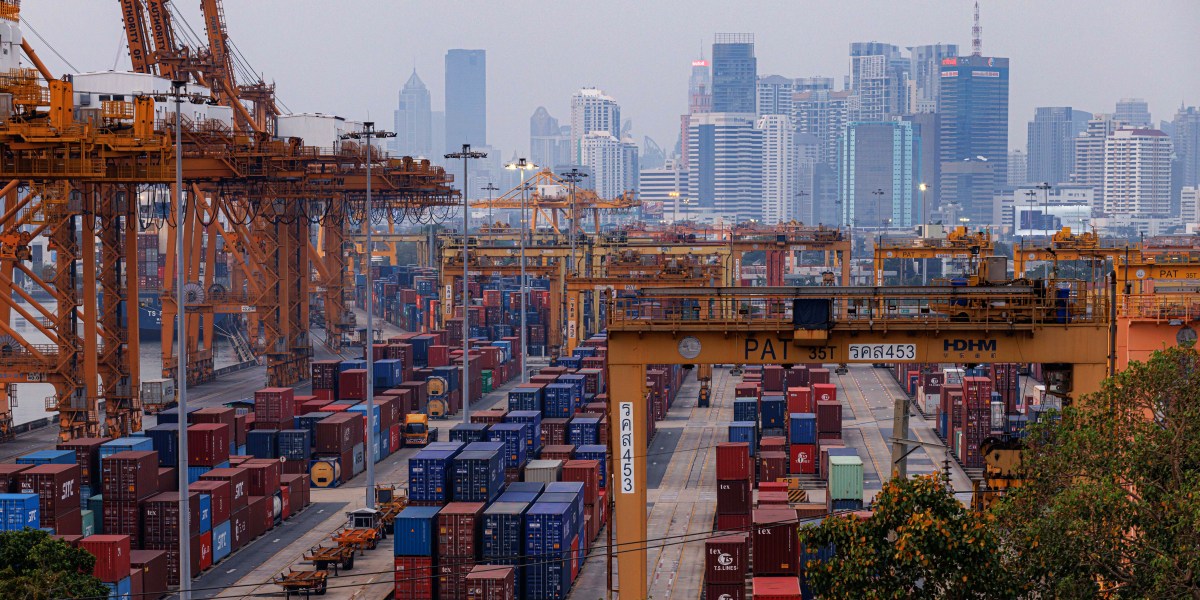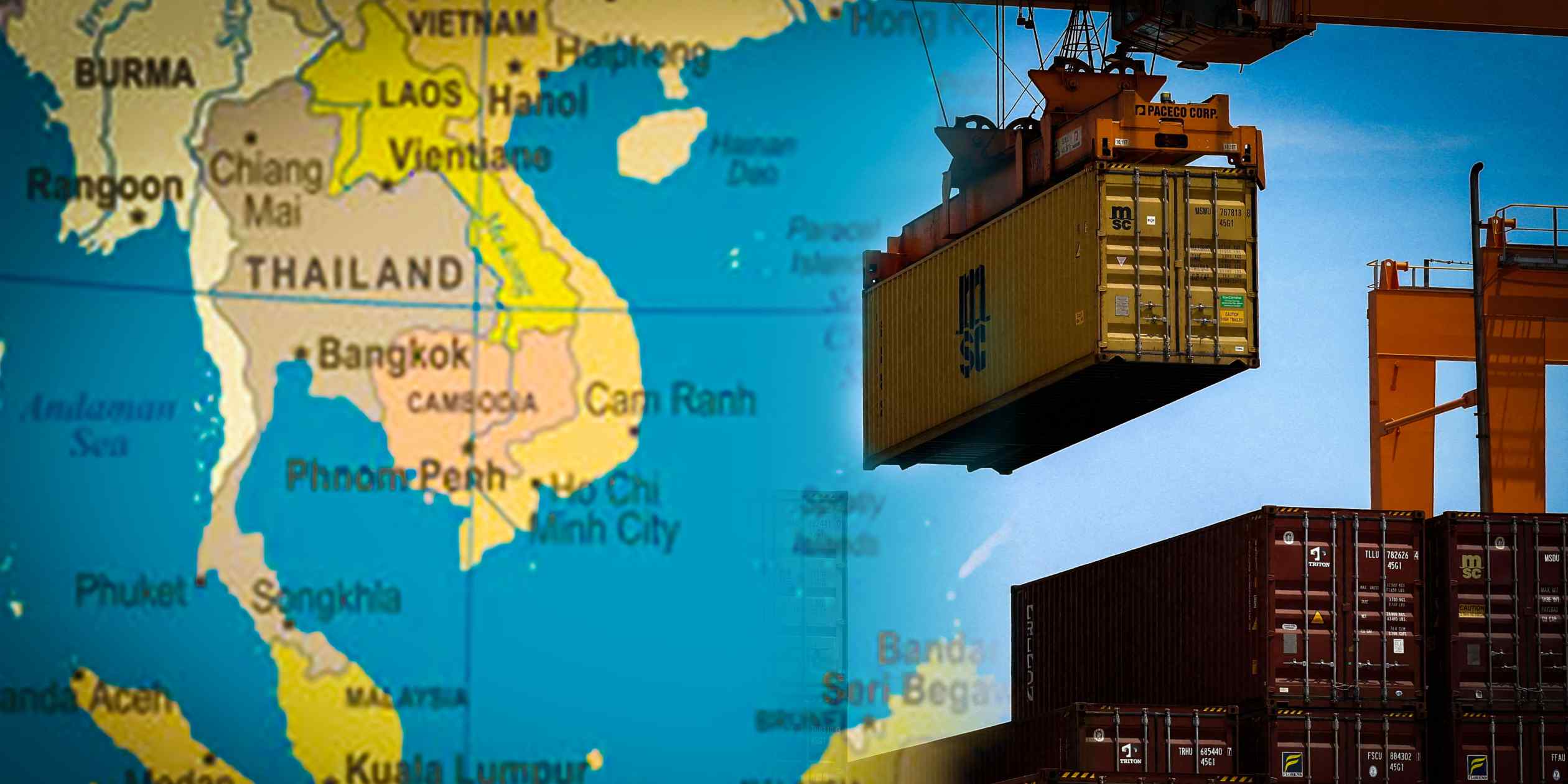
Just about every major exporting economy was hit by U.S. President Donald Trump’s “Liberation Day” tariffs in April. Malaysia was no exception, getting a 24% “reciprocal tariff” on its exports to the U.S. which, while perhaps not as catastrophic a level as some of its neighbors, still posed a significant threat to the Southeast Asian economy.
Yet, Malaysia’s government took a more measured response to new U.S. protectionism. While Prime Minister Anwar Ibrahim criticized Trump’s decision, he also declined to take retaliatory action against the U.S., and tried to build a united Southeast Asian response to Washington’s moves.
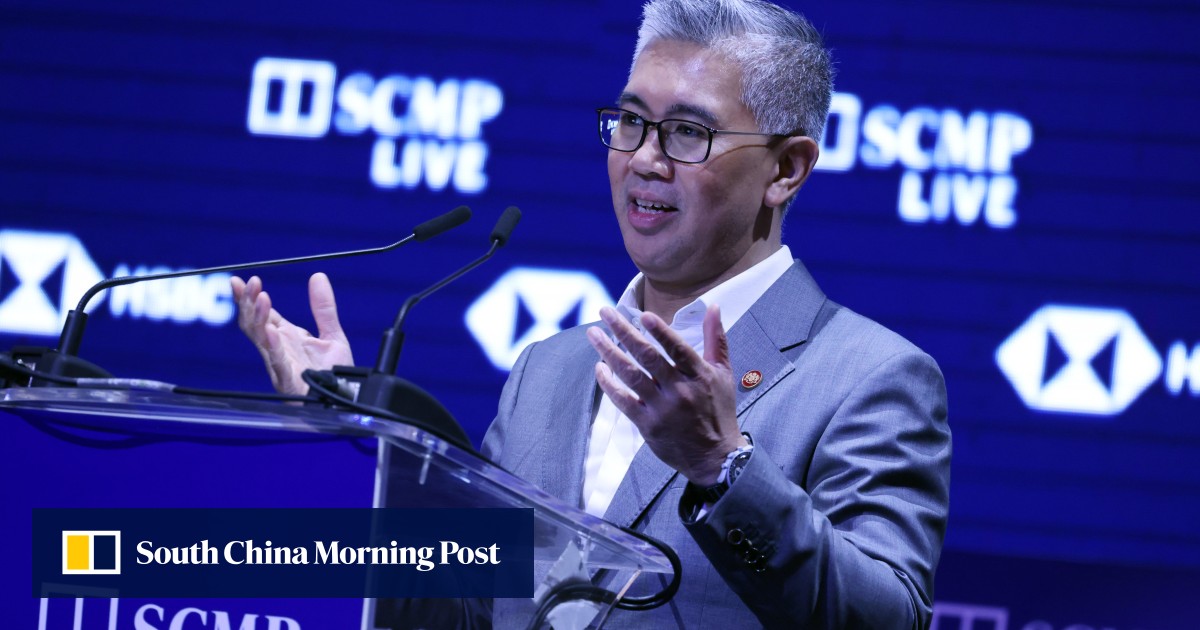
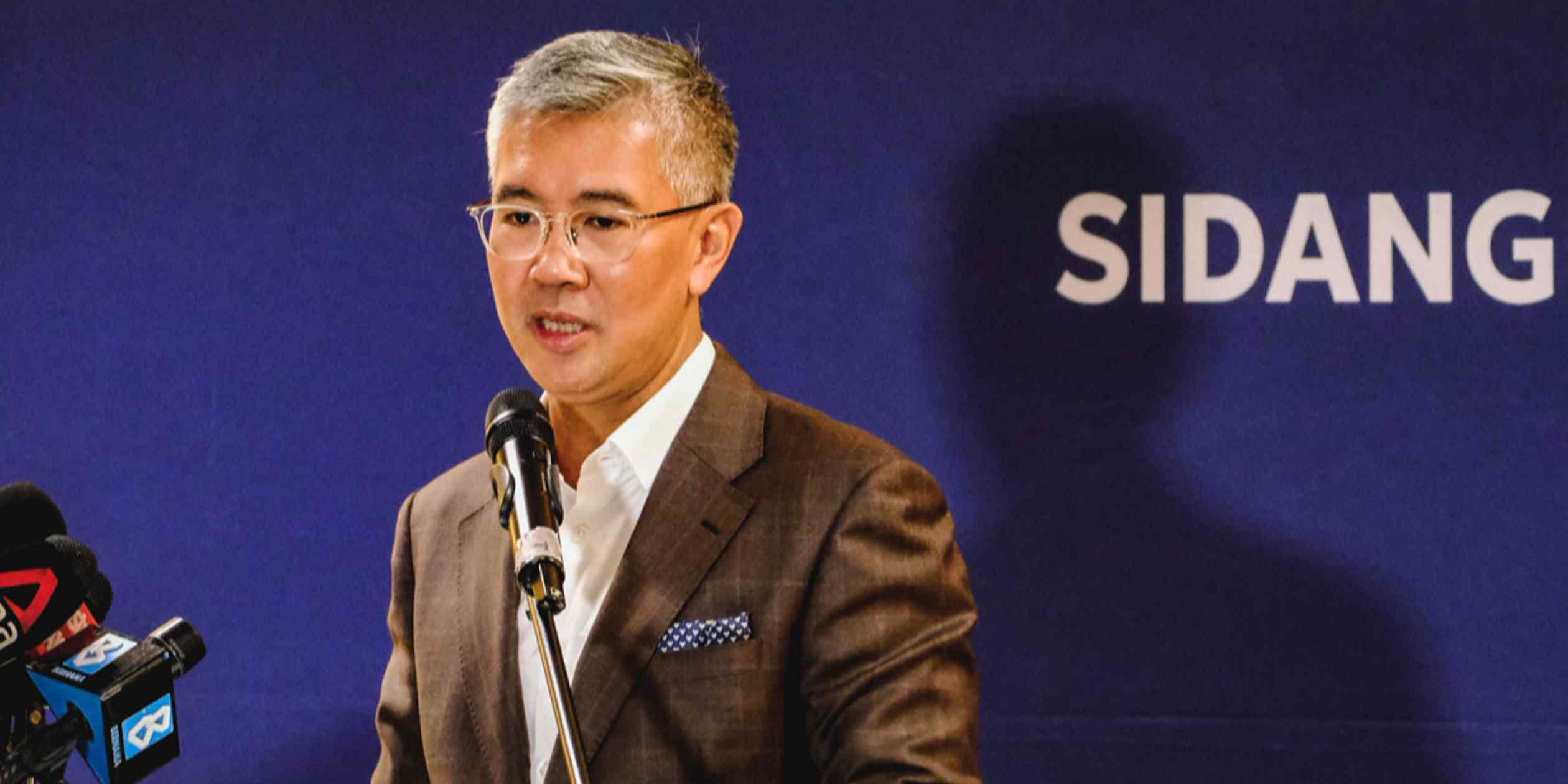
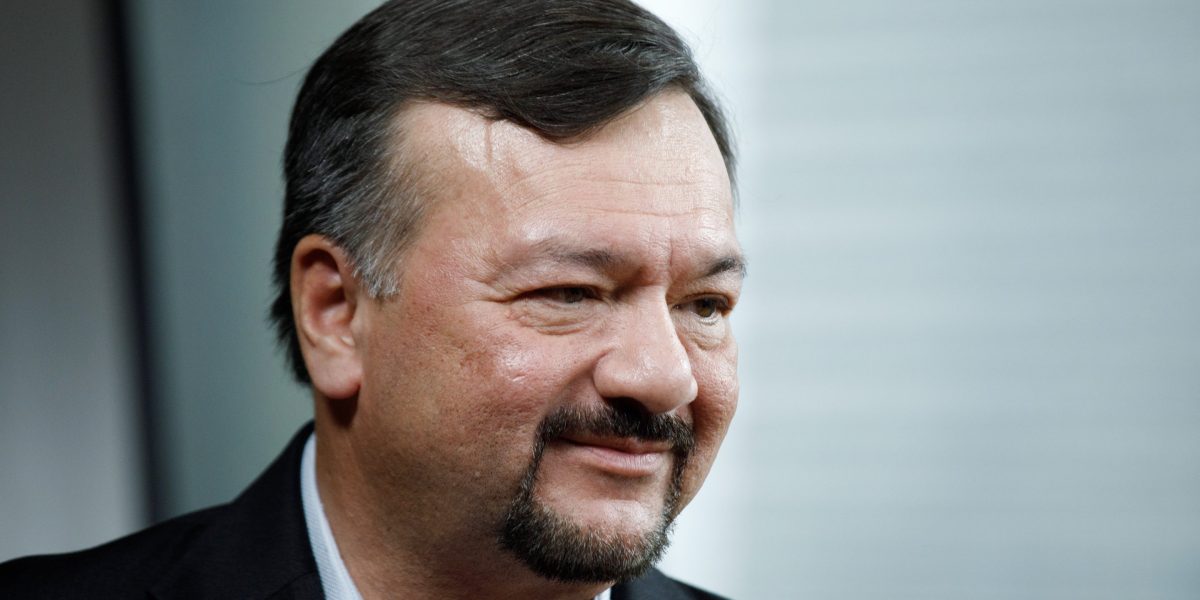
“When Liberation Day hit, we didn’t panic,” Amir Hamzah Azizan, Malaysia’s Finance Minister II and YB Senator Datuk Seri, explained Monday during the Fortune Innovation Forum in Kuala Lumpur. “We weren’t going out there and saying ‘I’m going to reset my [growth] targets,” he said.
Instead, he suggested Malaysia’s broad trade ties to countries like Singapore, China, and the U.S. helped it withstand shocks from any one particular country. “The Malaysian economy has very deep diversification,” he explained, noting no market makes up more than a 30% share of the country’s exports.