When it comes to the future of work, Japan is caught in a tug-of-war.
Tokyo officials are pushing for a four-day workweek, hoping a shorter schedule will ease the nation’s notoriously punishing work culture and curb “karoshi”—which translates to death from overwork. With birthrates falling and burnout rising, many see the shift not as a perk, but a necessity for Japan’s economic survival.
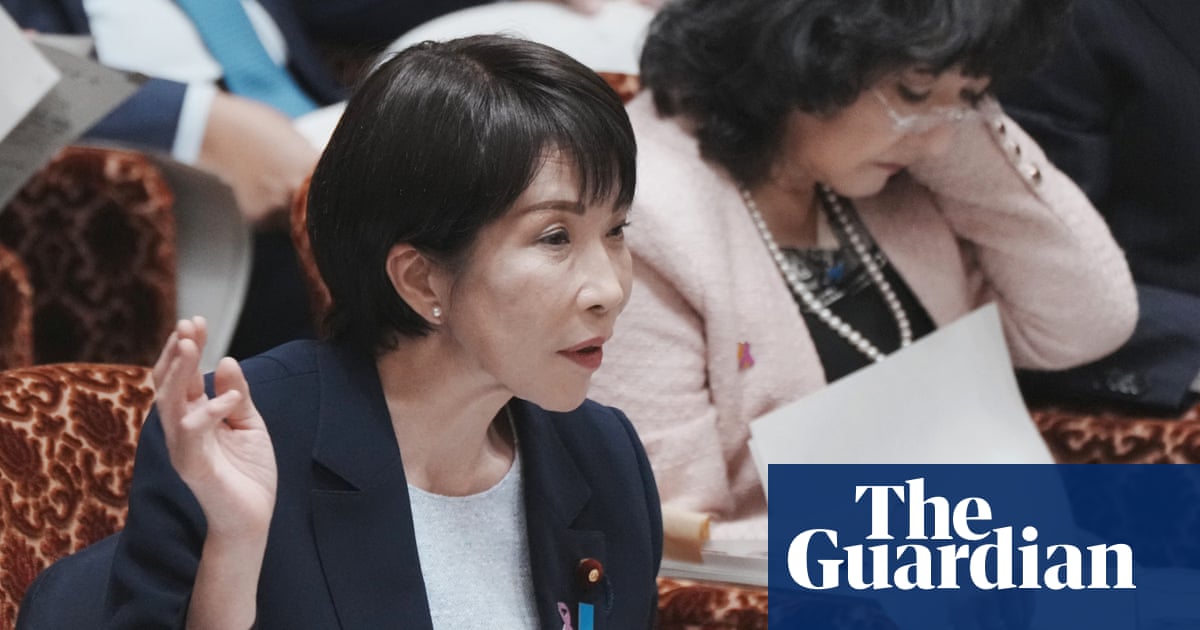
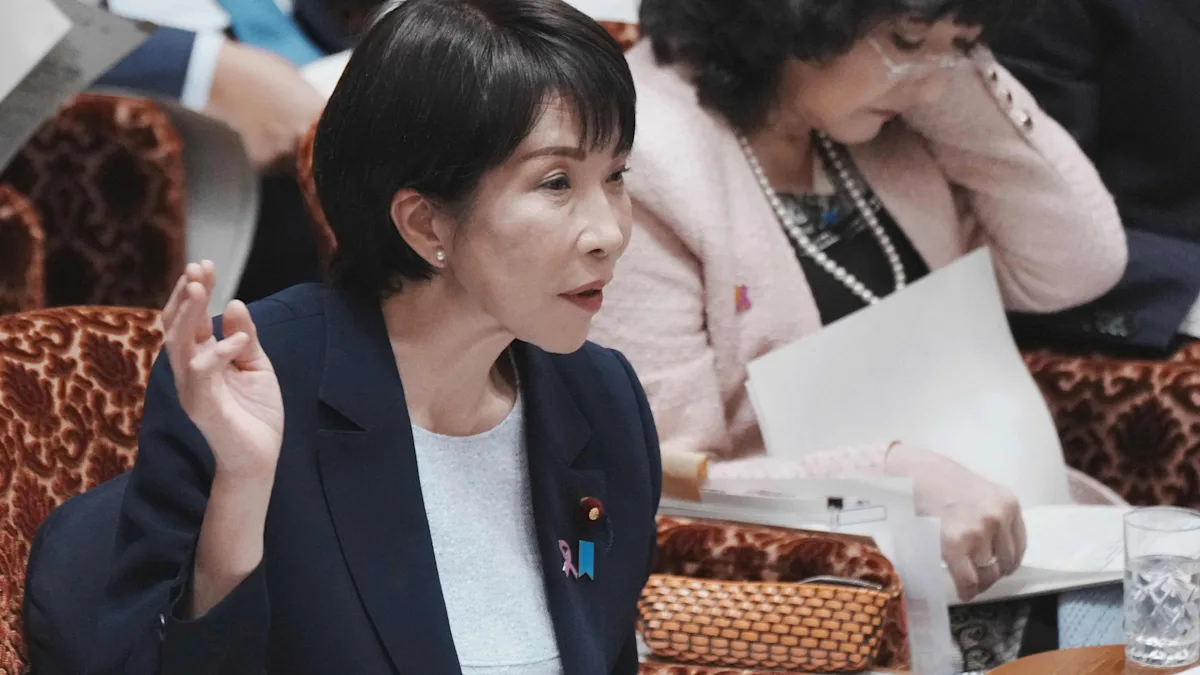
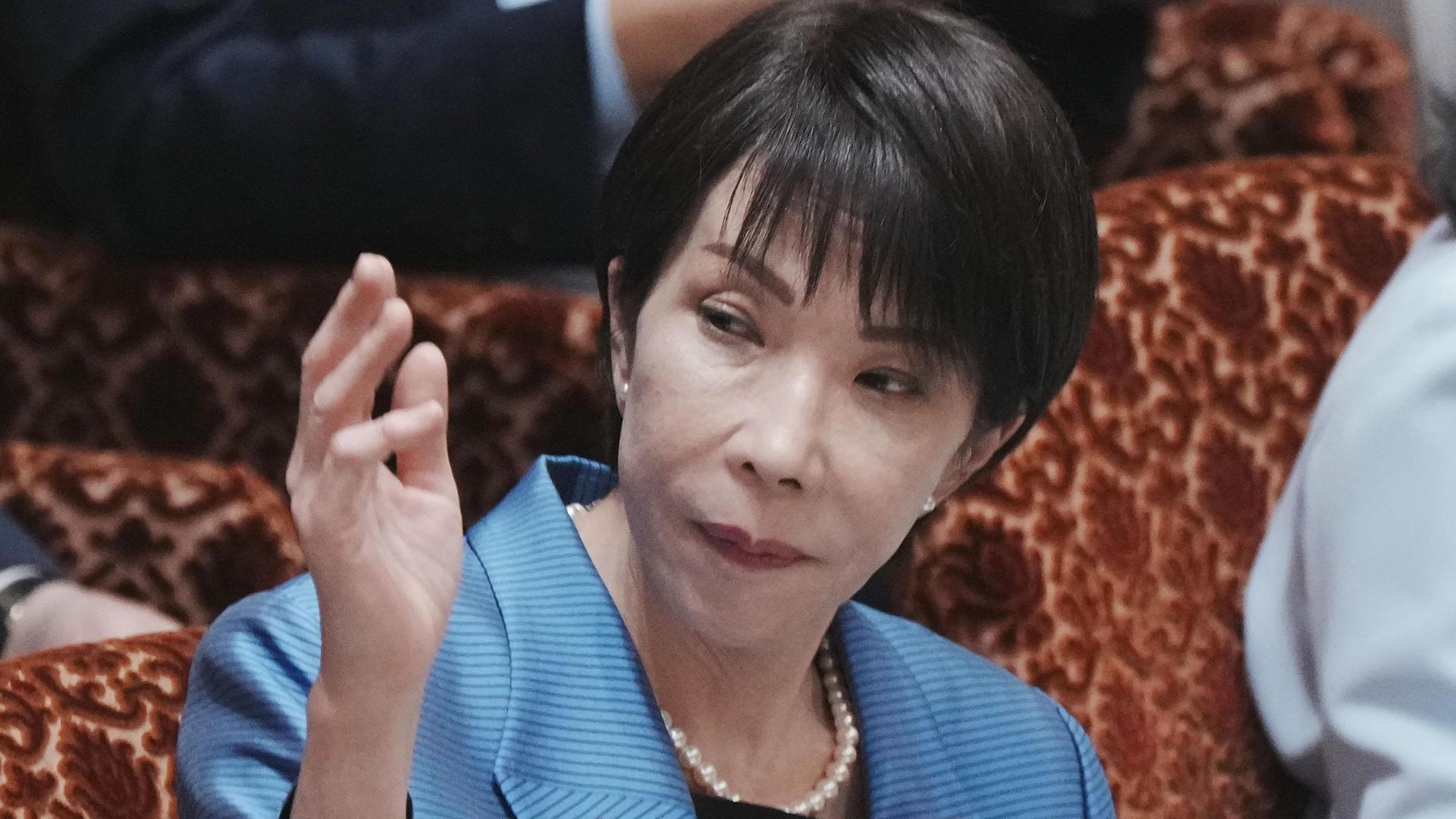
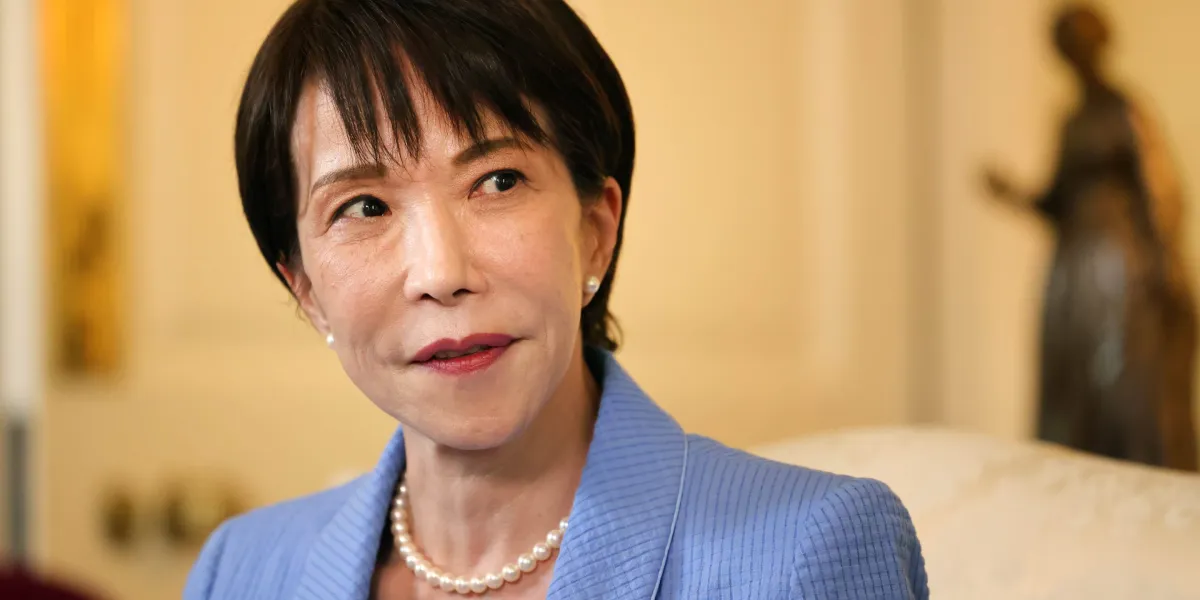
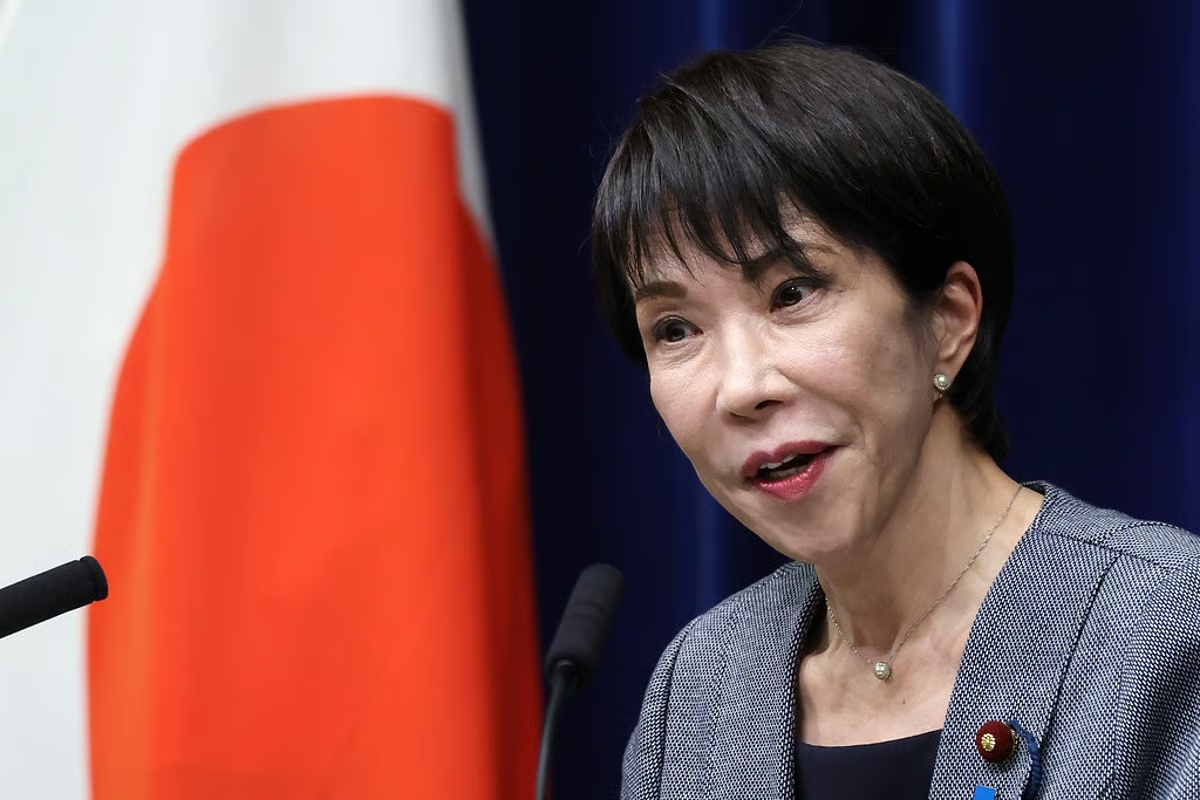
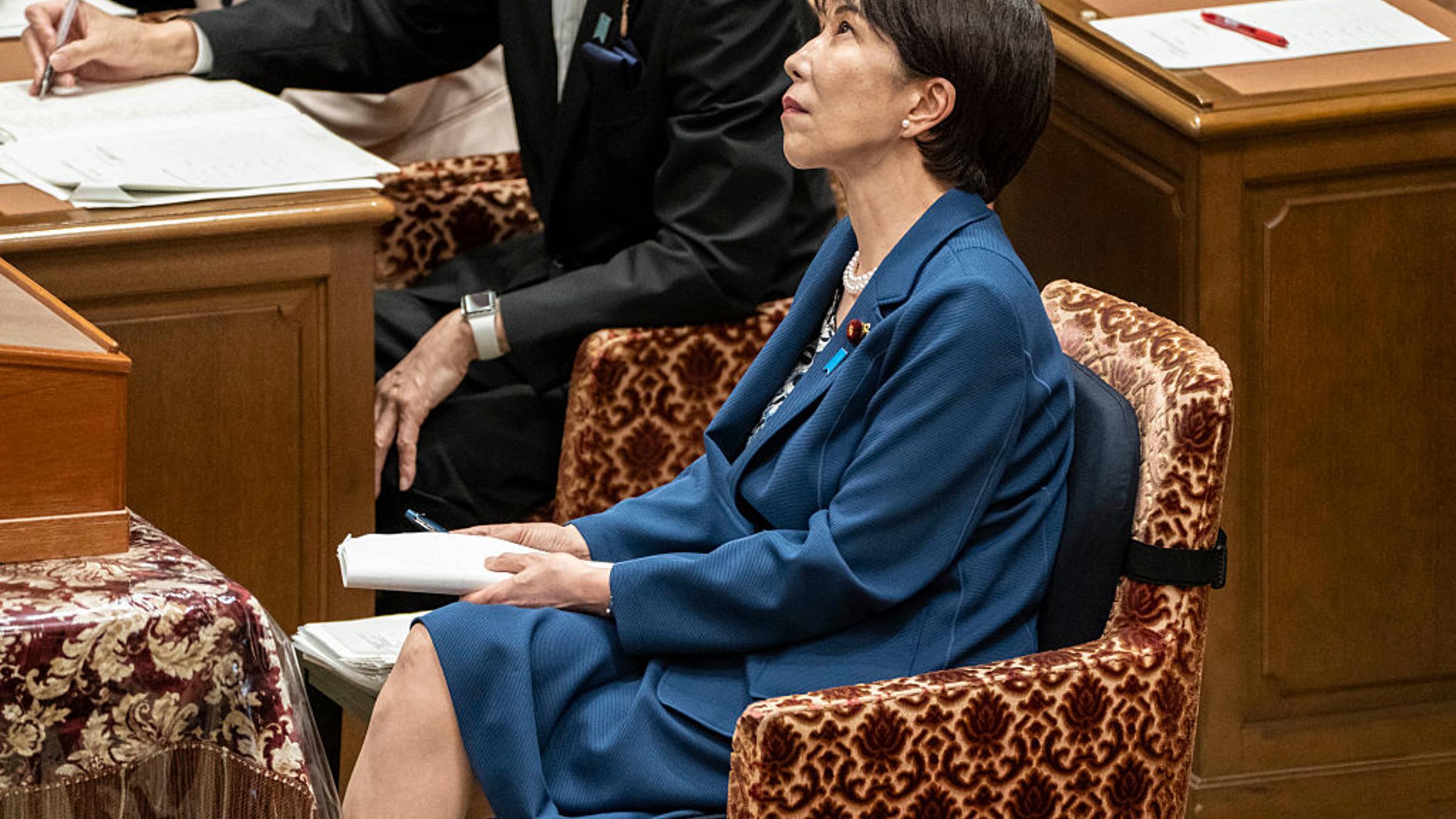
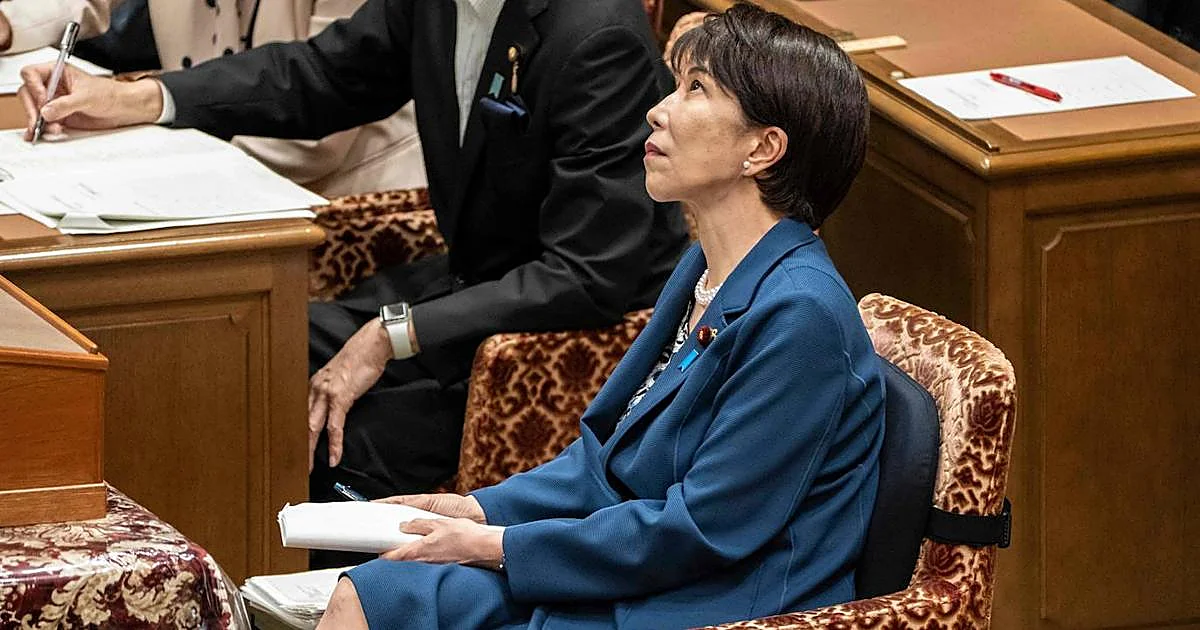
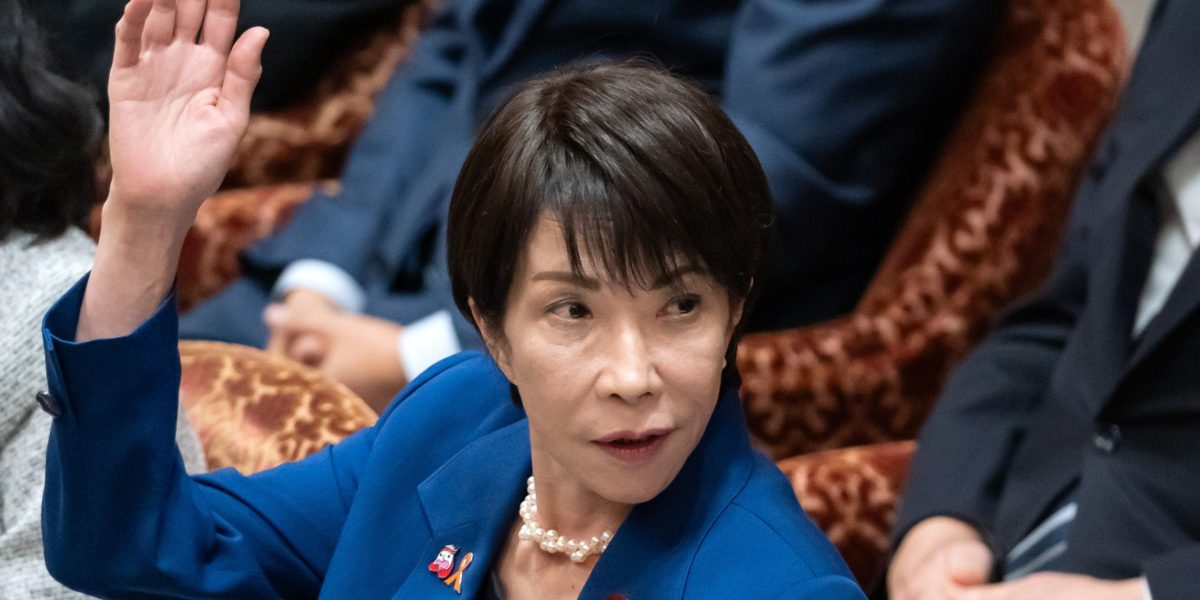
But the country’s new prime minister, Sanae Takaichi, is signaling a very different approach. The 64-year-old drew scrutiny this month for summoning staff to a meeting at 3 a.m.—not for a national security crisis, but simply to get a jump on her appearance before parliament.
While she later acknowledged the early start “caused inconvenience” to her staff, she defended the action as necessary to address lawmakers’ questions, according to The New York Times. But it’s not the first time Takaichi has indicated her comfort with an intense work cadence.
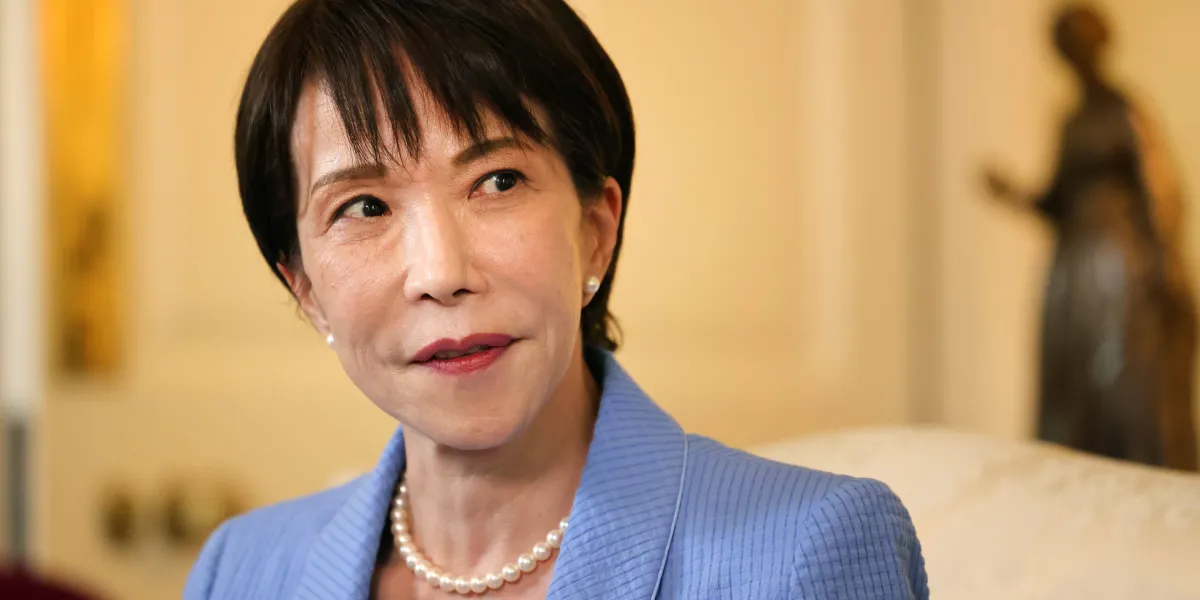
After being elected, Takaichi said she planned to “discard the term ‘work-life balance’ for myself. I will work, work, work, work, and work.” In practice, that means Takaichi reportedly sleeps about only two hours a night—sometimes up to four—a habit she admitted to lawmakers is probably “bad” for her skin.