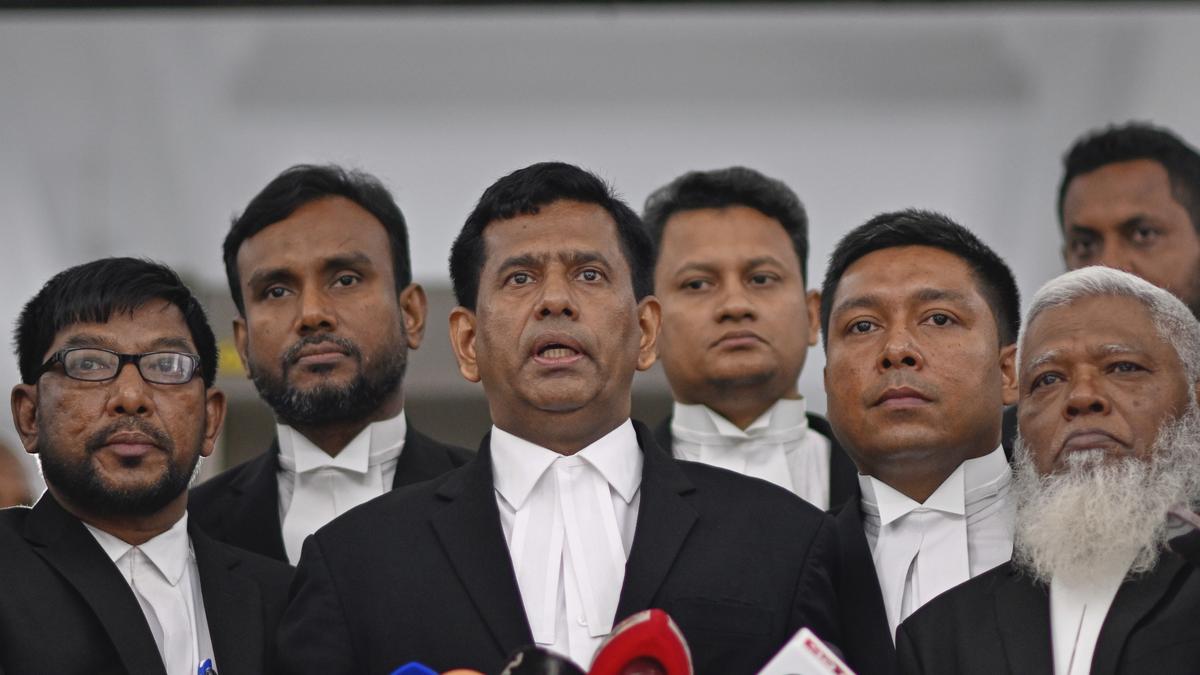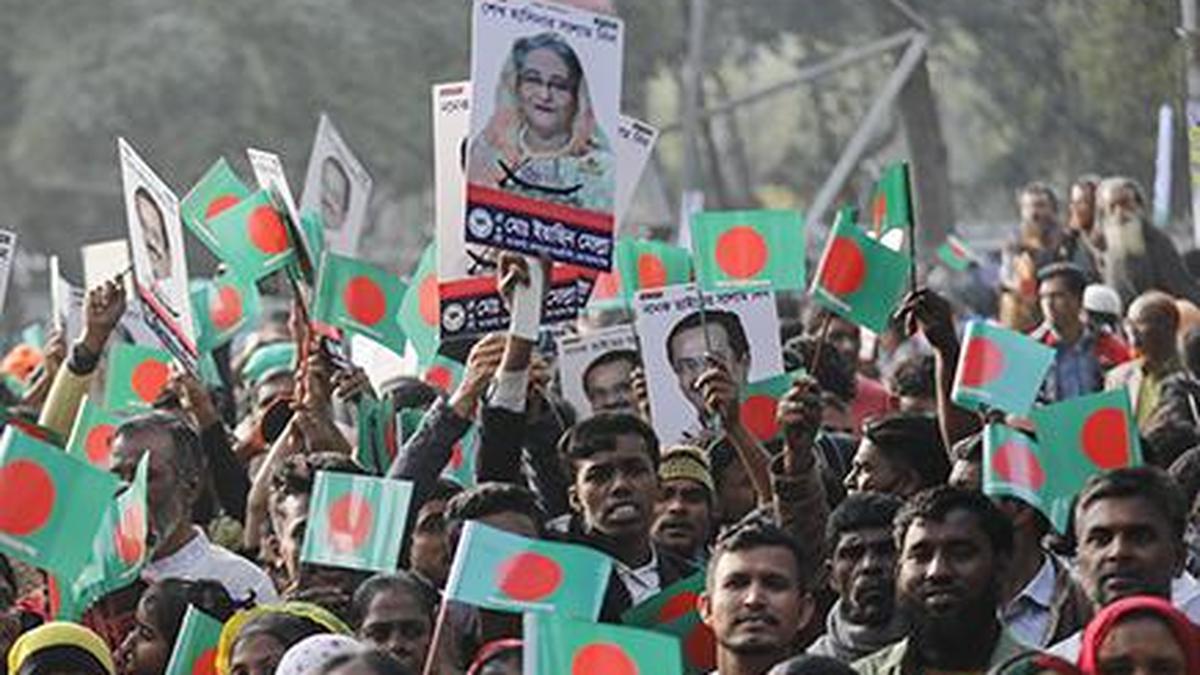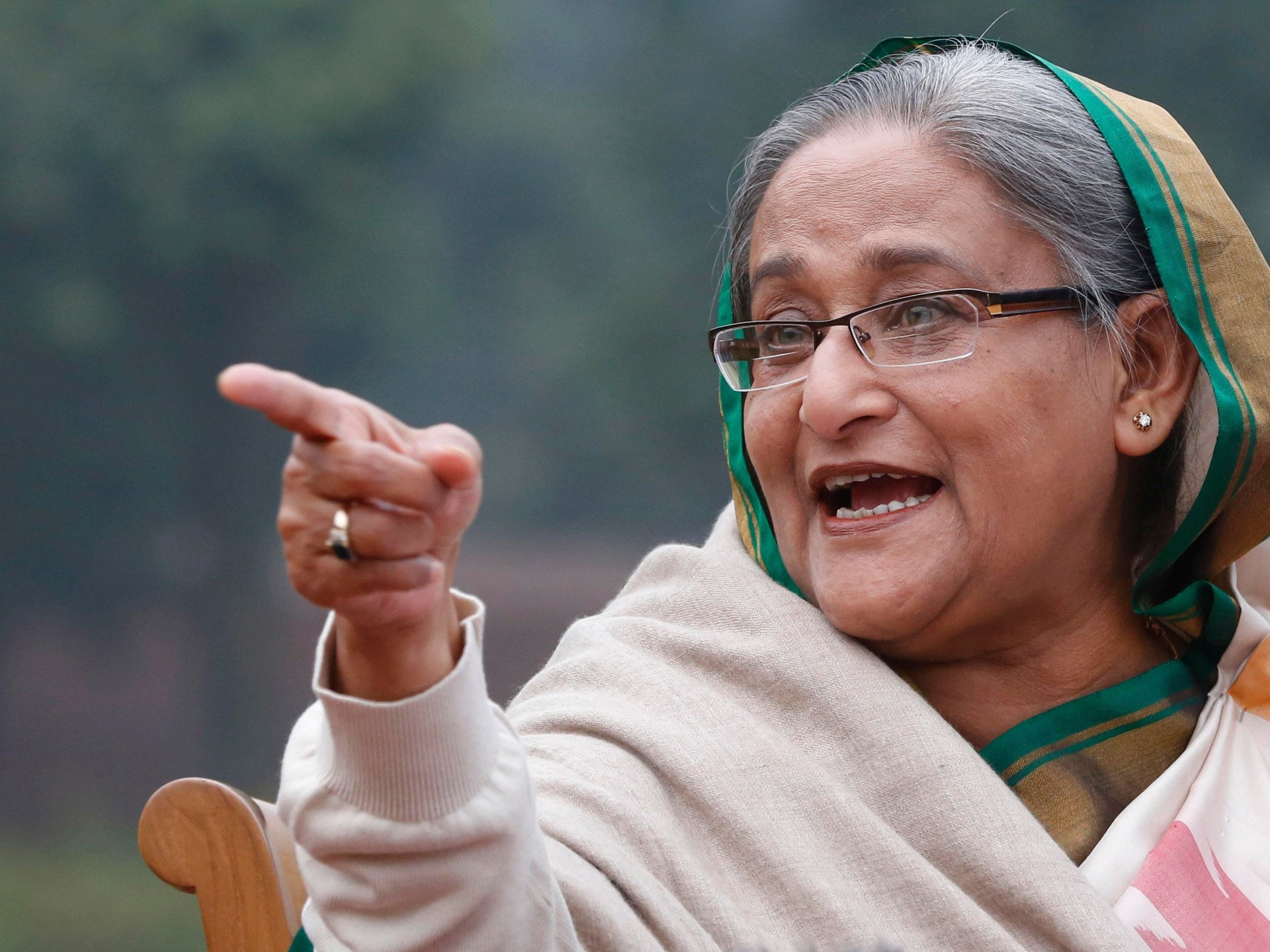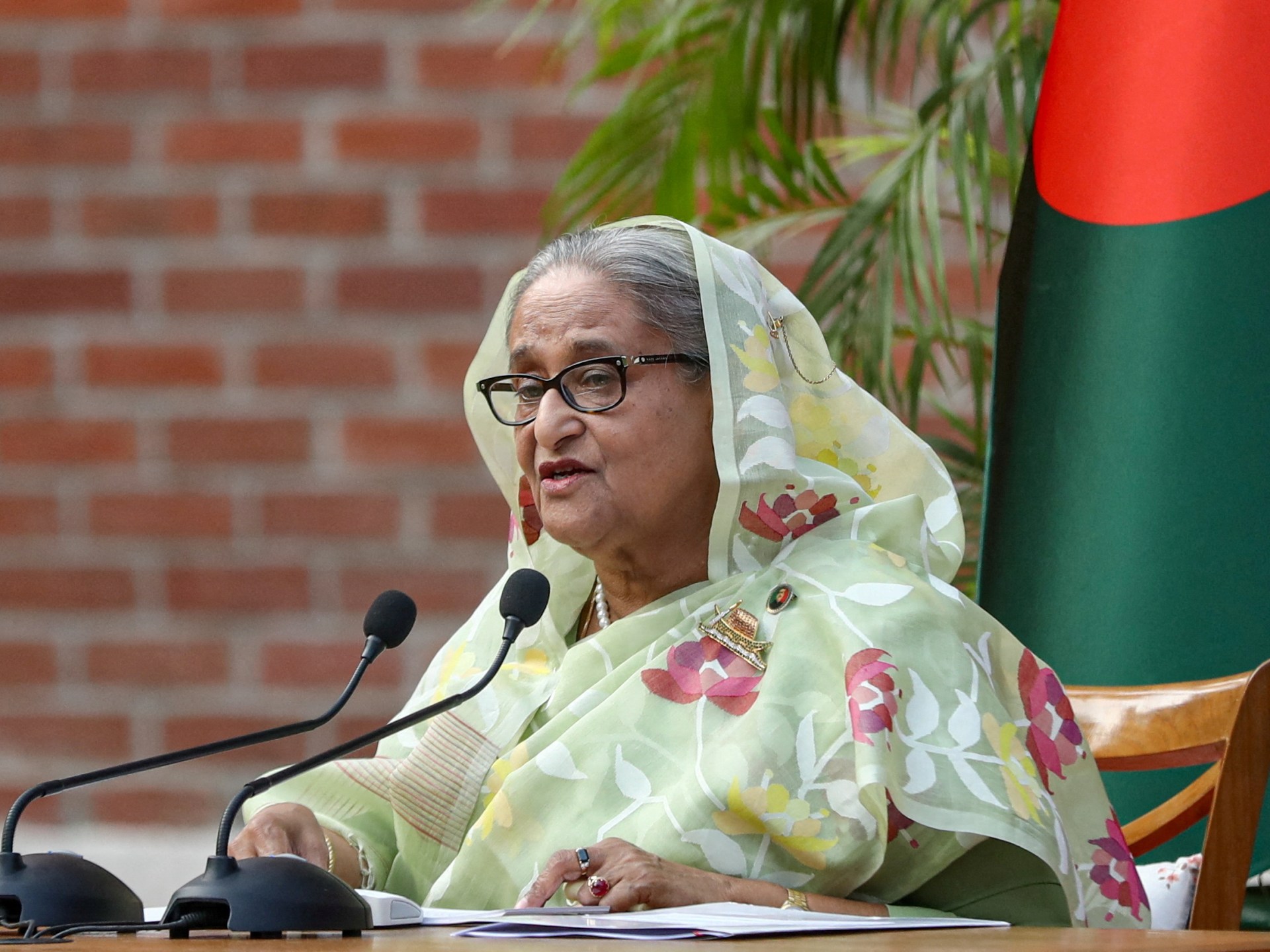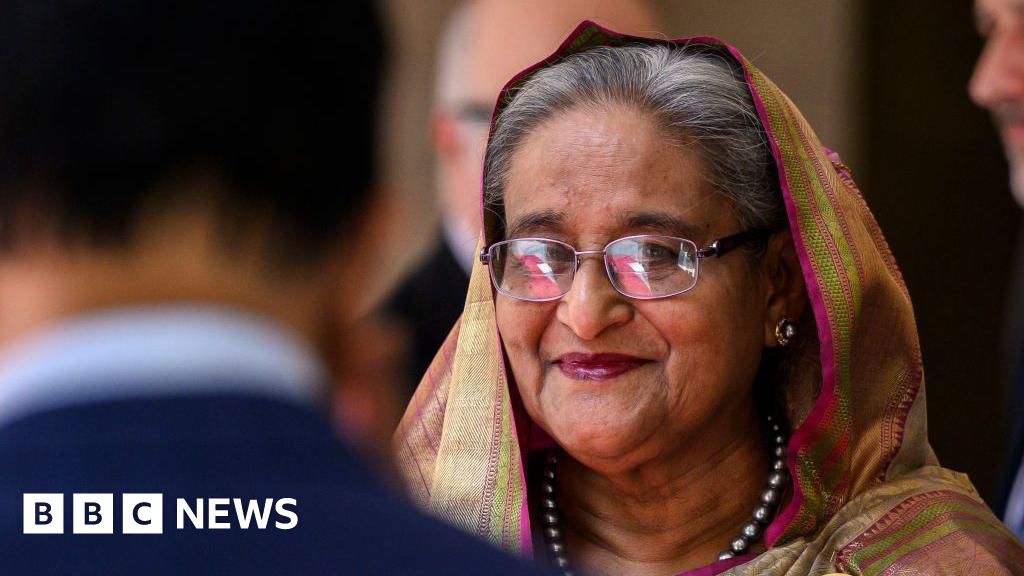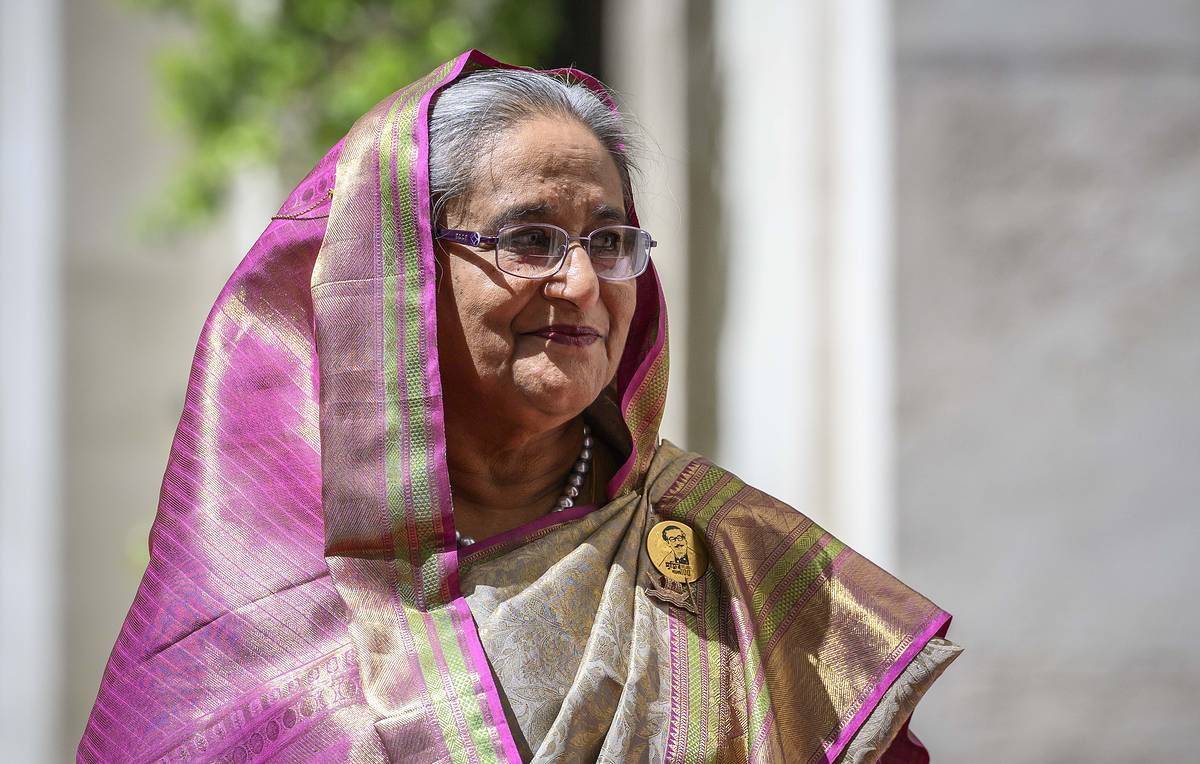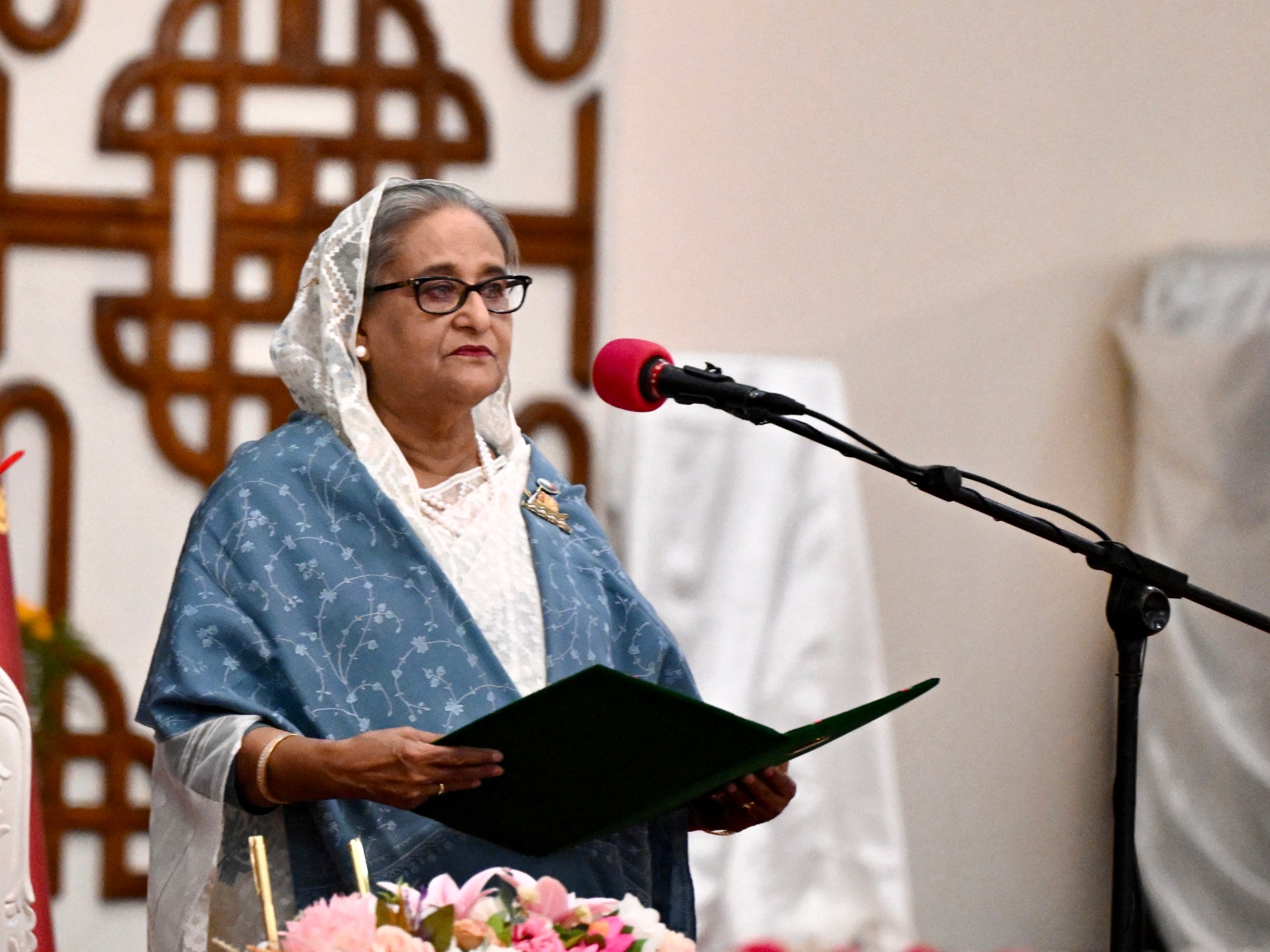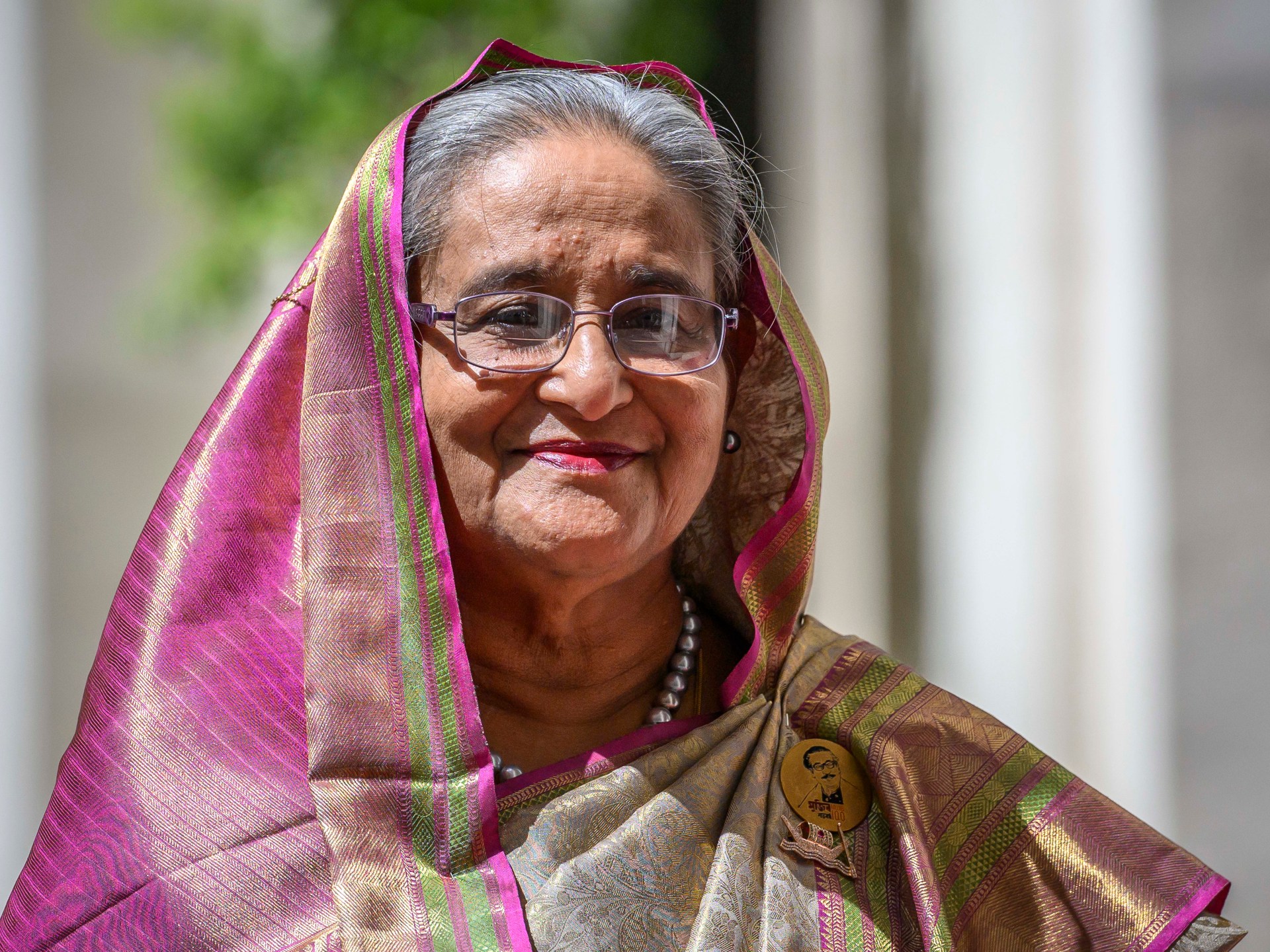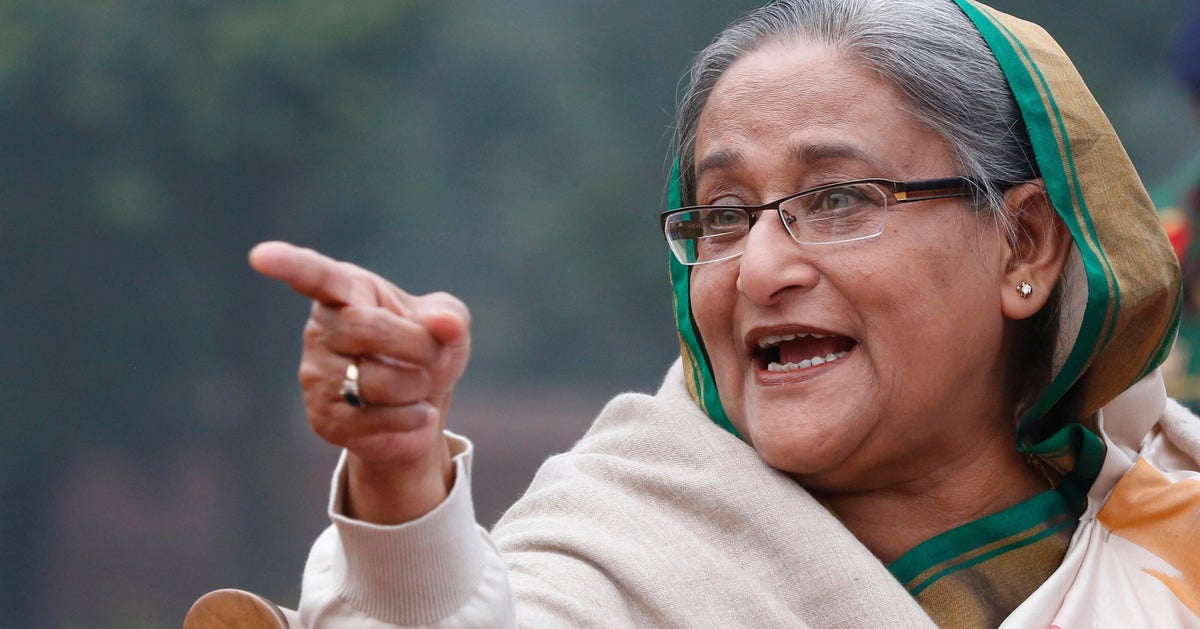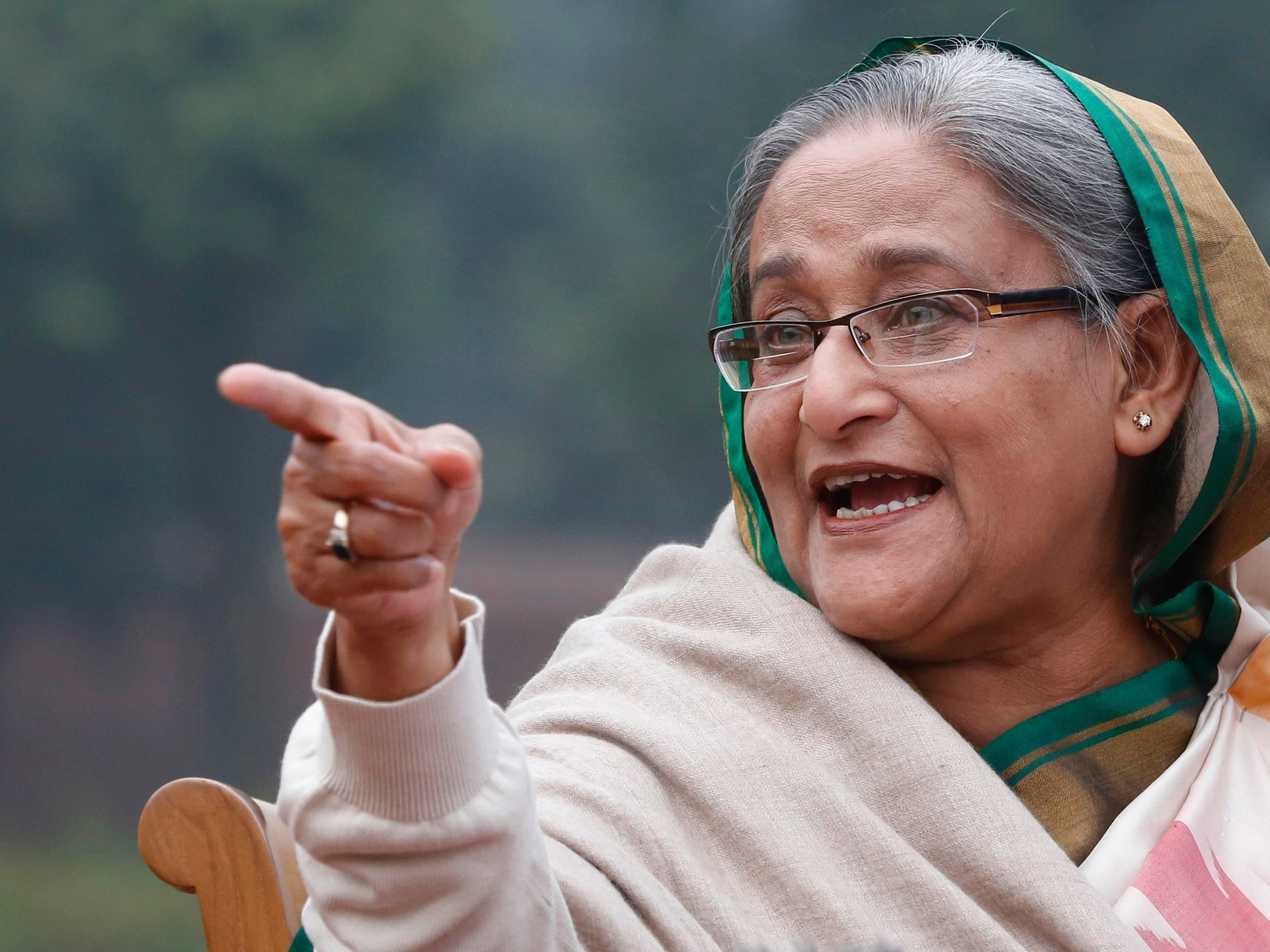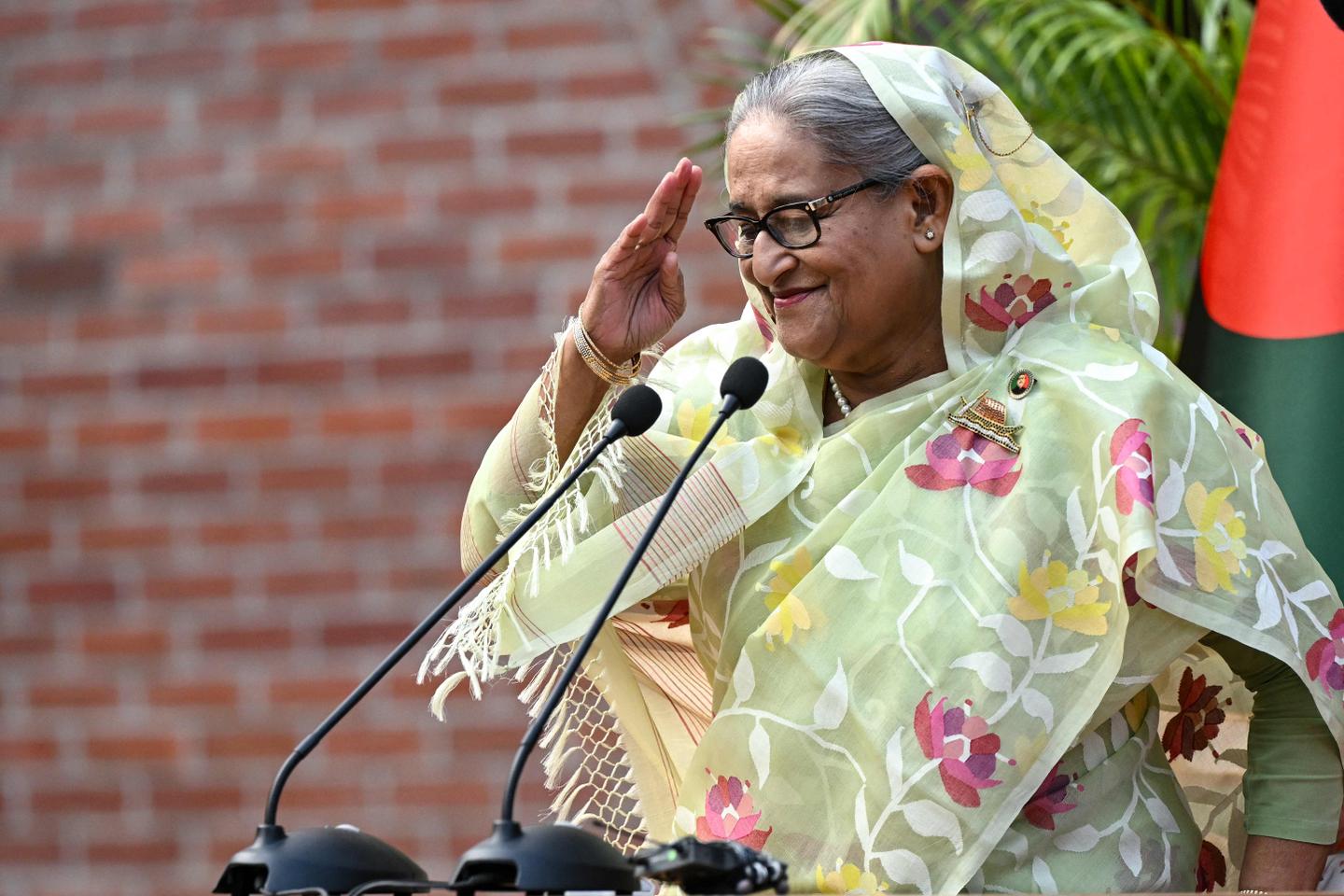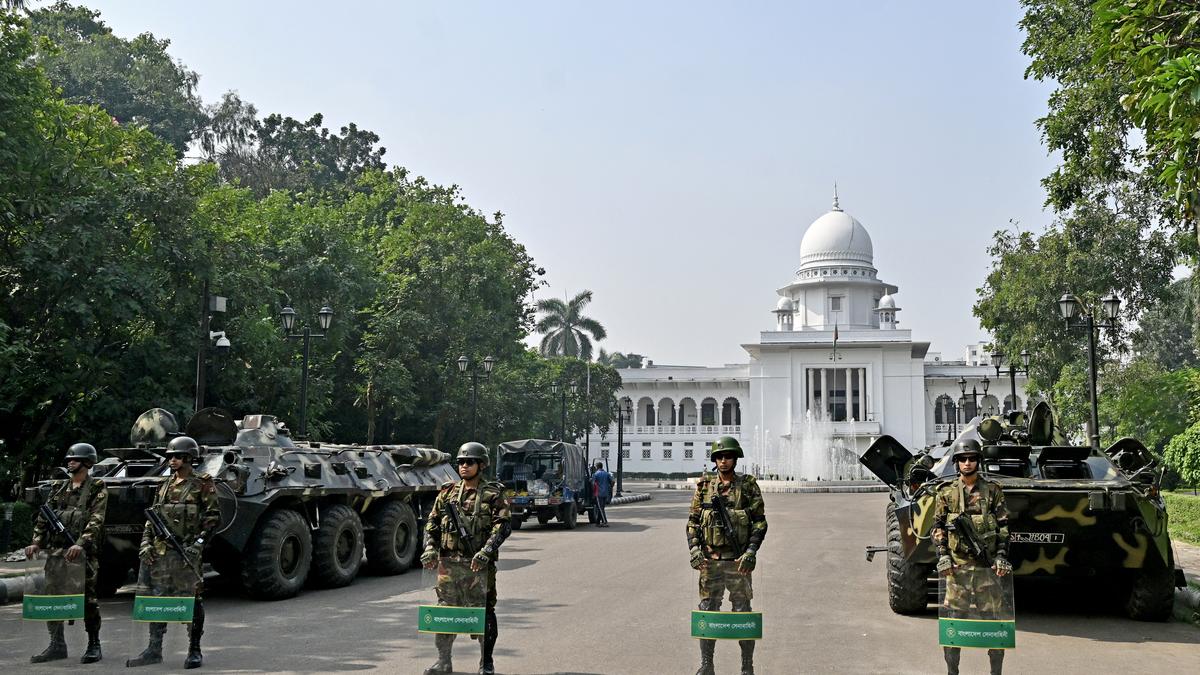
The International Crimes Tribunal of Bangladesh has evolved through three distinct phases over the past 55 years. In the first phase, it was conceived under Sheikh Mujibur Rahman when Bangladesh sought to deliver justice for the genocide of 1971. In the second phase, his daughter, Sheikh Hasina, won the 2008 election, promising to use the tribunal to punish the collaborators of 1971. In the third phase, the same tribunal is now being used to deliver justice for those who lost their lives or were left injured during the crackdown by Ms. Hasina’s government in July-August 2024.
With the fall of Ms. Hasina, it became evident that the ICT would also undergo changes to suit the demands of the anti-Hasina forces now in power in Dhaka. Though described as necessary by the interim government, these changes exposed the tribunal to allegations of political bias. In October 2024, the interim government brought in Golam Mortuza Mazumdar, a retired judge, to the International Crimes Tribunal.
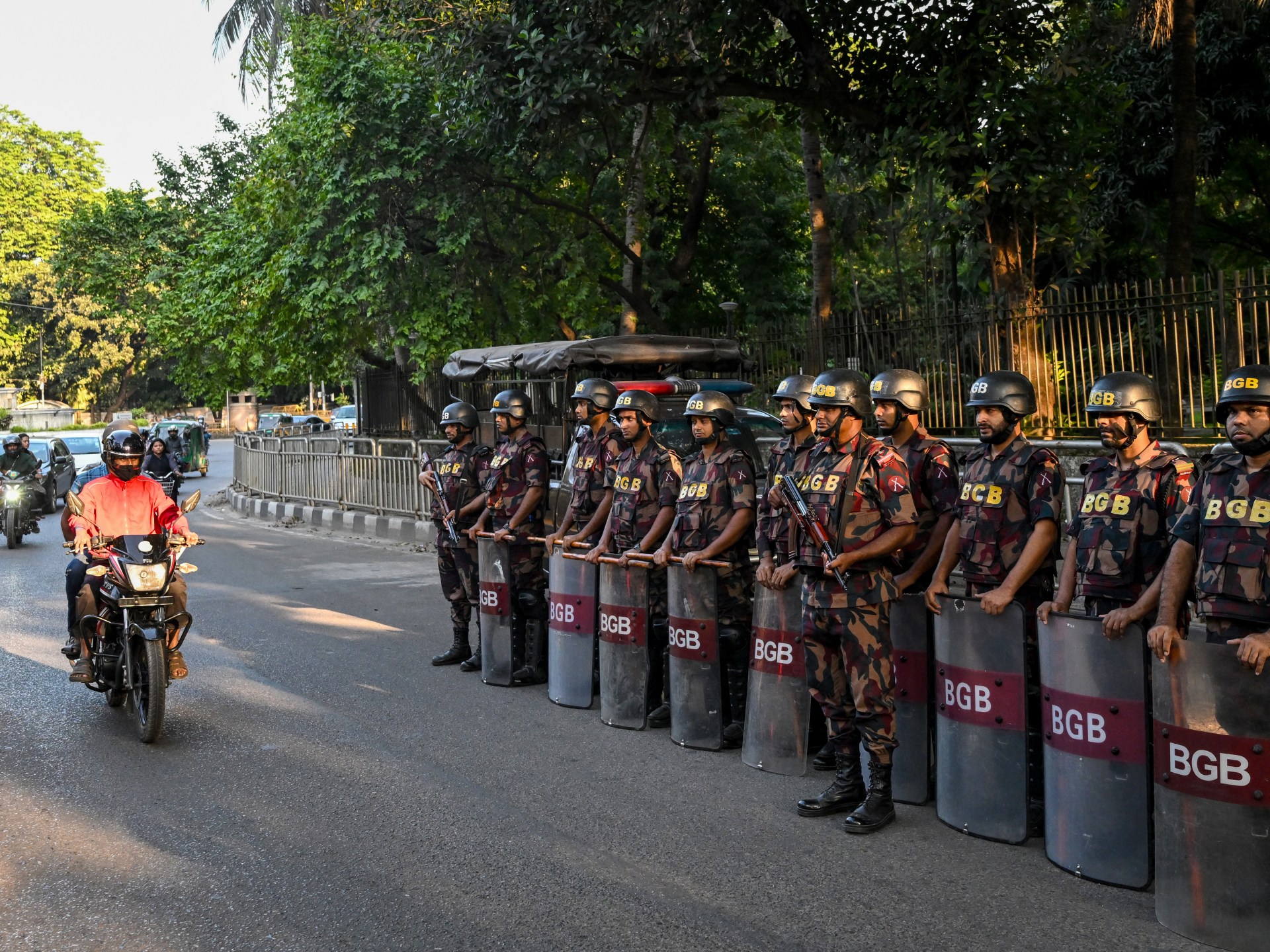
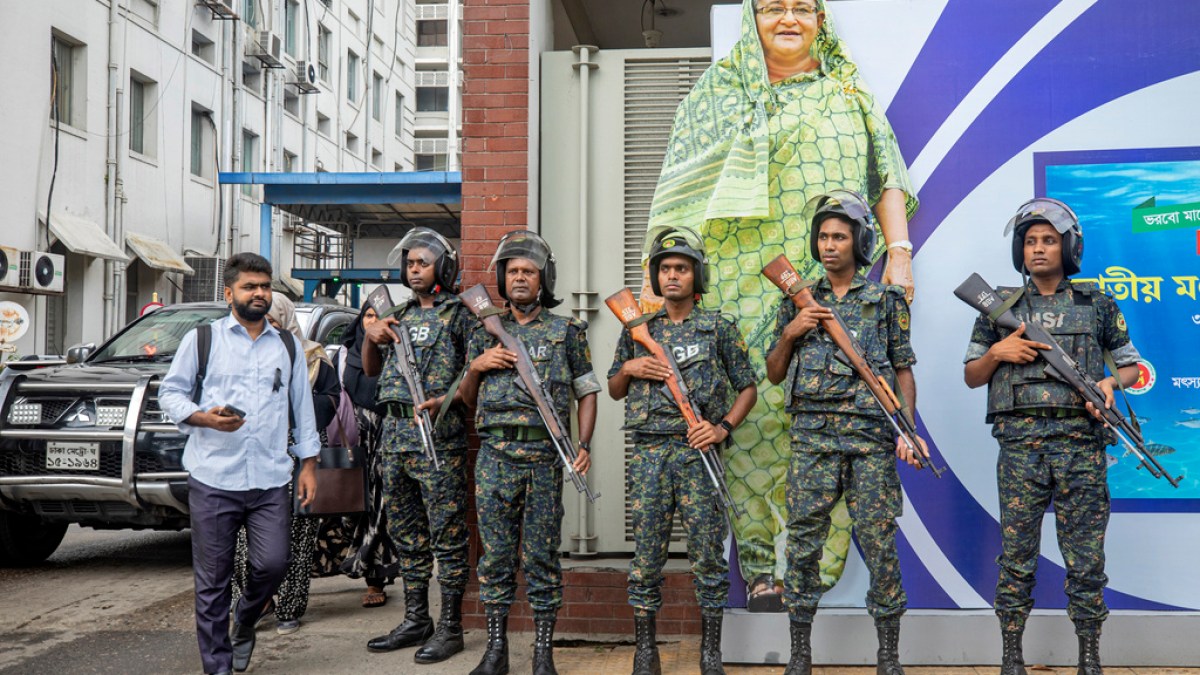
Bangladesh on edge as Tribunal set to deliver verdict in case against Sheikh Hasina
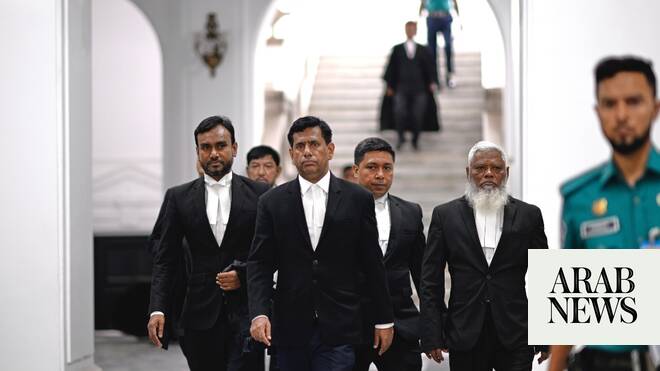
Over the past year, the leading figure in the ICT has been Mohammad Tajul Islam, a firebrand lawyer who has handled several high profile cases.