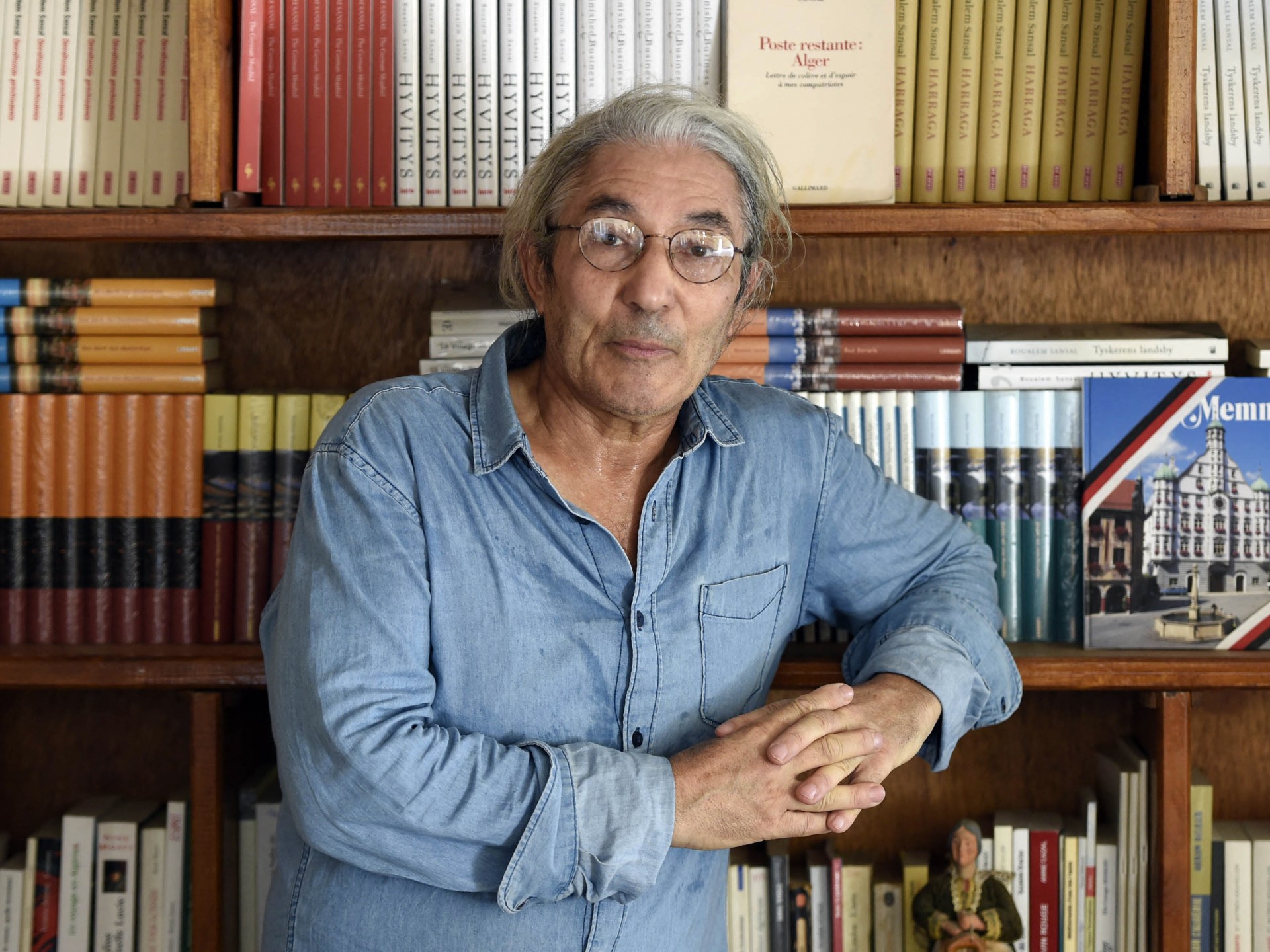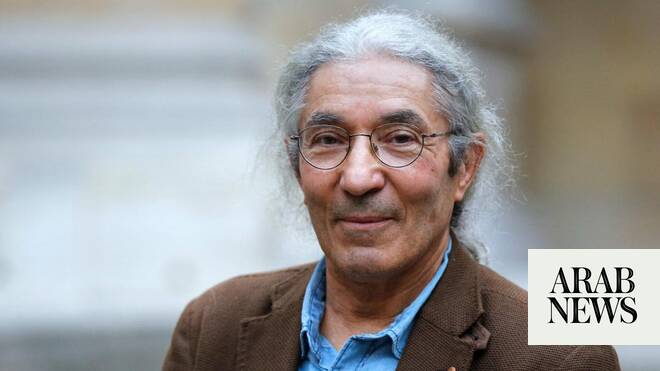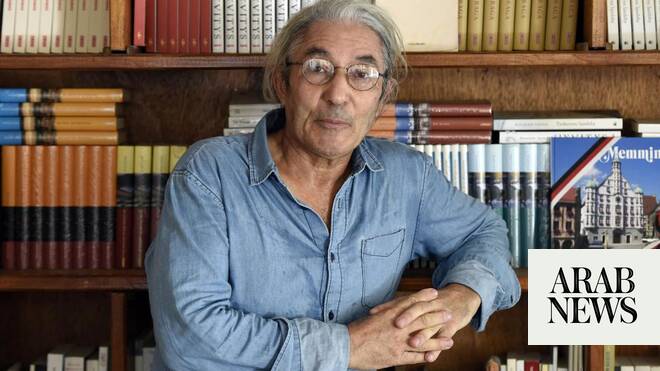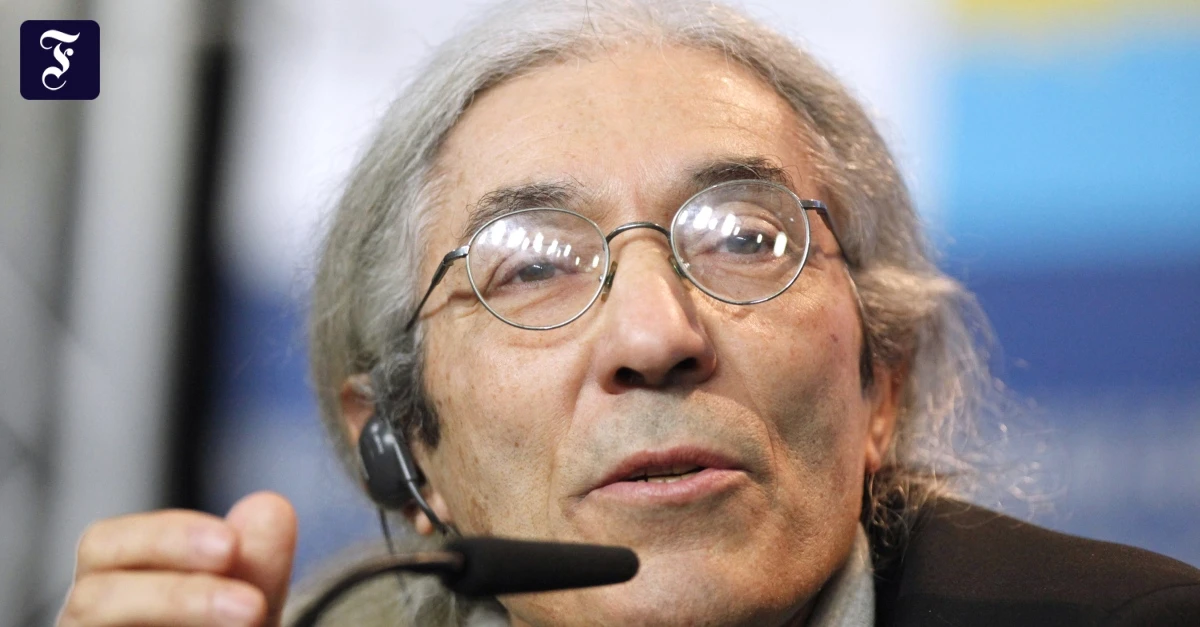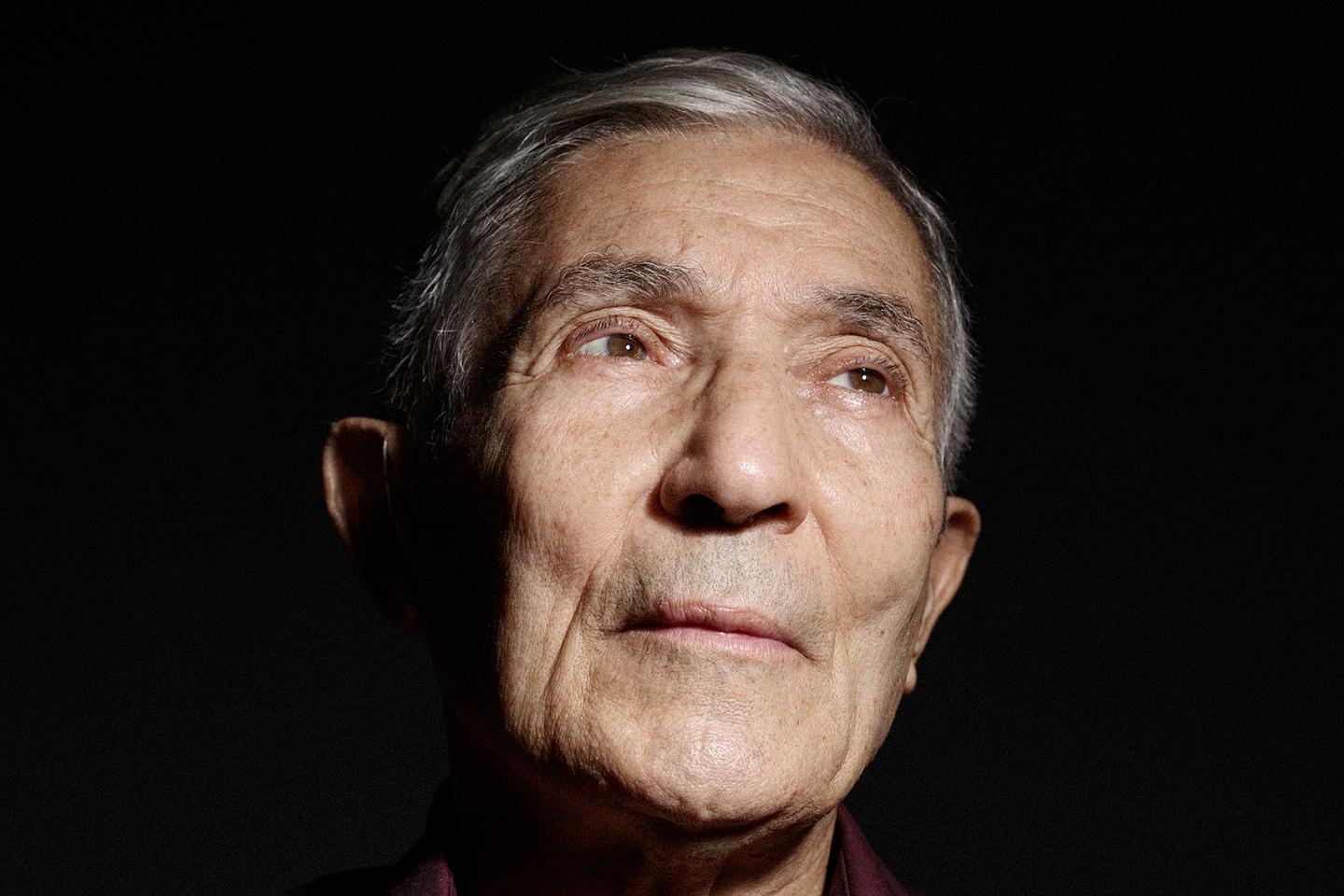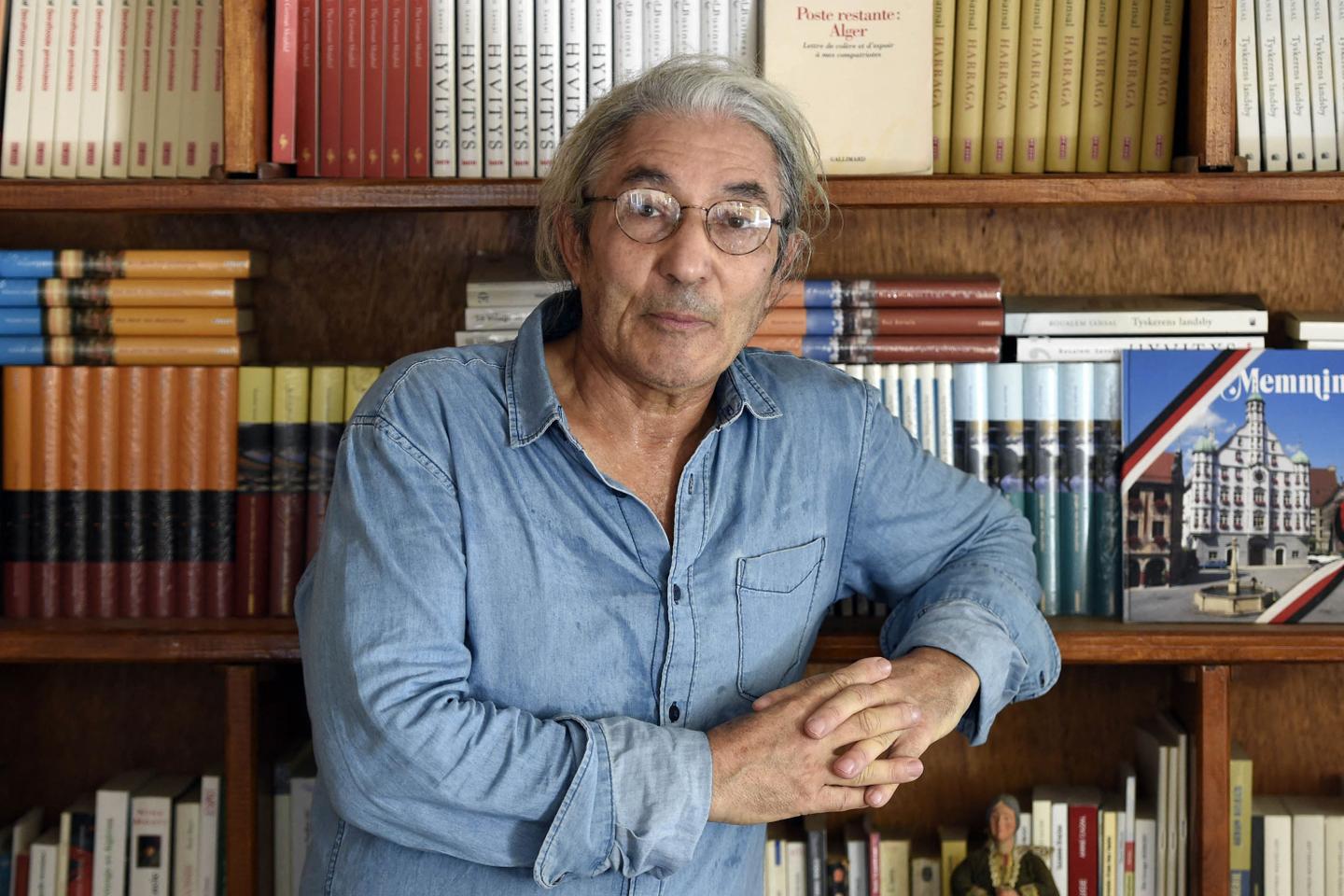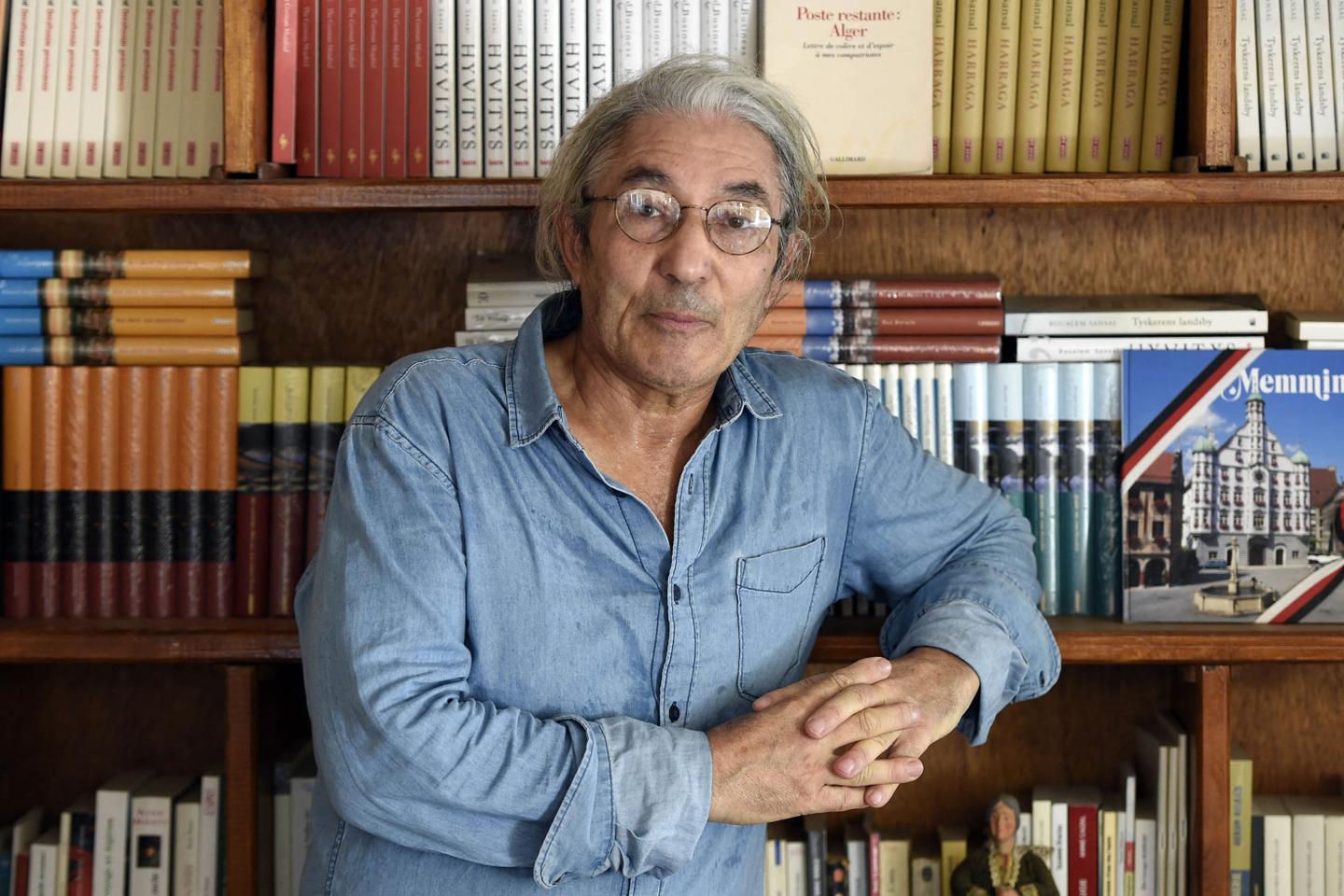
The writer Boualem Sansal at home in Boumerdès, Algeria, in 2015. FAROUK BATICHE / AFP
There was joy, of course – but also persistent anger after one year of the arbitrary imprisonment of Boualem Sansal, an 80-year-old writer, for his opinions. During this time, a series of controversies unfolded that, in the eyes of some, tainted the support shown by France's intellectual and political circles for the author of Vivre. Le compte à rebours ("Life: The Countdown").
This dual sentiment emerged from the first reactions of writers approached by Le Monde des livres upon the announcement of Sansal's release on Wednesday, November 12. Italian novelist, poet and essayist Erri De Luca said: "I cannot put myself in his place, but it is as if I am leaving the cell with him. If I could speak to him right now, what would I say? Nothing. I would simply want to shake his hand." Amélie Nothomb, after exclaiming "What a relief!" added: "I hope he doesn't return too damaged from that appalling stay in prison. His arrest was so abject."
2012 Prix Goncourt winner Jérôme Ferrari emphasized the humiliation that Sansal endured: "Individual cases serve as means of pressure between states, it's unbearable. At his age, to have found himself a hostage in a power struggle between countries… ." Another Prix Goncourt winner, Nicolas Mathieu, said: "A writer should never be locked up for artistic or intellectual reasons." Novelist Nathalie Azoulai added: "What bothers me is that the Algerian president announced he had 'pardoned' him. The word 'pardon' sends chills down my spine, since he is guilty of nothing." Laurent Mauvignier, who recently won the Prix Goncourt for La Maison vide ("The Empty House"), echoed the feeling: "That it's a pardon and not simply a release, that's something quite peculiar."