T
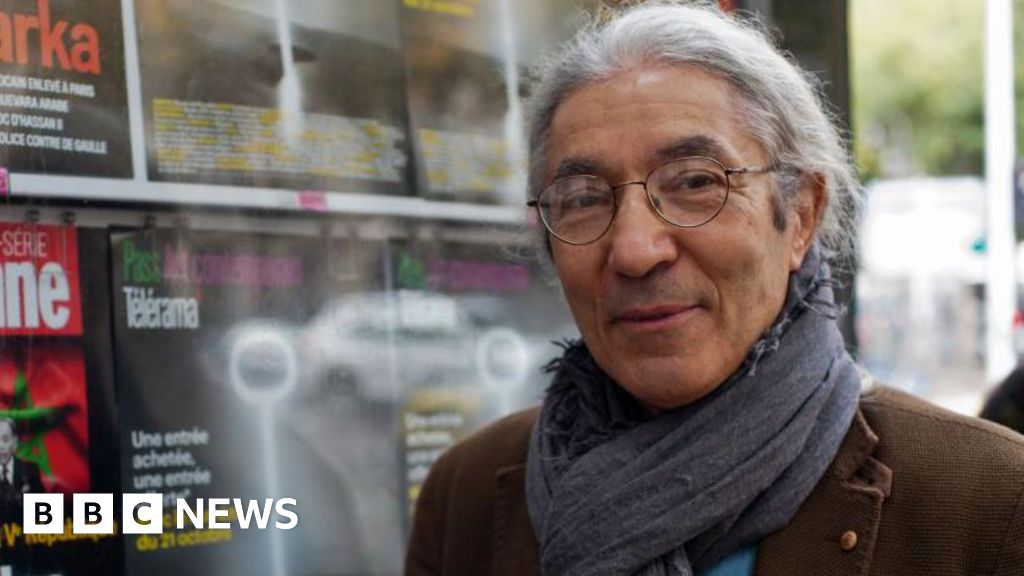
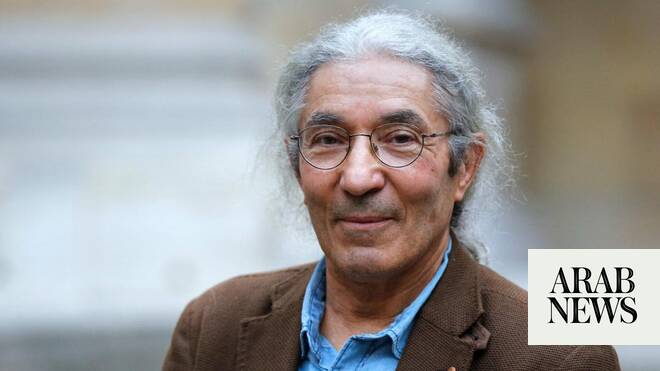
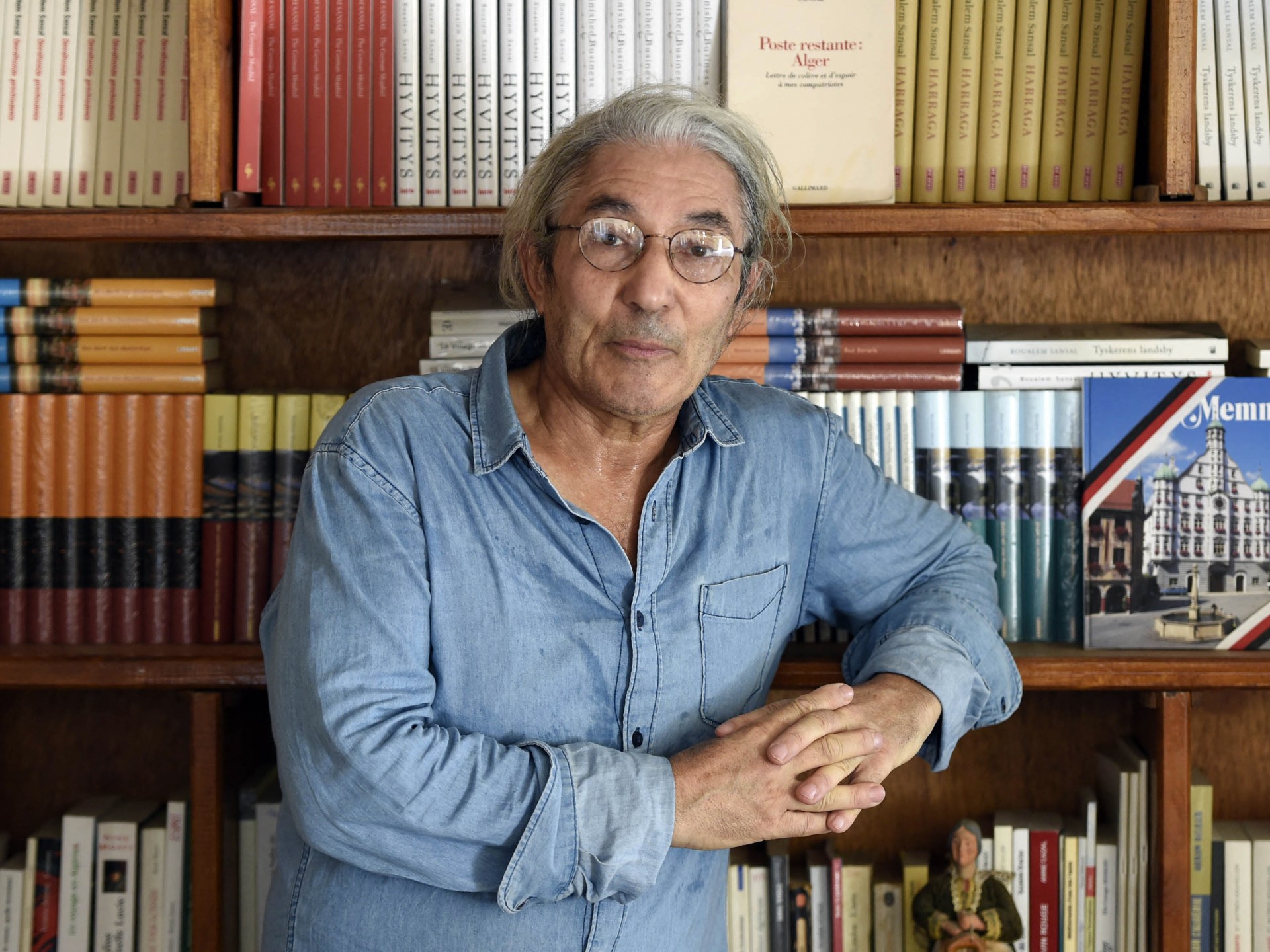
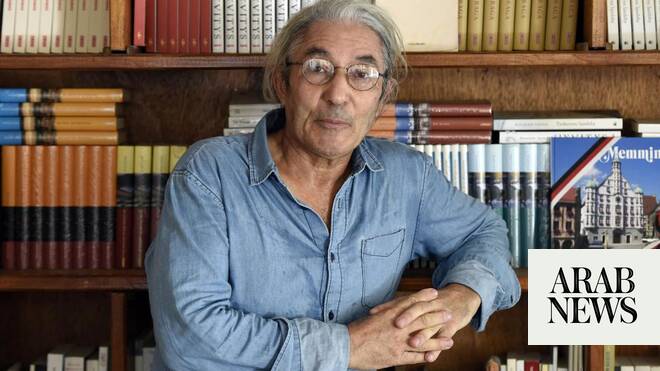
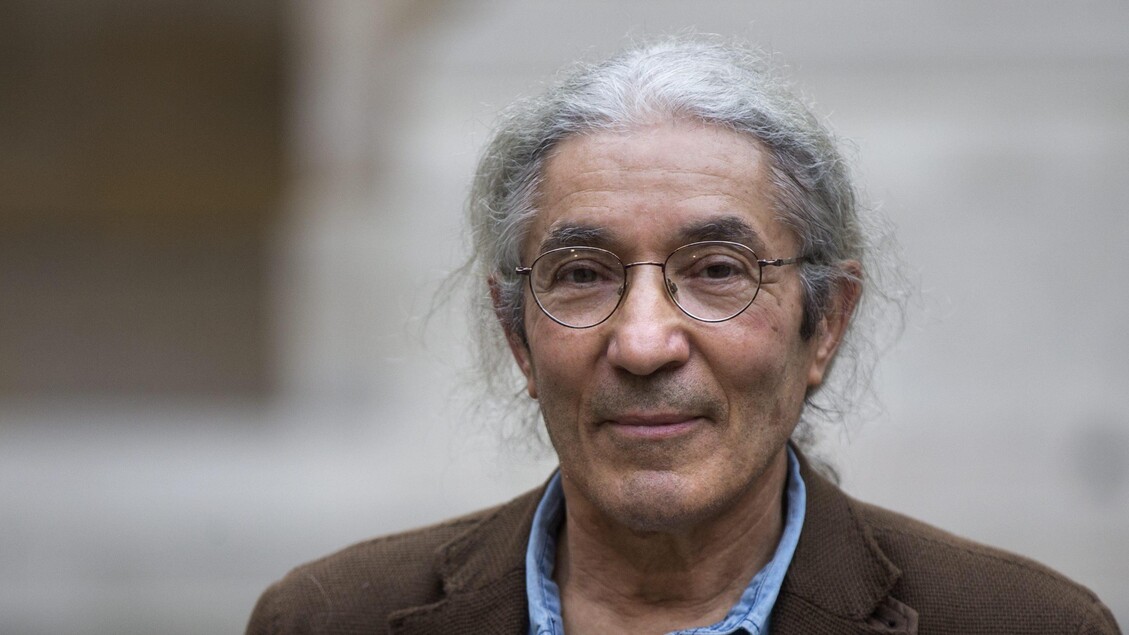
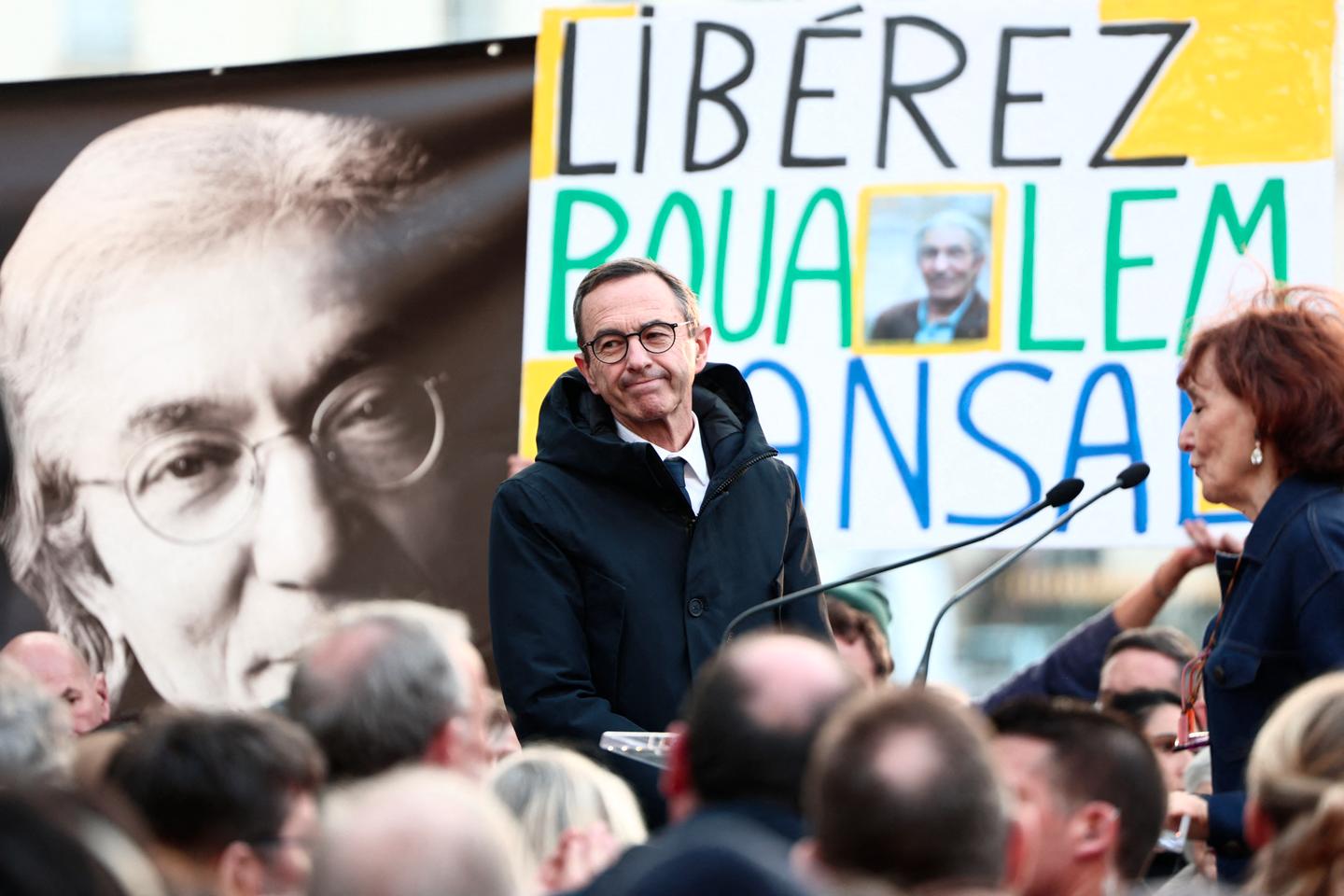
he pardon granted by Algerian President Abdelmadjid Tebboune to French-Algerian writer Boualem Sansal is excellent news and deserves to be wholeheartedly welcomed. It remedies a glaring injustice inflicted on a free spirit who had no justifiable reason to find himself behind bars. At the heart of a grave crisis between Paris and Algiers that lasted nearly a year – fueled by other disputes as well – Sansal, aged 81, landed in Berlin on the evening of Wednesday, November 12, where he will receive medical care.
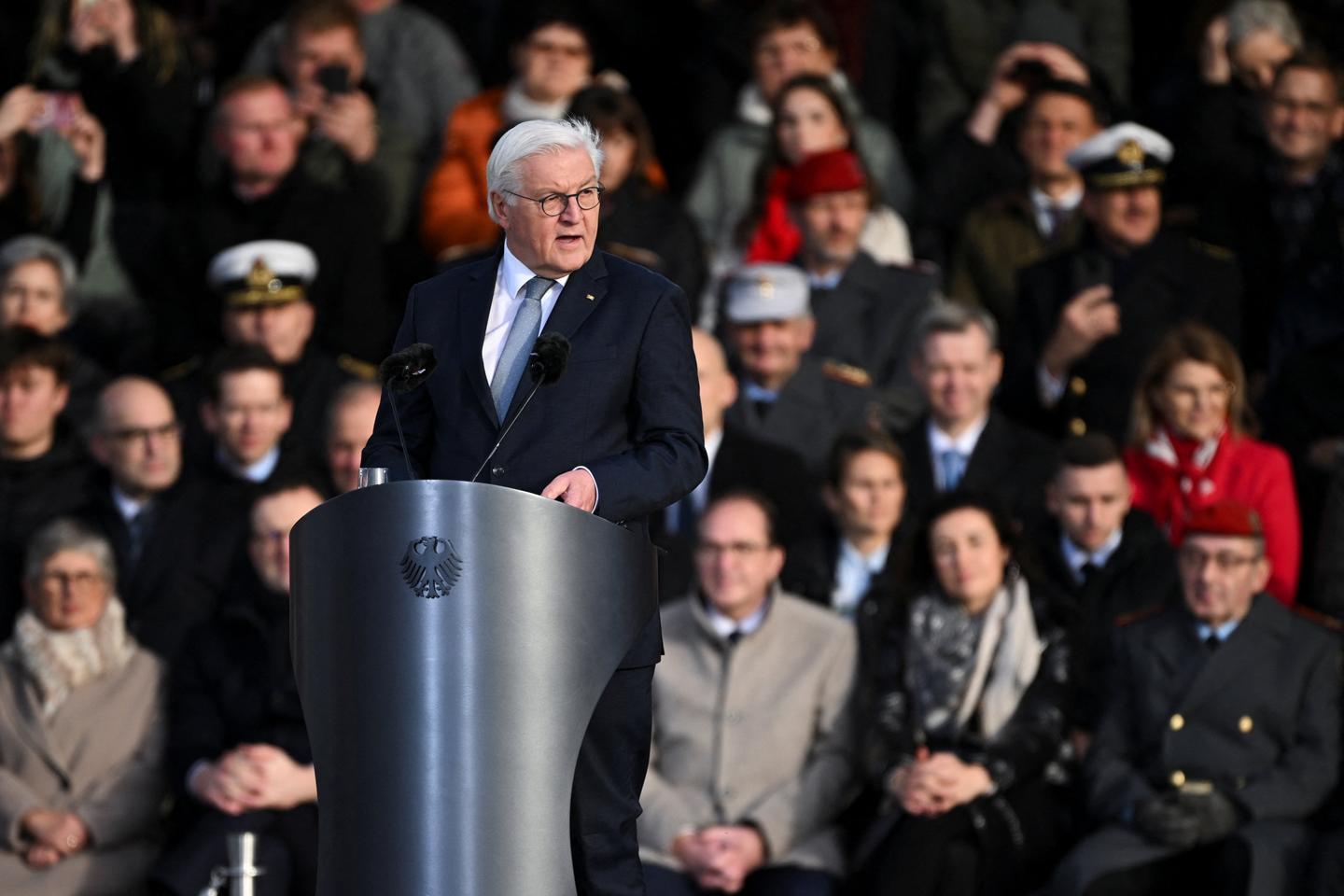
The writer's release was made possible by the good offices of Germany, whose president, Frank-Walter Steinmeier, intervened with his Algerian counterpart. Berlin's mediation is in itself politically significant. It highlights France's inability to manage a dispute with Algeria through traditional bilateral channels. That Paris was compelled to outsource the resolution to a "trusted third party," to use diplomatic jargon, speaks volumes about the erosion of its influence over Algiers.
While this decline is not new, the approach taken by Bruno Retailleau during his year at the French Interior Ministry severely disrupted what was left of functional cooperation. The anger of the former minister toward the Algerian regime was not entirely without basis. Retailleau had some grounds to express his exasperation at the behavior of Algerian authorities, their opaque and at times violent actions within the Algerian diaspora in France, and their failure to honor obligations on the readmission of irregular migrants expelled from France.