A shocking incident should become an opportunity to address broader problems of misogyny
W
hat does the experience of women at the top tell us about the rest? Those most vulnerable to sexual harassment, assault and abuse are, unsurprisingly, those who have less power or are treated with less respect: undocumented migrants; women in precarious employment; women with disabilities; LGBTQ women; young women and girls.
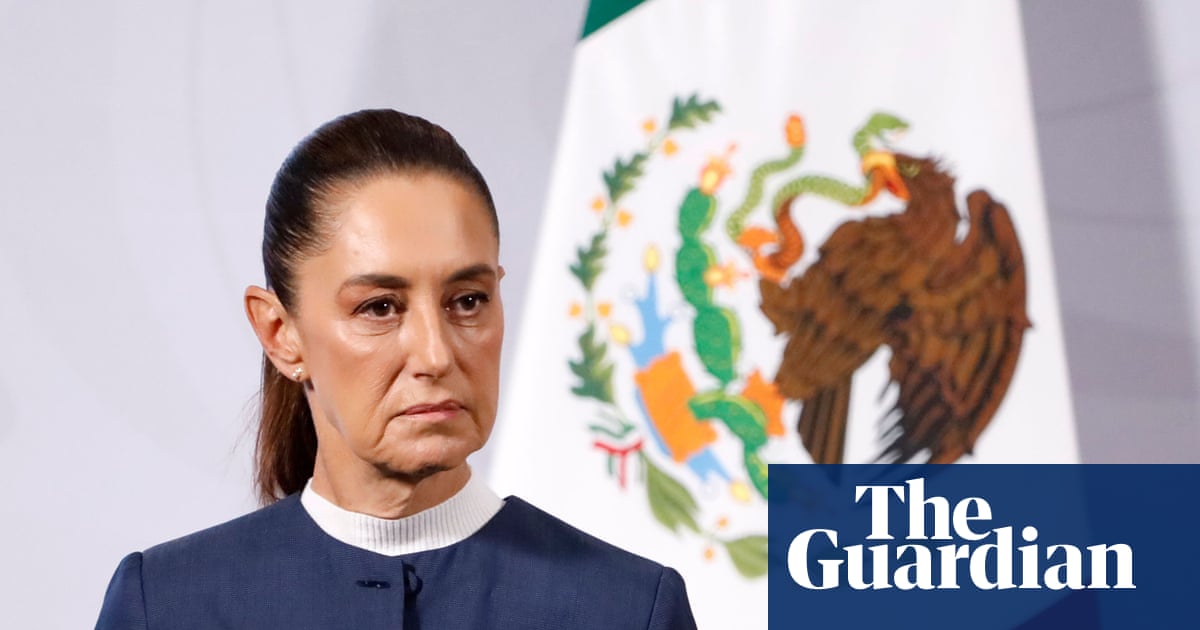
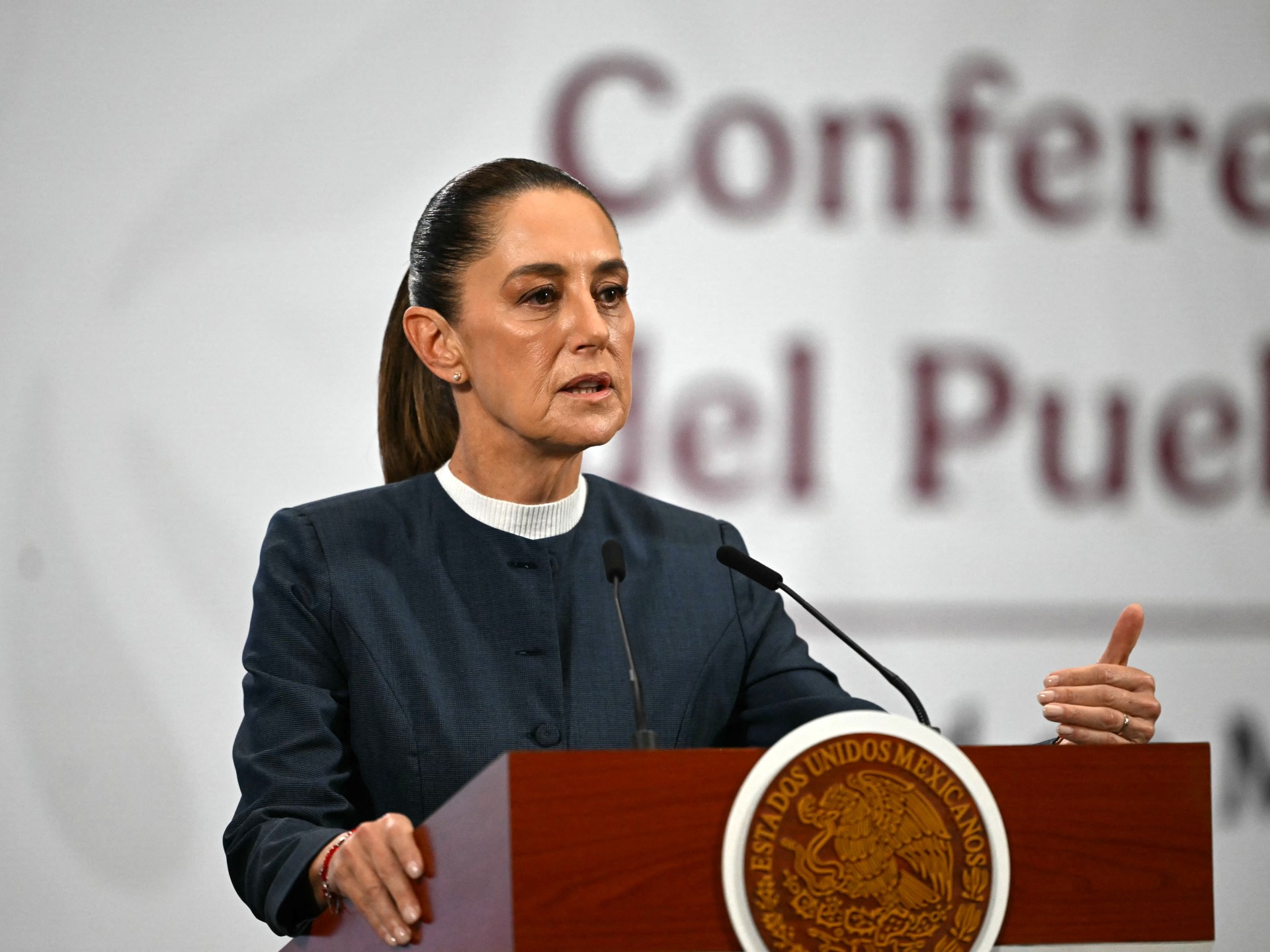
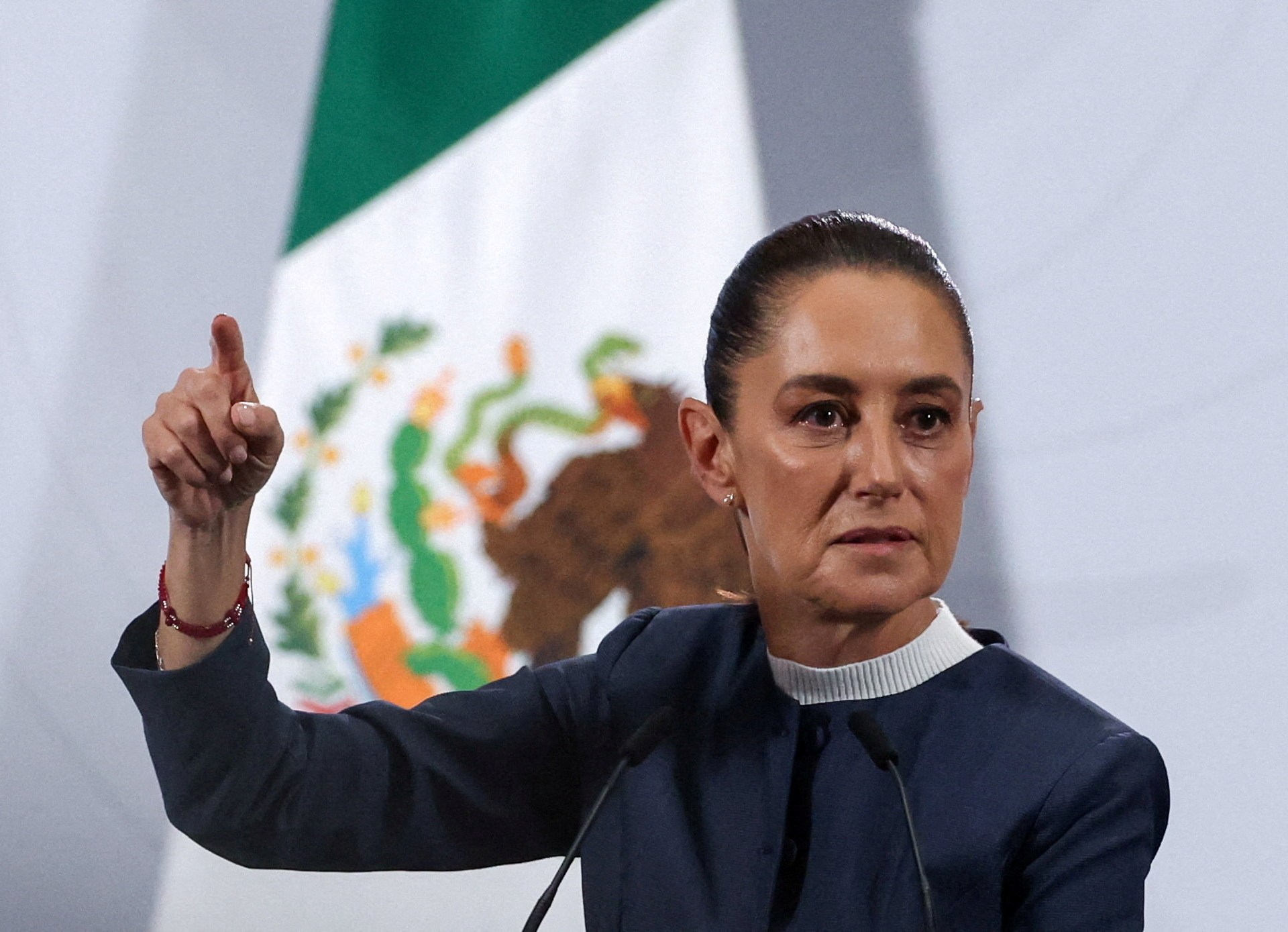
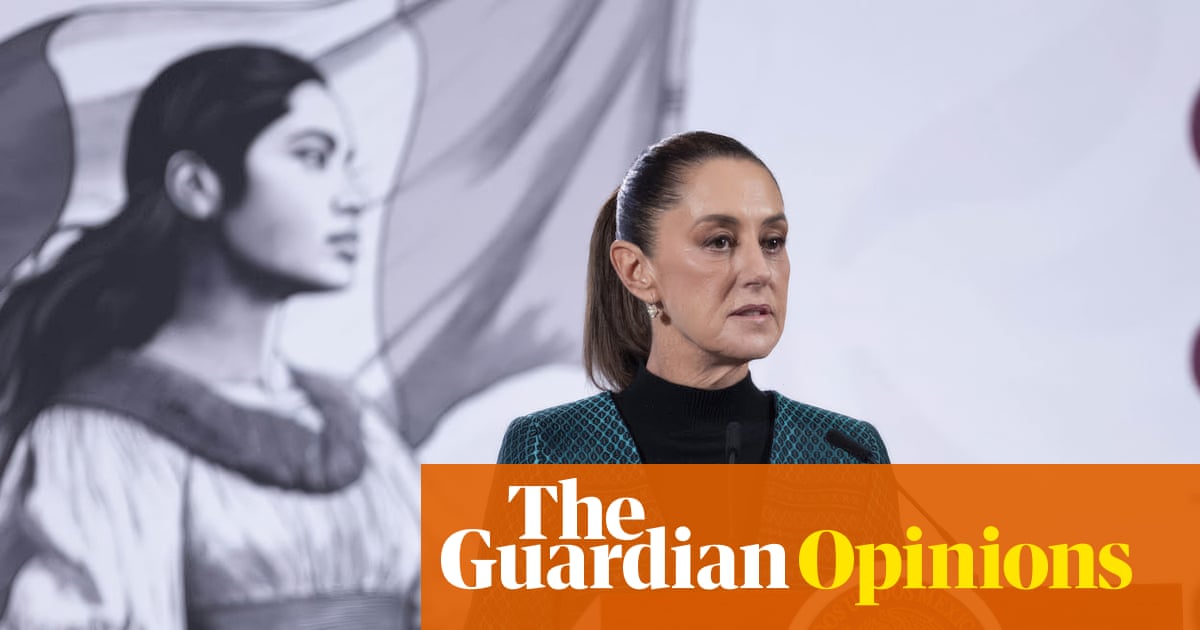
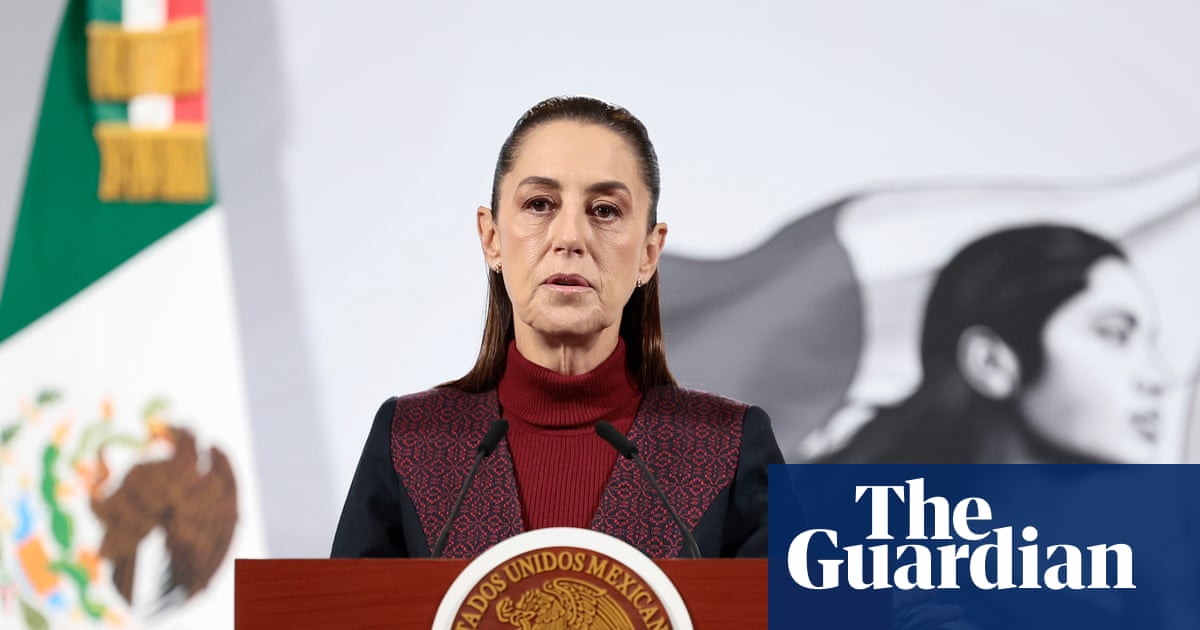
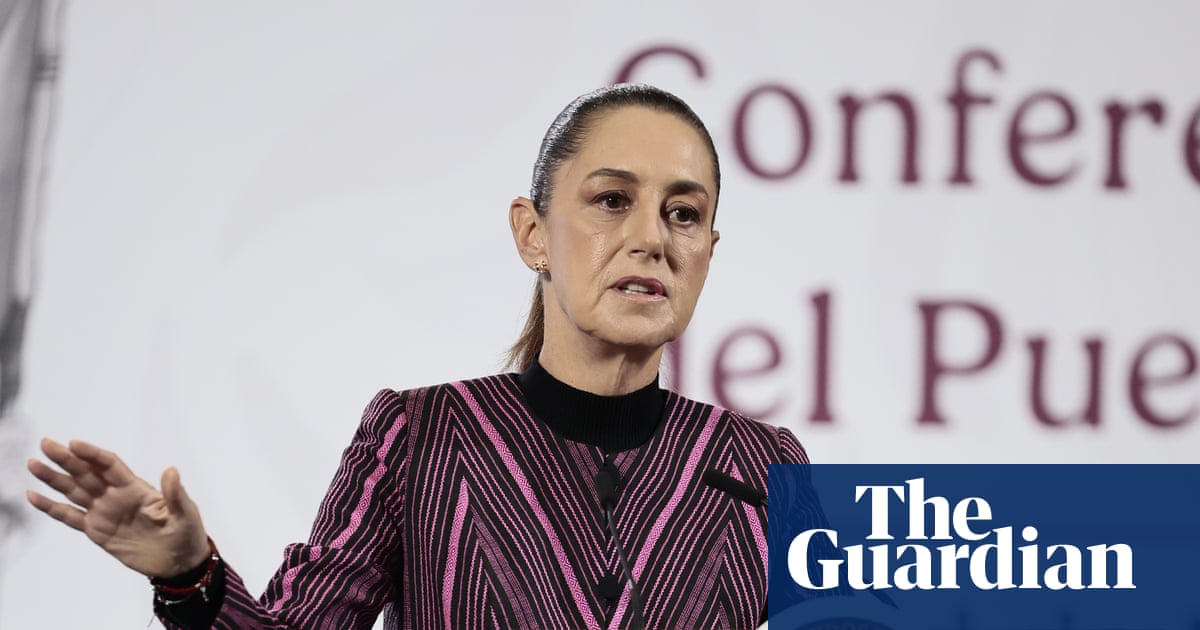
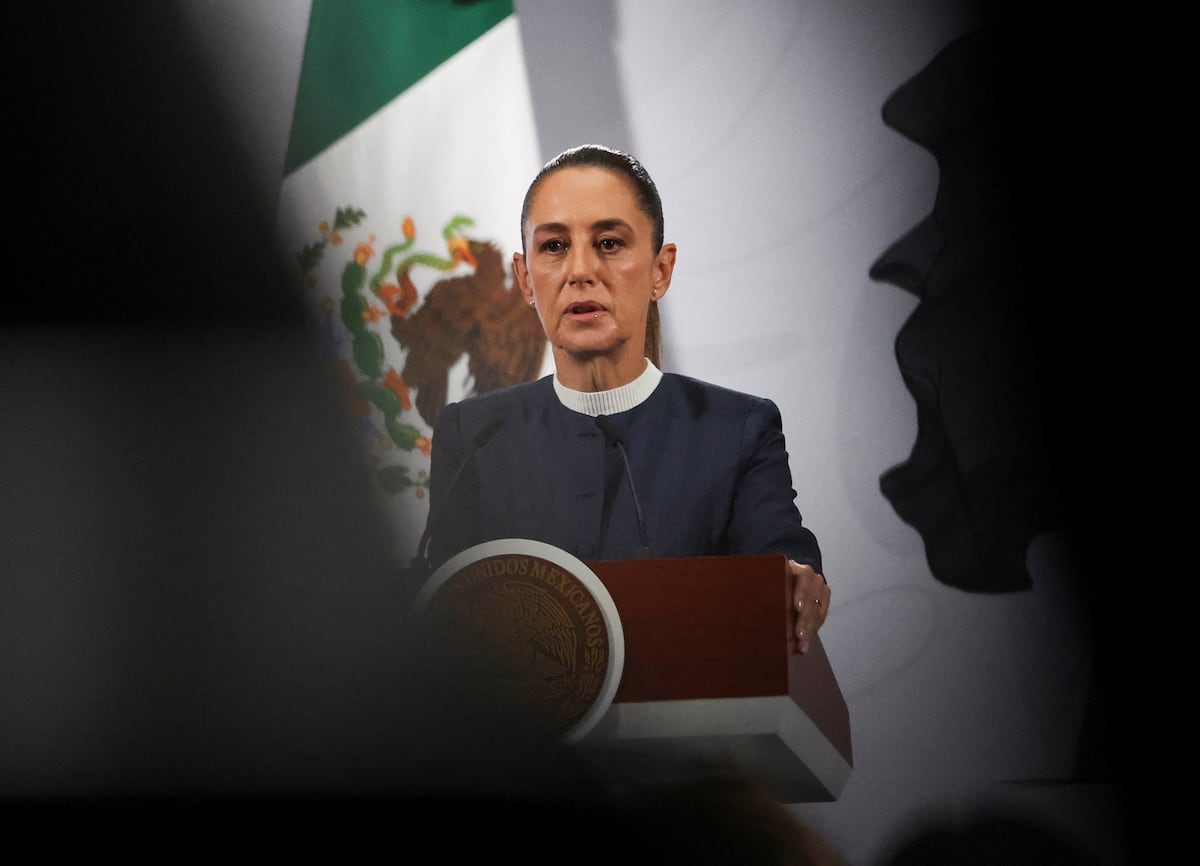
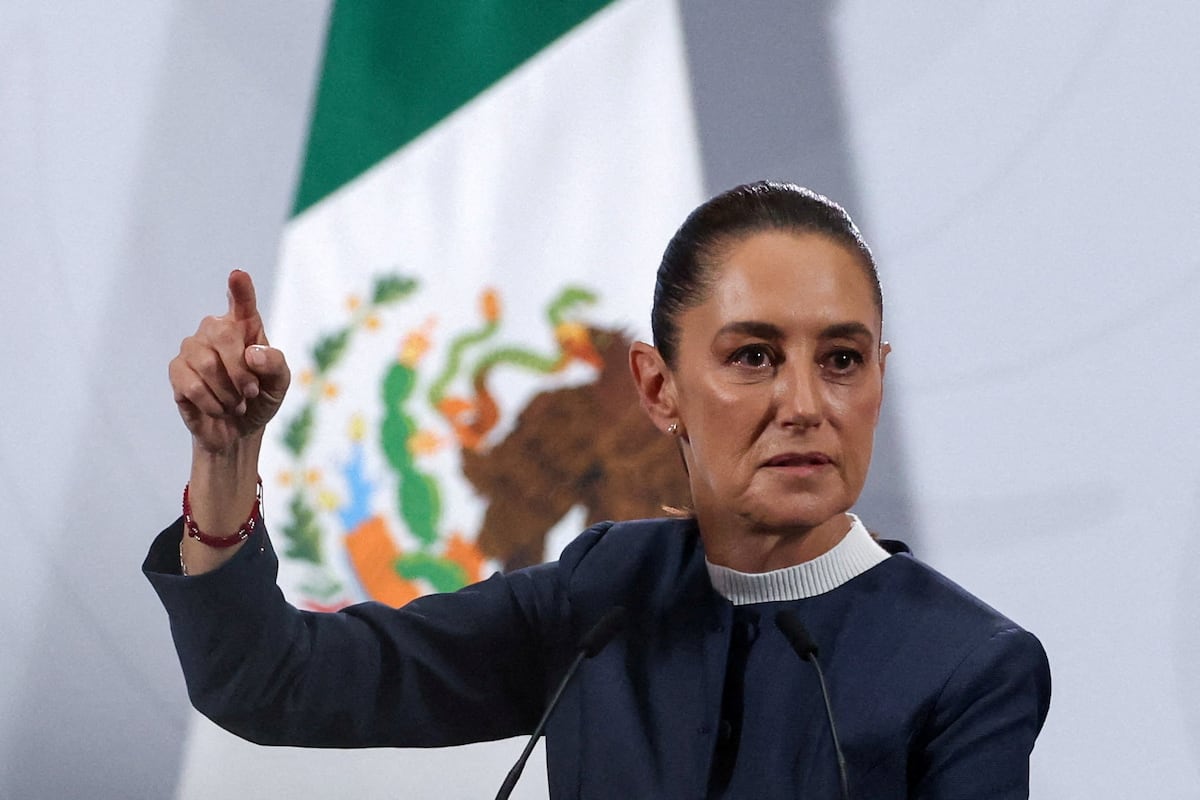
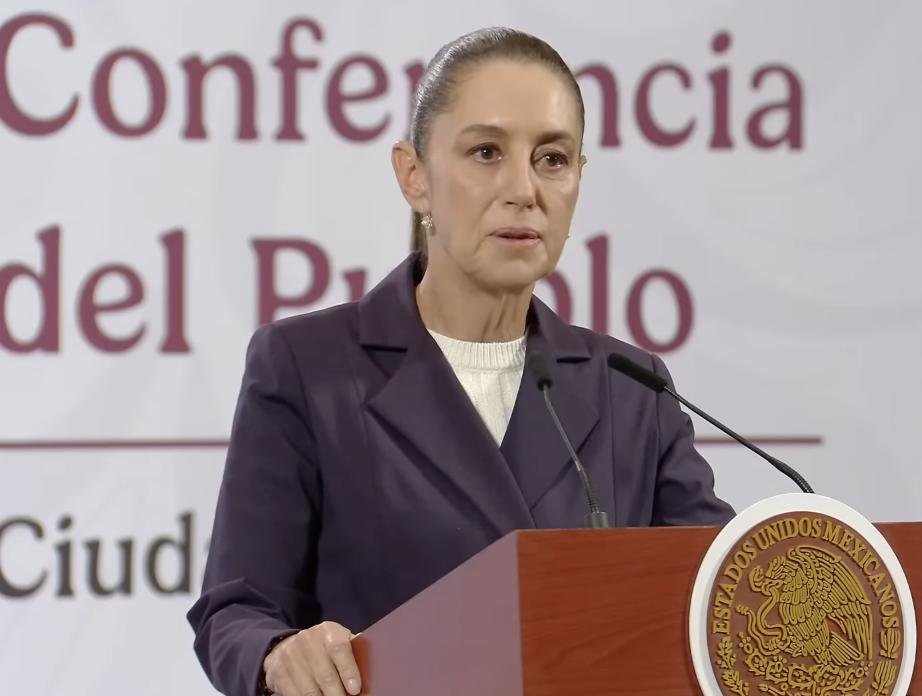
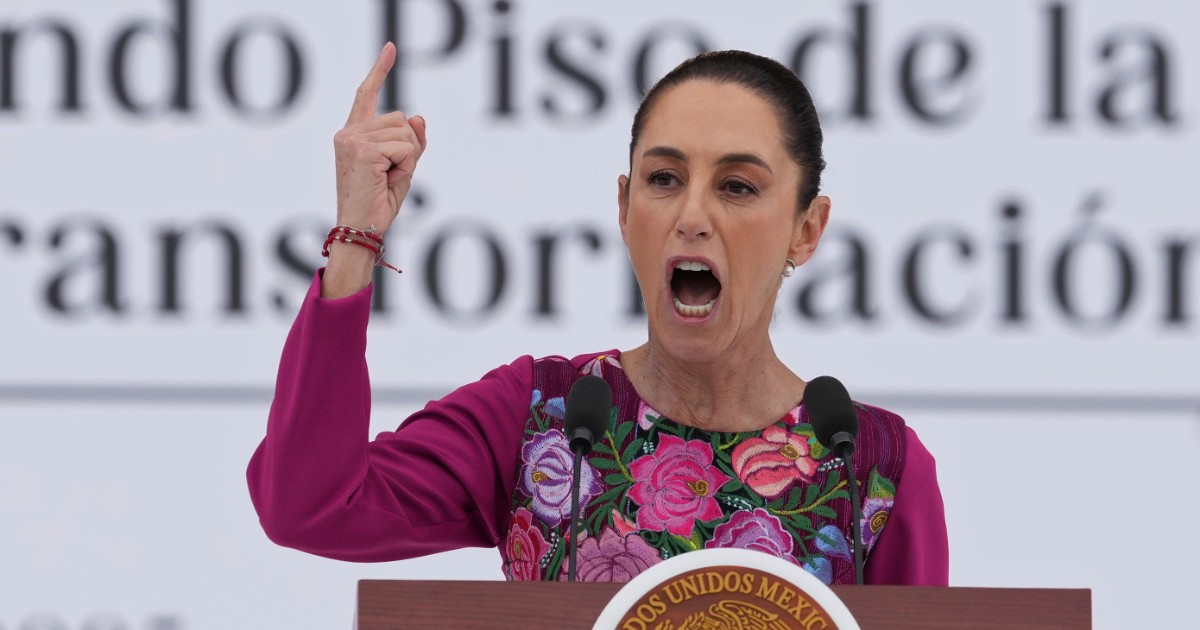
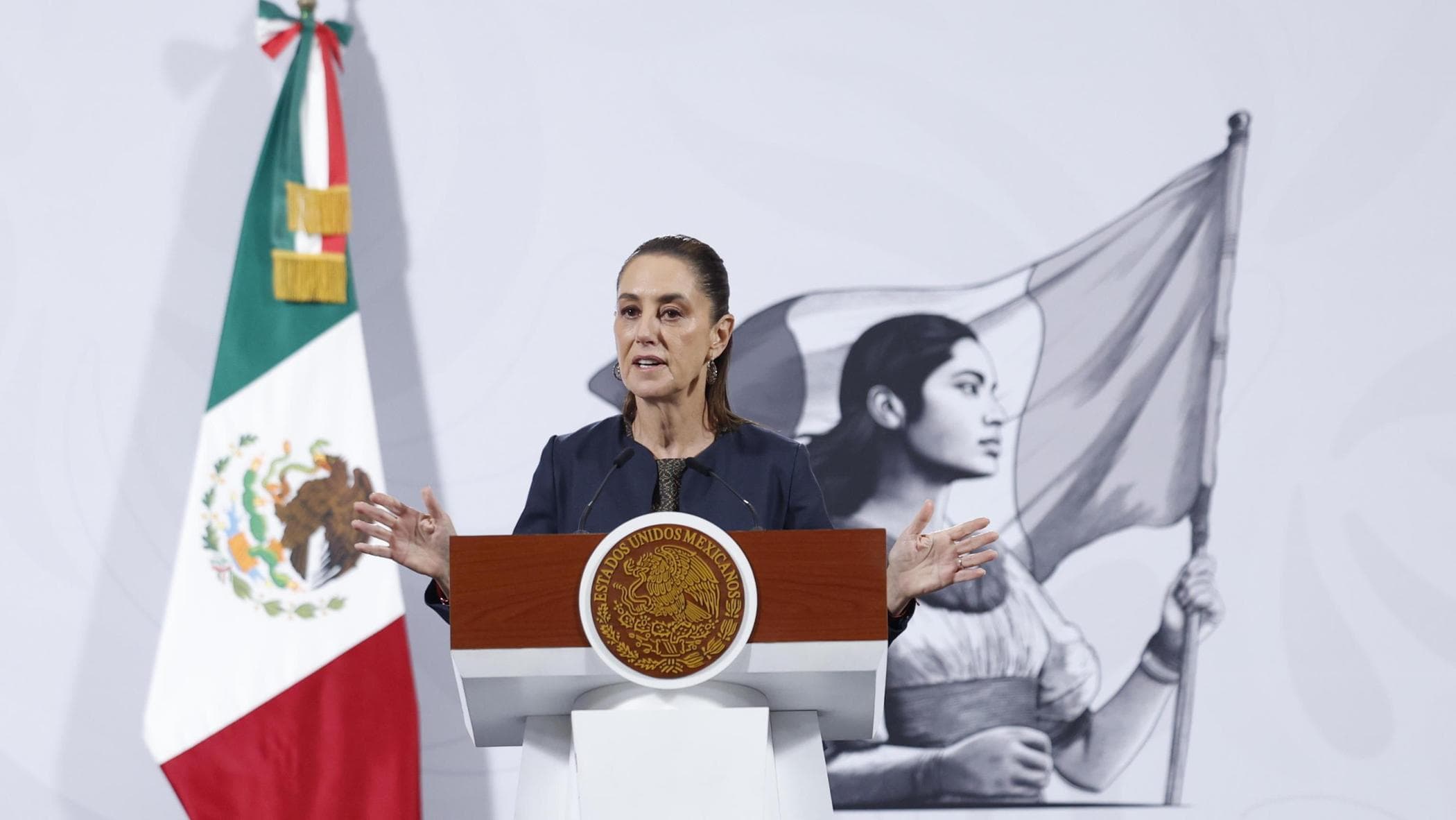
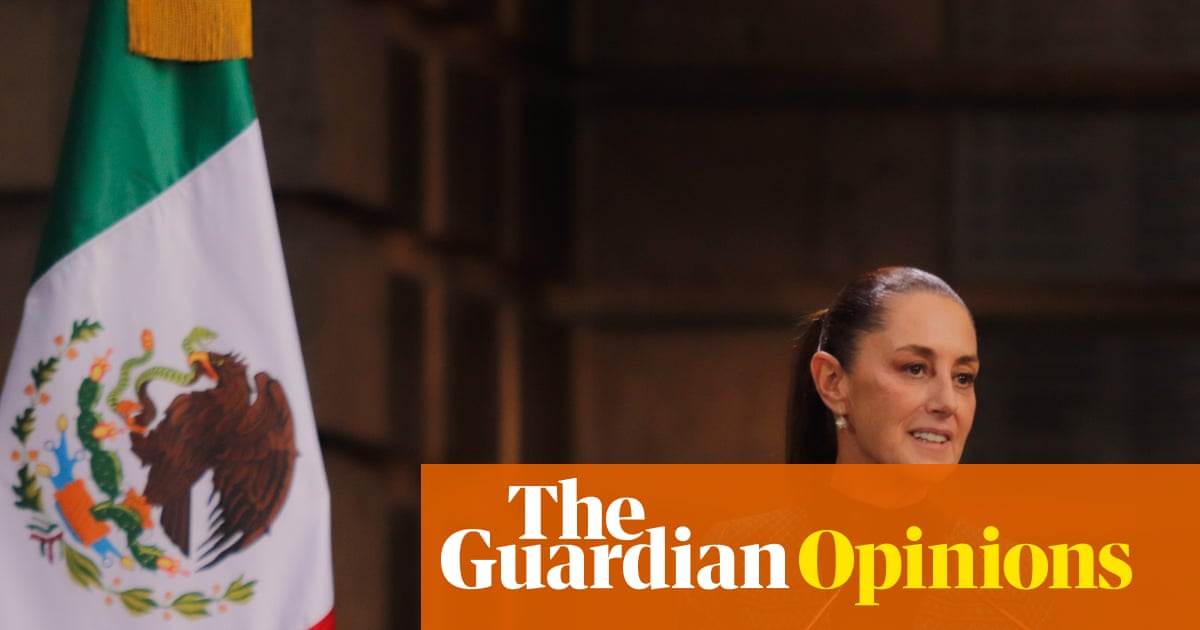
Paradoxically, that helps to explain why the assault of Claudia Sheinbaum, Mexico’s president, has drawn such outrage domestically and internationally. A drunken man tried to kiss her neck and grabbed her chest as she spoke to citizens in the capital’s streets. It is the proof, captured on camera, that no woman is safe. You can be the most powerful person in the land and a man will still feel entitled to grope you, in front of the world, because you are a woman. When you object, some will complain that you are taking it too seriously, or that it is all made up. As Ms Sheinbaum herself remarked: “If they do this to the president, then what will happen to all the young women in our country?”
One in five girls and women in Mexico said they had experienced sexual violence in the community (as distinct from home, schools and workplaces) in the previous year, according to official figures from 2021. Ten women are killed each day. Ms Sheinbaum, like others, has noted the country’s machista reputation previously. But the problem does not end there. In the US and the UK, surveys suggest four out of five women (and two out of five men) have experienced sexual harassment and assault. When those at the top are targeted, it sends a message to all women, and often deliberately so. Whatever their accomplishments – Ms Sheinbaum is also an environmental scientist who contributed to the reports of the Nobel peace prize-winning Intergovernmental Panel on Climate Change – they can be reduced to their bodies.