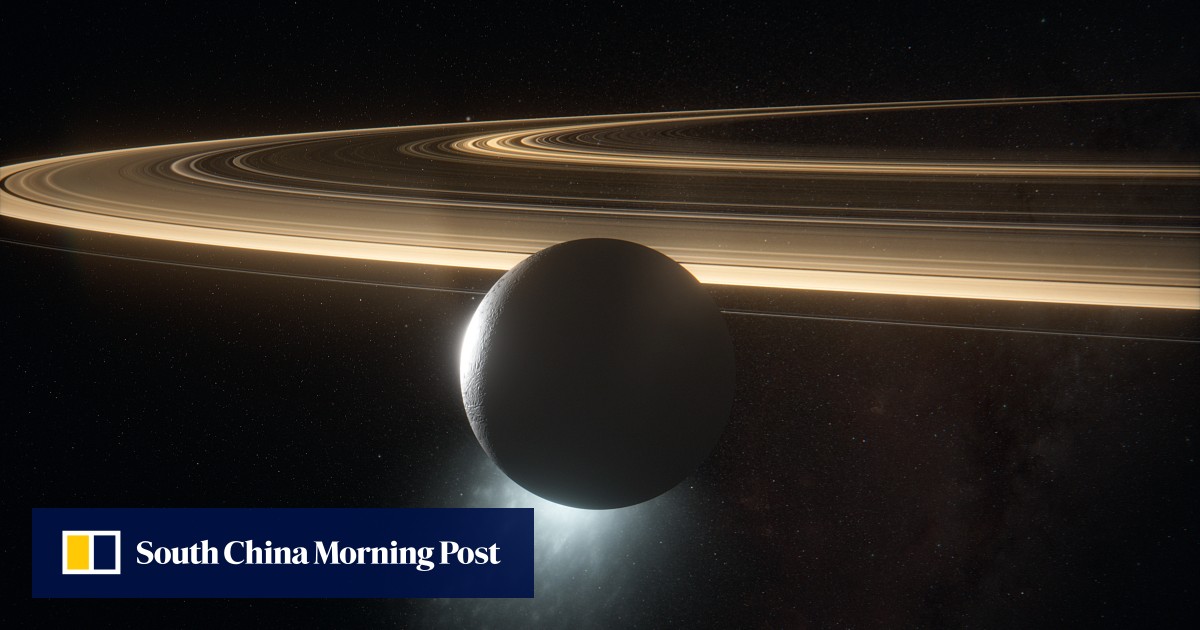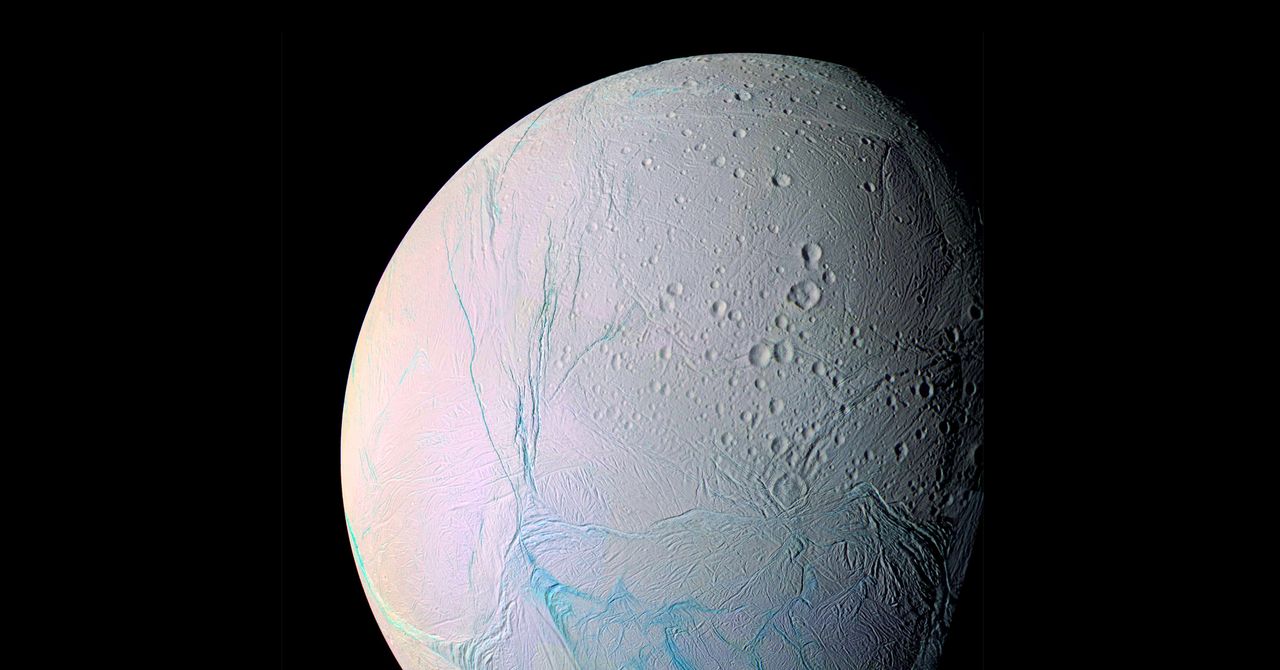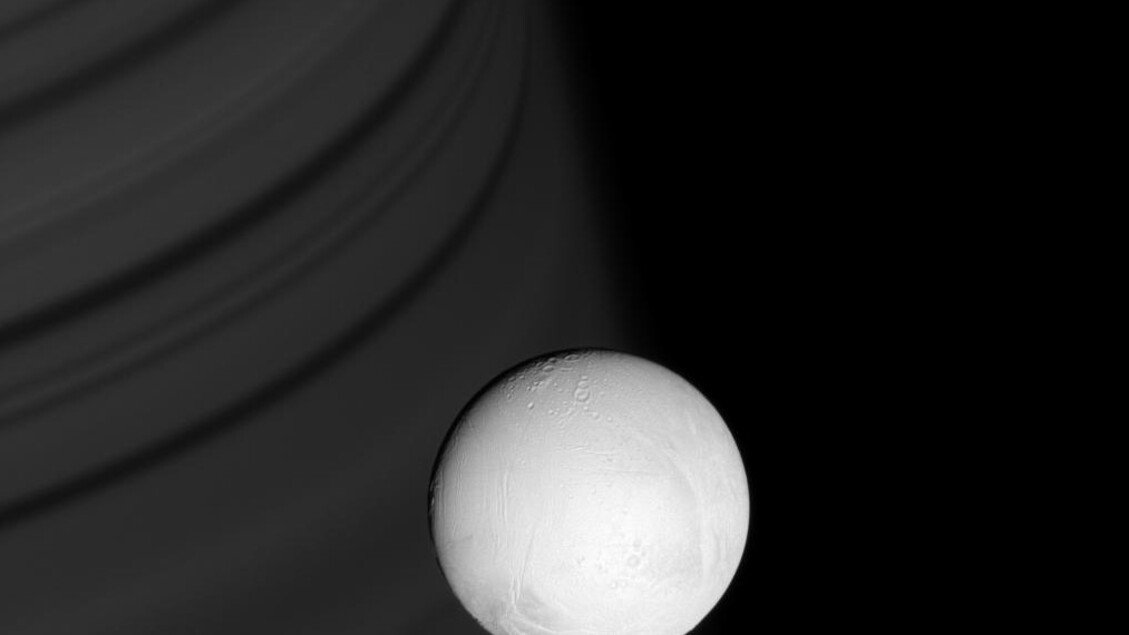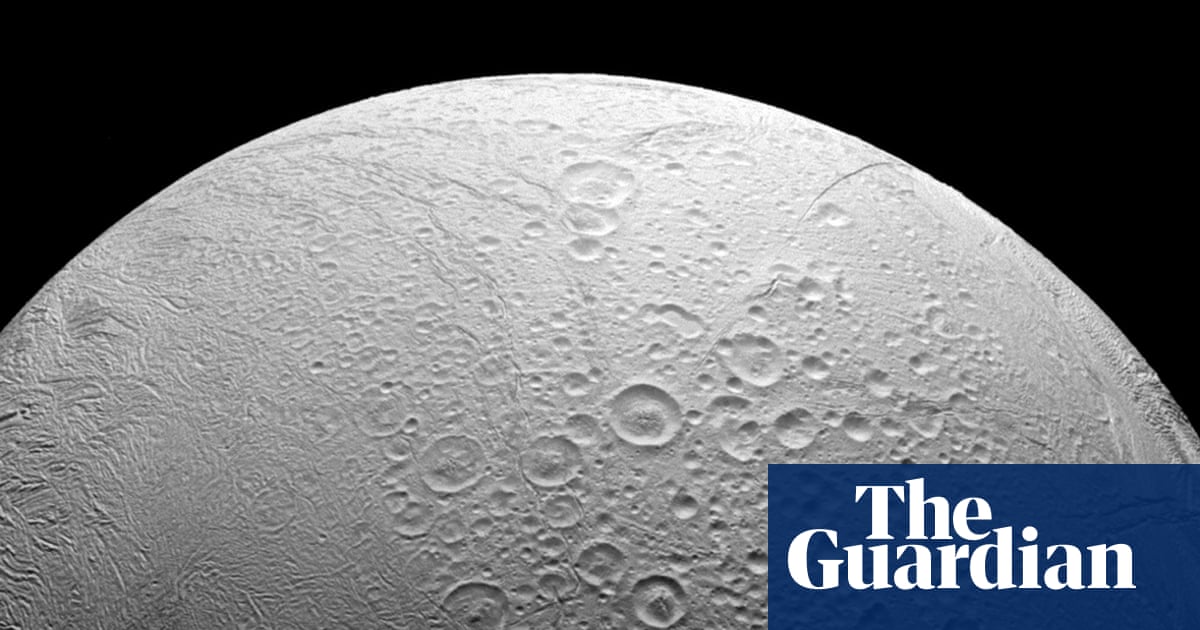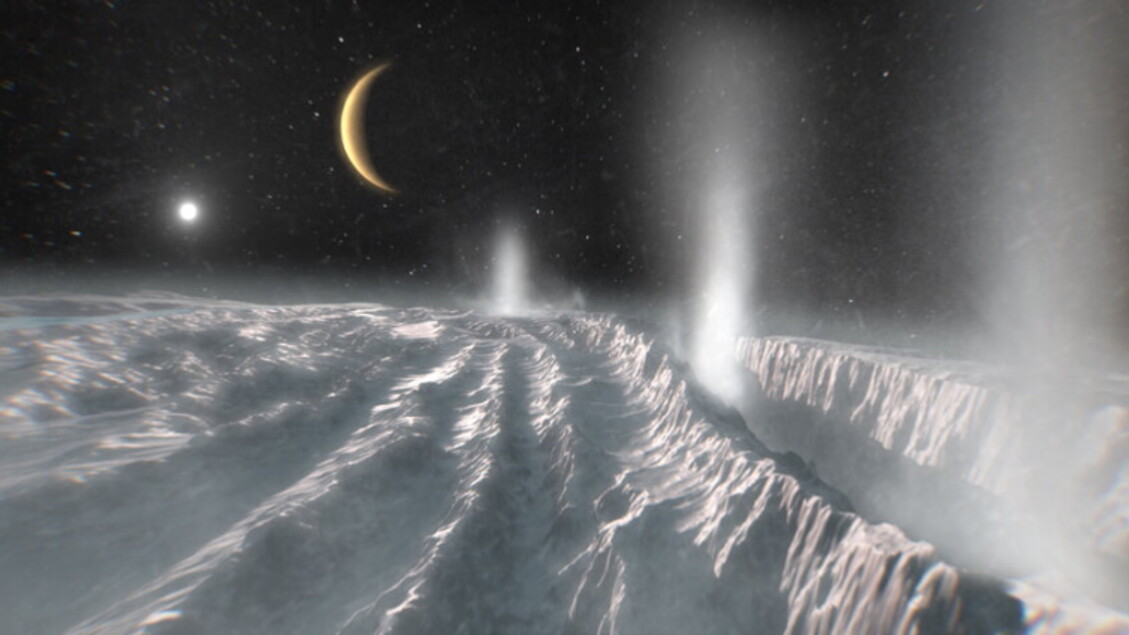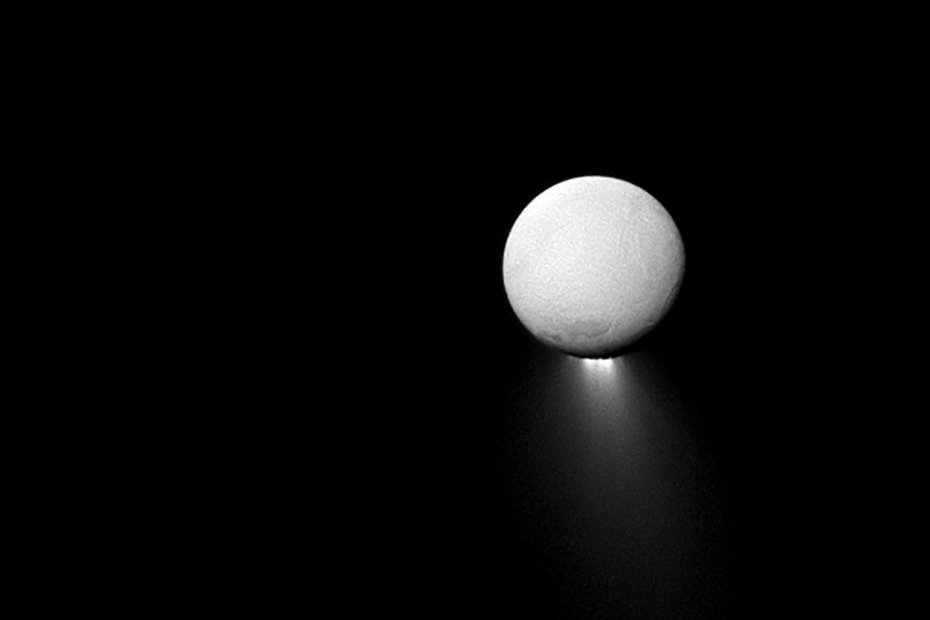
Nov. 7 (UPI) -- Saturn's Enceladus moon might be capable of supporting life, according to data collected by NASA's Cassini mission and compiled in a new study in the Science Advances journal.
The moon is one of the most promising for supporting extra-terrestrial life among Saturn's 274 moons, and data show it is capable of long-term stability that would enable life to develop, the University of Oxford announced Friday.
Researchers from Oxford, the Southwest Research Institute and the Planetary Science Institute in Tucson, Ariz., determined heat is flowing from the north and south poles of Enceladus, which is about 310 miles in diameter.
"Enceladus is a key target in the search for life outside of Earth," said Georgina Miles of the Southwest Research Institute and the study's lead author.
Related