Discovery of wide array of carbon-based substances on Enceladus shows solar system is fertile hunting ground
From tentative evidence of habitable planets to the eyebrow-raising suggestion an interstellar comet might not be what it seems, the possibility of life beyond our solar system has long tantalised scientists and the public alike. But experts say ET is more likely to be found if we search in our own back yard.
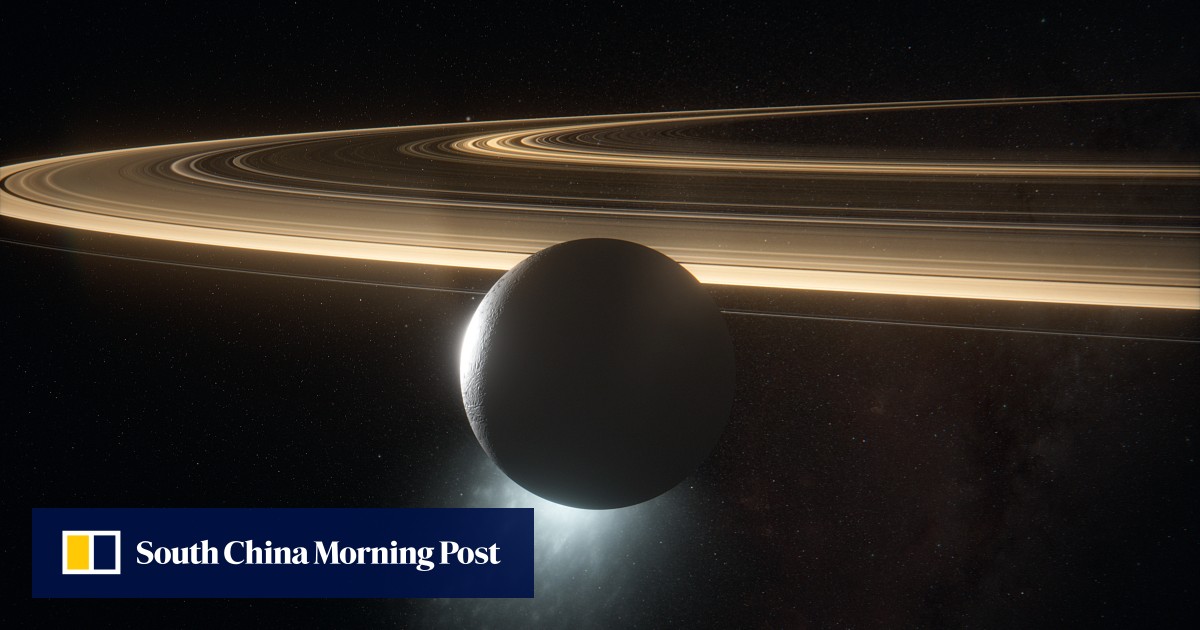
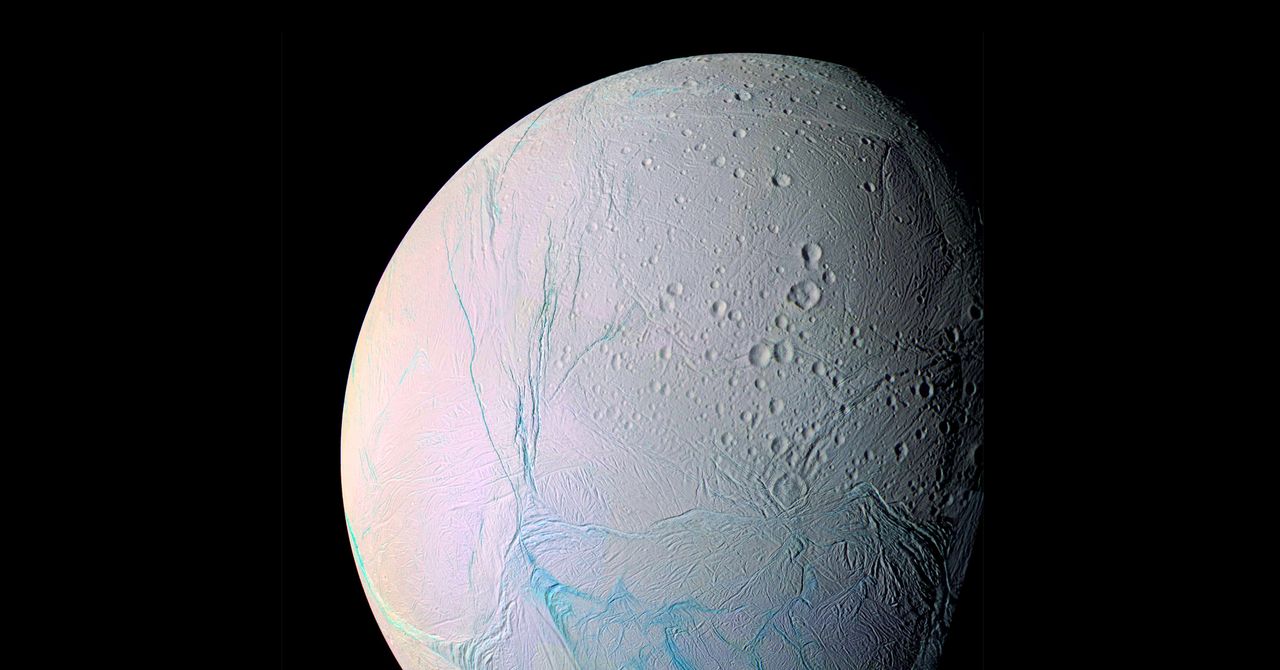
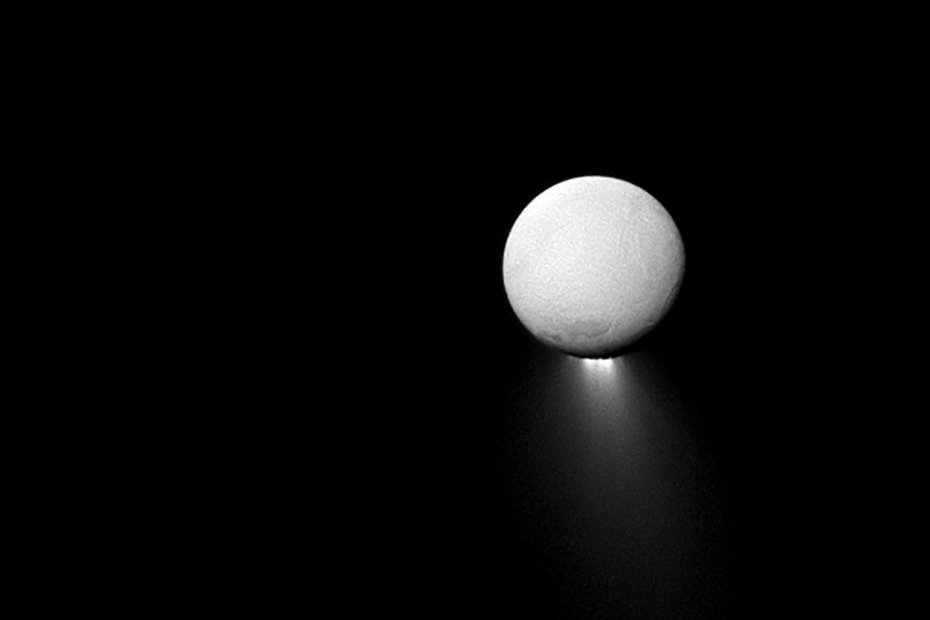
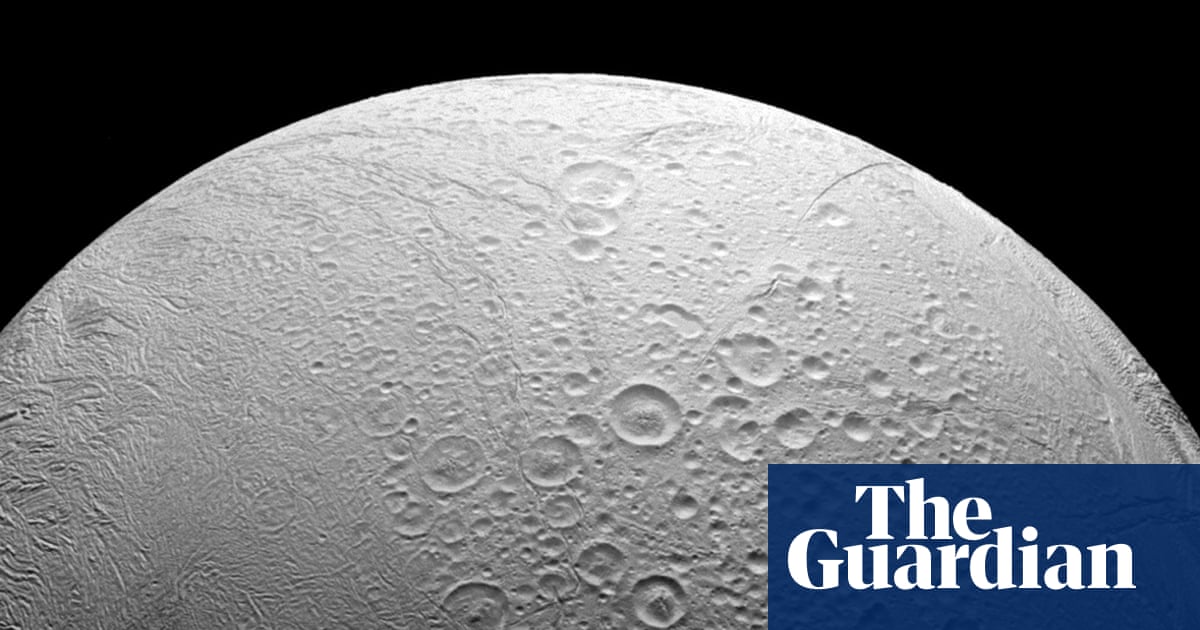
The prospect was revitalised on Wednesday when scientists announced the likelihood has risen that Saturn’s sixth largest moon may be habitable after a study found Enceladus is spewing out a wider array of carbon-based substances than previously known.
“I really like Enceladus because it has all the conditions that are at the same place at the time for life to evolve and to thrive,” said Dr Caroline Freissinet, of the French National Centre for Scientific Research.
As well as complex organic molecules and a deep ocean of liquid water, Freissinet notes that the Saturnine moon is thought to have hydrothermal vents – providing a source of energy – with the pH, salinity and temperature of the ocean within the bounds deemed suitable for life.