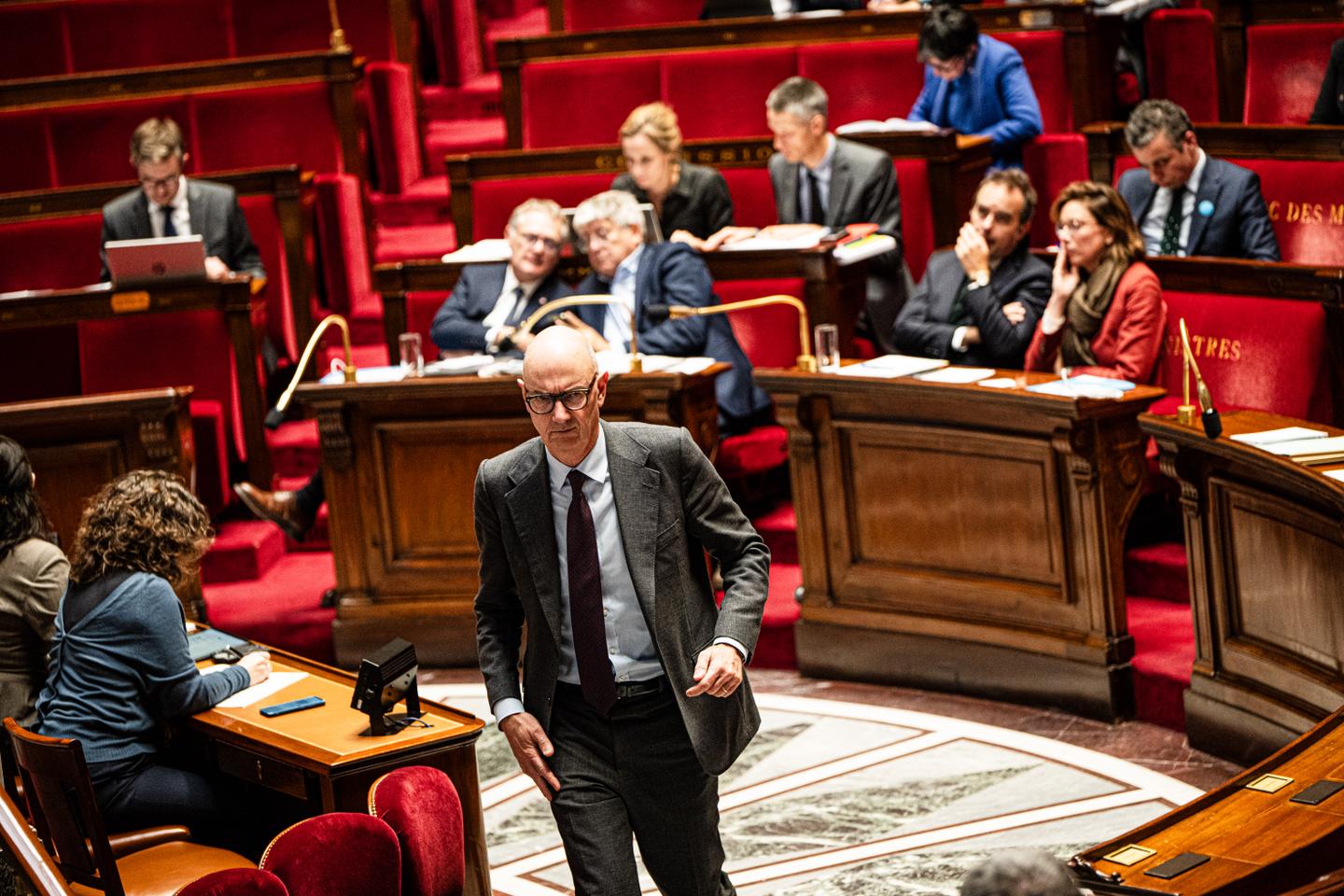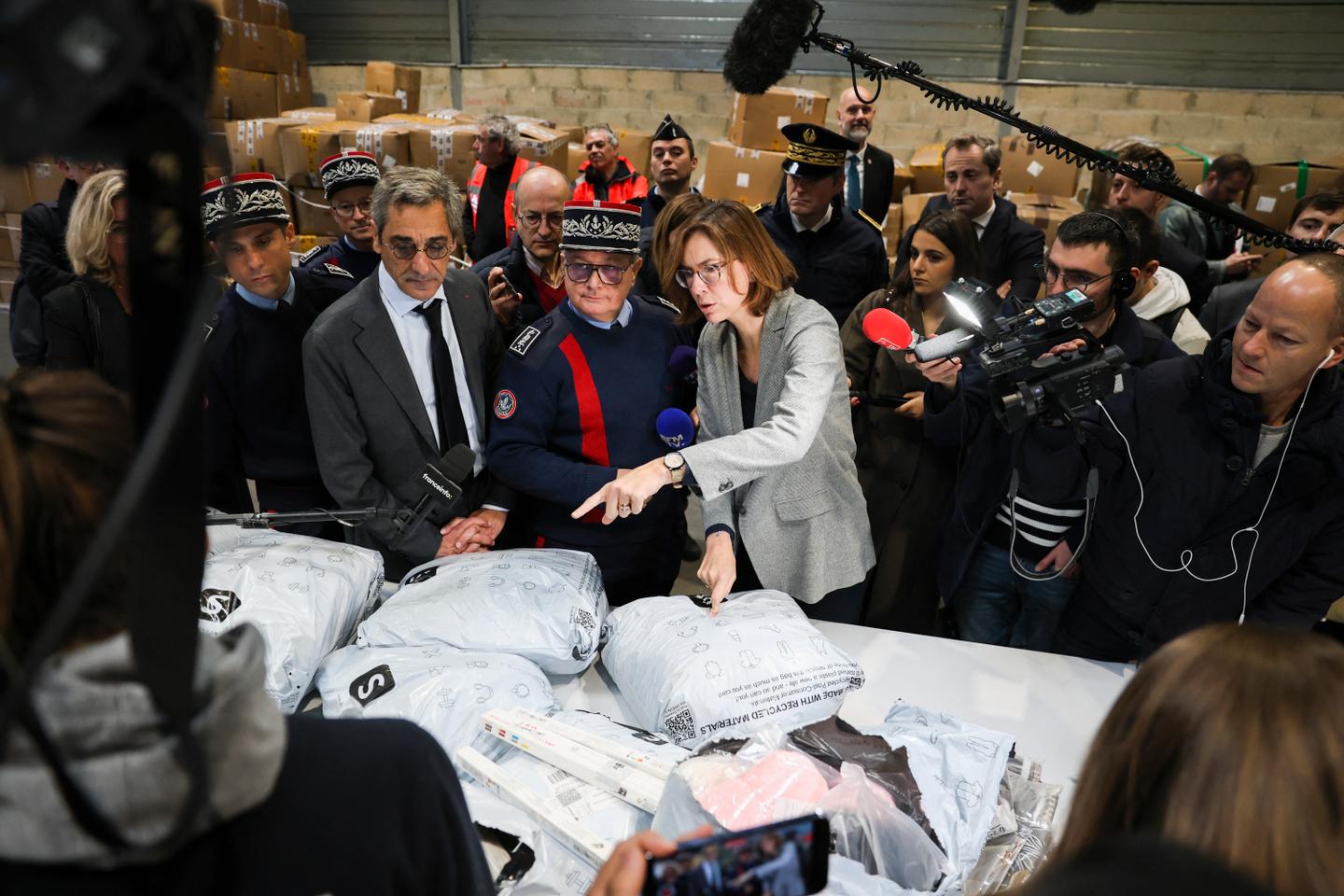
Serge Papin, minister for small and medium-sized enterprises, and Amélie de Montchalin, minister for public accounts, at Roissy-Charles-de-Gaulle Airport during a customs inspection of Shein parcels in Roissy, France, on November 6, 2025. JEREMY PAOLONI /ABACA
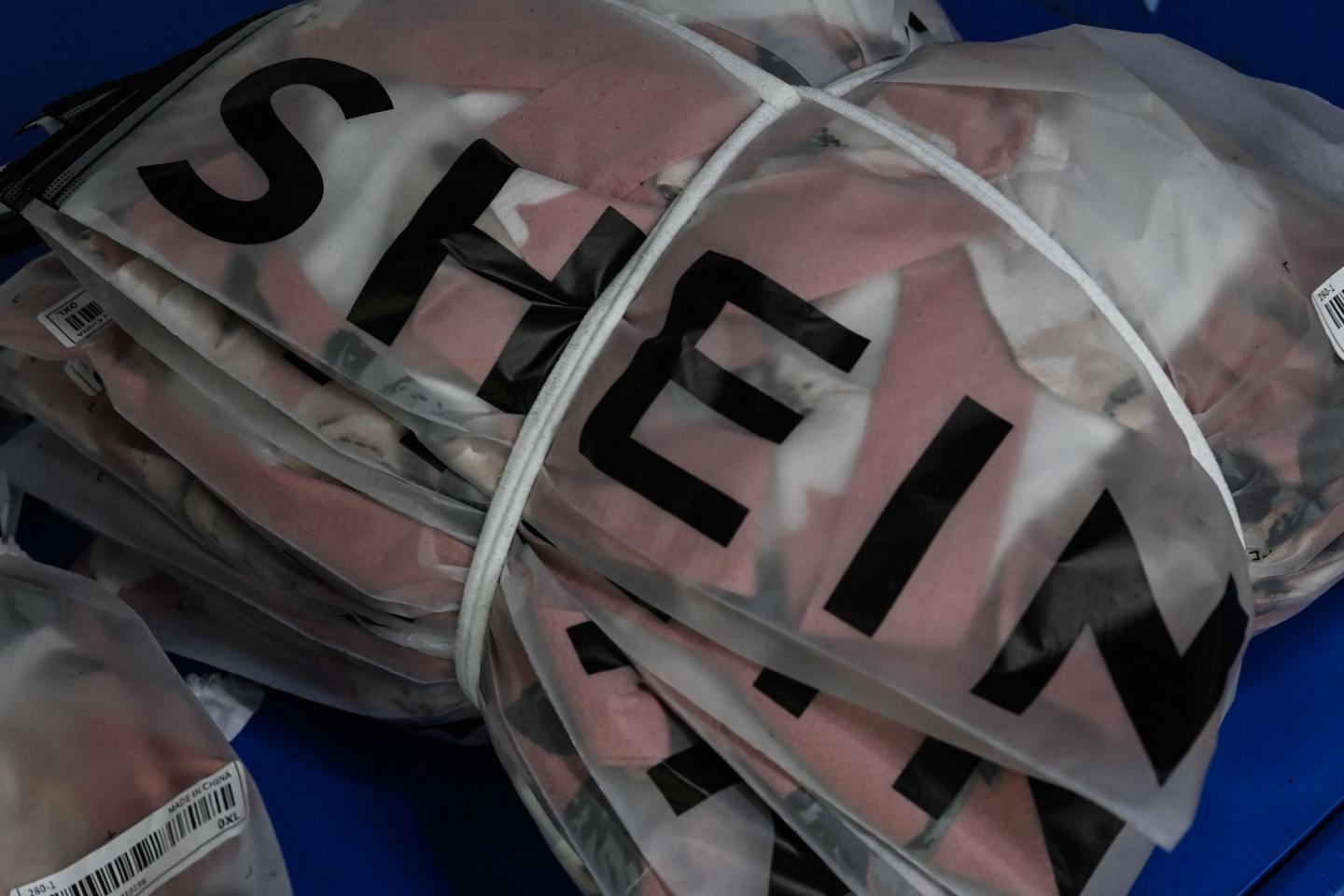
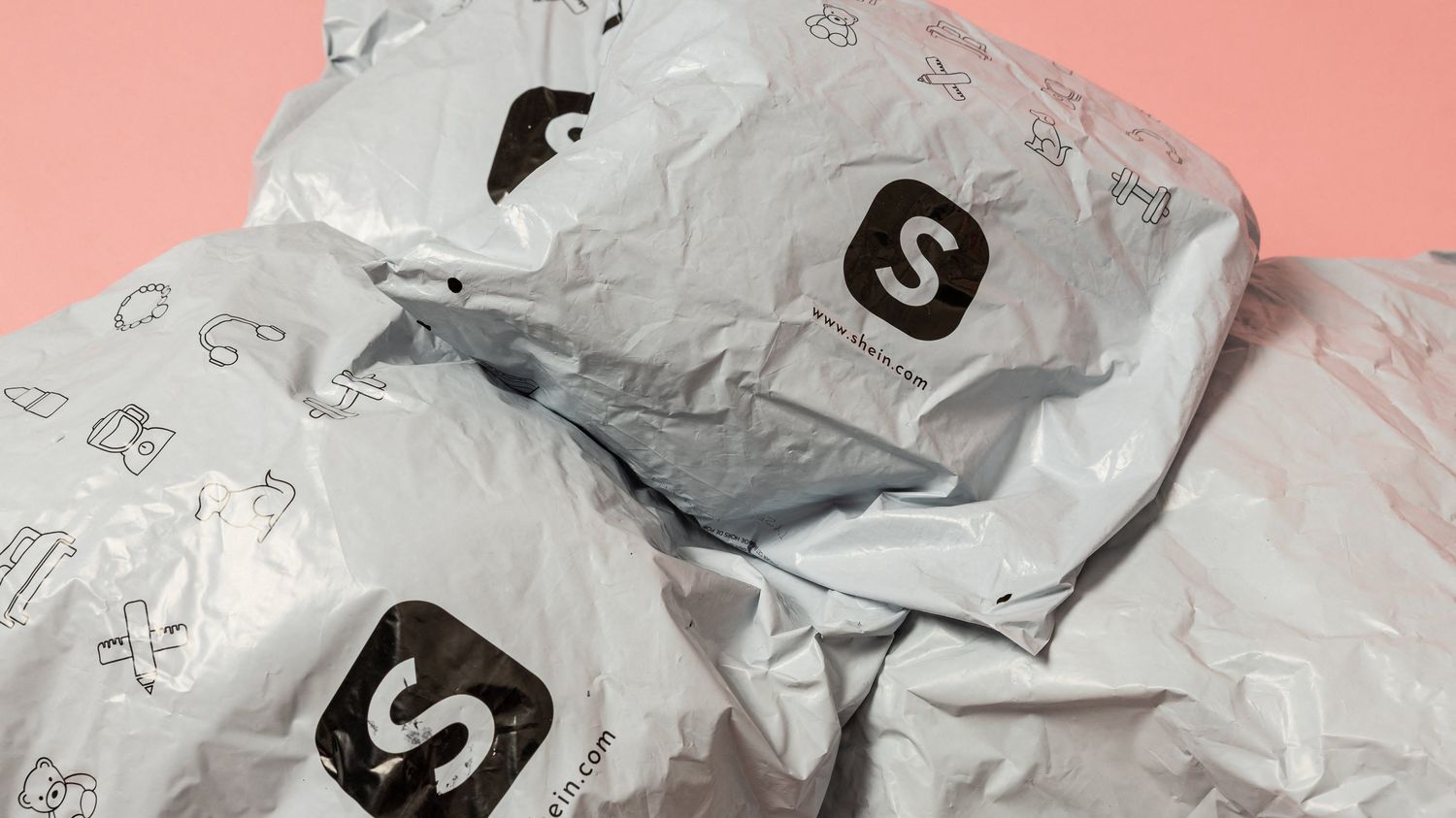
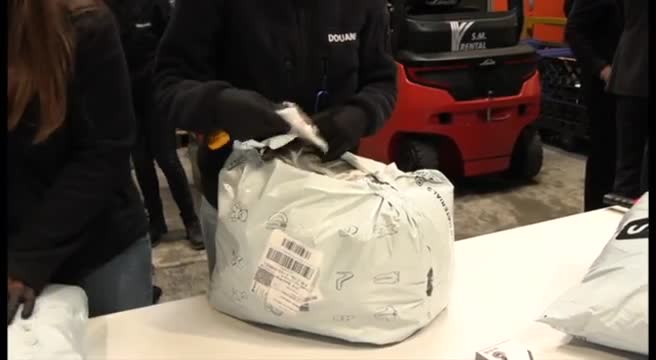
Christmas garlands, miniature toy cars, laser pointers, anti-wrinkle cream, piles of clothes, teeth-whitening powder, faucets. After a quick slice with a box cutter, each bag stamped with Shein's black and white logo spilled its treasure – items worth just a few euros – onto the vast metal table, as jet engines made the walls tremble.
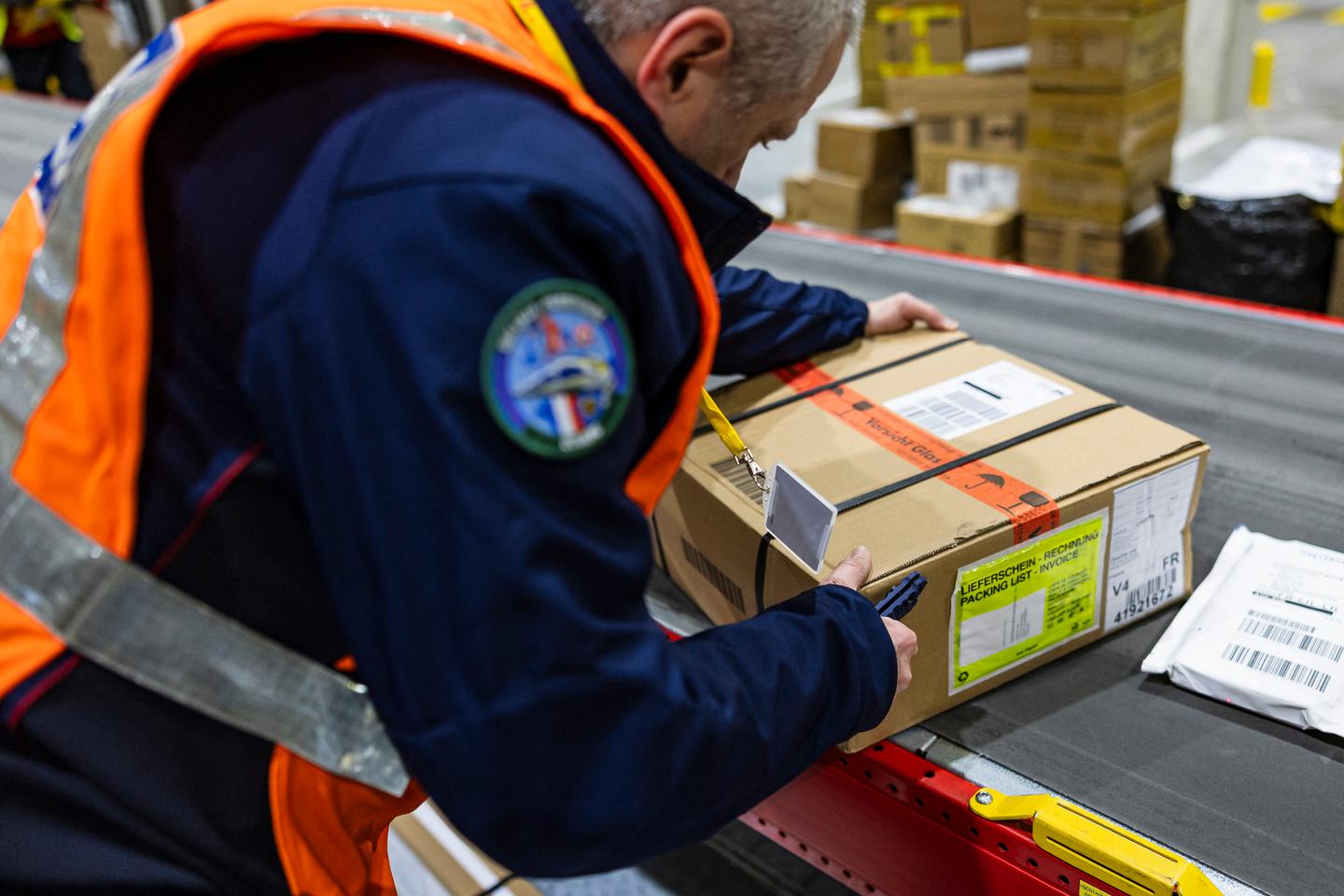
On Thursday morning, November 6, in a warehouse in the Roissy-Charles-de-Gaulle logistics zone, battalions of customs officers launched a large-scale operation at the government's request. Their target? Shein, the Chinese platform that has become a public enemy for the French authorities. More broadly, the operation focused on major e-commerce sites flooding Europe with cheap goods and fiercely competing with traditional retailers.
The immediate goal was to inspect every single Shein package arriving overnight and throughout the day – a haul delivered by several planes. Between 100,000 and 200,000 packages needed to be opened and checked, when only a tiny fraction are usually inspected. "This will take us a month," estimated Gilbert Beltran, head of customs for Paris airports. That meant a month spent examining all sorts of Chinese goods, hunting for counterfeits and problematic items – like the childlike sex dolls or machetes spotted on the site just days earlier – or testing with a metal tube mimicking a child's trachea to see if certain toys could be swallowed by accident.