https://arab.news/82eym
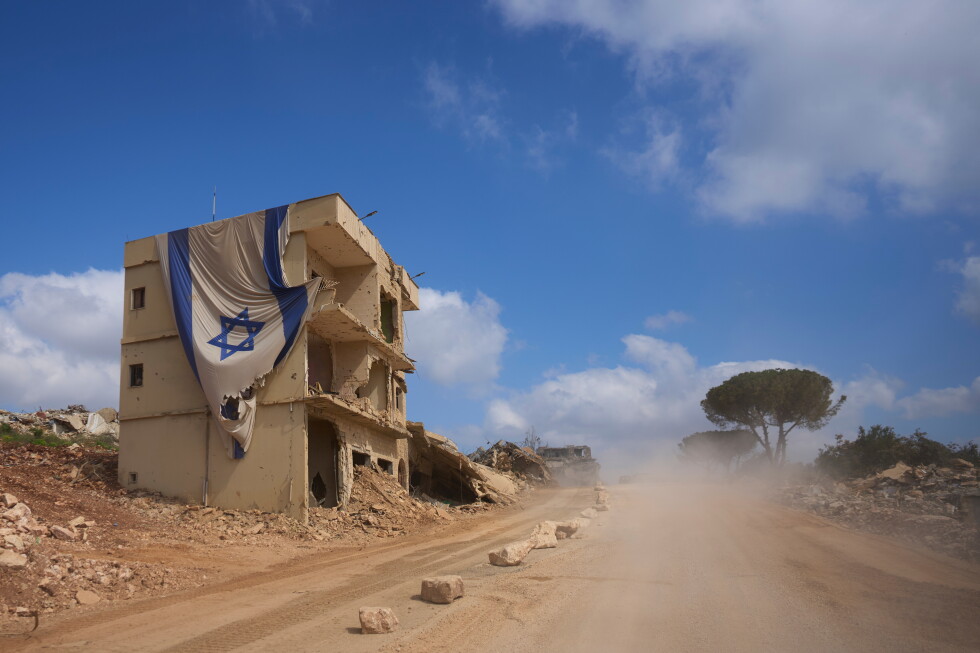
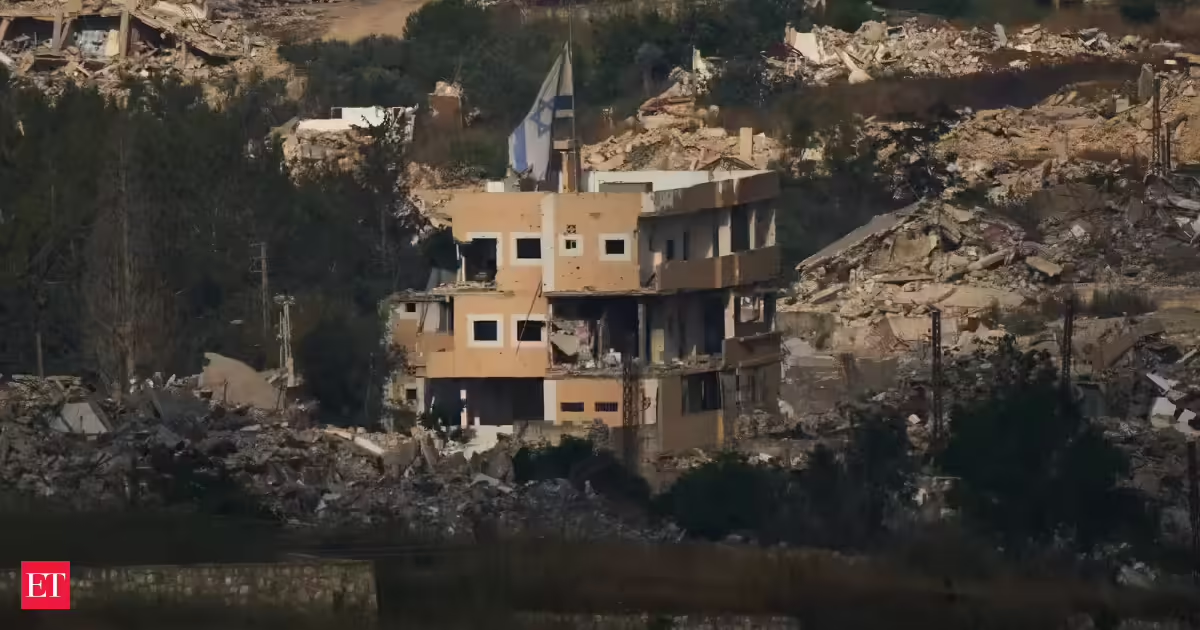
In 2000, after 22 years of occupation, Israel withdrew from southern Lebanon. Following this swift withdrawal, Israel’s proxy, the South Lebanese Army, collapsed and let the Iran-backed group, Hezbollah, take control of its territories. It was hence Hezbollah, not the Lebanese state, that took over.
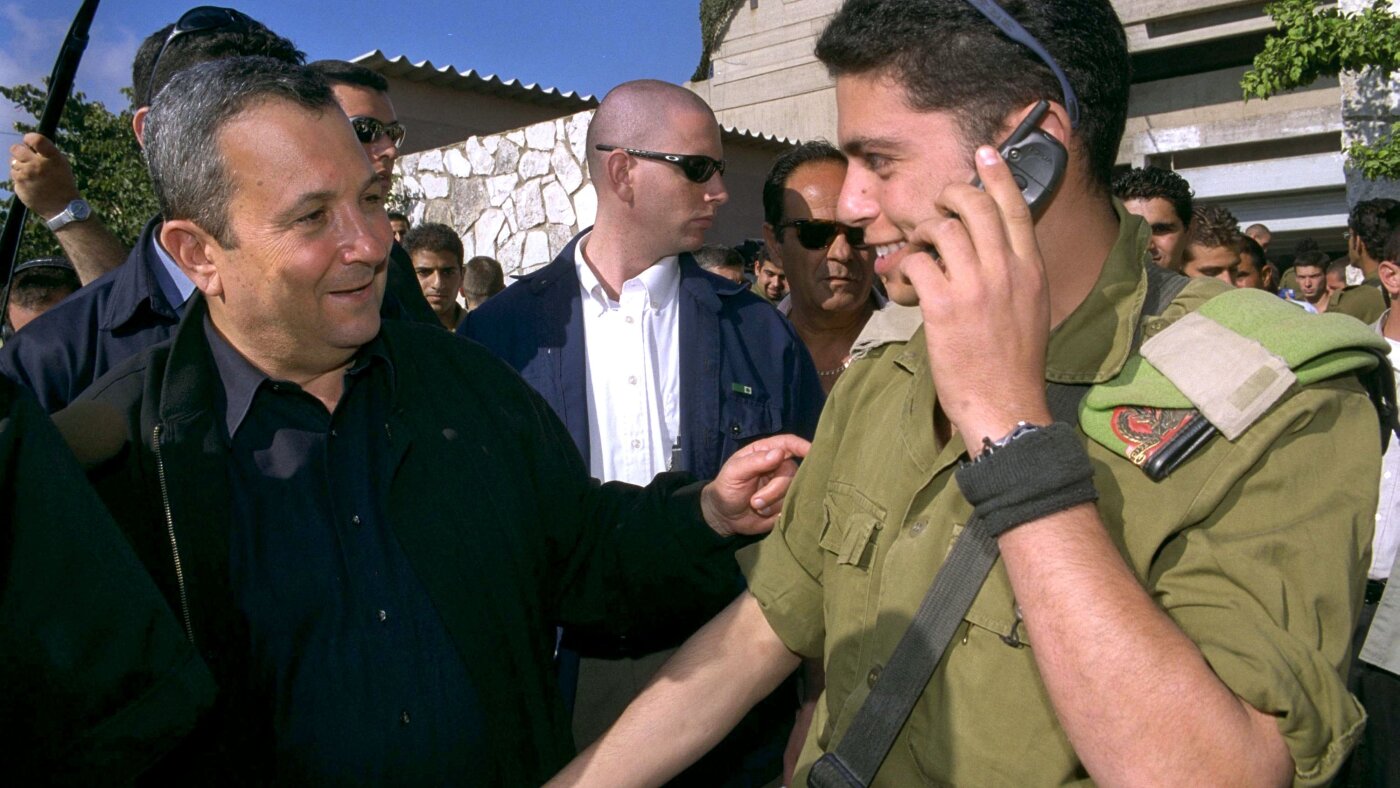
Israel’s unilateral withdrawal, ordered by Prime Minister Ehud Barak, ended a very costly presence with no significant gains. During its occupation, Israel lost about 1,000 men and the financial cost was in the billions of dollars. Barak wanted to do the same in Gaza and, in October of the same year, the Second Intifada started. It was Ariel Sharon who in 2005 disengaged Israel from Gaza, with Hamas taking over. In both theaters, Israel’s unilateral withdrawal reduced the intensity of conflict but left Hezbollah and Hamas in real control.
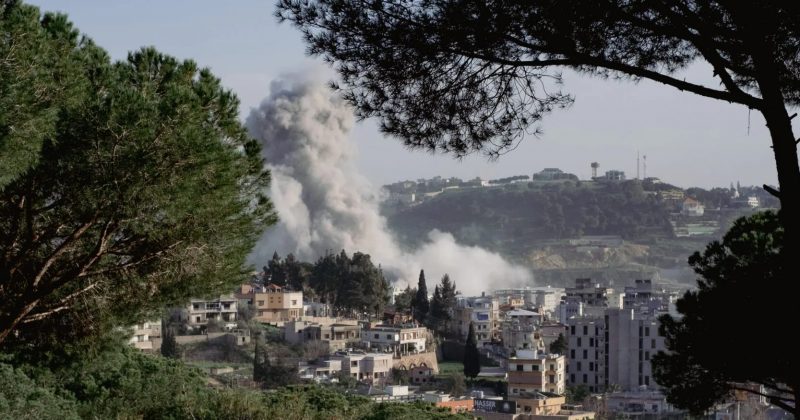
In Lebanon, despite a few skirmishes, Hezbollah and Israel respected certain rules of engagement, such as the UN-demarcated Blue Line, as well as ensuring any retaliation was proportional and localized. This lasted until 2006, when Hezbollah followed Hamas and decided to join the war, and then again in 2023. Without going back through all the events, the Israeli withdrawal empowered Hezbollah from the start.