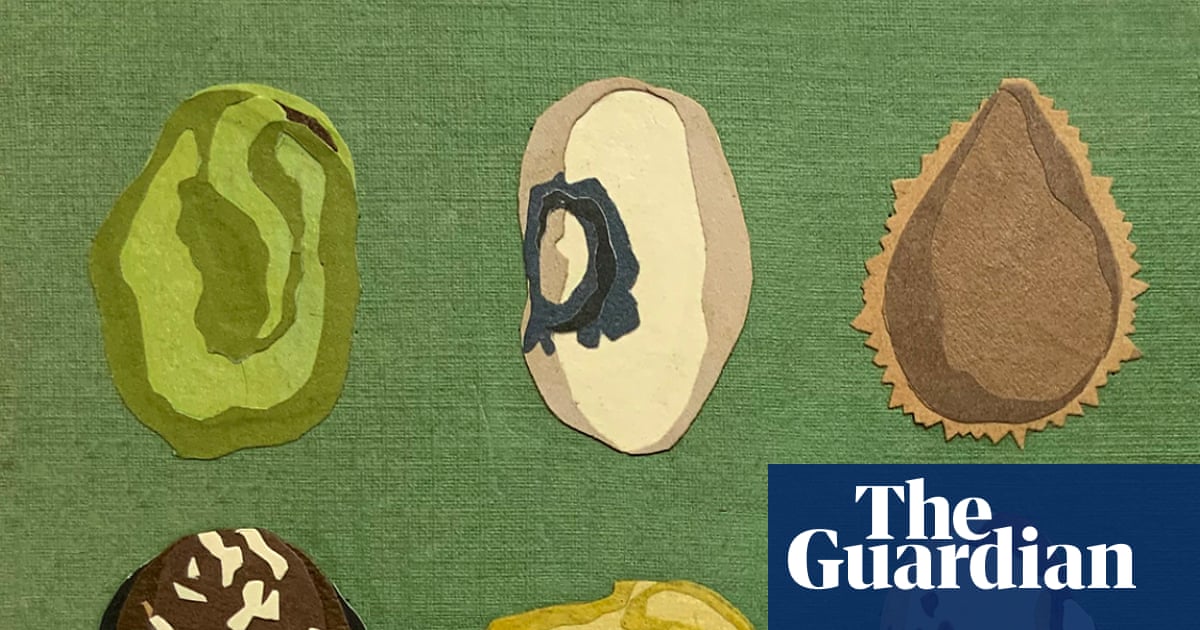
Research shows beans are good for the body and for the planet. Here’s what to know about getting more in your diet
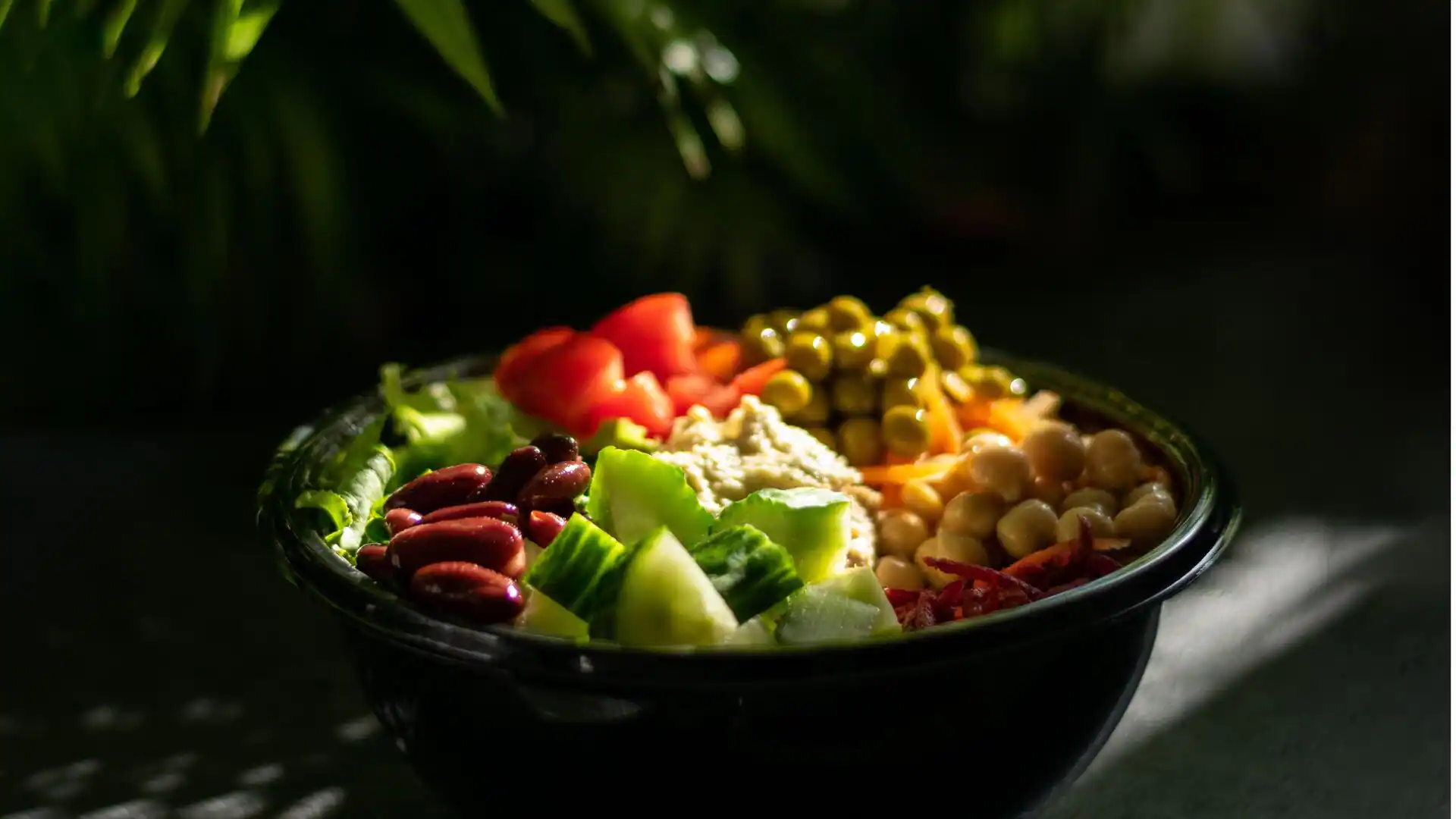
Beans are affordable, accessible and versatile – delicious in dense salads and creamy sauces alike.
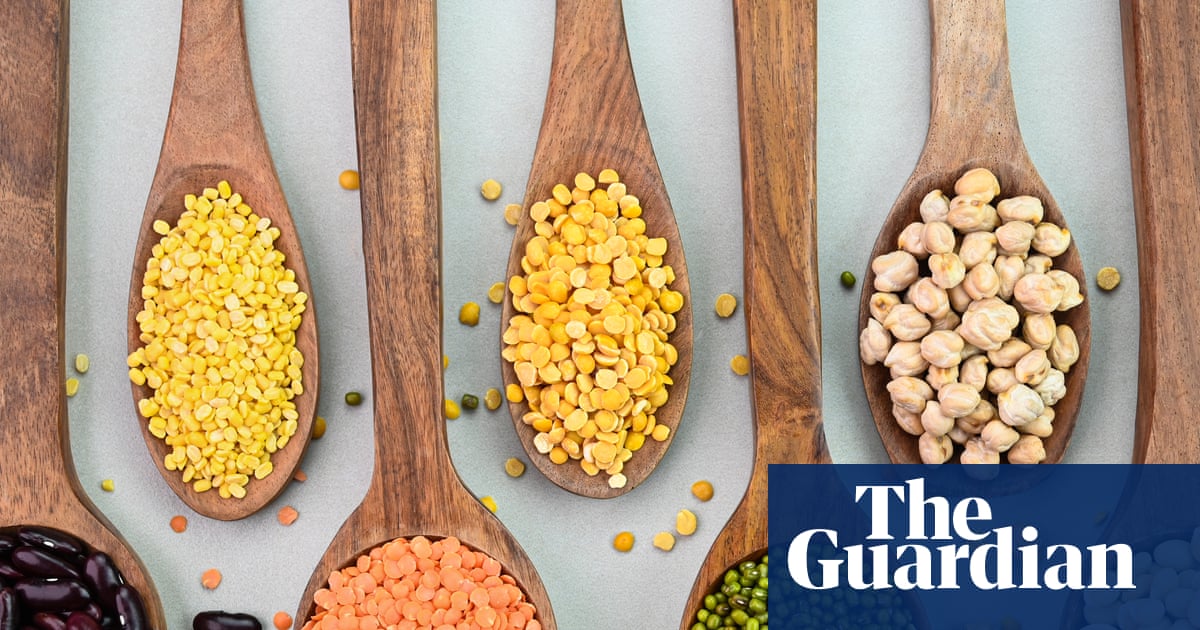
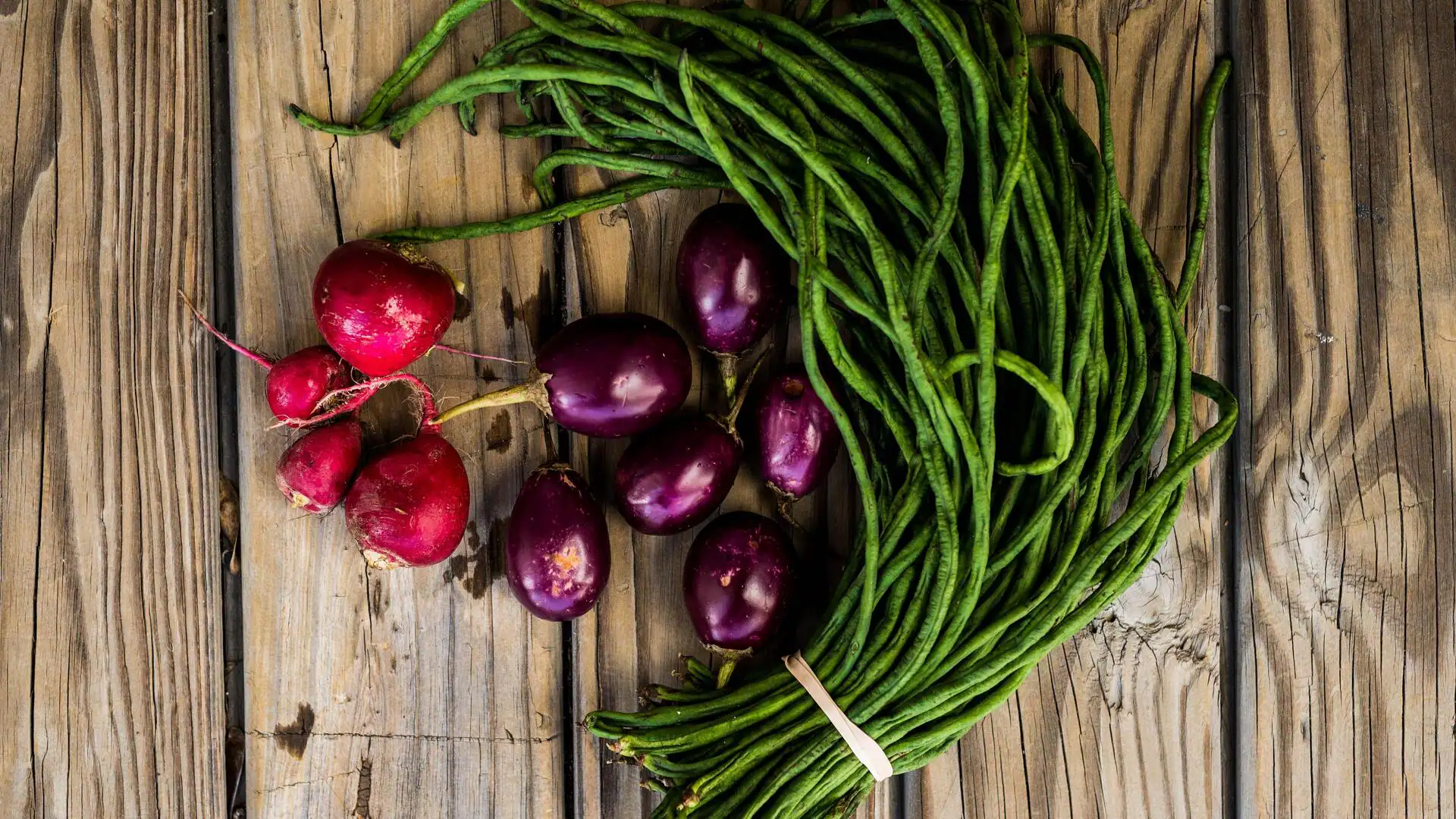
They grow worldwide and are good for the planet, enriching the soil they sprout from with nitrogen while emitting fewer greenhouse gases and requiring significantly less land and water per gram of protein than any animal source. Thanks to enormous diversity, more than 400 varieties are used in culinary contexts, some of which are gorgeous to boot.
Yet fewer than 20% of Americans eat the daily half cup of beans recommended by health authorities, and in the UK more than 40% of the population eat no beans at all. Crucially, they are healthy – with a capital “H”. What makes them so? And should we make way for more beans in our diet?
Beans “definitely don’t get enough love, in my opinion”, says Roxana Ehsani, a Miami-based registered sports dietitian, “but they’re really a true nutritional powerhouse.” That’s because beans are a good source of both fiber and protein while being free of saturated fat, says Ehsani. One cup of cooked beans will net you around 18g of protein, about 32% of the daily recommended amount for a 155lb adult.