Want to consume more gut-friendly fibre, as well as minerals, vitamins and antioxidants? Like the idea of a more sustainable diet? Here is the answer - and baked beans are only the start
Worried about rising food prices, your diet’s carbon footprint or whether you’re eating healthily enough? Believe it or not, there could be a magic bullet: pulses.
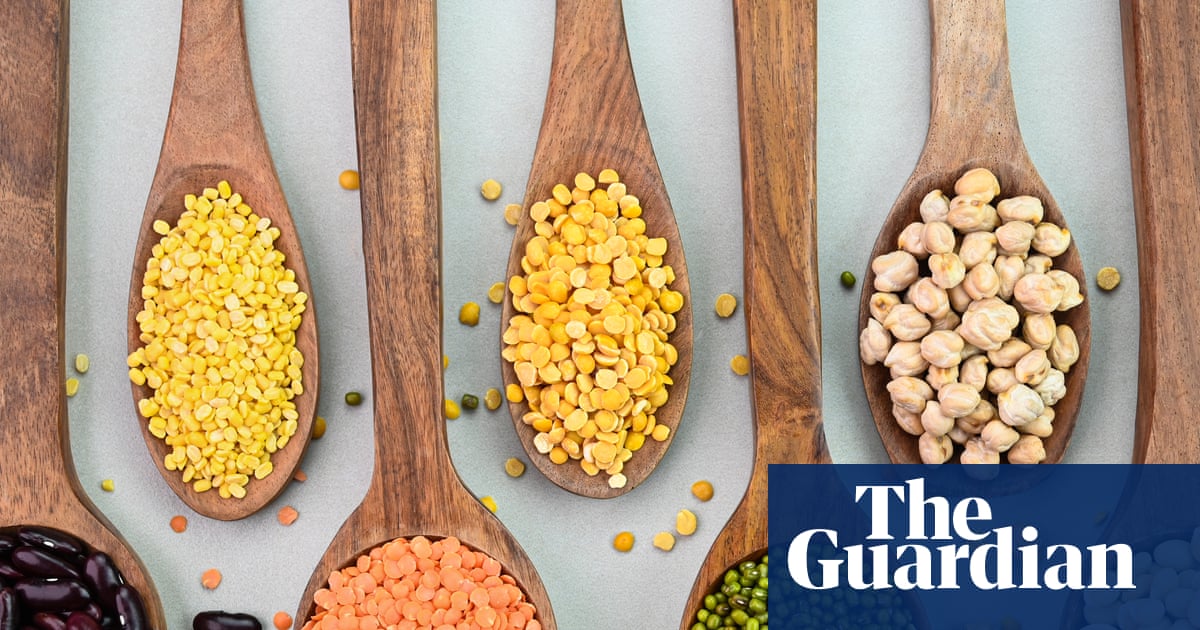
According to a study by the University of Reading, published in the European Journal of Nutrition in March, adults who eat more pulses – dried beans, peas and lentils – have a higher intake of nutrients including fibre, folate and vitamins C and E; minerals such as iron, zinc and magnesium; and a lower intake of saturated fat and sugar. Similar results have been found in American, Australian and Canadian research.
The UK study also found that eating pulses was associated with a more sustainable diet. In her book, Pulse: Modern Recipes with Beans, Peas & Lentils, Eleanor Maidment explains that growing pulses has a positive effect on the environment. “Many are ‘nitrogen fixers’, meaning they have the ability to convert nitrogen in the atmosphere into a form that can be used in the soil, making it more fertile for other crops,” she writes. Justine Butler, the head of research at Viva!, says: “The lowest-impact beef still creates six times the greenhouse gases and uses 36 times more land per gram of protein than peas.”