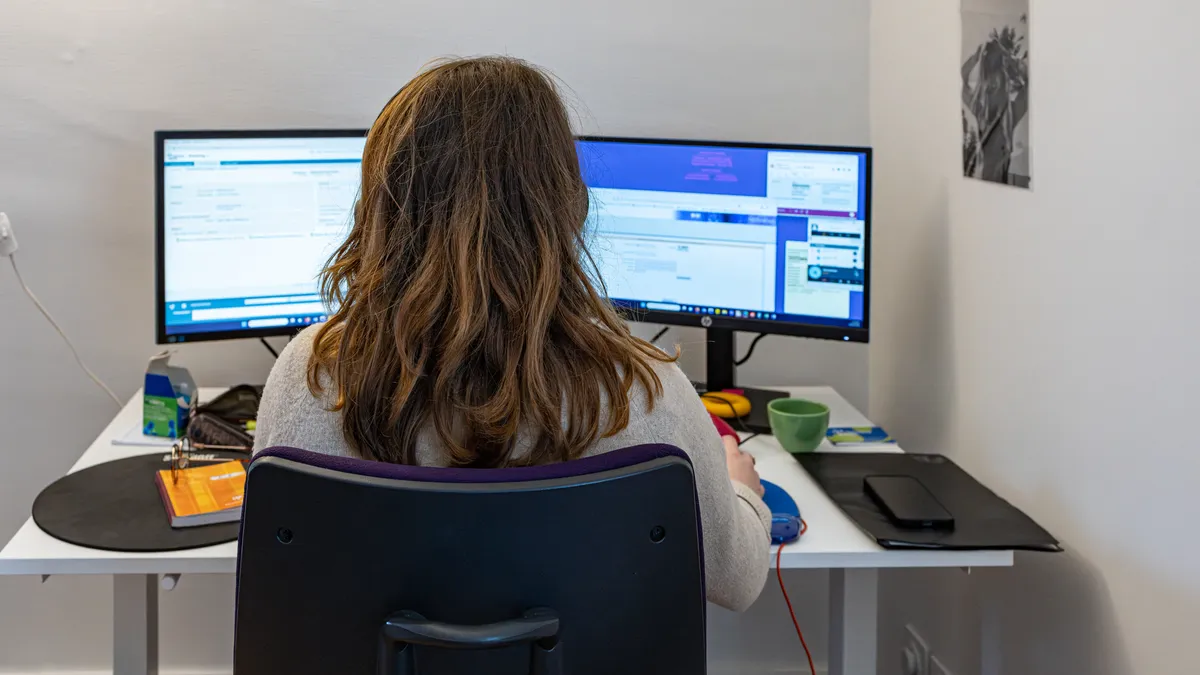
When technology executive Logan Maley returned to the office after her first child in 2018, she had an ideal setup: She worked four days a week in a private office with a mini fridge and blackout blinds so she could pump milk at her desk, but her heart still broke being away from her infant daughter.
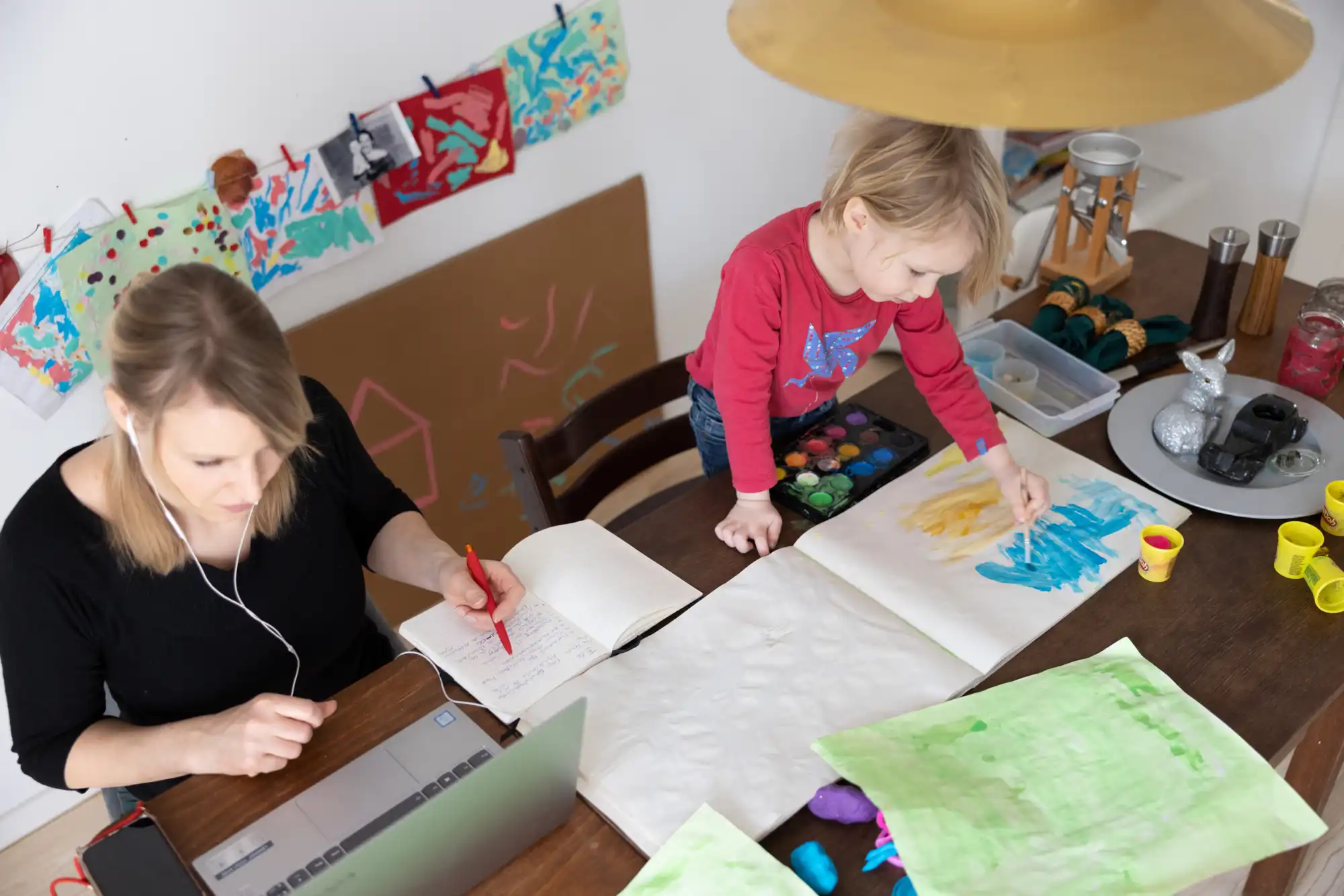
Then came the COVID-19 pandemic. She could have breakfast and lunch with her daughter and put her down for naps. She stopped missing so many firsts. And Maley said she was not just more fully present at home, she was more productive and focused at work.
No longer torn between being professionals and parents, she and her husband decided the time was right to have a second child. “We were both at home and we thought we might as well while the world is falling apart,” Maley said.
Researchers heard that sentiment so often, they decided to study it. They say their findings suggest a “positive relationship” between the recent trend in remote and hybrid work schedules and having kids.
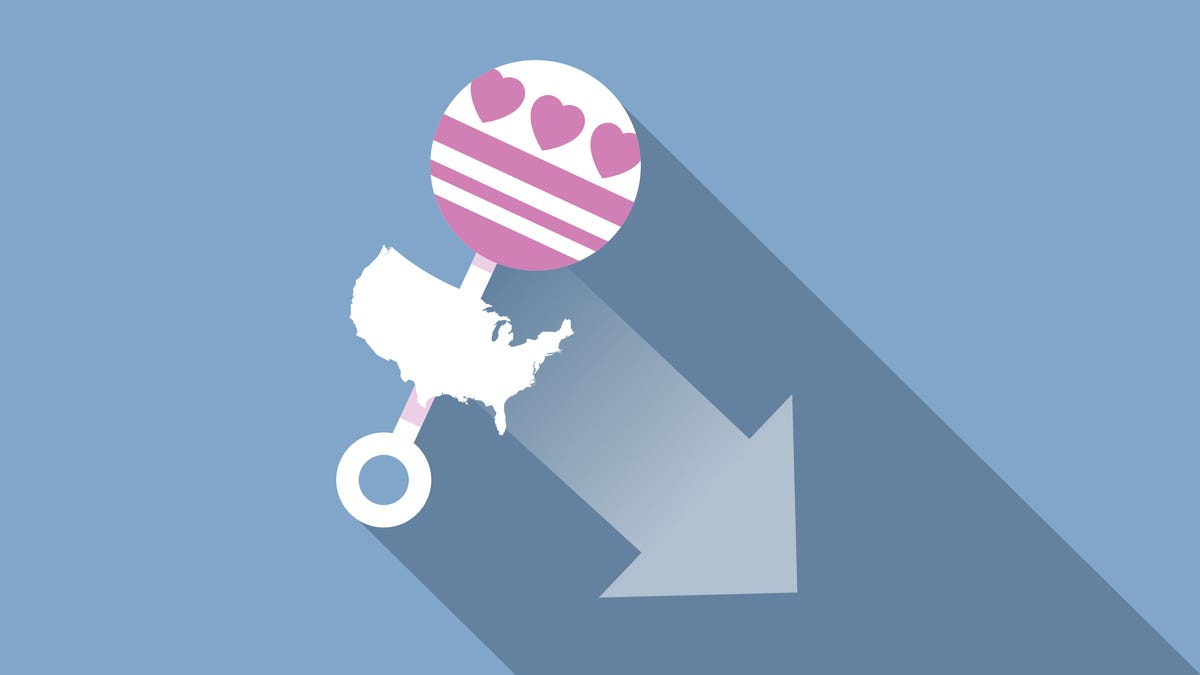
Since the baby boom ended in the early 1960s, Americans have had fewer and fewer babies. In 2024, the birth rate fell to an all-time low, with American women having on average 1.6 babies each, according to the Centers for Disease Control and Prevention’s National Center for Health Statistics.