A risky mortgage instrument that helped spark the Global Financial Crisis is on the rise, but three things are different this time around.
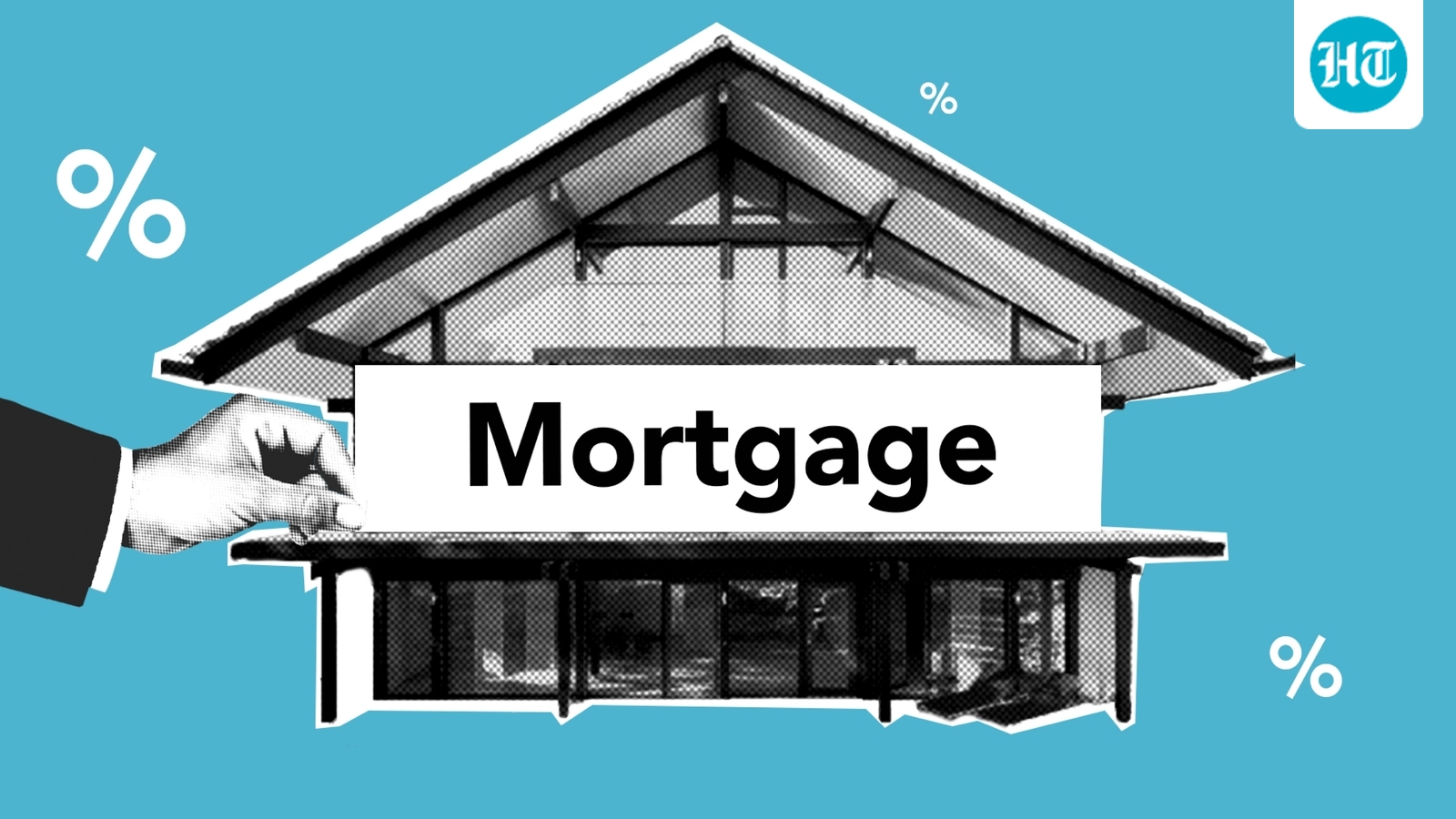
Adjustable-rate mortgages (ARMs), once the villain of the subprime meltdown, are surging in popularity as homebuyers look for savings in a high-rate era. The share of ARMs reached nearly 13% of all mortgage applications this fall, per the Mortgage Bankers Association, the highest level since 2008.
For buyers today, the lure is clear: ARMs offer starting rates about a full percentage point lower than fixed-rate loans, making the difference between buying a home or staying sidelined. The typical 5/1 ARM has an interest rate in the mid-5% range, compared with the 30-year fixed rate’s 6.3% and above. On a $400,000 loan, that initial discount translates into $200 or more in monthly savings, enough to tip the scales for first-time buyers or those seeking a larger property.
But every ARM, by definition, is a wager: After the initial fixed period—often five, seven, or 10 years—the interest rate resets, adjusting with the broader market. Today, that means buyers are betting the Federal Reserve will cut rates before their loan recalculates. If the Fed delivers on anticipated rate drops in December, customers could see payments shrink further or at least avoid big jumps when the adjustment arrives.