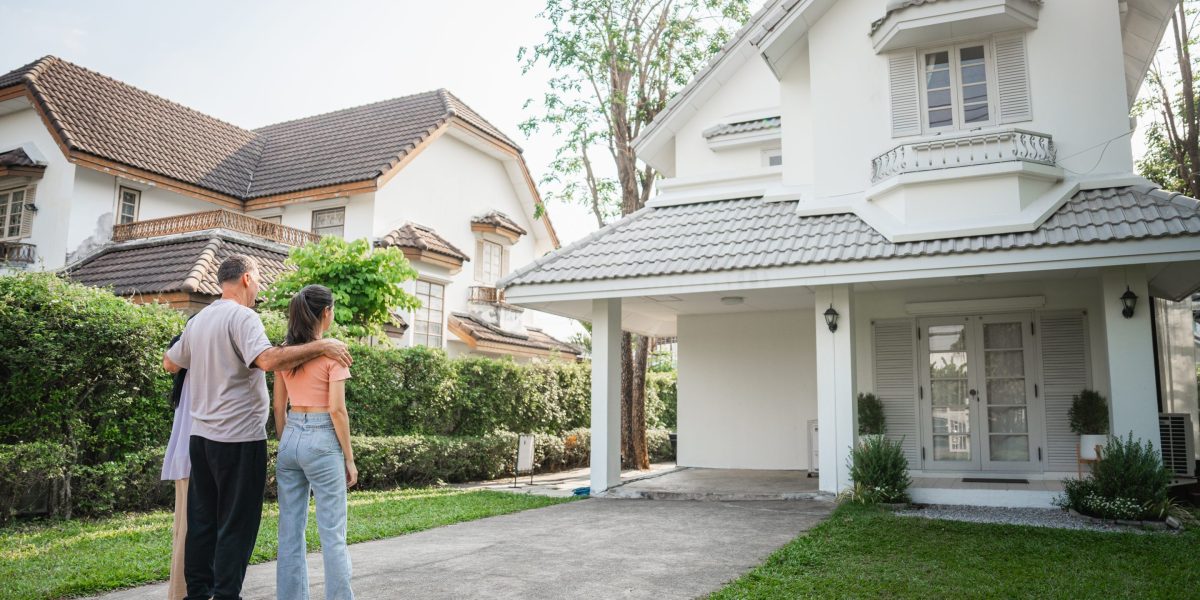
During the pandemic-era housing market, homebuyers enjoyed sub-3% rates, ushering in a wave of homebuying among younger generations. But in the following few years, the American Dream came crashing down as mortgage rates and home prices rose, and inflation and wage stagnation set in.
That meant more homeowners in the U.S. had sub-3% mortgage rates compared with today’s 6%-range rates, creating a lock-in effect in which current homeowners refused to let go of their low mortgage rates and sell their homes only to turn around and face a much higher mortgage rate.
But now there’s a crack in the lock-in effect: Real estate investor and Reventure CEO Nick Gerli recently said that as of the end of 2025, there are actually now more homeowners with mortgage rates higher than 6% than borrowers locked into sub-3% rates, ending one of the most generous eras for home financing in modern history.
“Something big just happened in the U.S. Housing Market,” Gerli wrote in a Jan. 3 X post, referring to the change in share of homeowners with sub-3% mortgage rates. That means the “the dreaded Mortgage Rate ‘Lock-In’ Effect is fading.”
During the lock-in effect period, millions of existing homeowners with ultra-low rates have been financially disincentivized to move or “trade up,” i.e., buy a more expensive or larger home, which made the number of homes for sale scarce for would-be homebuyers. This led to younger-generation bidding wars for a limited pool of starter homes and kept many locked out of the market. In fact, the average first-time homebuyer age skyrocketed to 40 in 2025, according to the National Association of Realtors, and the share of first-time home buyers plummeted to a record low of 21%.