With the Federal Reserve cutting its benchmark rate, some homebuyers may wonder whether mortgage rates will follow — and whether an adjustable-rate mortgage could offer a cheaper way to get into a home.
On Wednesday, the central bank lowered the federal funds rate to a range of 3.50% to 3.75%, the lowest it’s been since 2022. While the rate cut will reduce the cost of borrowing for credit cards and certain loans, it only indirectly affects new mortgages, which tend to follow movements in Treasury yields.
Even so, rate cuts and expectations of continued easing can put downward pressure on Treasury yields, which can in turn influence mortgage rates. Mortgage rates have generally trended lower since the Fed began cutting rates in September 2024, though there have been some bumps along the way.
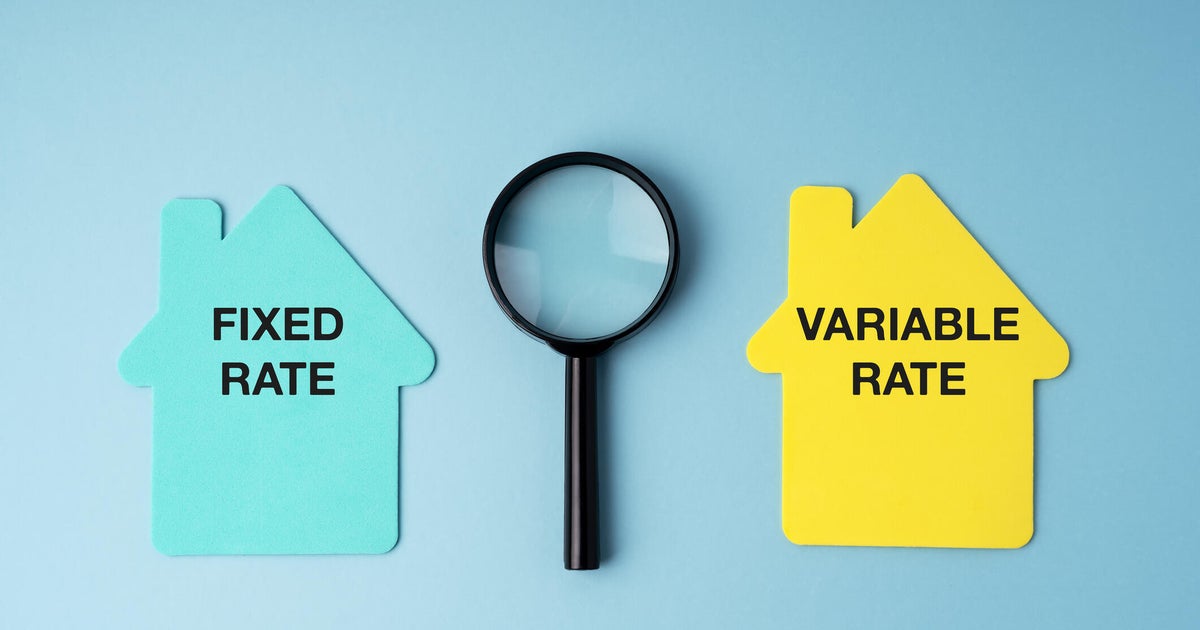
That’s where adjustable-rate mortgages come in, since they often offer lower monthly payments initially than fixed-rate loans.
ARMs offer a fixed interest rate for several years before switching to a rate that resets periodically based on market conditions. That introductory period — usually three, five, seven or 10 years — is what generally makes ARMs cheaper upfront than traditional fixed-rate mortgages.