https://arab.news/w2zs8
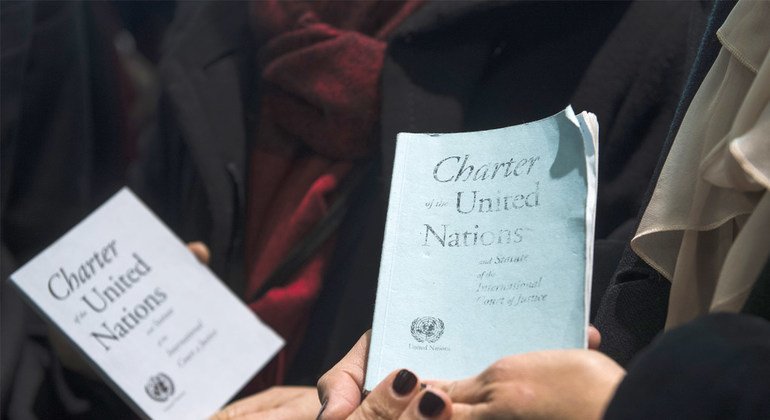
Every year, on Oct. 24, the world marks United Nations Day. It was on this date that the UN Charter came into force in 1945. With the ratification of this seminal document, including by the five permanent members of the Security Council, the UN officially came into being.
Its first and foremost aim, as the UN Charter states at the very beginning, was to “save succeeding generations from the scourge of war, which twice in our lifetime has brought untold sorrow to mankind.” Tragically, 80 years later, war still has not been eradicated and is very much present in countries’ foreign and domestic affairs, while the most powerful organ of the UN, the Security Council, has often failed to prevent wars, to bring them quickly to a halt when they do break out or embark on an effective effort of peacebuilding when hostilities end.
Hence, there is much skepticism about whether the UN is fulfilling its mission and debate on whether it is merely a very expensive exercise in window dressing.
However, without downplaying the need to reform the UN, especially the Security Council, focusing only on the organization’s failures does an injustice to the achievements of the entire UN system and many of its agencies for the stellar work they do in improving the human condition. Beyond peacekeeping operations in different parts of the world, we tend to forget that the UN Charter introduced a noble set of aspirations that are the agreed principles and aspirations of global society, even if not every state behaves accordingly. It is still our best benchmark for a more peaceful world, in which everyone enjoys similar rights and opportunities.