https://arab.news/rynms
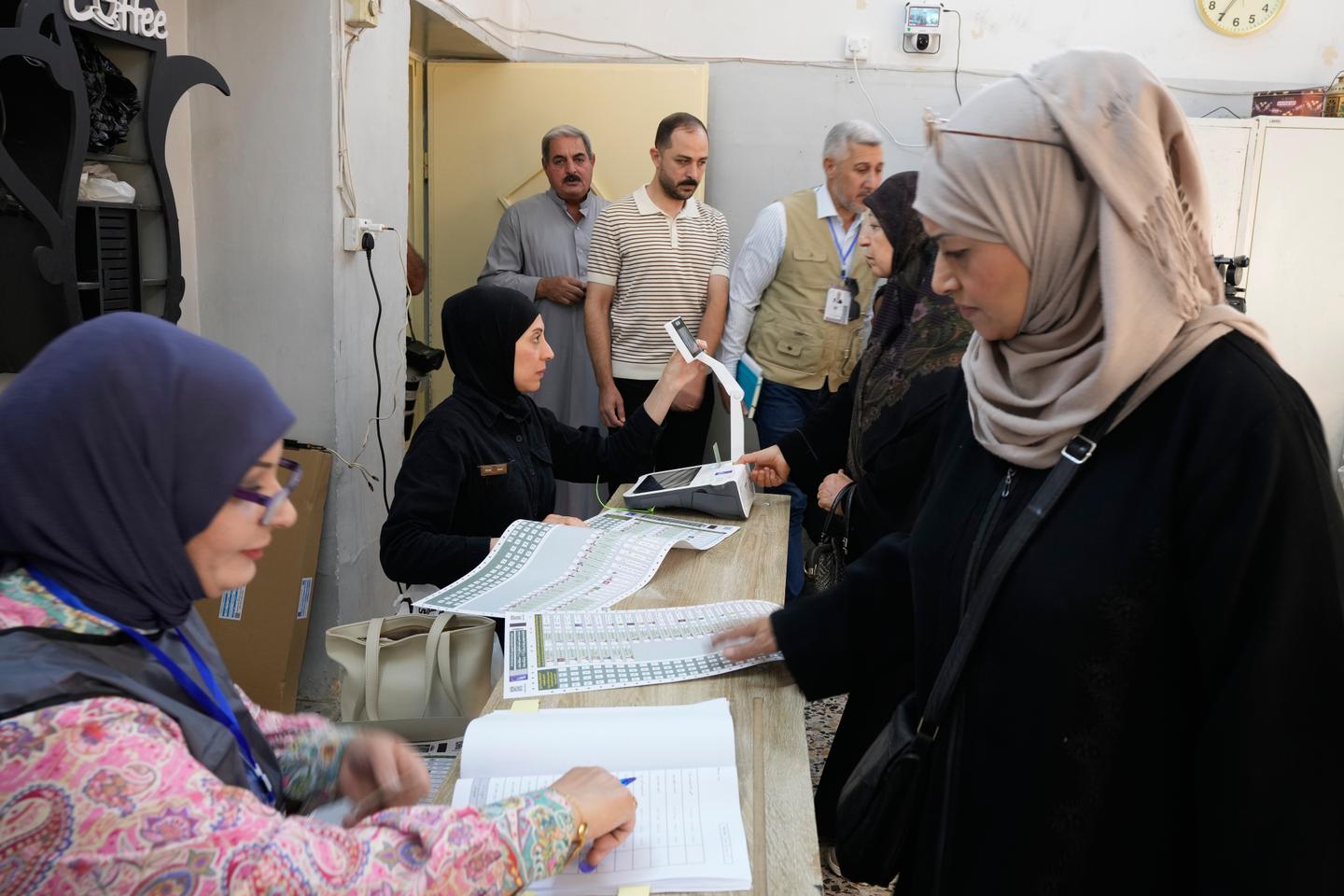
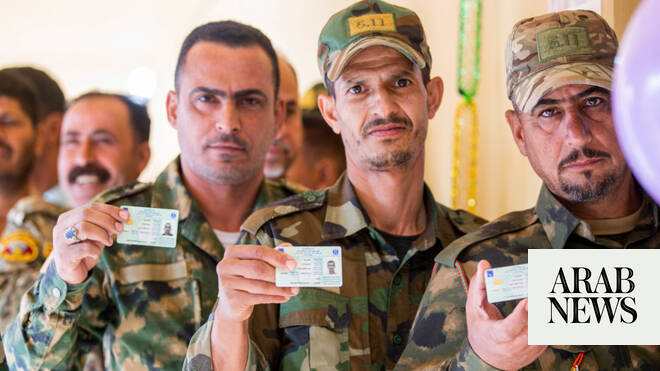
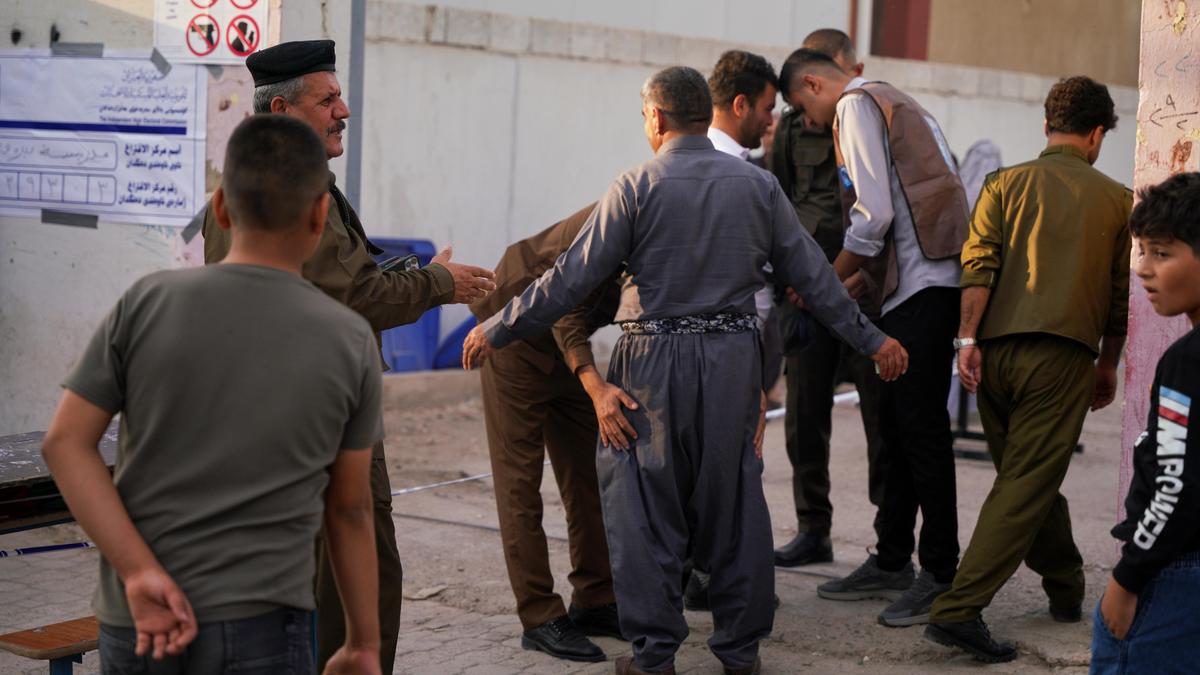
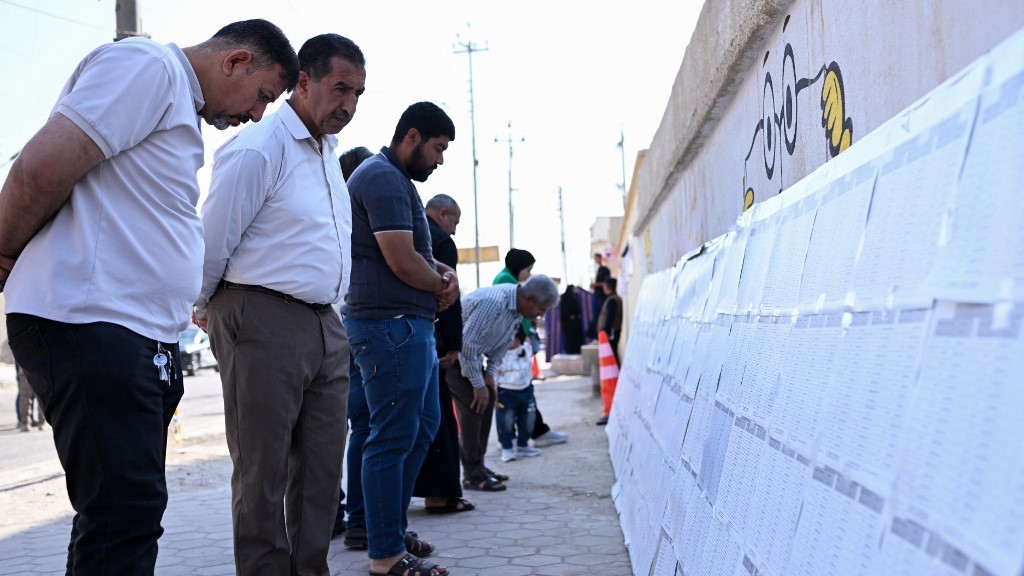
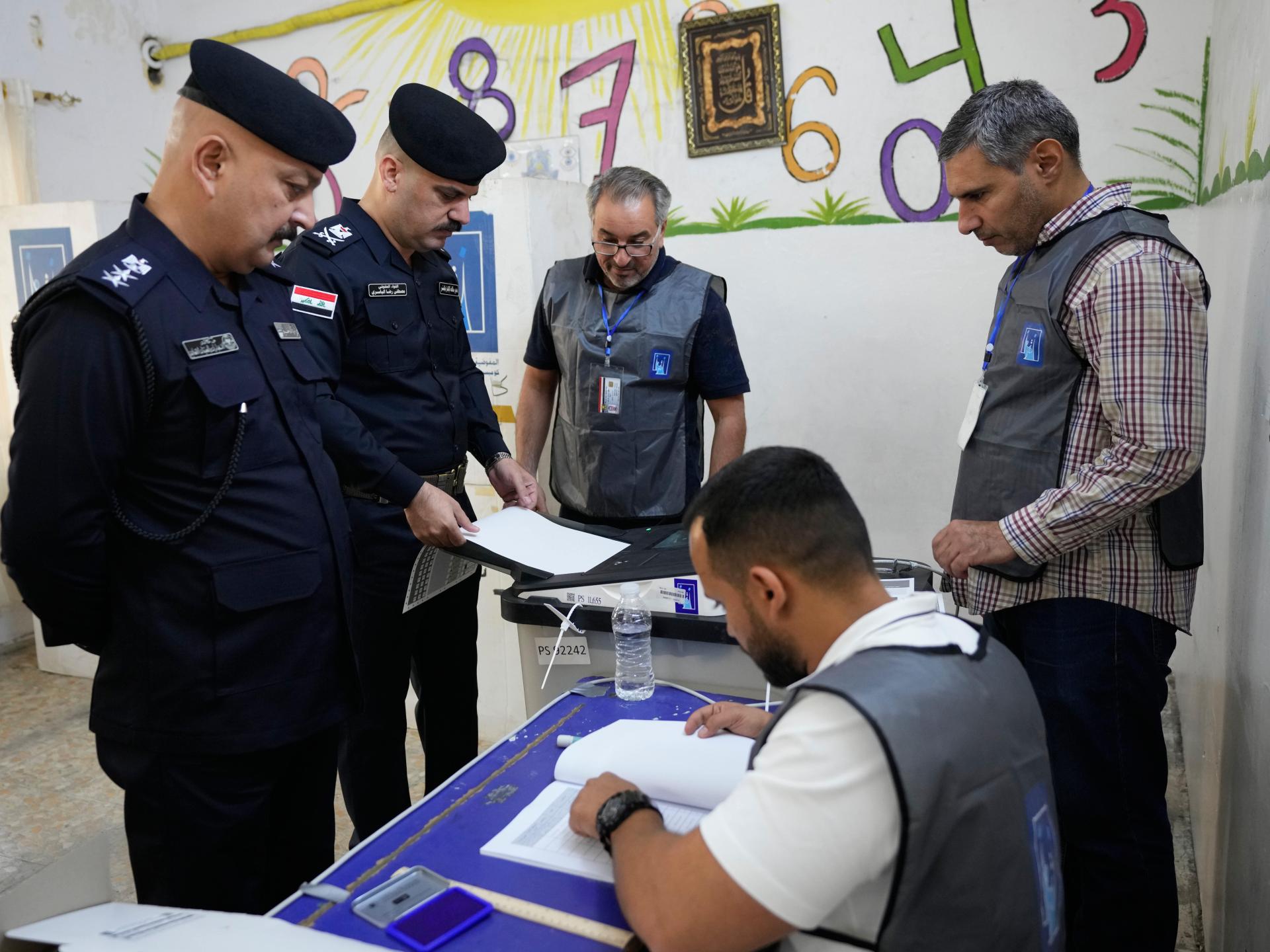
Elections on Nov. 11 to the Iraqi Council of Representatives will mark two decades of the country’s electoral process. So far, five elections have been held since 2005, but from a high of an 80 percent turnout in that year, voter participation fell to a low of 43 percent in 2021. The irony is that amid popular disenchantment with the electoral exercises, there is considerable excitement and competition among the politicians vying for public office.
This year there are nearly 8,000 candidates for the 329-member council, including about 2,250 women. Thirty-one coalitions are in the fray, along with 38 political parties and another 75 independent candidates. The coalitions are based on ethno-sectarian identities.
The process of forming a government is time-consuming. After the elections, the coalitions expand their support in the council by shaping alliances across sectarian and ethnic groups. Delays are inevitable. An acting president invites the head of the largest alliance to form the government. When the council convenes, the members need to elect a speaker and two deputy speakers by absolute majority.
After the speaker is elected, there are discussions to select the president, who, after selection, has 15 days to appoint the prime minister. Following this, the prime minister has 30 days to obtain a vote of confidence in his program. Every step in this process is fraught with extensive delays, as venal politicians negotiate for lucrative positions and patronage in exchange for their vote. A Chatham House report says that since 2005, the period from voting to the formation of a government has averaged 224 days.