https://arab.news/9888b
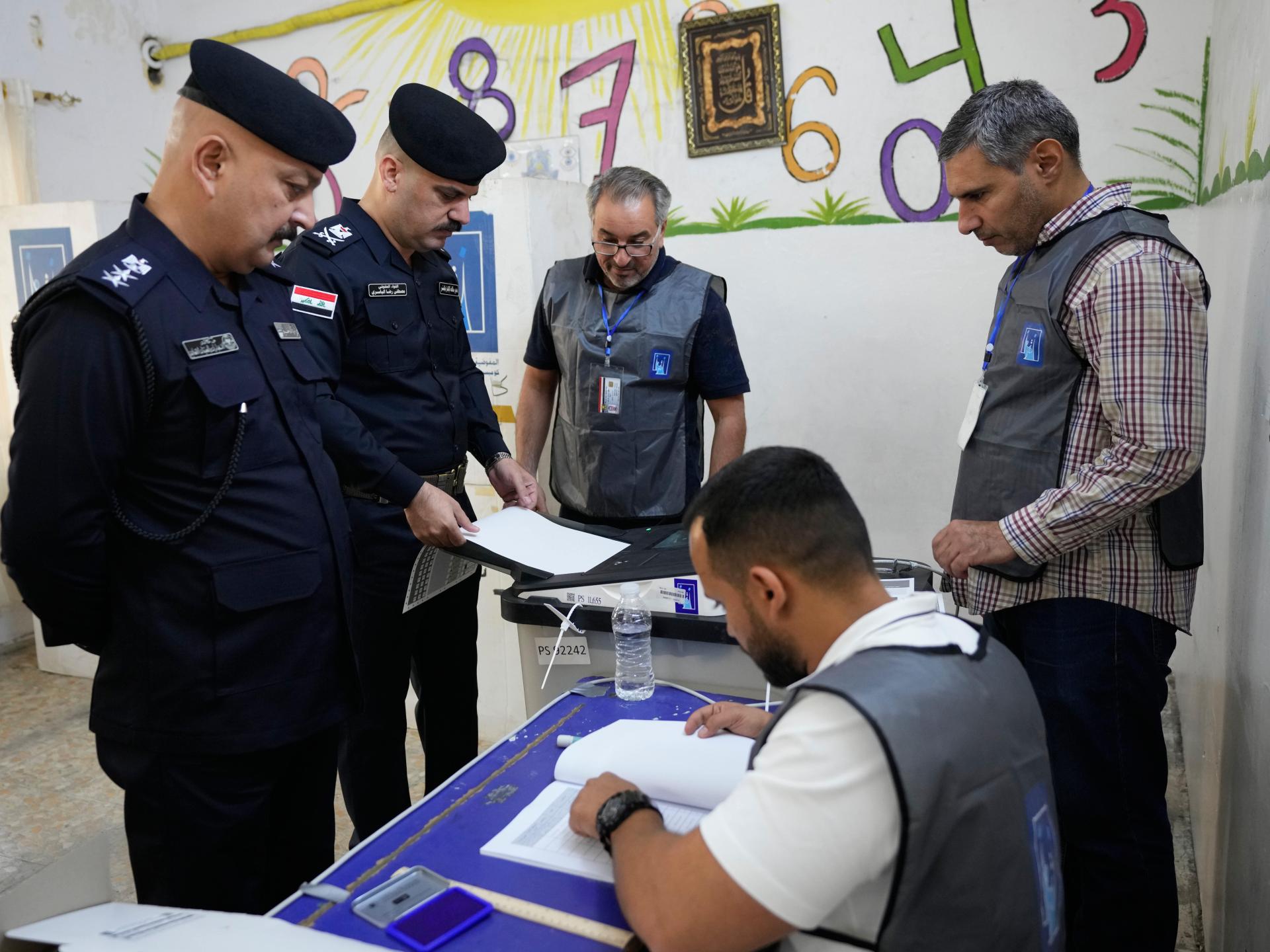
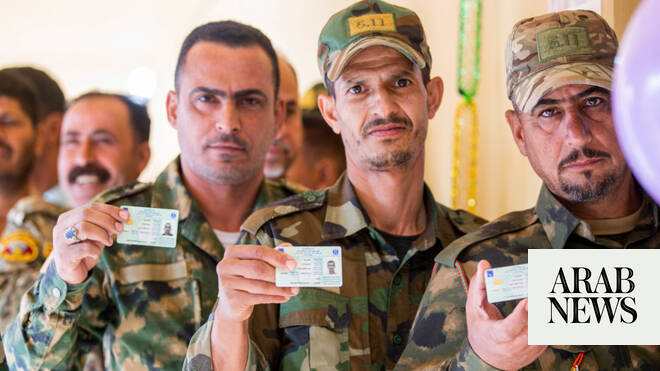
Iraq’s parliamentary elections this month brought familiar headlines, familiar winners and familiar frustrations. For months, political leaders promised change, reform and a new direction. But when the votes were counted, the country found itself exactly where it had been for the previous two decades: facing the same political forces that have dominated Iraqi life since 2005. The expectation of change collided once again with the reality of a system designed to reproduce itself.
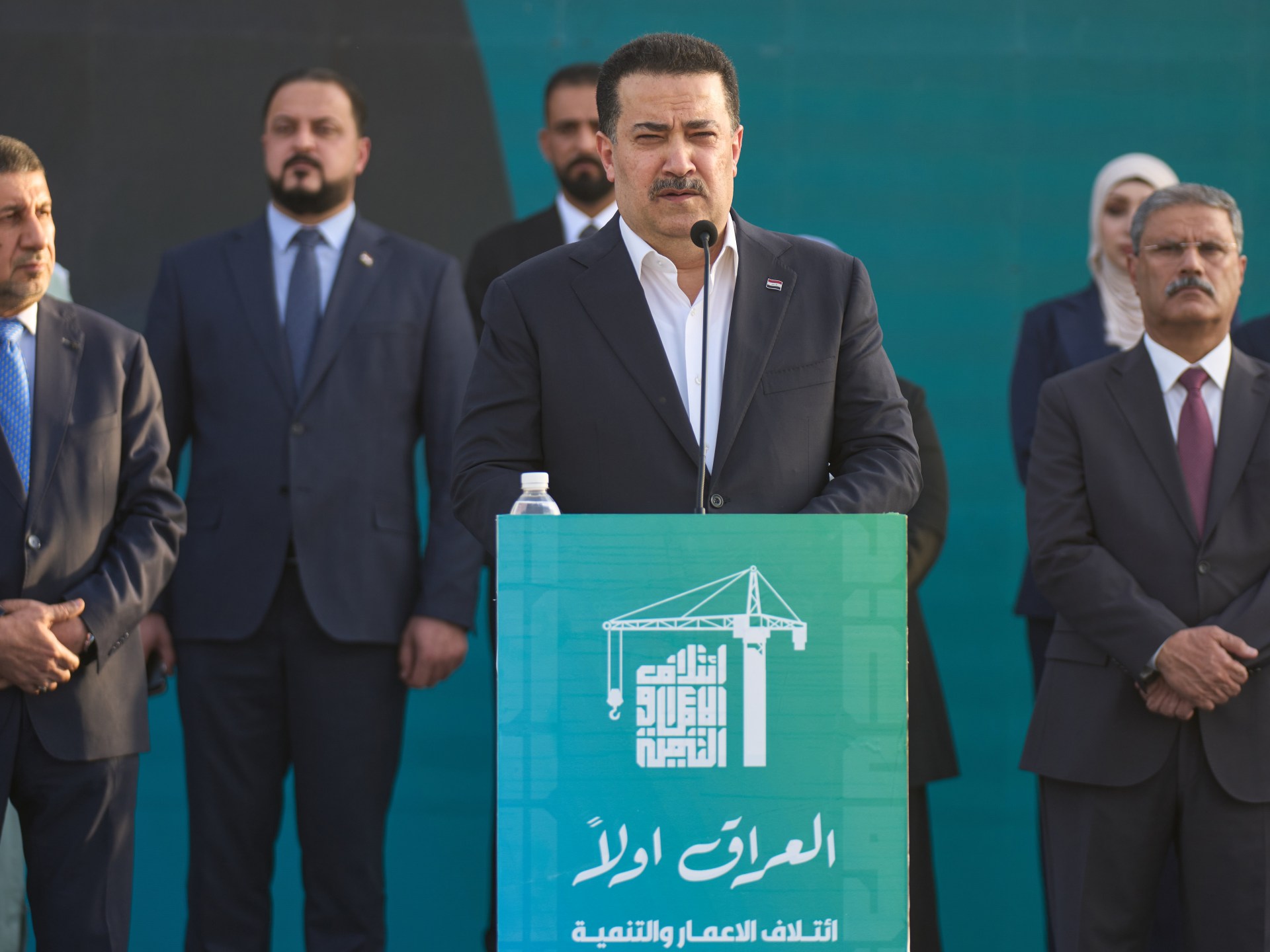
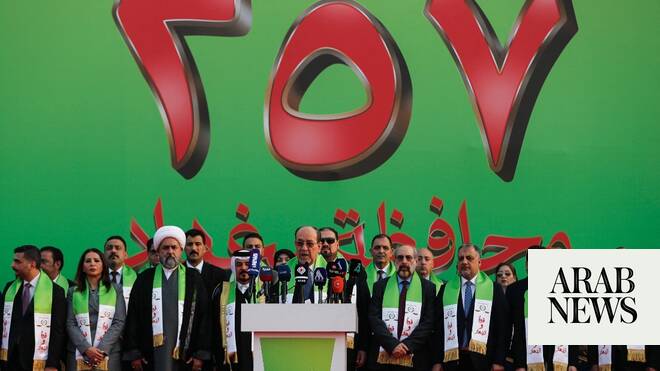
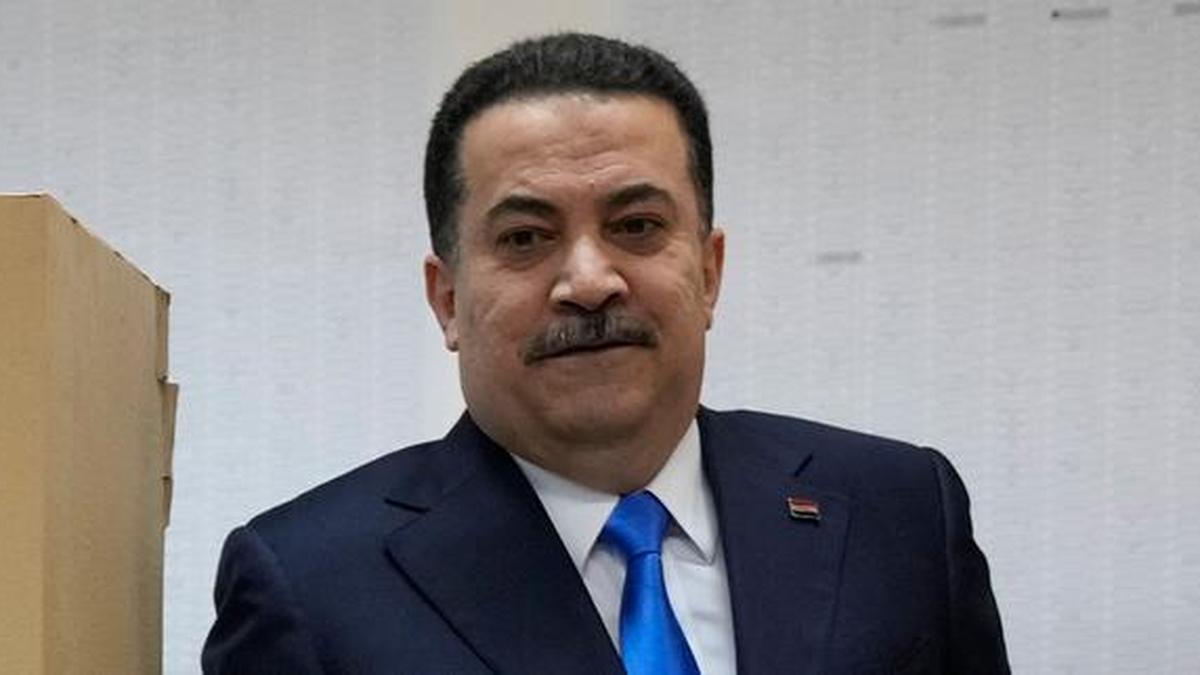
According to the Independent High Electoral Commission, the coalition led by Prime Minister Mohammed Shia Al-Sudani secured 46 seats, making it the largest bloc in parliament. Former Prime Minister Nouri Al-Maliki’s State of Law Coalition won 29 seats, reinforcing its long-standing weight in the political structure.
Sunni representation also saw notable shifts: Mohammed Al-Halbousi’s Progress Party won 10 seats in Baghdad and 35 nationwide, outperforming Al-Maliki by about 72,000 votes in the capital. In the Kurdish region, the Kurdistan Democratic Party emerged as the strongest force, while the Patriotic Union of Kurdistan maintained much of its traditional influence.
The outcome for the losing side was equally revealing. Independents, reformist voices and candidates tied to the October protest movement could not gain meaningful ground. Civil activists and smaller secular parties were sidelined yet again by entrenched political machines with money, networks and long-standing alliances. This election did not alter who holds power; it merely rearranged the same players across the same seats.