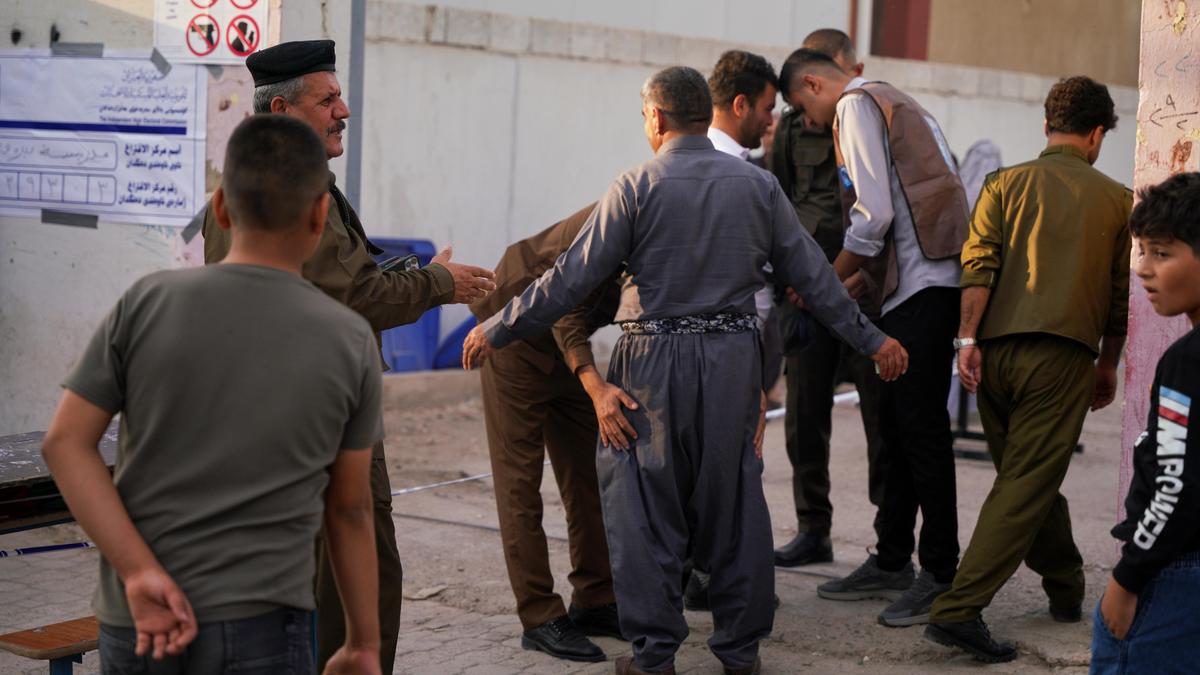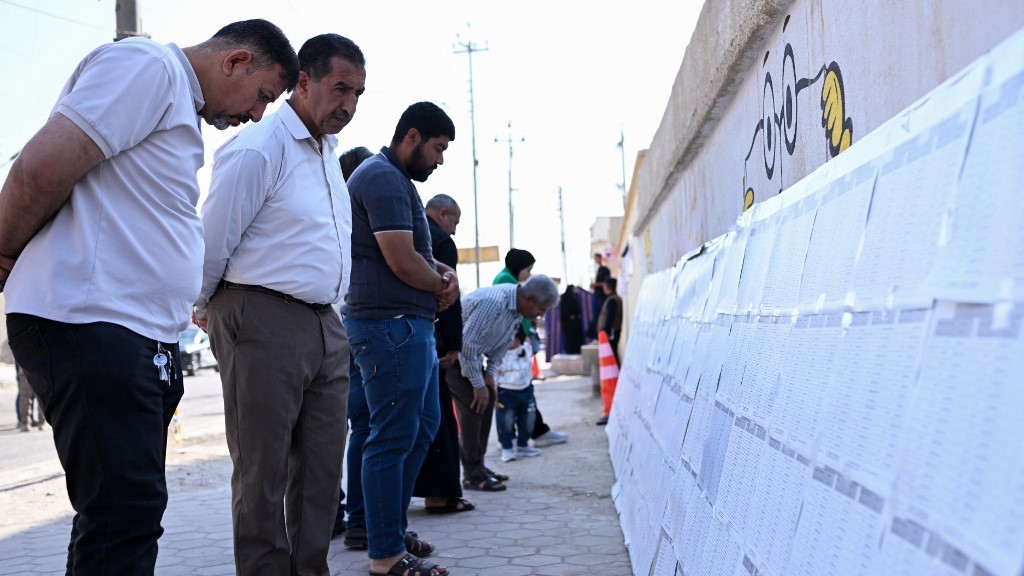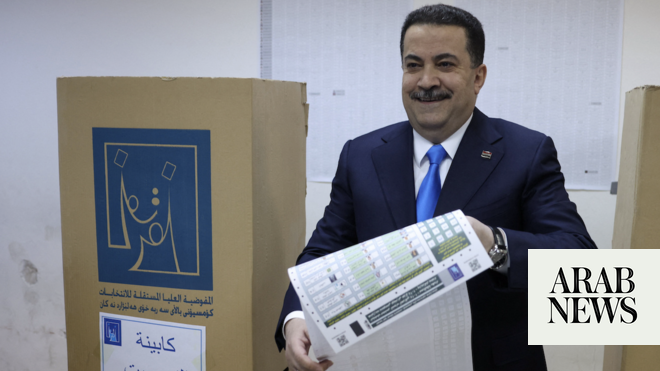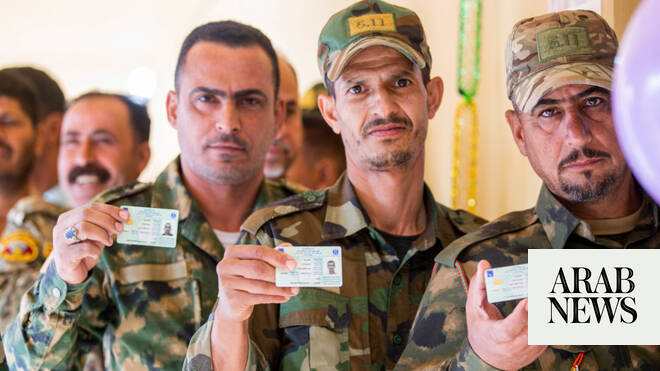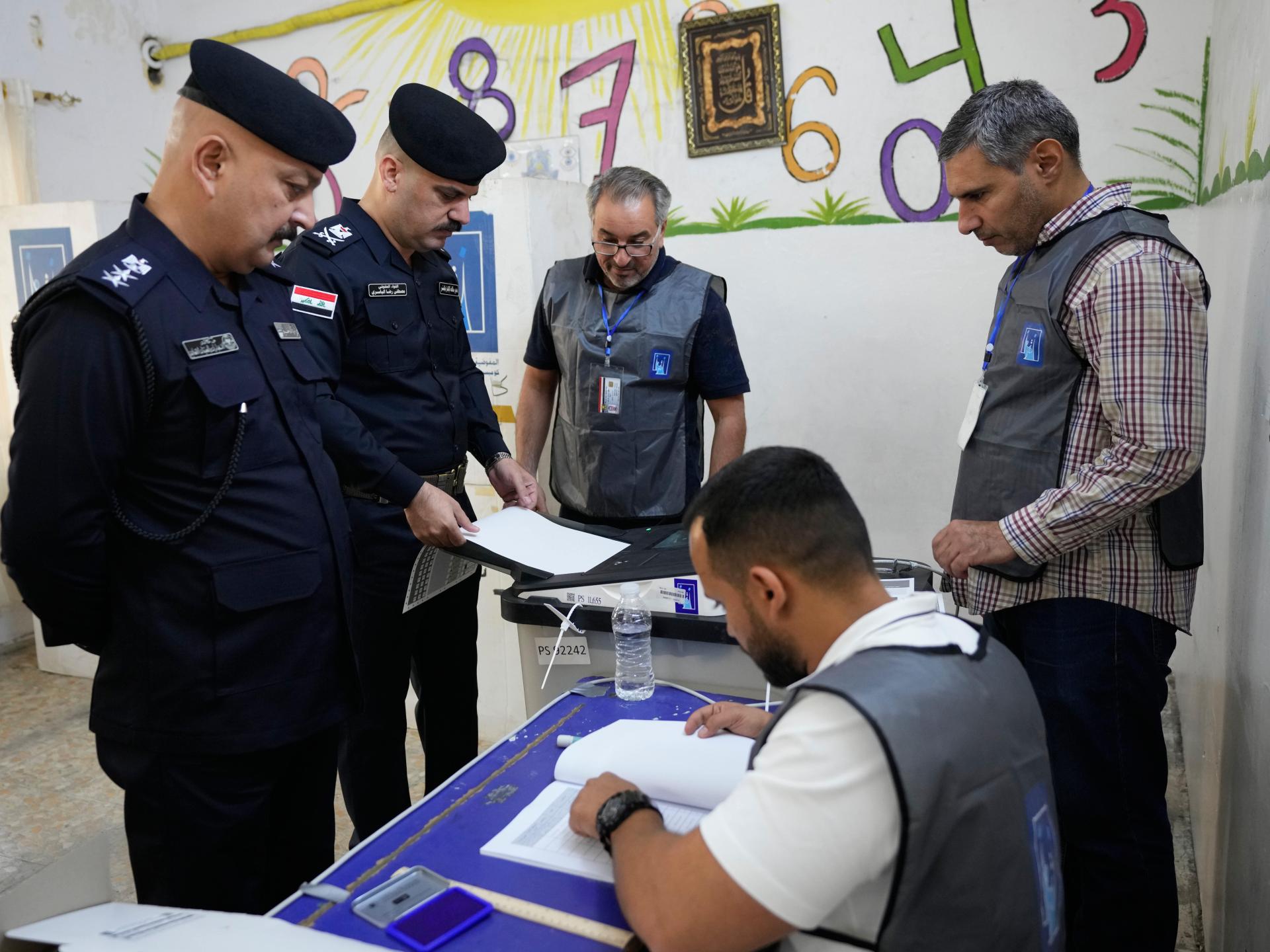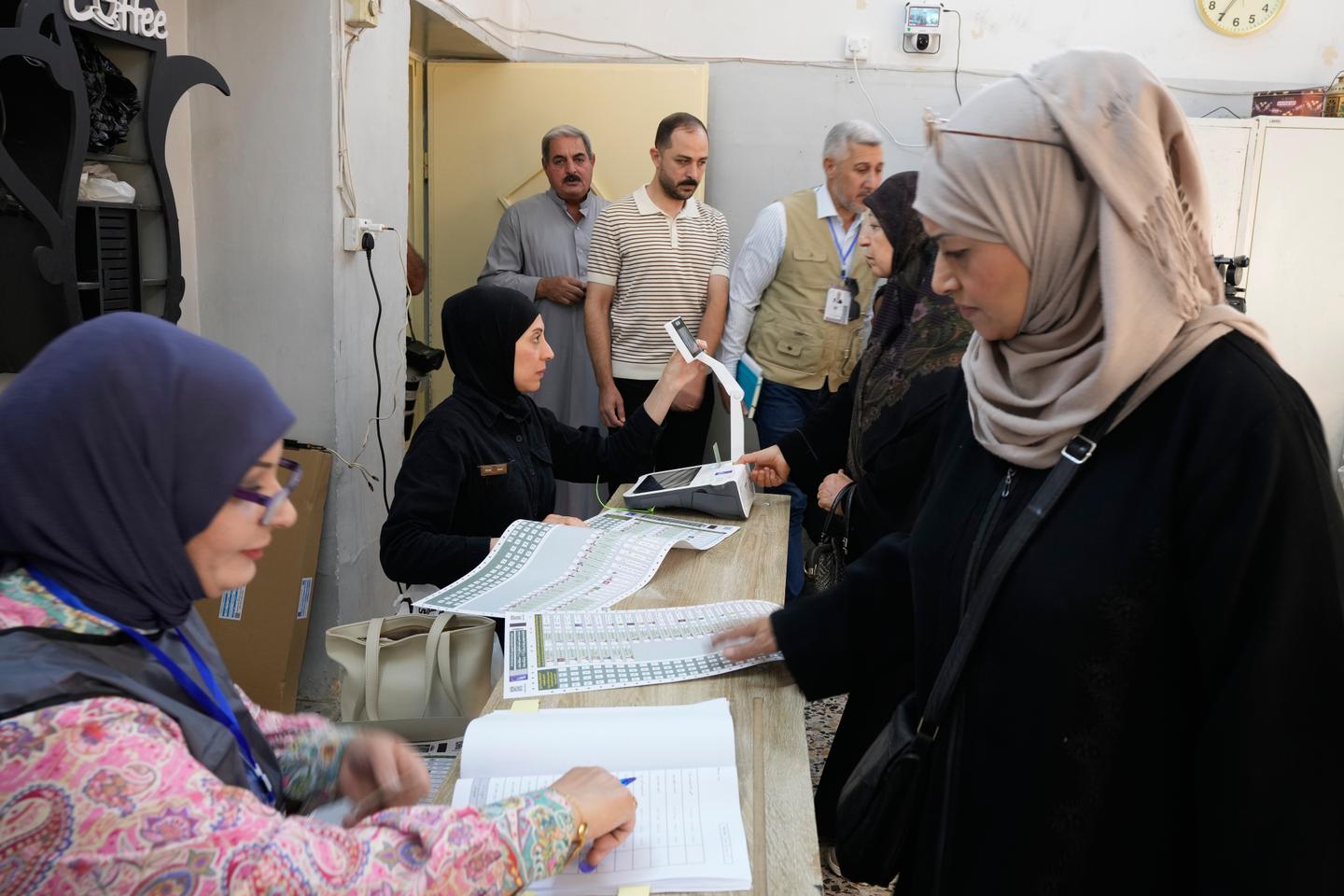
Iraqi voters gather to cast their vote at a ballot station in the country's parliamentary elections in Baghdad, Iraq, on November 11, 2025. HADI MIZBAN / AP
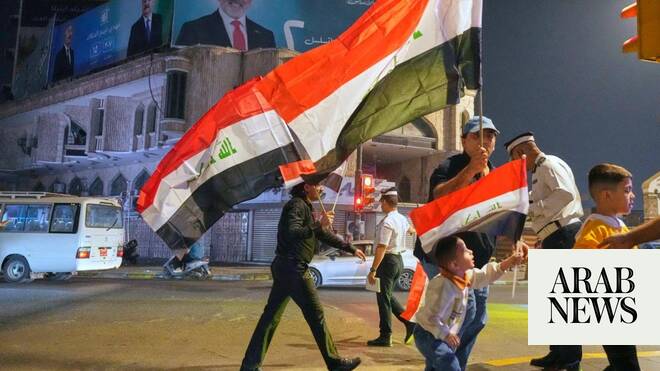
Iraqis voted for a new parliament on Tuesday, November 11, with an unexpectedly high turnout of more than 55%, at a pivotal time for the country and the wider region. Iraq, which has long been vulnerable to proxy wars and is closely watched by Iran and the United States, has recently regained a sense of stability.
But, even as it tries to move past two decades of war since a US-led invasion toppled Saddam Hussein, the country of 46 million suffers from poor infrastructure and public services, mismanagement and corruption.
Iraq's electoral commission said more than 12 million people took part out of 21 million eligible voters, despite influential Shiite cleric Moqtada Sadr calling on his supporters to boycott the vote. The unexpected turnout is a sharp jump from the record low of 41 percent in 2021, belying a sense of apathy and scepticism.
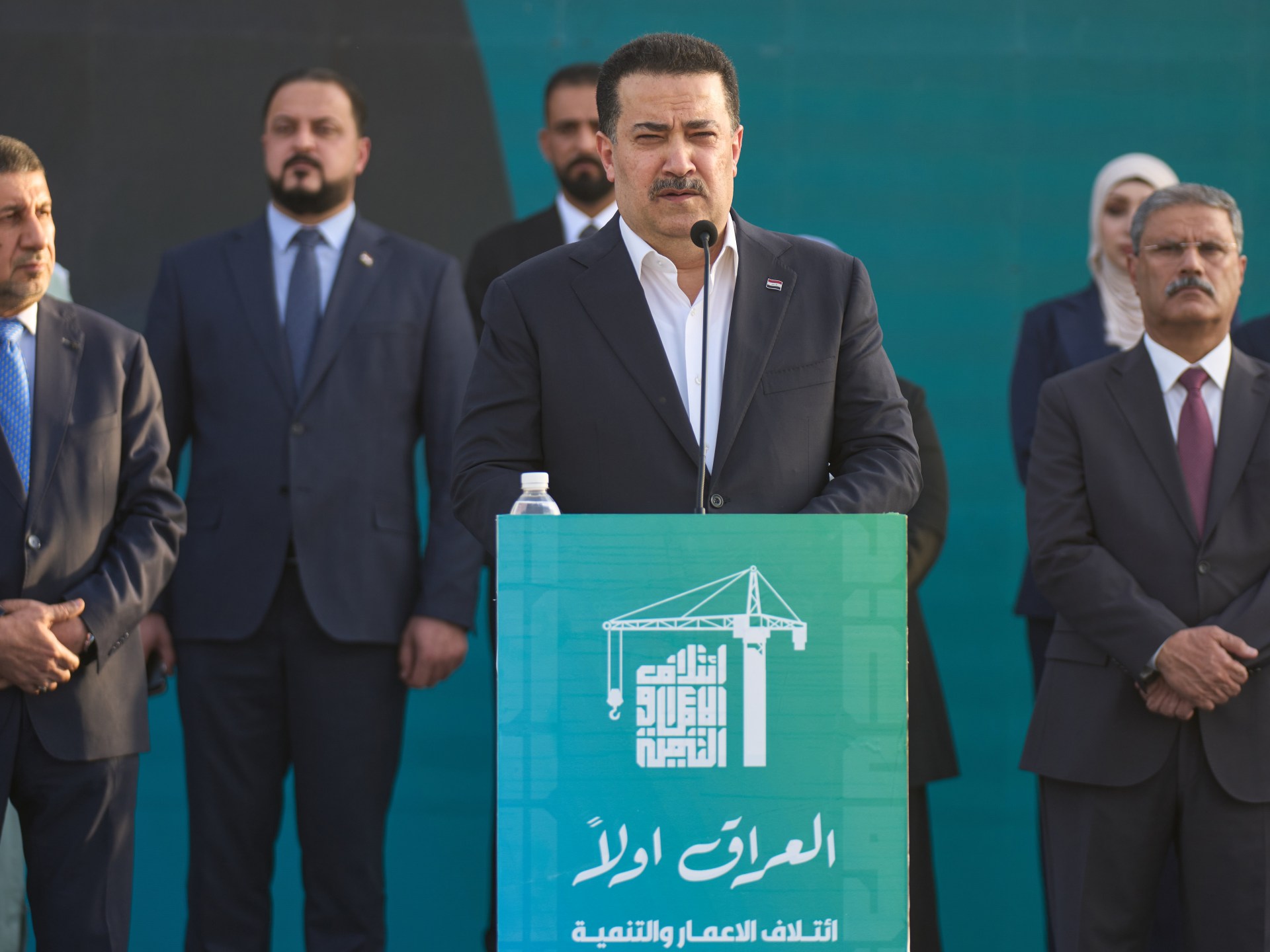
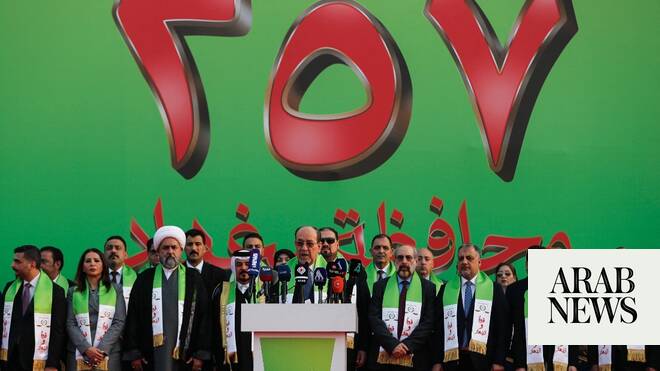
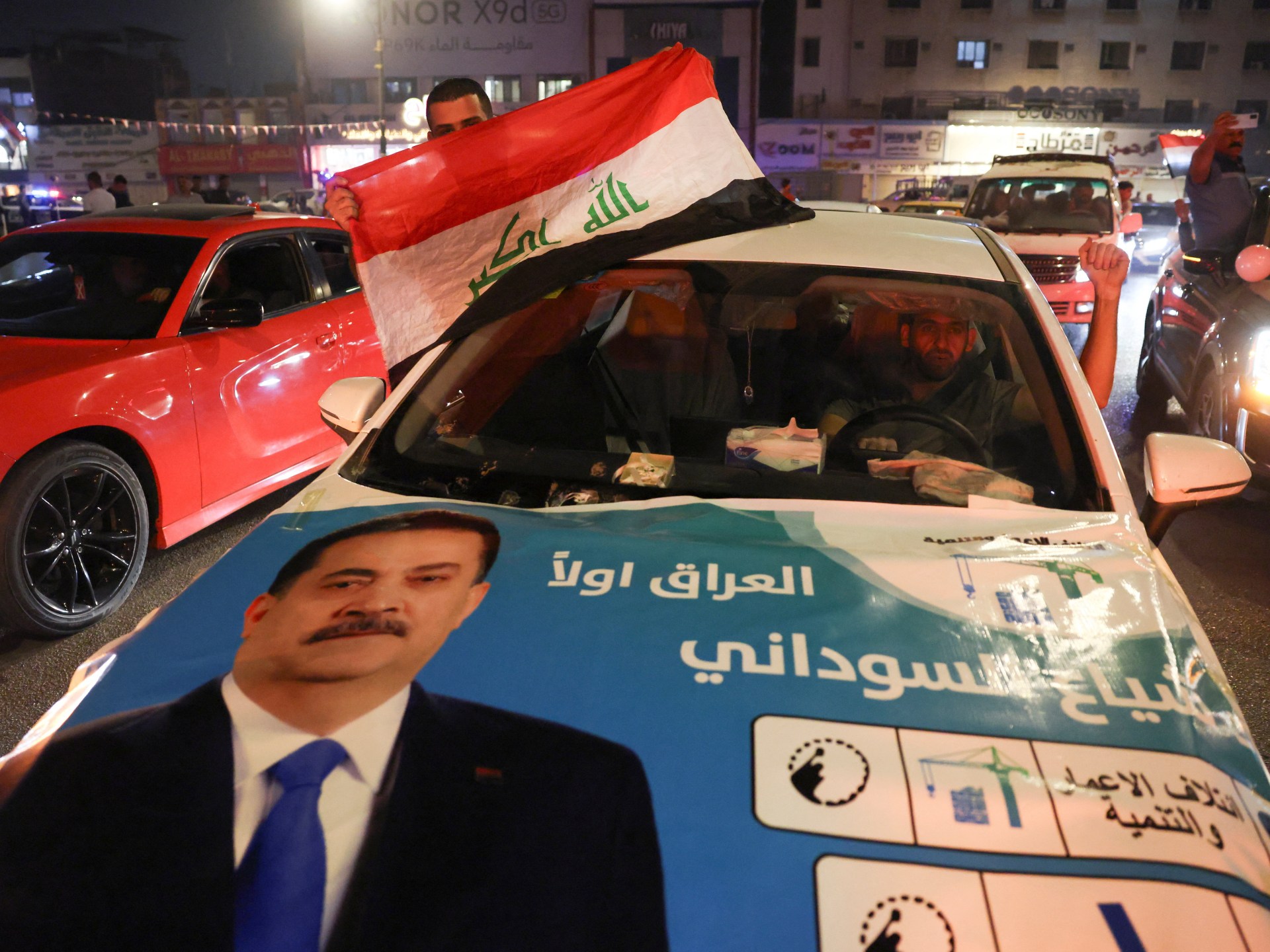
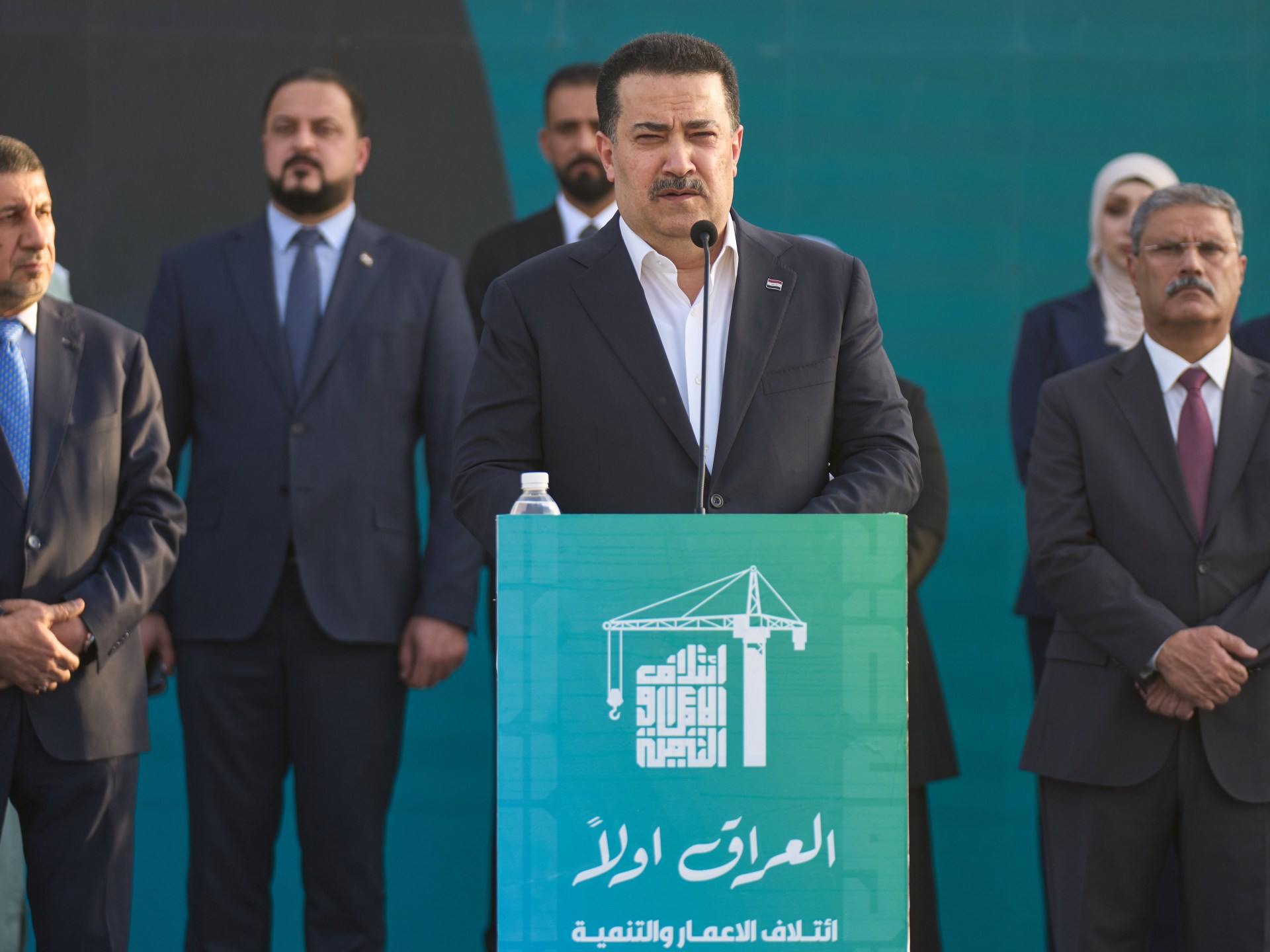
Preliminary results are expected within 24 hours of polls closing, but Prime Minister Mohammed Shia al-Sudani, who hopes for a second term, is expected to secure a large bloc but fall short of a majority.