https://arab.news/grmge
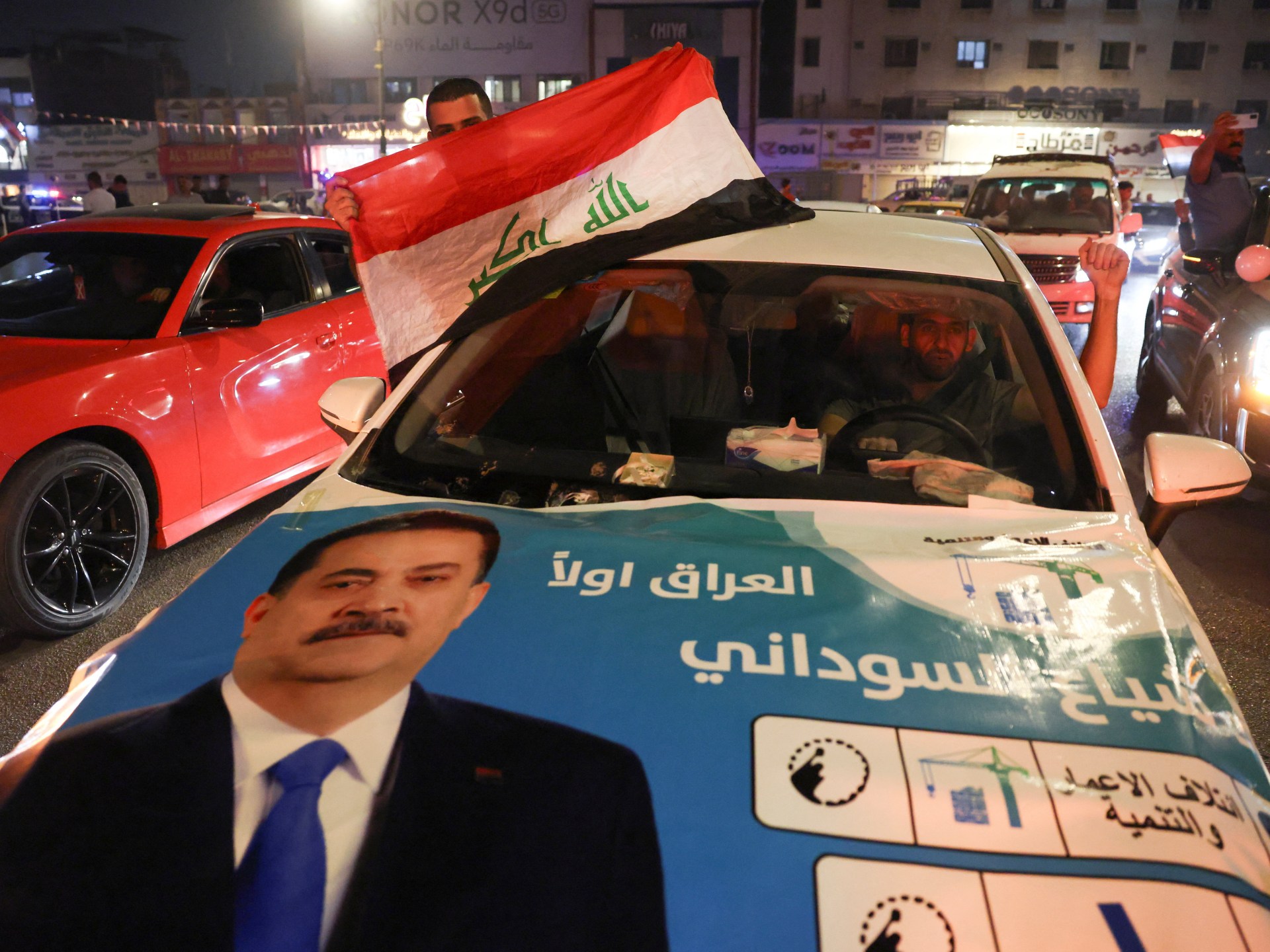
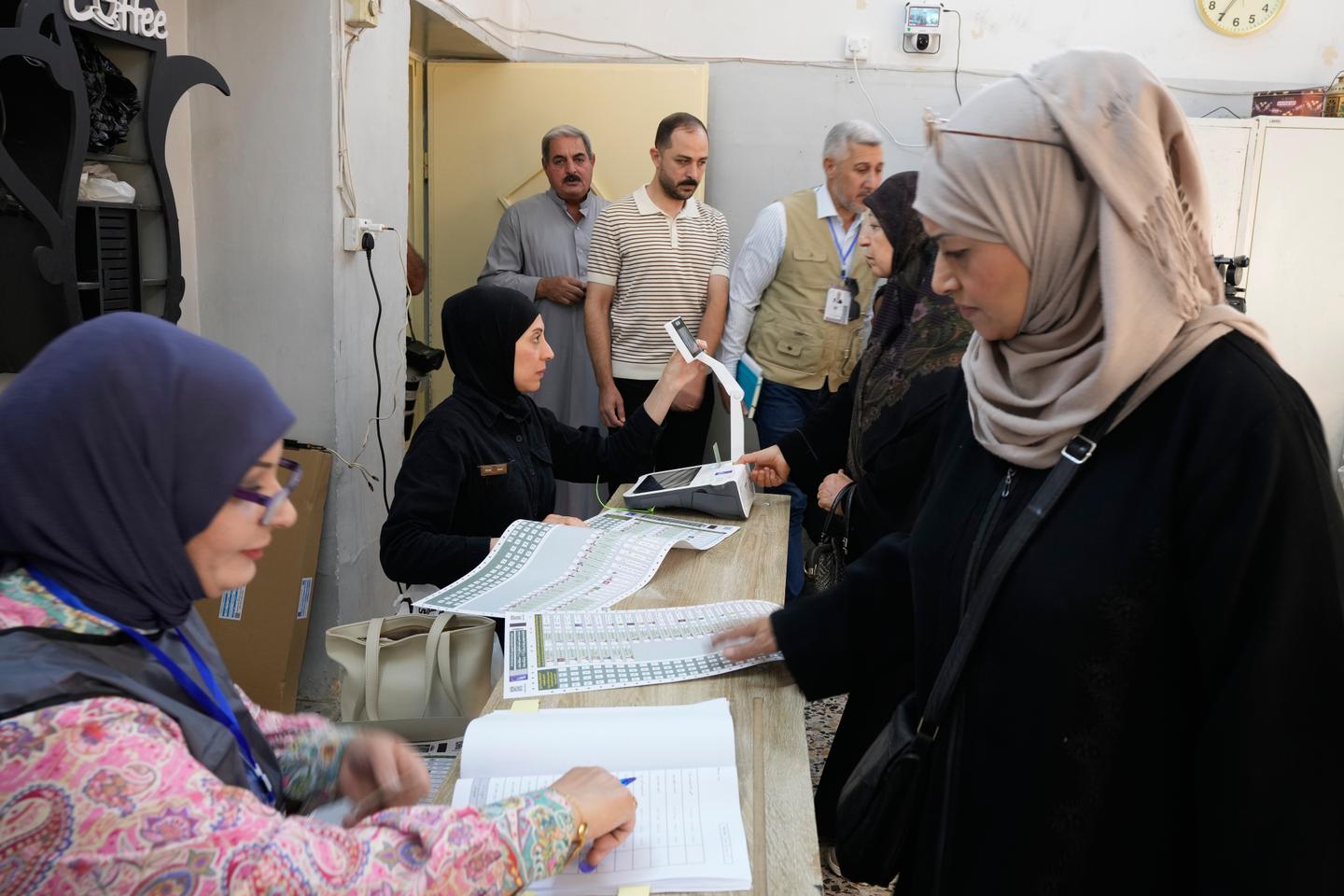
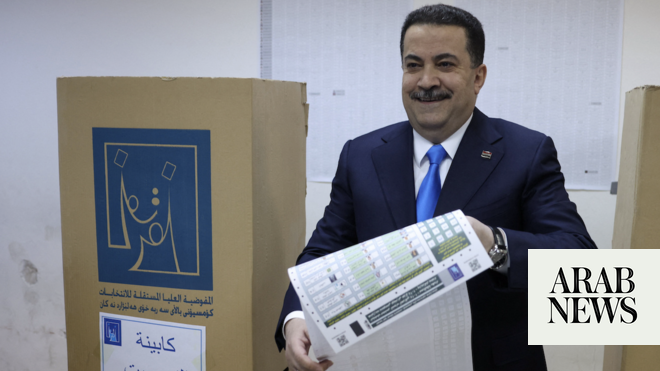
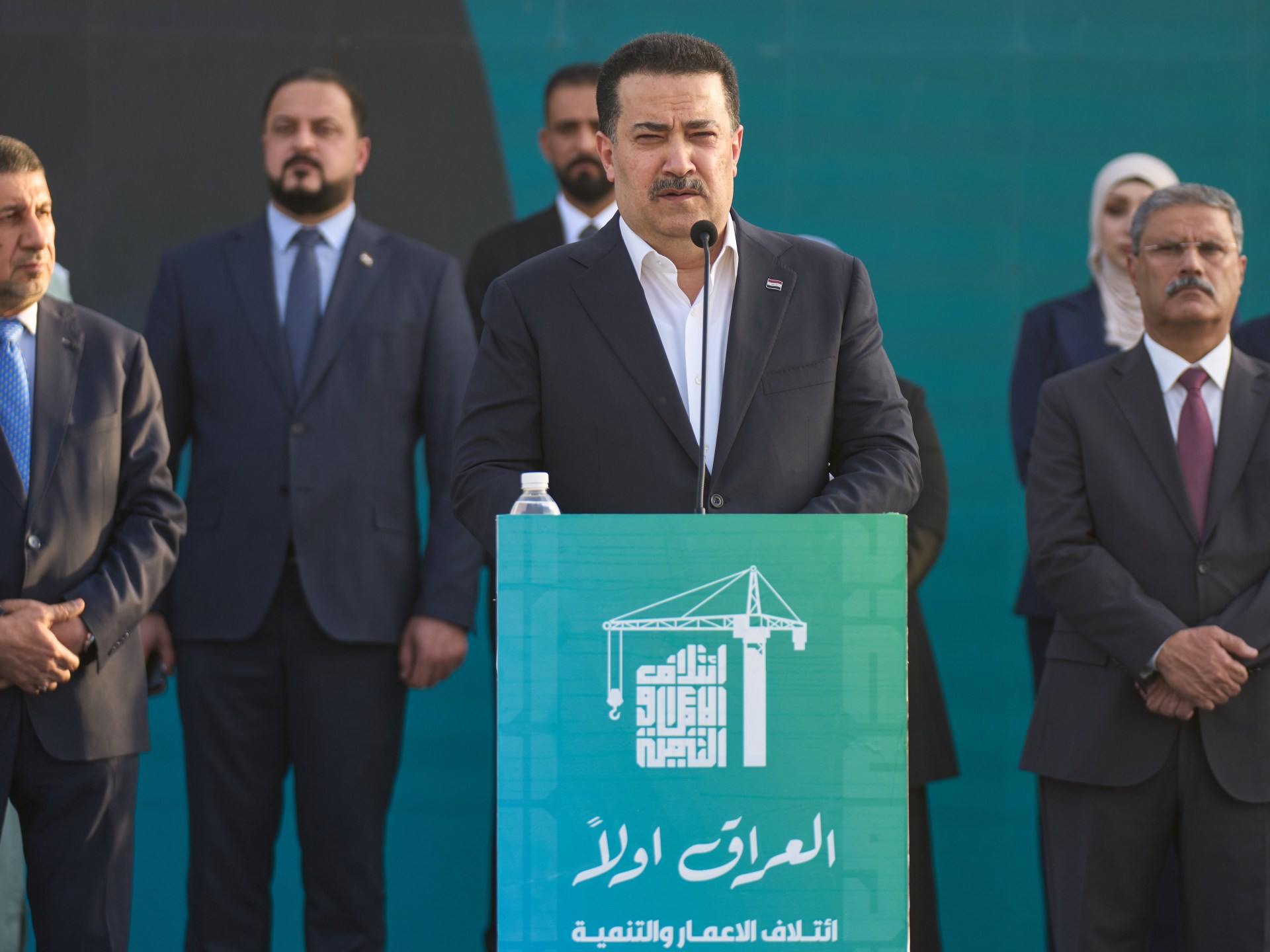
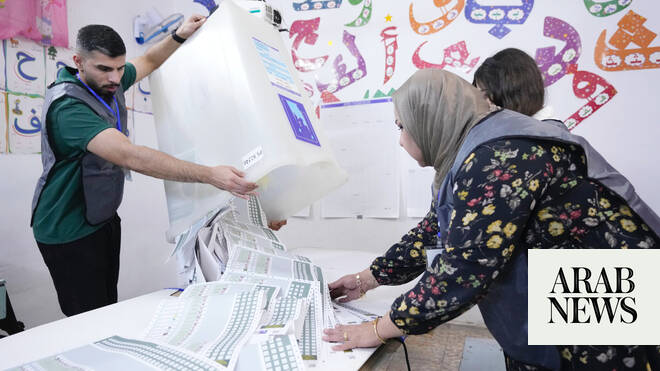
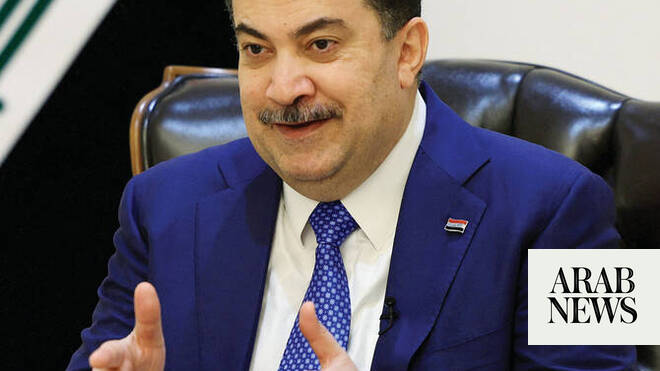
On Nov. 12, a day after Iraq’s seventh national elections, the Independent High Electoral Commission announced the results by party. The Reconstruction and Development coalition, headed by incumbent Prime Minister Mohammed Shia Al-Sudani, won 46 seats in the 329-member national assembly. Other major winners were the State of Law coalition of former PM Nouri Al-Maliki, which obtained 29 seats, and the Taqaddum party of Sunni leader Mohammed Al-Halbousi, which won 27 seats. Out of the 40 parties in the fray, the top nine won 221 seats, with 61 percent of the popular vote, while the remaining 31 parties got 108 seats.
Community-wise, the Shiite parties got 187 seats, the Sunnis 77 seats and the Kurds 56 seats. But these community groups are not united; they consist of several competing factions, while seeking to bolster their numbers by negotiating alliances with factions from other communities.
On Dec. 29, the assembly took its first crucial step in the postelection process by electing the speaker, Haibet Al-Halbousi, from the Sunni grouping. The next step will be the election of the president by a two-thirds majority of the assembly, which will be followed by the president calling on the leader of the coalition with majority support to form the government as prime minister.