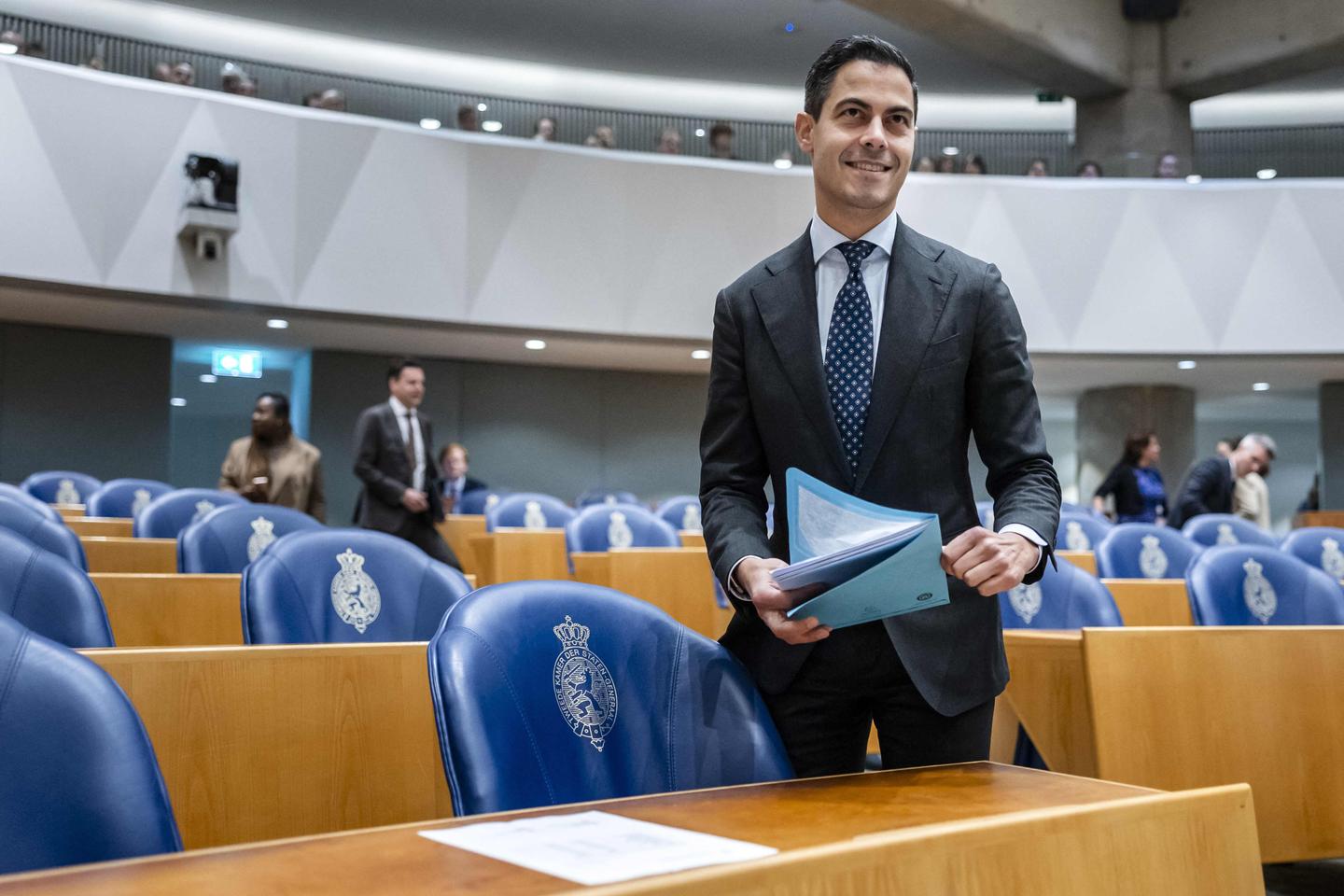
Targeting the negativity of the far right, the big winner of last week’s poll was able to cut through with voters
O
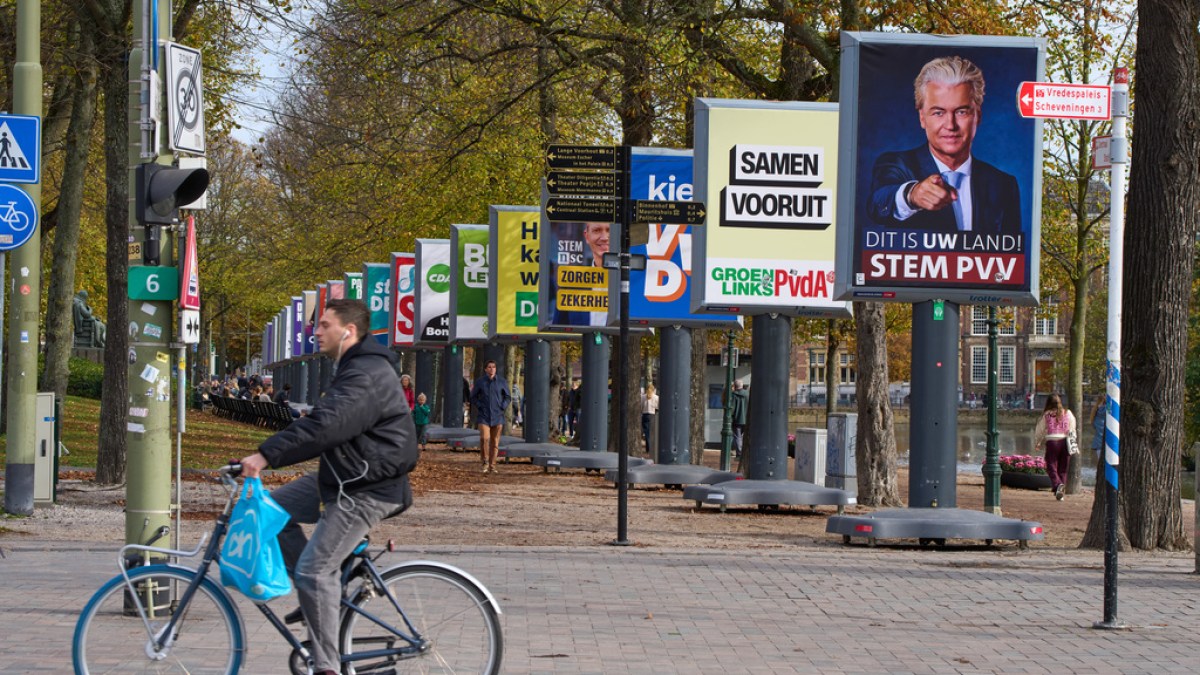
ne of the tightest elections in Dutch history produced an outcome so close that first steps in negotiating a new coalition government have yet to begin. But at a time when the forward march of the far right across Europe is dominating headlines, sapping the confidence of mainstream parties, one uplifting takeaway was immediately clear: a less divisive kind of politics can still cut through with the public, if it is prosecuted with conviction and panache.
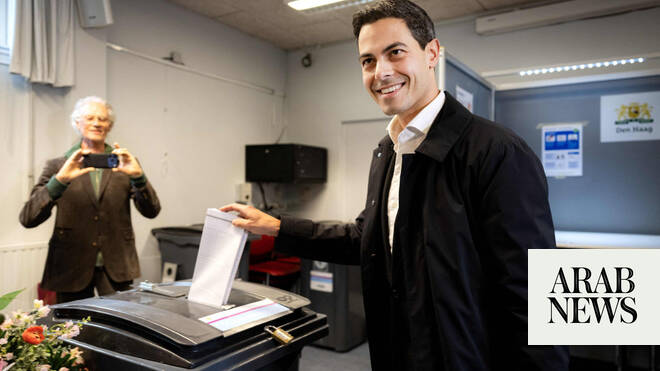
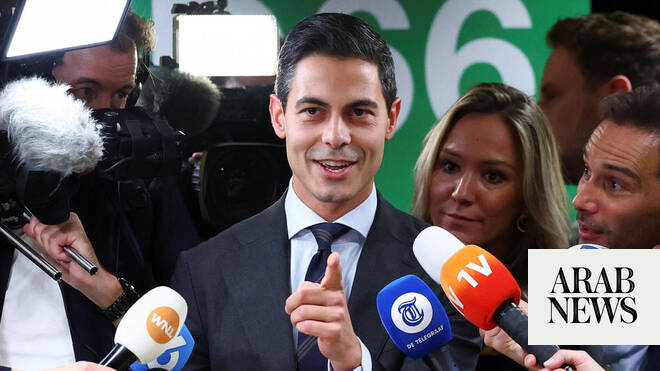
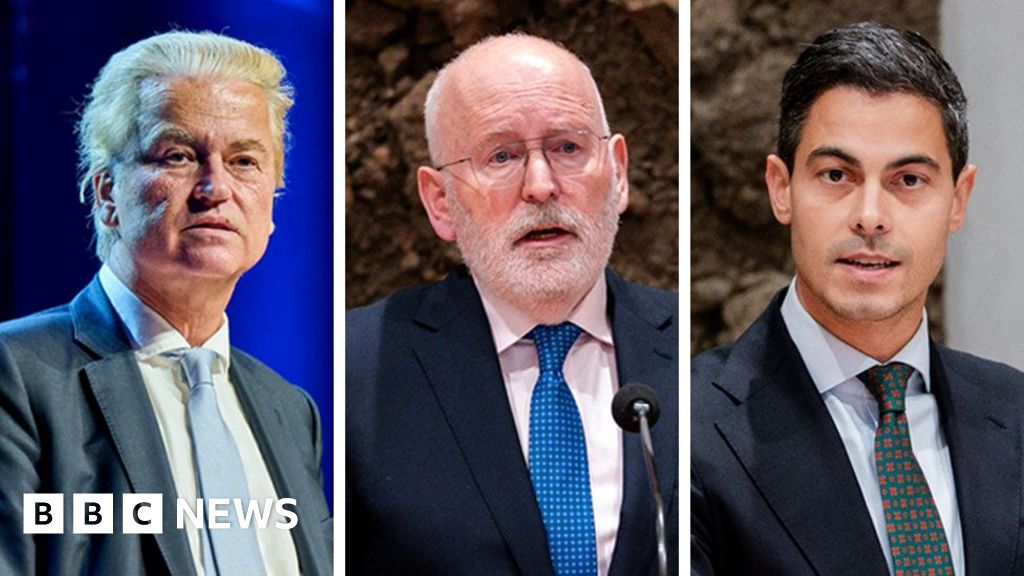
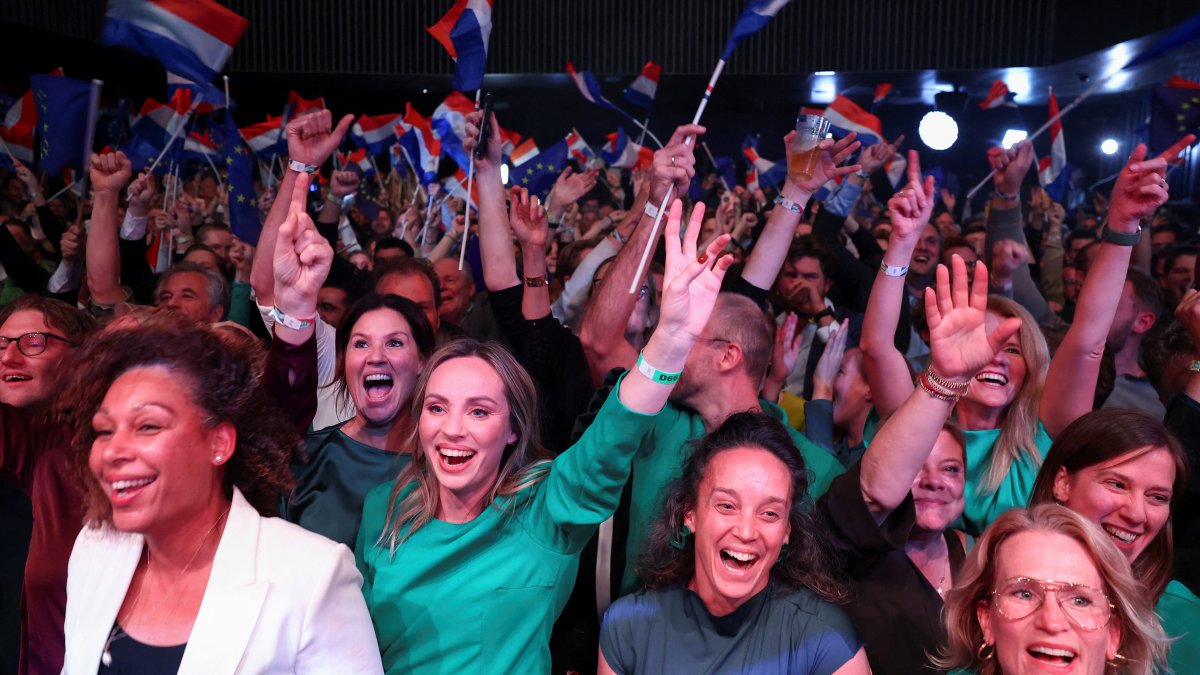
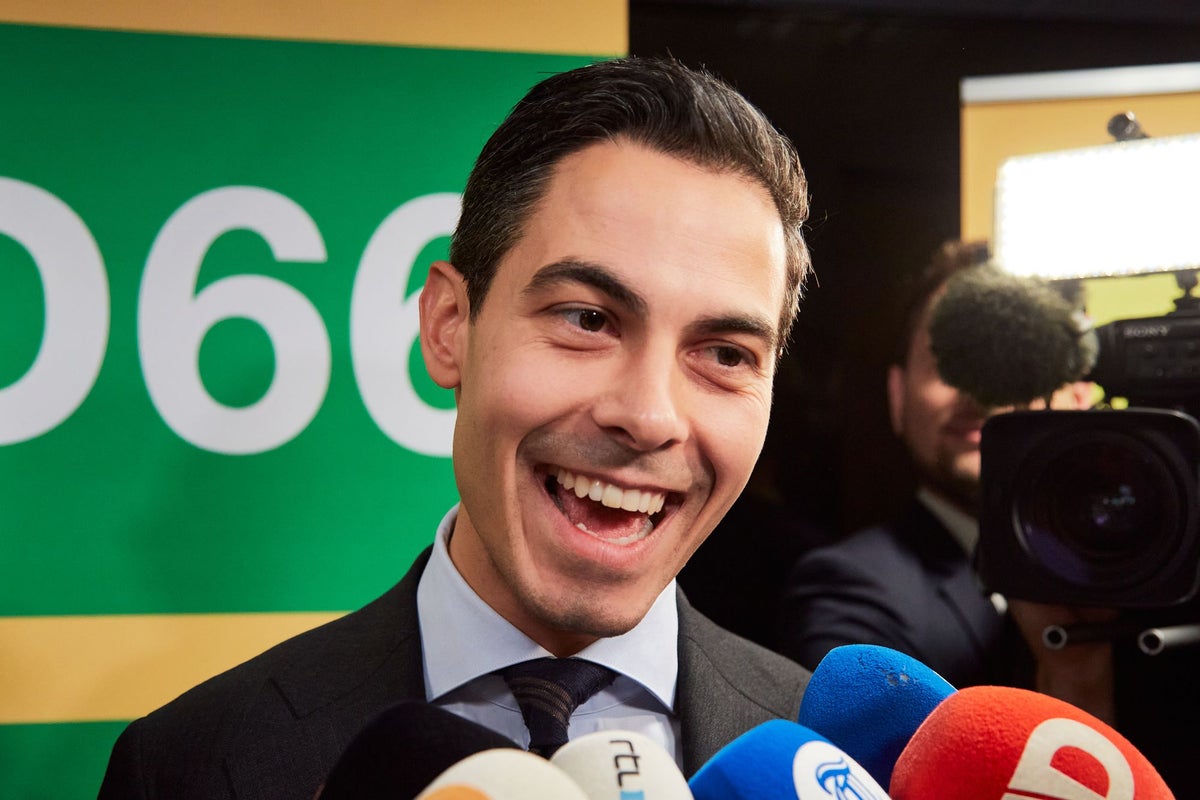
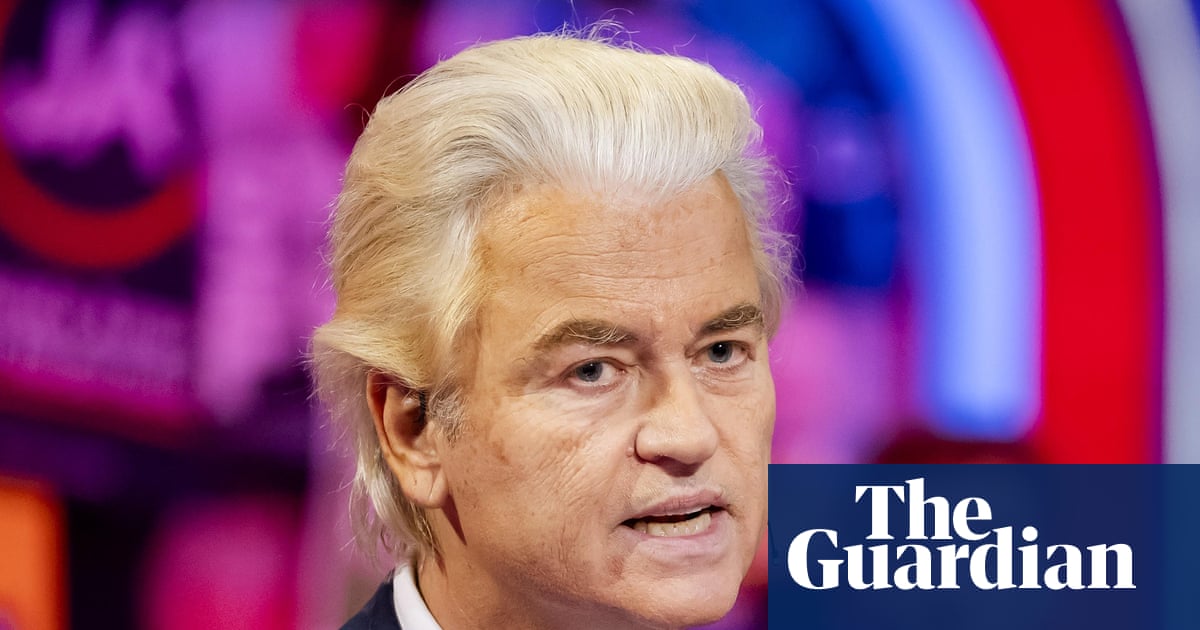
The big and unexpected winner of last week’s poll was 38-year-old Rob Jetten, the charismatic leader of the centrist liberal party D66, which almost tripled its vote and is set to top the polls by a whisker. Basing his campaign on the Obama-style slogan “Yes we can”, Mr Jetten presented himself as an optimistic unifier to an electorate exhausted by the polarising politics of Geert Wilders, whose anti-immigrant Freedom party (PVV) dominated the outgoing coalition. He now has a very good chance of being the country’s youngest-ever prime minister.
Rumours of the death of Europe’s political centre may have been exaggerated after all. But the celebrations should not be overdone. Understandably euphoric, Mr Jetten told his supporters after the election: “We have turned the page on Wilders”. For the time being that is true. Mr Wilders’ mainstream coalition partners have no intention of teaming up with him again, following his decision to collapse the last government when it failed to enact his extreme anti‑immigration plans.