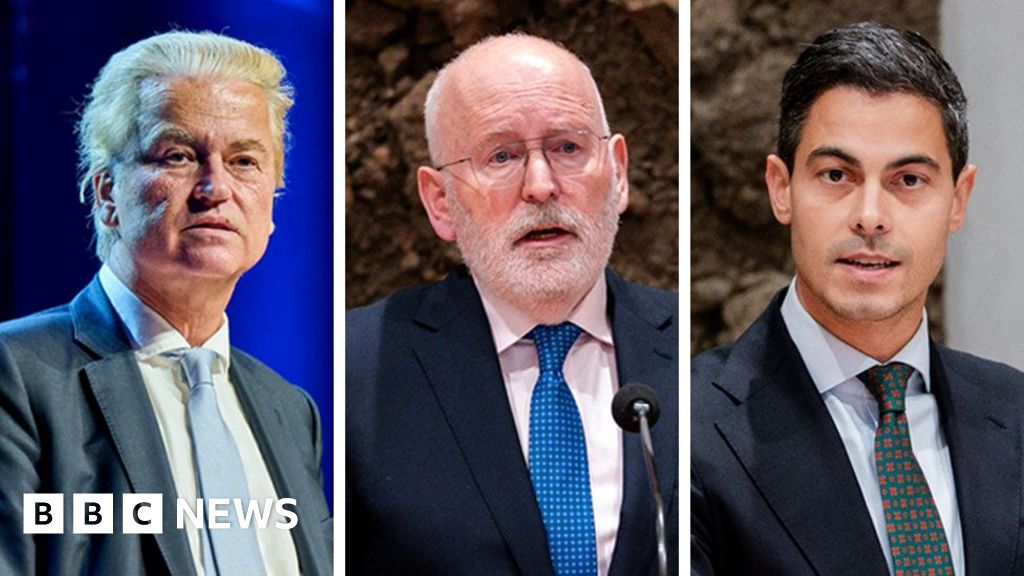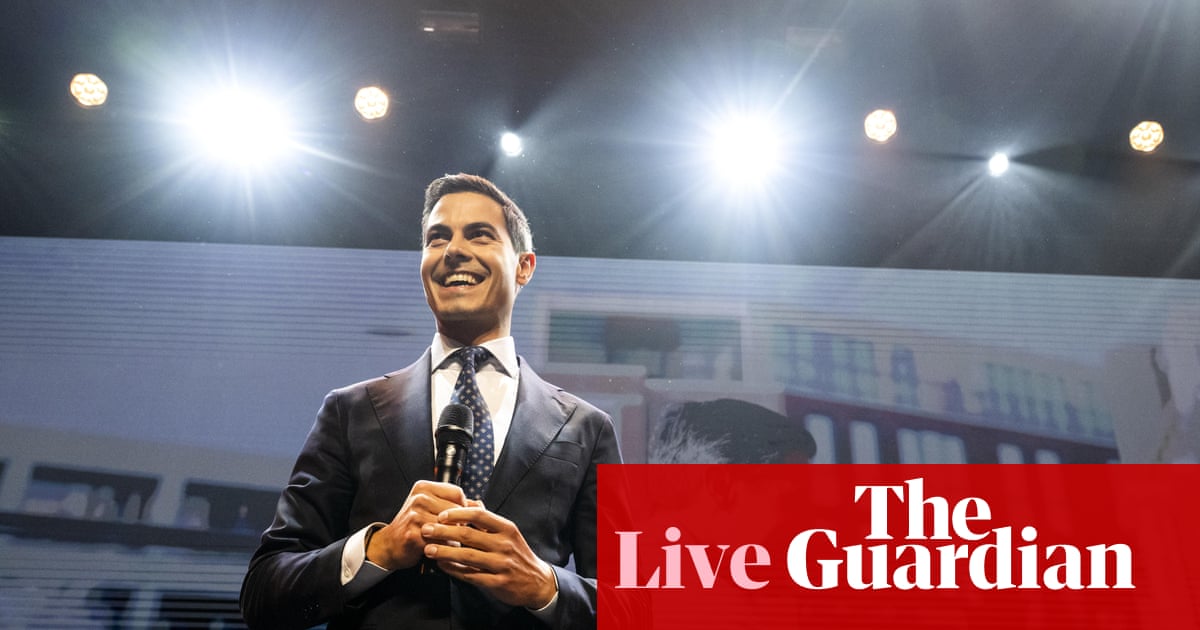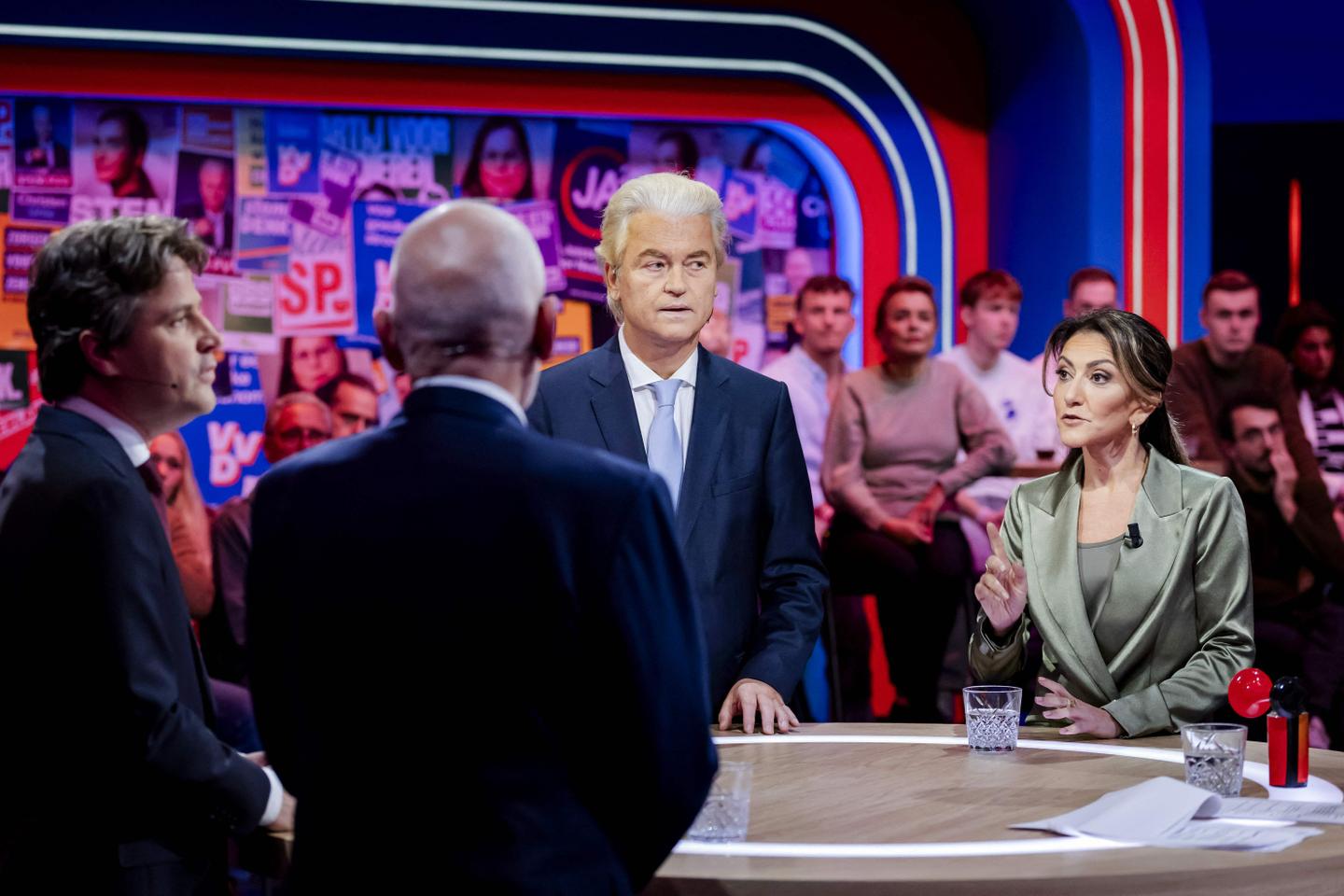
(From left to right) Henri Bontenbal, leader of the Christian Democratic Party, Frans Timmermans, leader of the Labour Party, Geert Wilders, leader of the far-right Party for Freedom (PVV) and Dilan Yesilgoz, leader of the People's Party for Freedom and Democracy, during a debate in Hilversum, the Netherlands, October 23, 2025. SEM VAN DER WAL / AFP
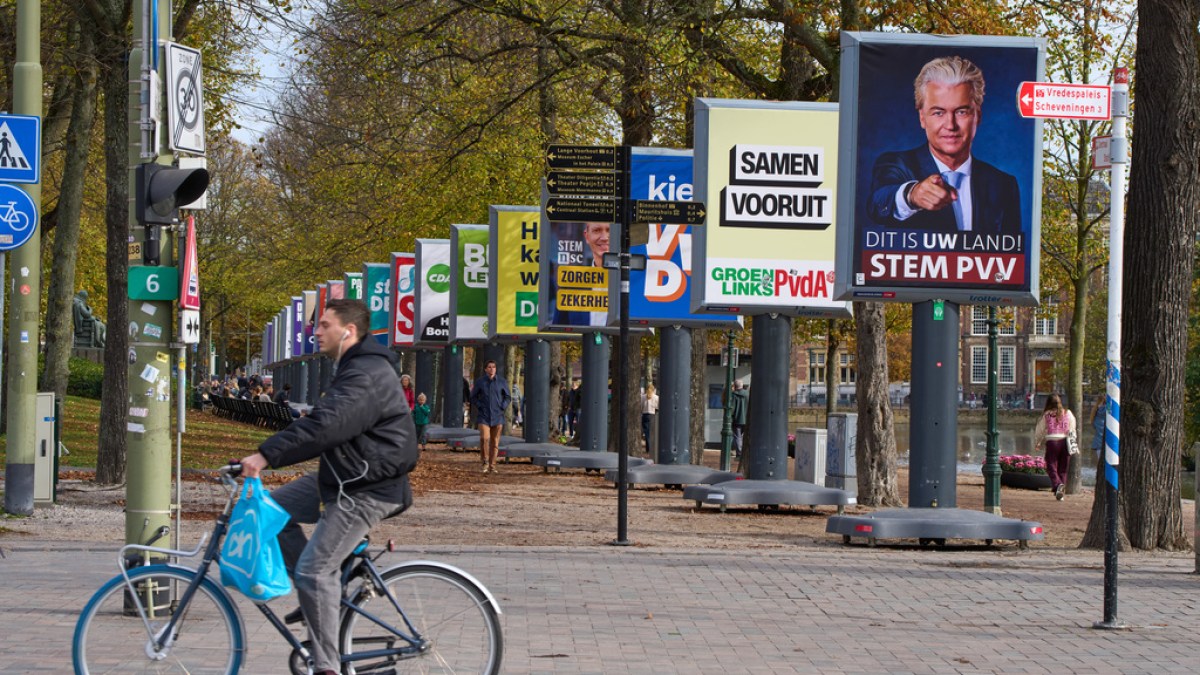
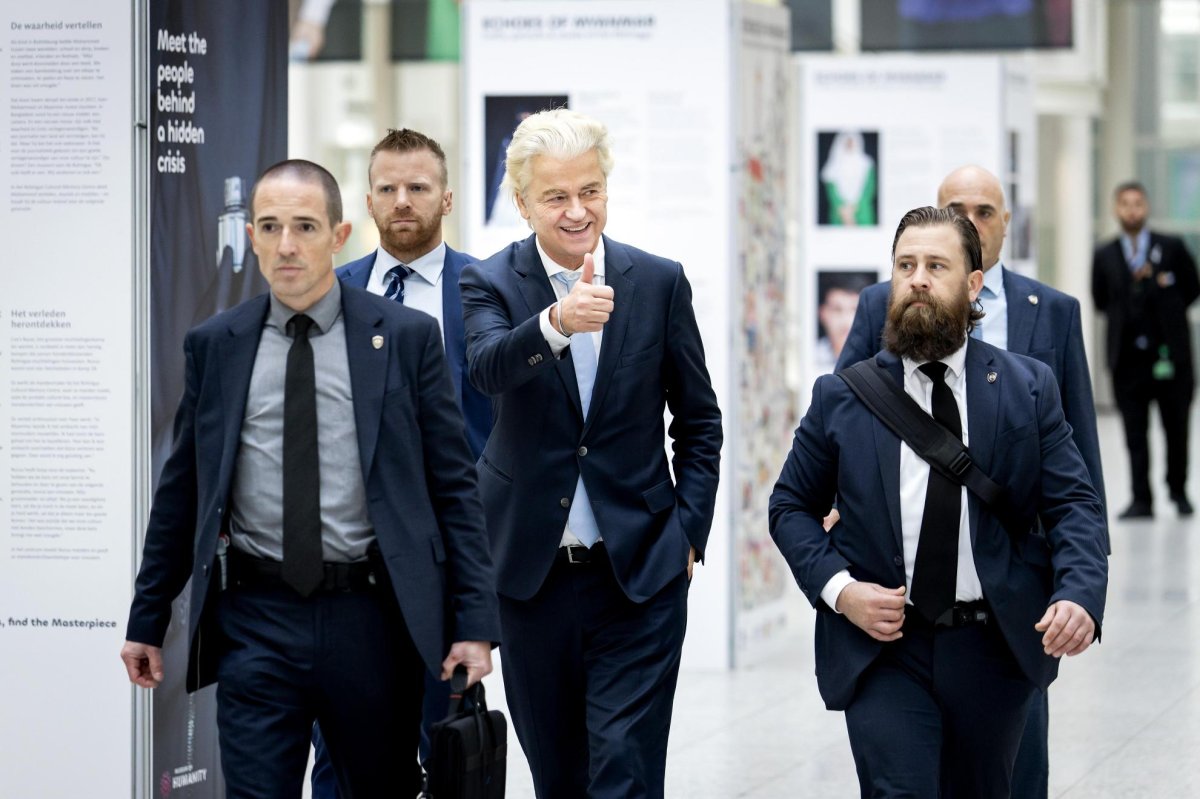
The Dutch return to the polls on Wednesday, October 29, just 23 months after making the Party for Freedom (PVV), led by Geert Wilders, the largest party in the country during the November 2023 elections. The far-right party won 37 out of 150 seats in the Tweede Kamer, the lower house of parliament. A coalition led by senior civil servant Dick Schoof was formed in July 2024, following intense negotiations. That government lasted less than a year, as Wilders hastened its collapse in June, triggering early elections.
The PVV leader cited the refusal of his three right and centrist coalition partners to fully implement his platform for "the strictest asylum policy," the slogan that had secured his victory. He asserted that Wednesday's vote would be "the last chance to save the country."
The populist party could be the only winner in the high-risk venture taken by those who agreed to govern with him. Several polls, in fact, suggested that the PVV would lose a few seats but remain the largest party in the kingdom, well ahead of GroenLinks, the left-wing green and Socialist alliance, and the Christian Democratic Party. Two of its three former partners – the People's Party for Freedom and Democracy (VVD, liberal) and the Farmer – Citizen Movement (BBB) – were expected to see significant losses, while the third, New Social Contract (centrist), could even disappear altogether or, at best, hold on to just one of its current 20 seats.