A
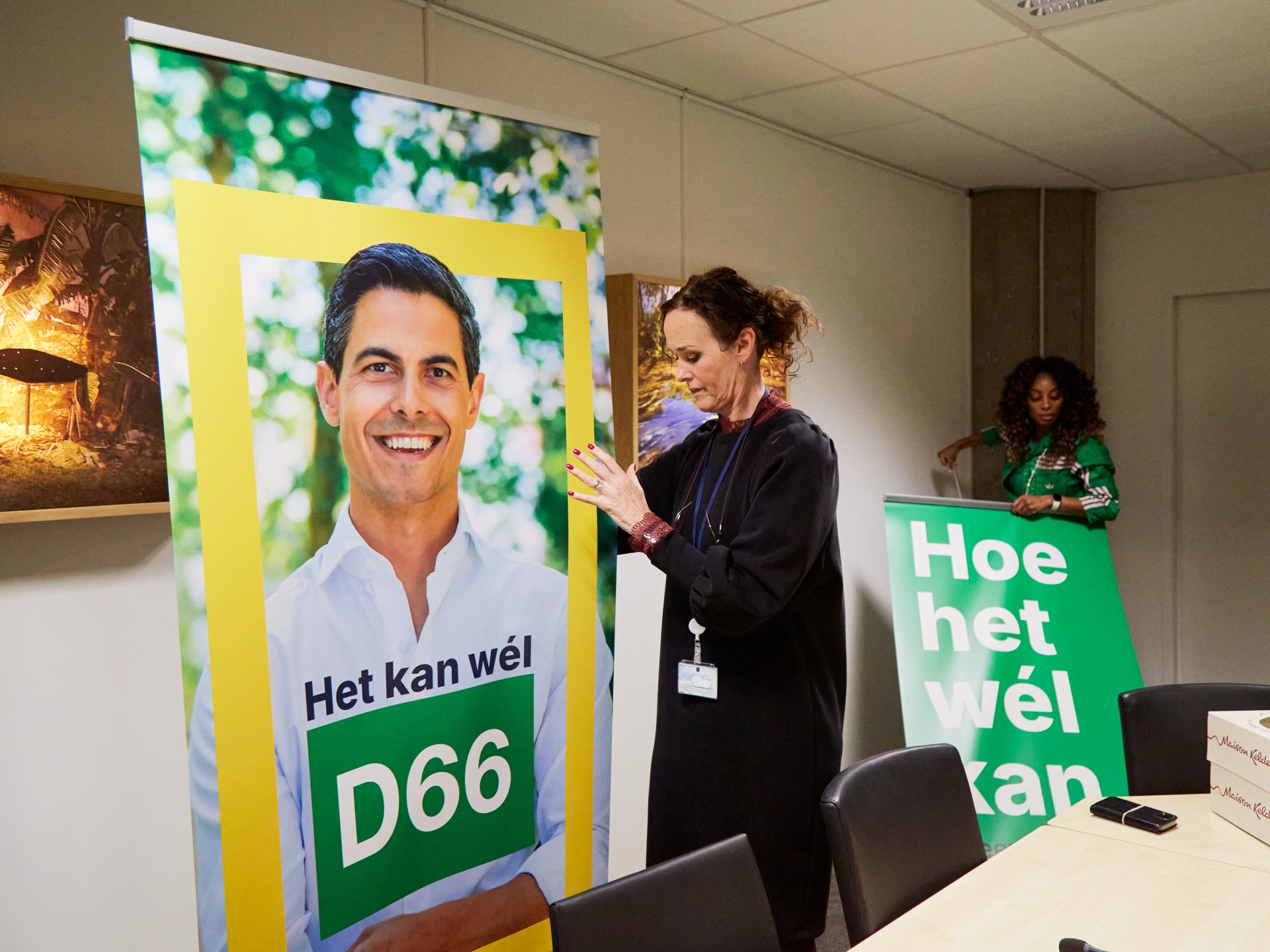
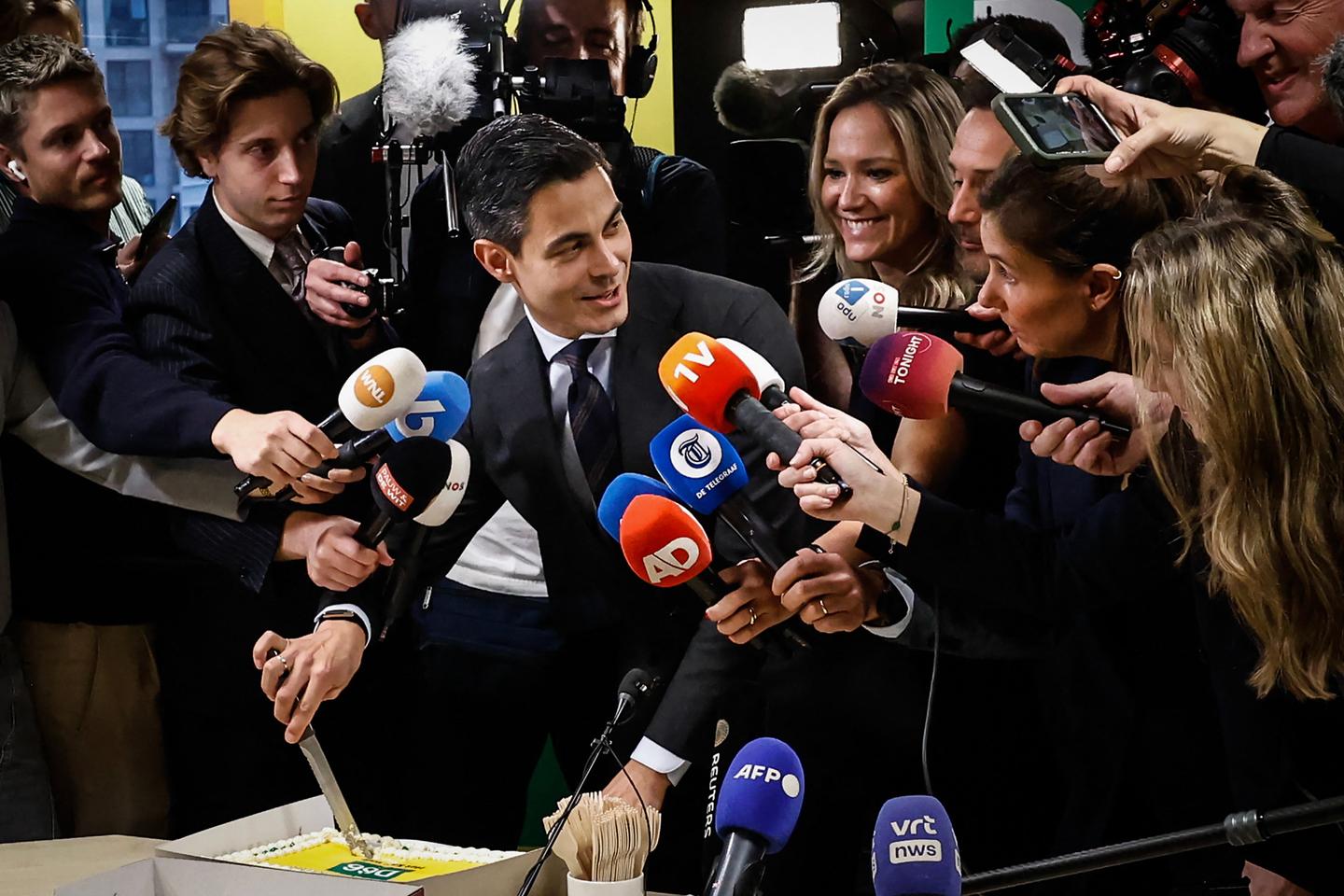
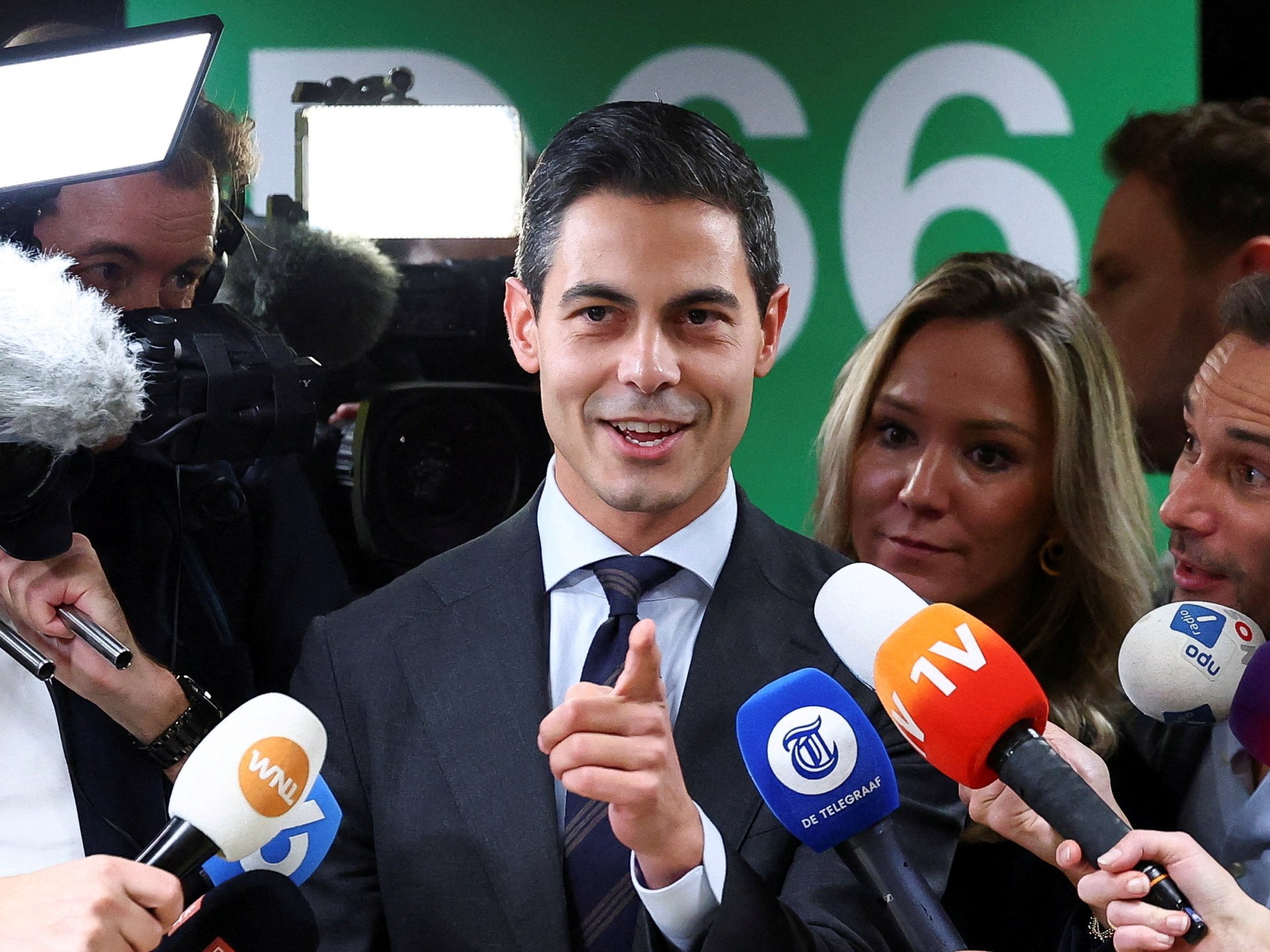
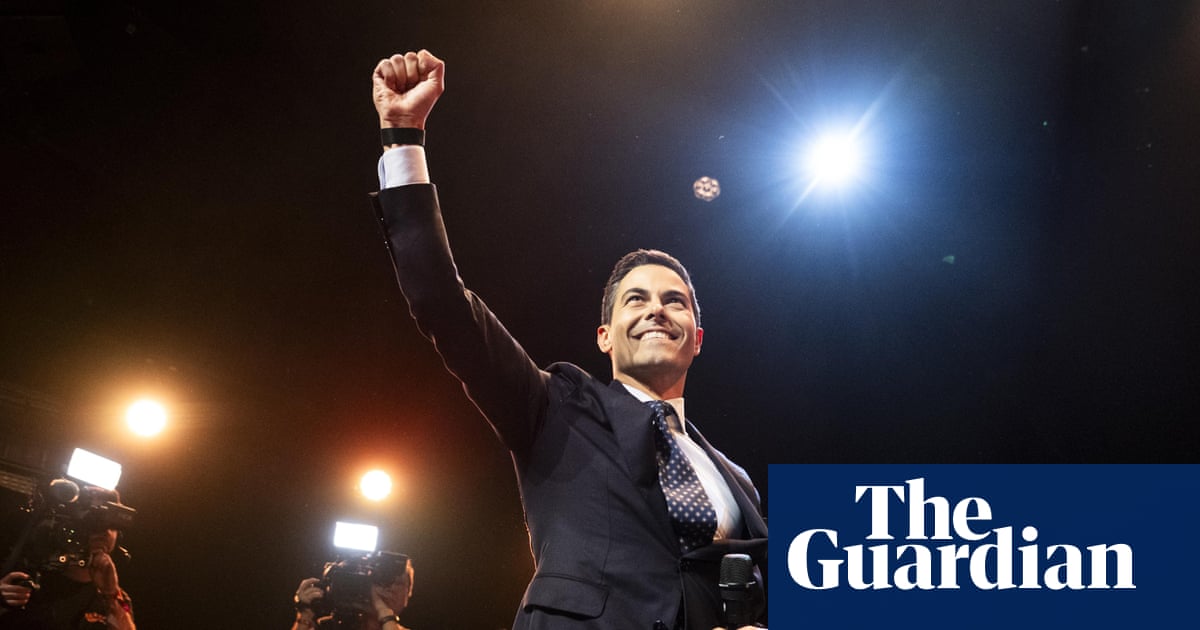
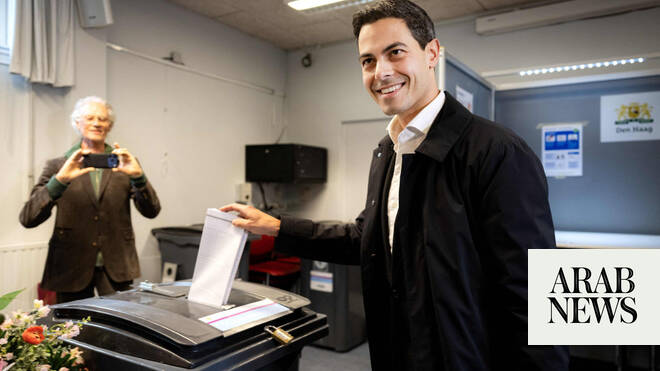
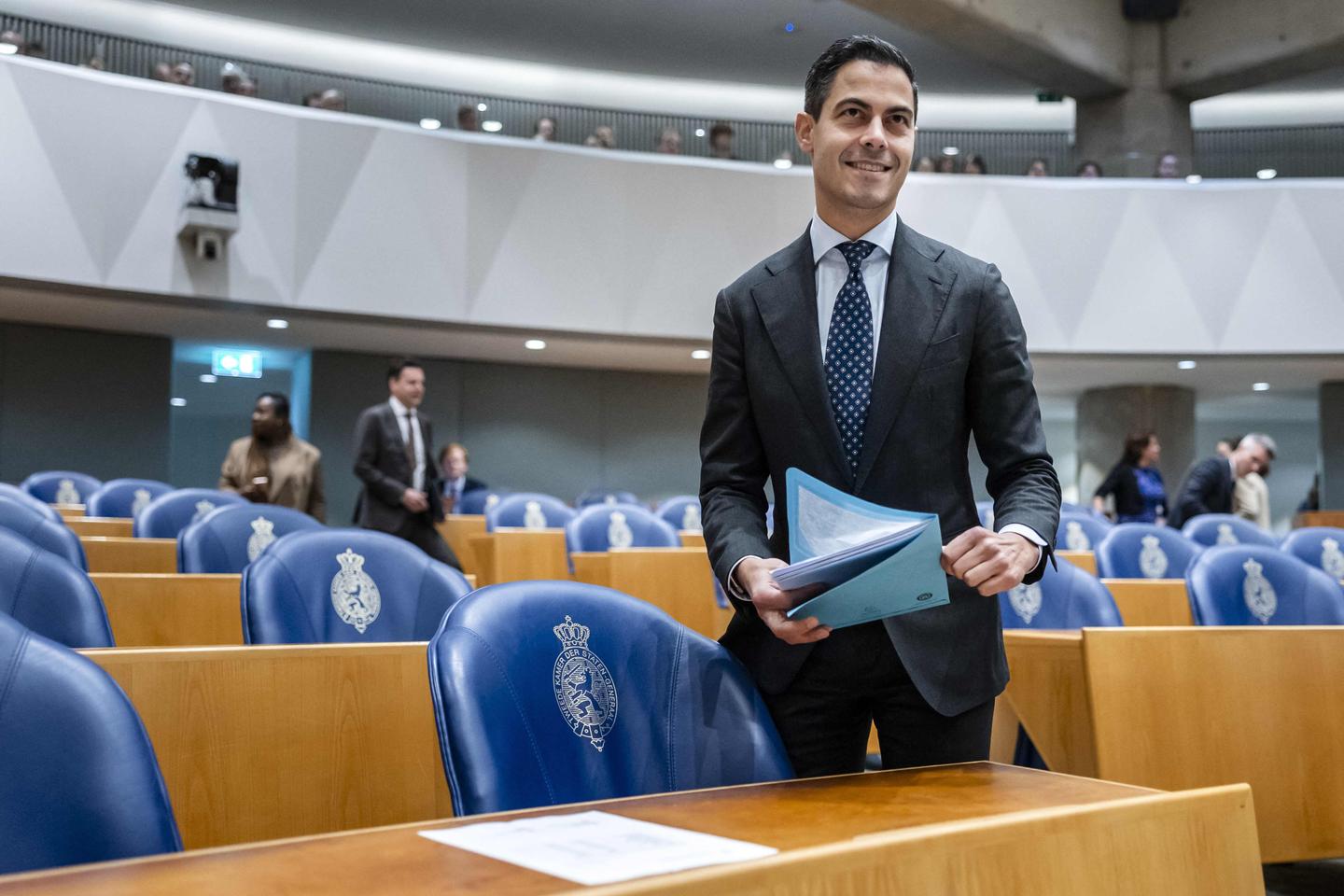
fter the unexpected victory of centrist Rob Jetten in the legislative elections on October 29, coalition negotiations recently began in the Netherlands. As is often the case, they are expected to be very complicated. The leader of the social-liberal Democrats 66 (D66) party will either have to bring together the liberal right and the socialist and environmentalist left, thus overcoming deep divisions, or turn to smaller parties that risk weakening his future coalition. 15 parties are now being represented in a House of Representatives more fragmented than ever before, and Jetten's first challenge will be to quickly deliver on one of his campaign promises: to restore stability to a country that has been through nine different governments since 2002 and three elections in just five years.
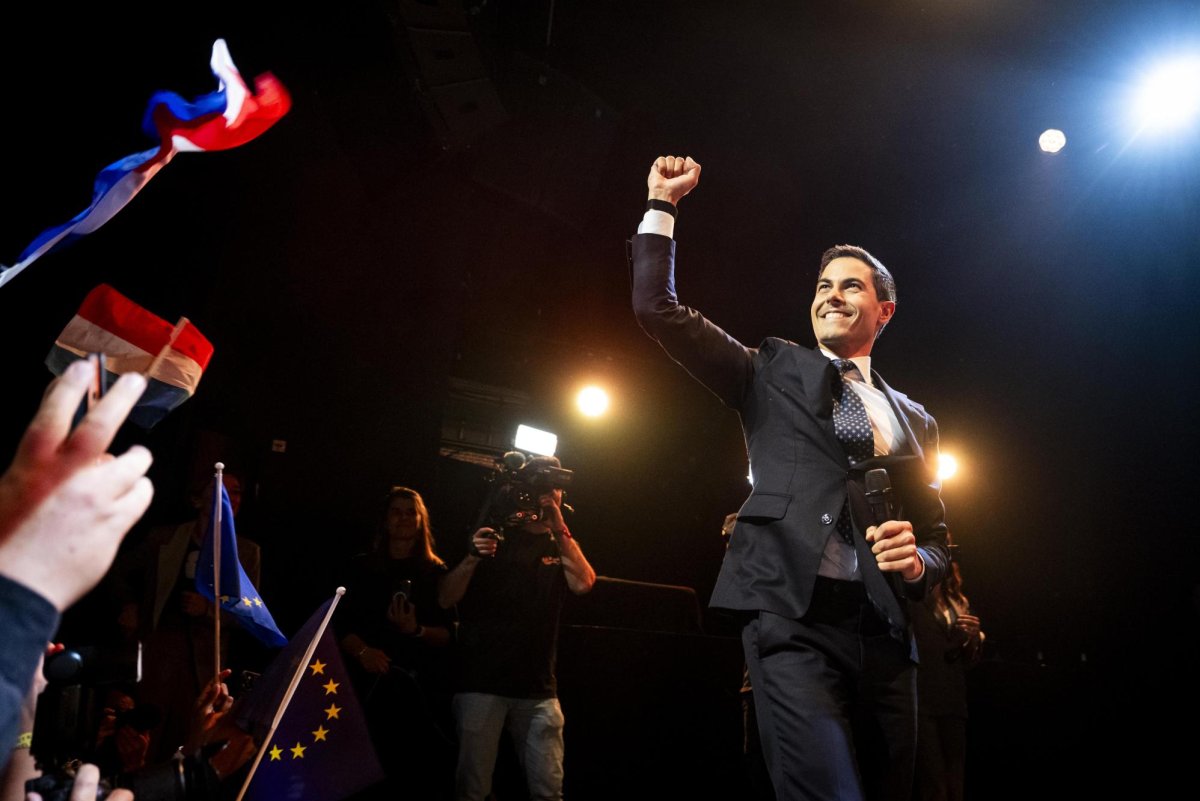
Jetten, the young D66 leader who edged out Geert Wilders and his Party for Freedom (PVV, far right), has offered renewed hope to those in the Netherlands and across Europe who wondered whether the rise of populist parties could be halted. The positive message he set against his rival's "20 years of negativism" and his call to "think bigger" threw off his competitors and appealed to an electorate that has spent two decades searching for alternatives within a political system they see as too complicated and as unable to meet their expectations.