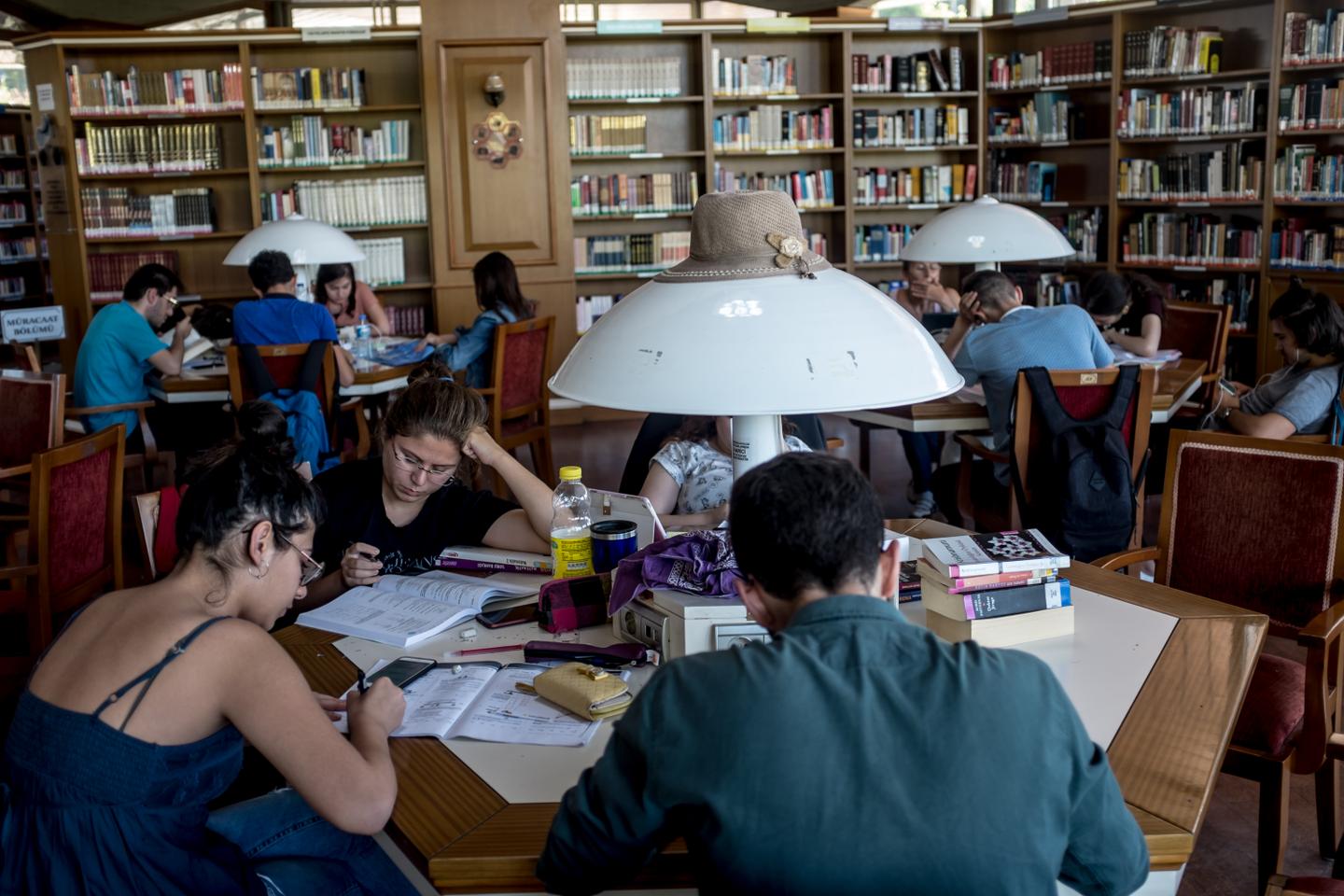
Students working in a library in Istanbul, Turkey, on September 8, 2017. YASIN AKGUL / AFP
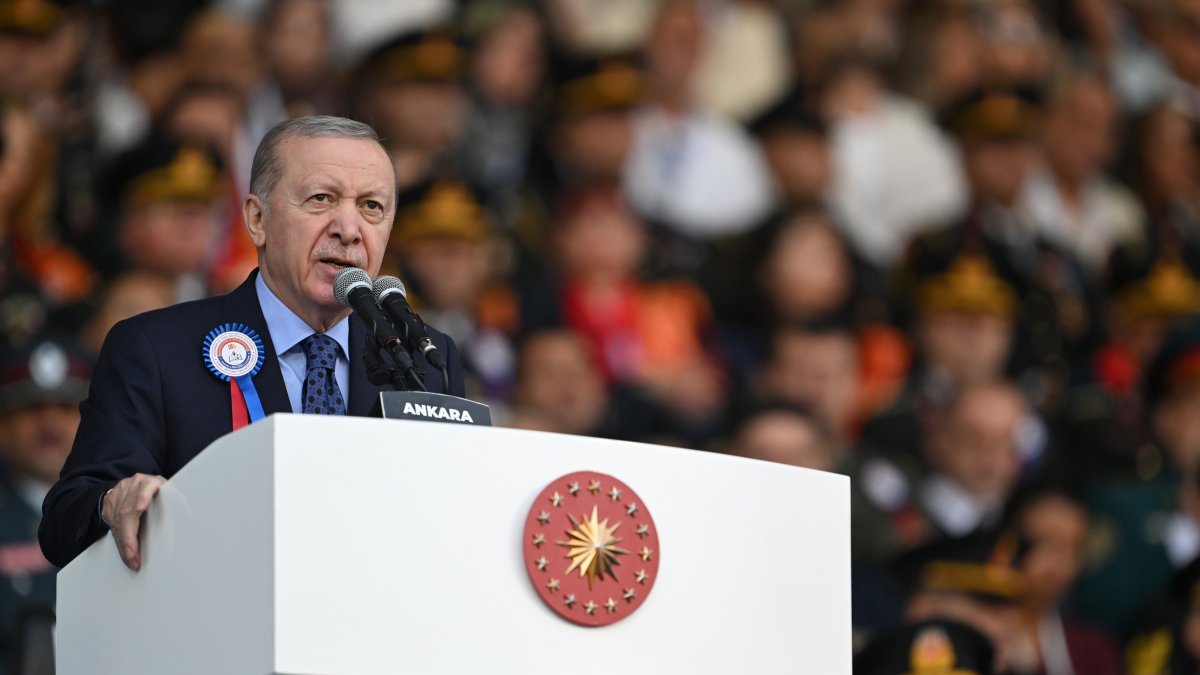
Recep Tayyip Erdogan announced early October, in Ankara, during the opening ceremony of the academic year, that a reform aimed at "simplifying university programs" would be implemented by "reducing the length of studies required for a diploma from four years to three." Observers reacted with relative perplexity. The Turkish president emphasized that learning would henceforth be more focused on "practice and research," and the academic community wondered whether the head of state would clarify which academic tracks would be affected. He did not. When he finally assured, "Thanks to these reforms, Turkey's higher education system will be both more effective and better aligned with international standards," researchers, scientists, and students simply fell silent.
The most recent surveys have certainly invited skepticism. In just a few weeks, several reports highlighted the dramatic decline of Turkish higher education and, as a result, that of an entire generation of young people. In quick succession, a series of statistical studies from Eurostat and then the annual education report from the Organisation for Economic Co-operation and Development (OECD) painted a bleak picture: With a relentless compilation of raw data from about 40 countries, the latter document showed just how much Turkey, without a real change in direction, risked losing a whole section of its youth.