Stuffed, roasted, sauteed or mashed, pumpkin and squash truly are the great culinary chameleons of autumn
P
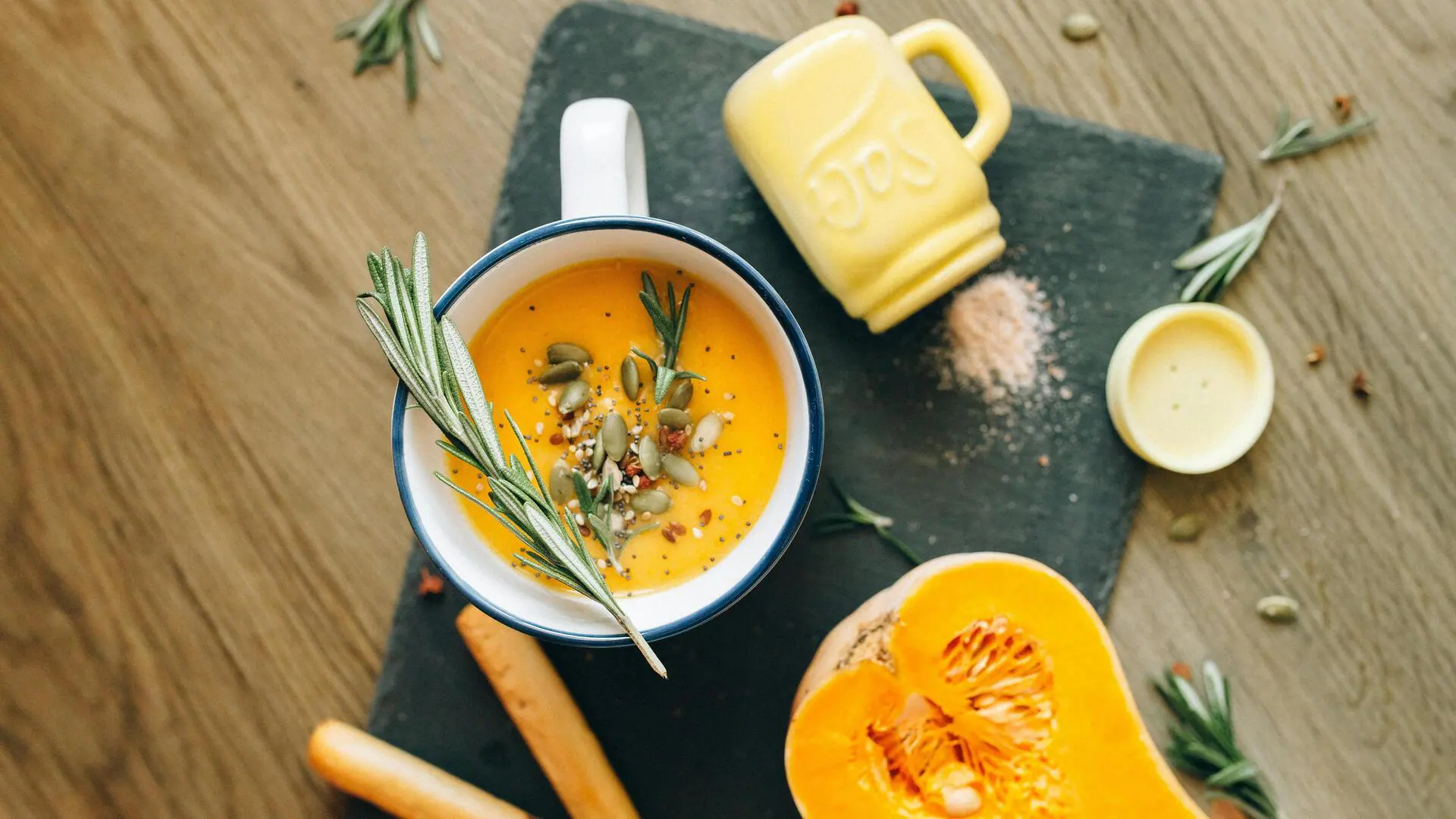
umpkins and squash seem the perfect symbol of autumn and winter cooking. The cook has the job of getting through that tough skin before finding the tender flesh, and they give off their best only after slow cooking. But it’s worth it. They are great culinary chameleons, able to soak up and marry well with ingredients as diverse as gruyere, chipotle, rosemary, sage and nutmeg. Their smoky, sweet flavours are just right for the season of turning leaves.
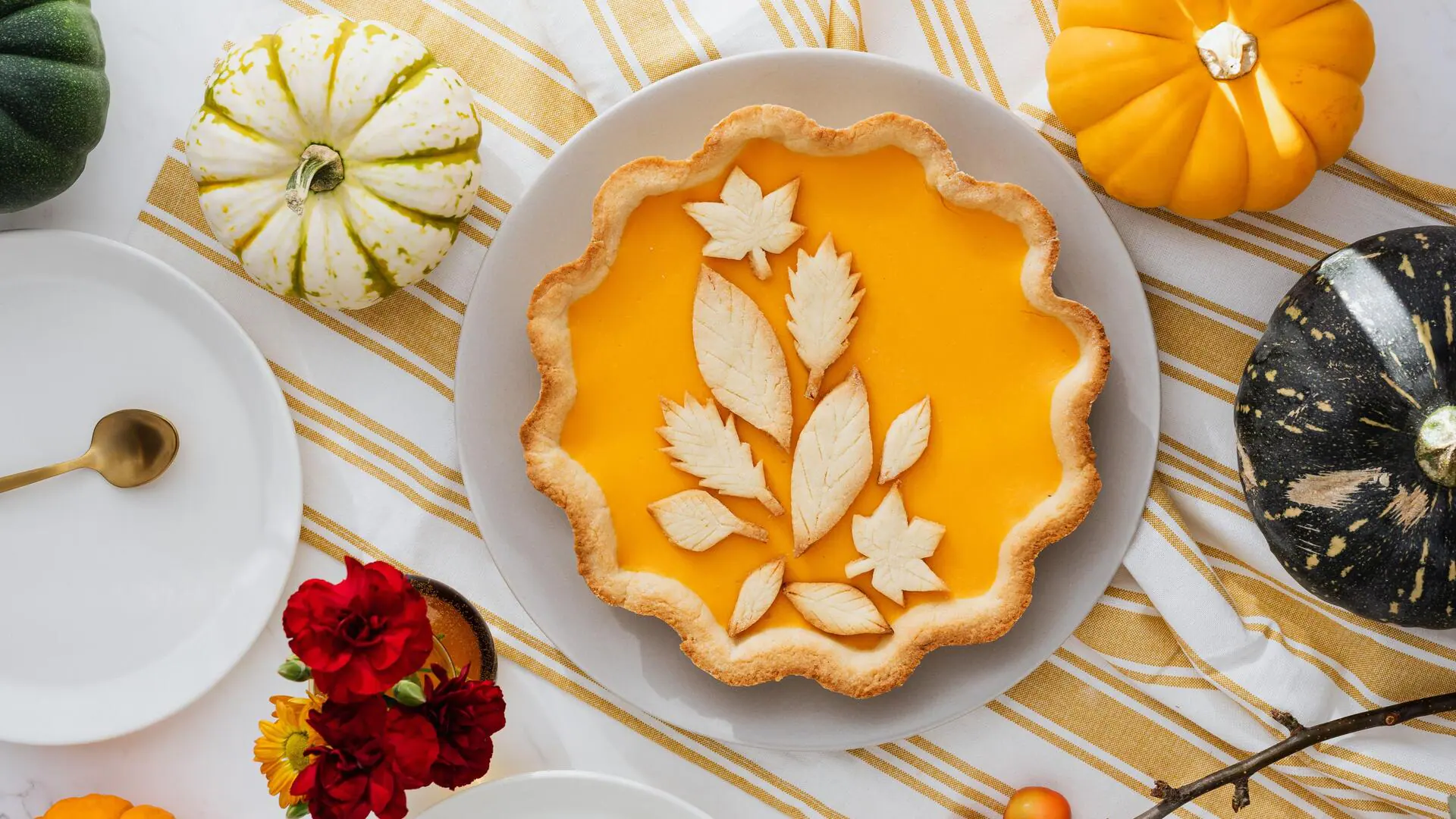
Confusion reigns, however, about the difference between a pumpkin and a squash. It is a difficult area, and often local usage dictates what is a squash and what is a pumpkin. Both are members of the same family and, although the terms are often used interchangeably, pumpkins are usually the jack-o’-lantern shape we associate with Halloween, with thick, orange skins, while squashes can be smooth, warty, striped, stippled, their skins as green and shiny as old leather books, pale yellow, flame orange or delicate amber. They come in myriad shapes – acorns, turbans, melons and curled, snake-like creatures – and sizes.
Each year, I display them before I cook them: a row is lined up on the kitchen table; a great big rouge vif d’etampes, a French variety that looks like Cinderella’s carriage and acts as a doorstop between kitchen and living room; little miniature ones with cute names such as munchkin, jack-be-little and baby boo sit among the candles on the mantelpiece. Their flesh, once cooked, can be as smooth as that of avocados or baked quince, the flavour as sweet as corn, or, admittedly, simply bland, if you end up with a bad specimen.