The professional environment for journalists taking on powerful interests is worsening in a polarised climate
T
he so-called anni di piombo (years of lead) remain a dark memory for Italians of a certain age. The semi-normalisation of political terrorism and mafia hits in the 1970s and 80s blighted civic life, and that brutal past continues to haunt the present. Forty-five years after the fact, a retired police officer has just been arrested in relation to the mafia killing in 1980 of Piersanti Mattarella, the then president of Sicily.
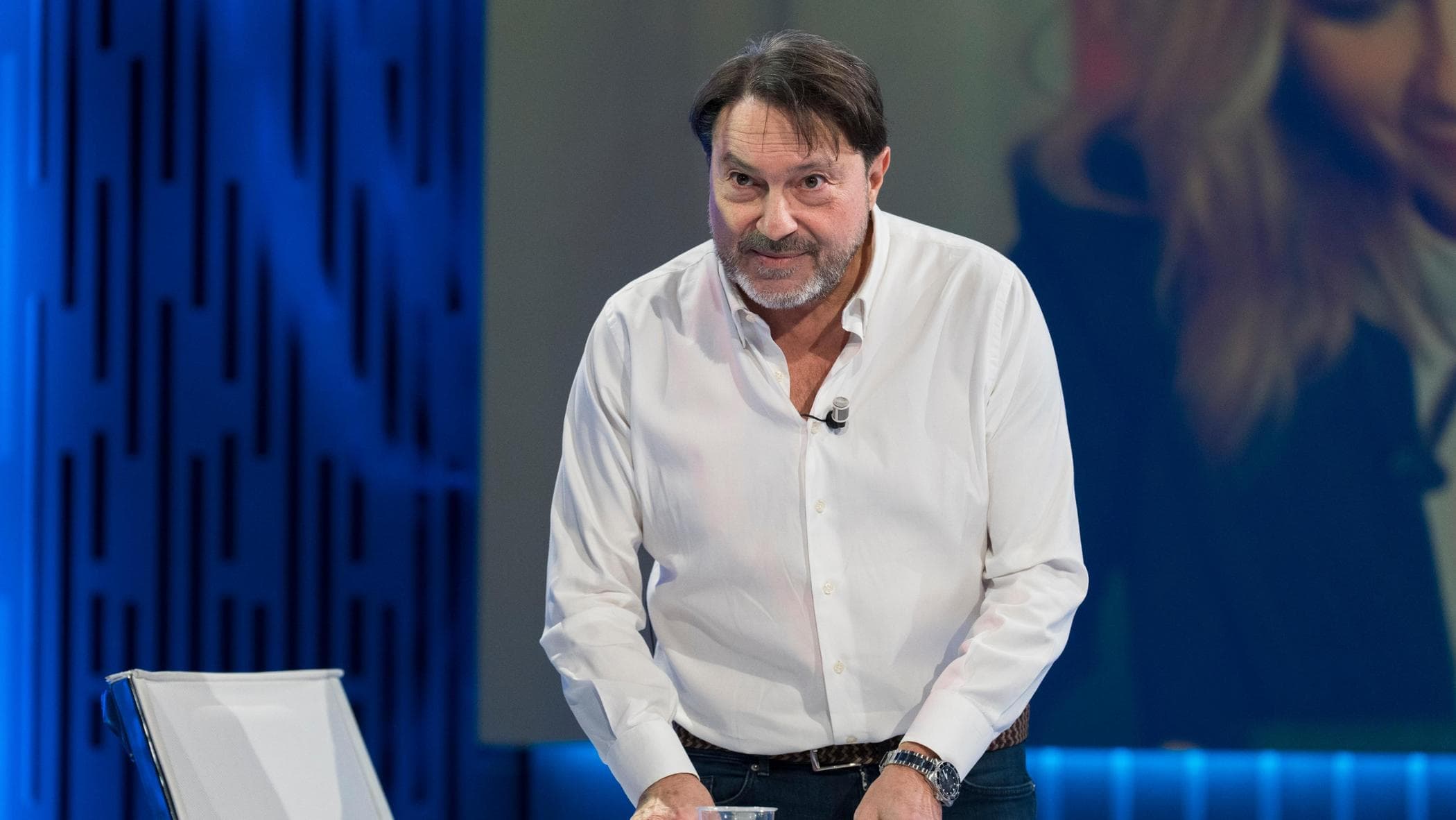
Unsurprisingly, given that history, the blowing up of a car belonging to one of Italy’s most famous investigative journalists has prompted an urgent and angst-ridden debate. Sigfrido Ranucci, who hosts a prime-time show on Rai, Italy’s state broadcaster, is known for presenting hard-hitting investigations into political corruption and organised crime. Earlier this month, a powerful bomb almost destroyed his black Mercedes, which was parked outside his home near Rome. The attack appeared to be timed to coincide with the eighth anniversary of the assassination of the Maltese investigative journalist Daphne Caruana Galizia.
The likelihood is that this was a mafia operation. The winter series of Mr Ranucci’s Report programme – which kicked off this week – will include investigations into the ’Ndrangheta organised crime group in Calabria, which has repeatedly threatened him in the past. He has been receiving enhanced police protection since 2021.