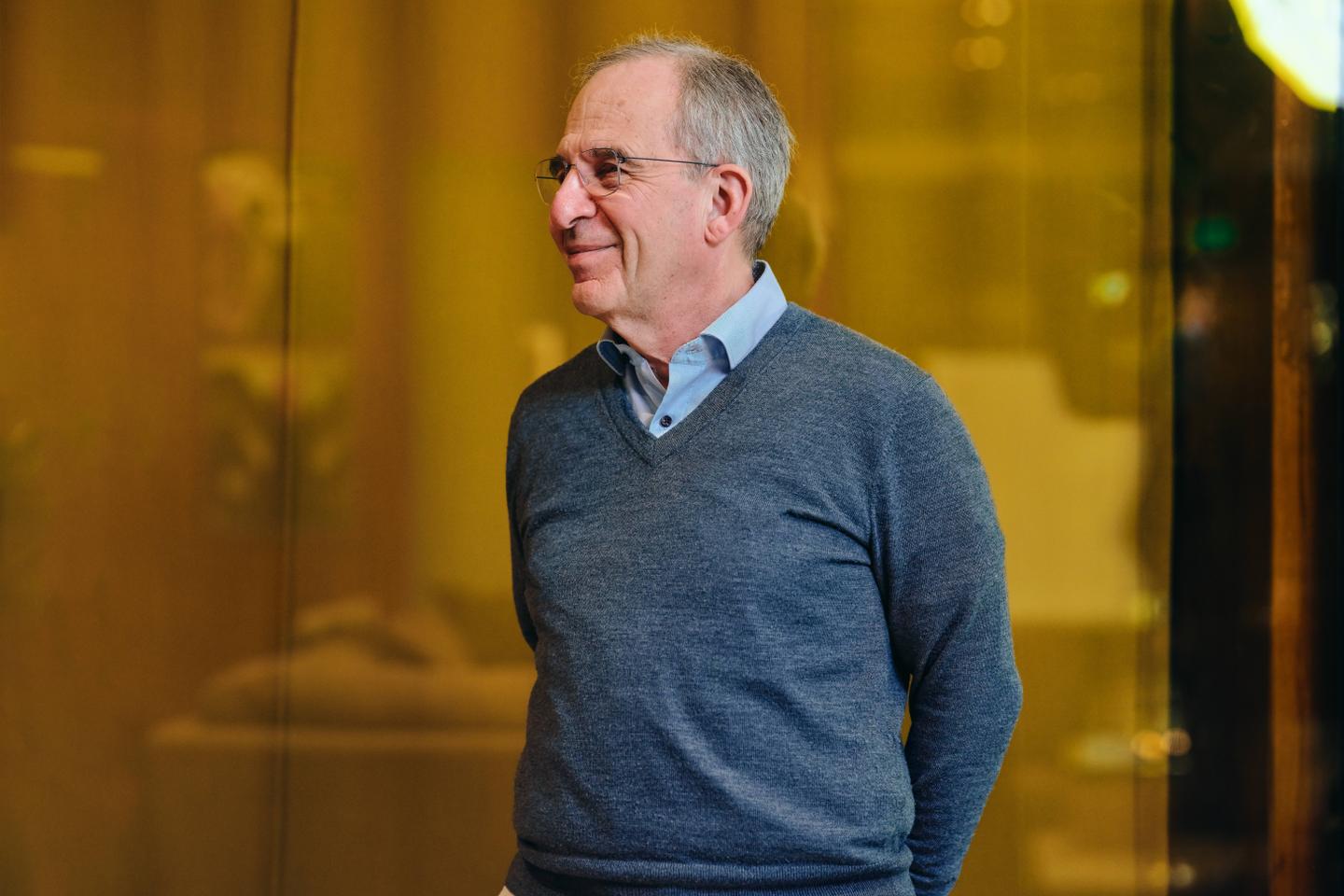
Michel Devoret in California, United States, November 14, 2023. GOOGLE/QUANTUM AI
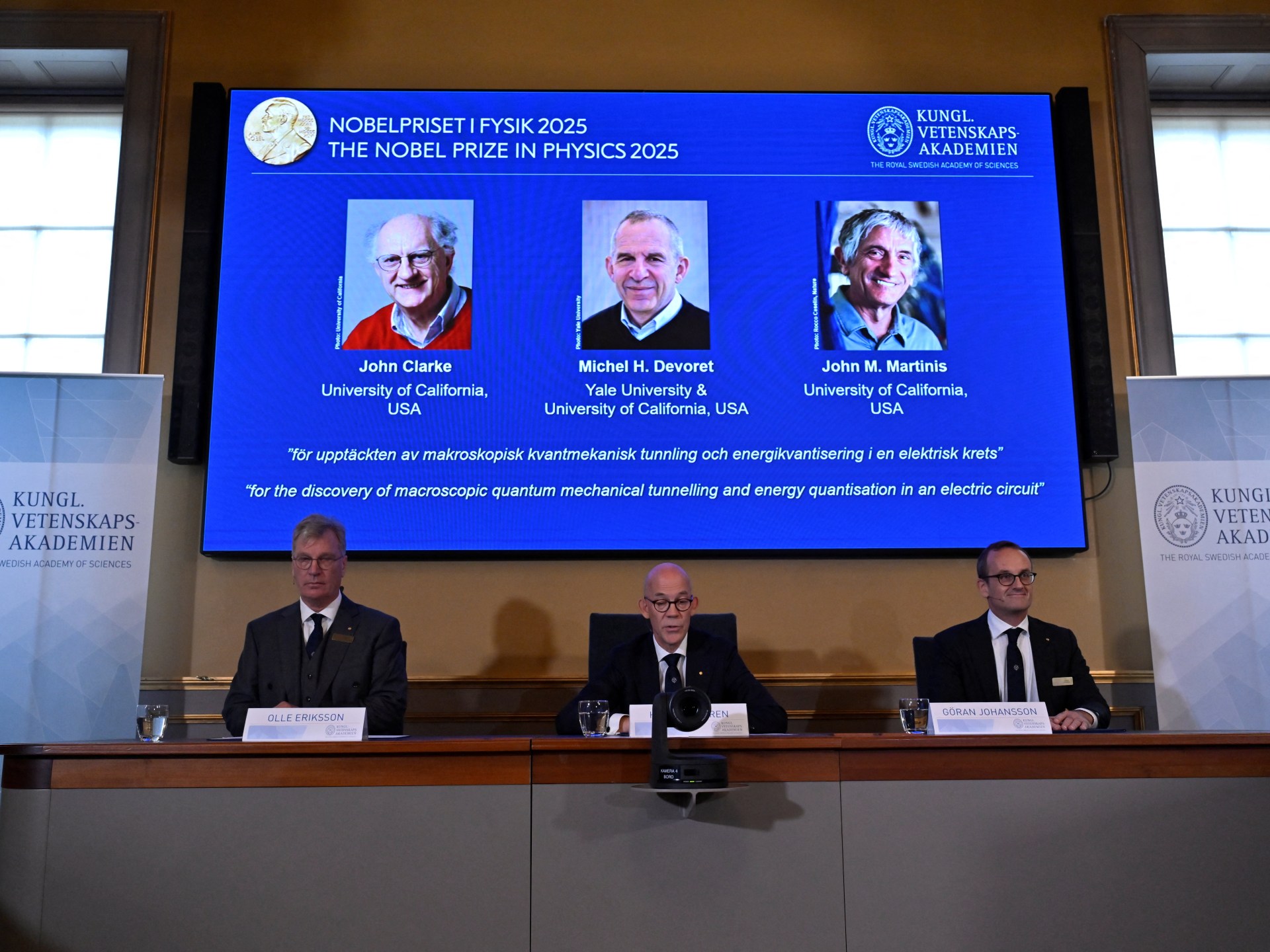
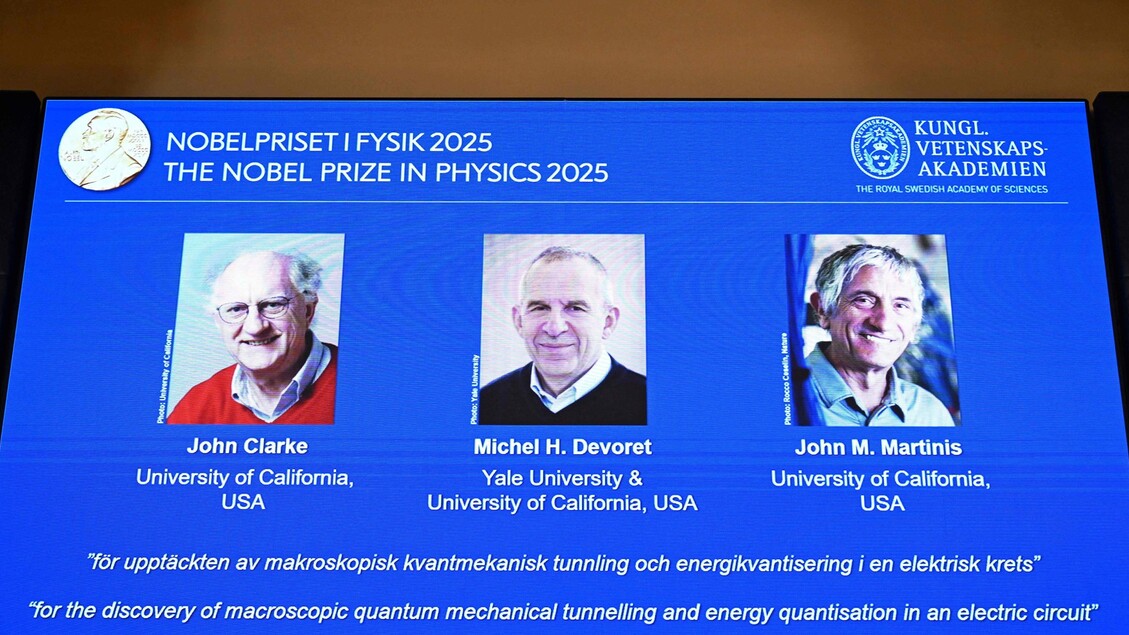
"I've veered into a parallel universe," observed physicist Michel Devoret, age 72, still in shock a few days after receiving the Nobel Prize on October 7, together with Britain's John Clarke and America's John Martinis. He almost felt as if he existed in two states at once, just like the quantum objects he studies. He was, of course, happy, but also nervous and annoyed at being seen as egocentric, when he was constantly praising his "excellent" colleagues, co-laureates and members of the various teams he had worked with.
Subscribers only
Michel Devoret, 2025 Physics Nobel laureate: 'I thought it was a prank. The quantum computer is not here yet'
The metaphor was hardly trivial, since the trio of researchers was honored for demonstrating that quantum mechanics, the preserve of the infinitely small, can produce surprising macroscopic effects – such as the tunnel effect, which the Swedish Academy, in its prize presentation, compared to a ball passing through a wall. "I prefer the image of a particle locked in a prison that escapes through a tunnel," corrected Devoret, illustrating, from California via videoconference, his gift for metaphors.