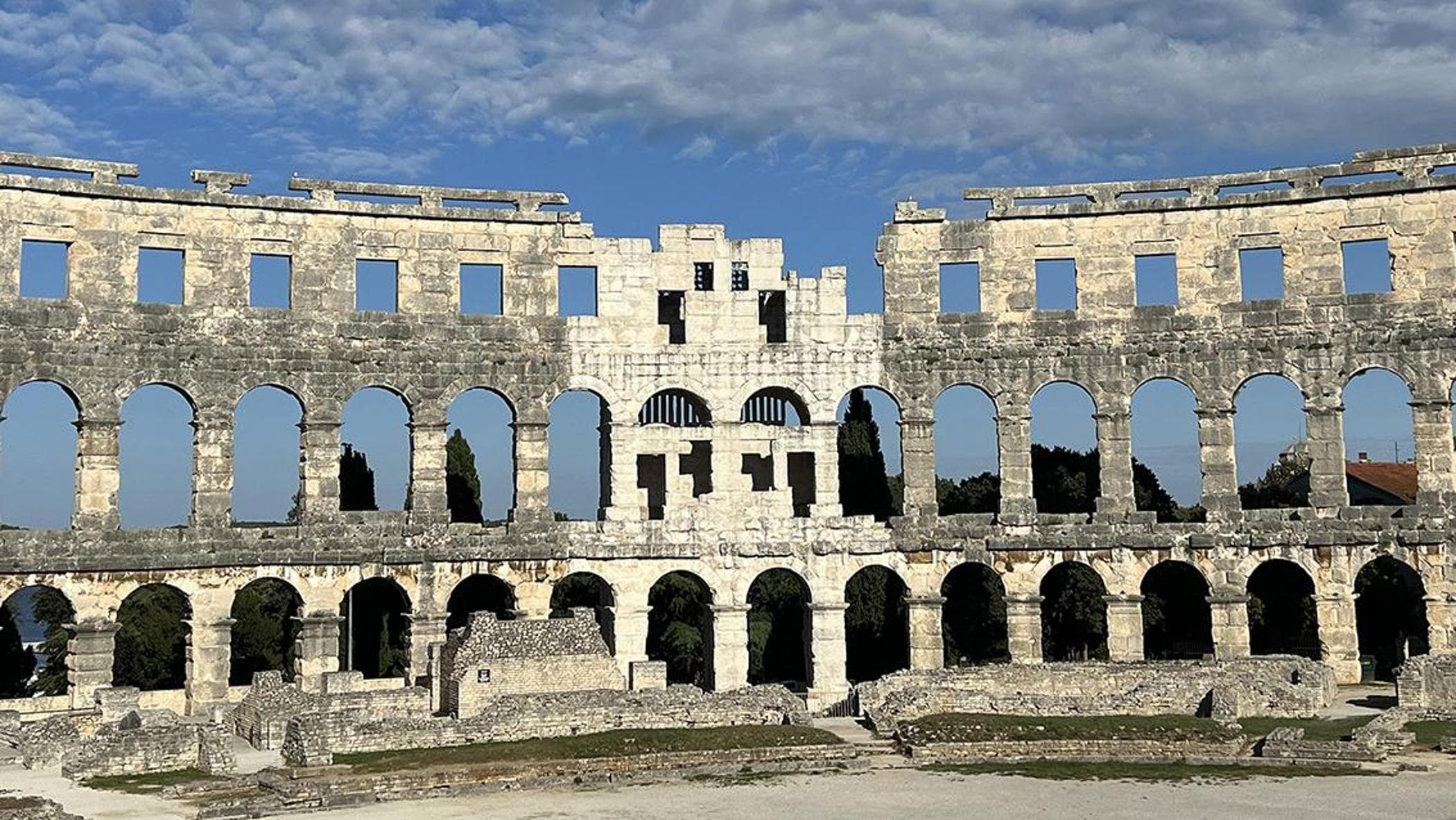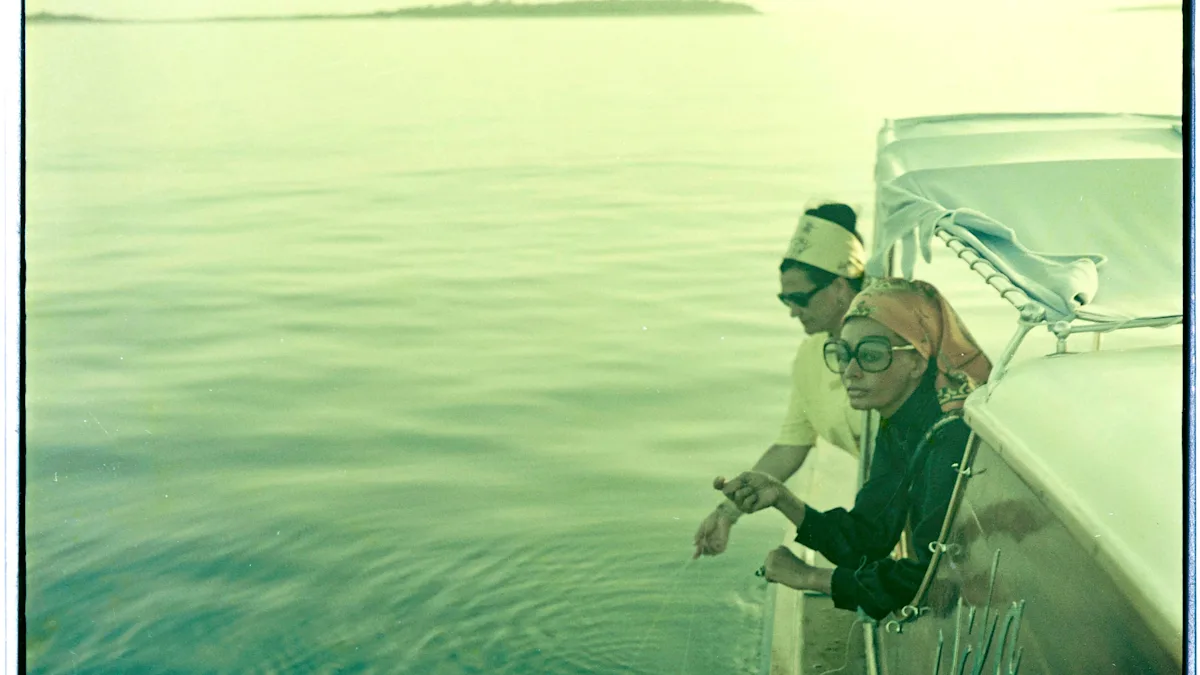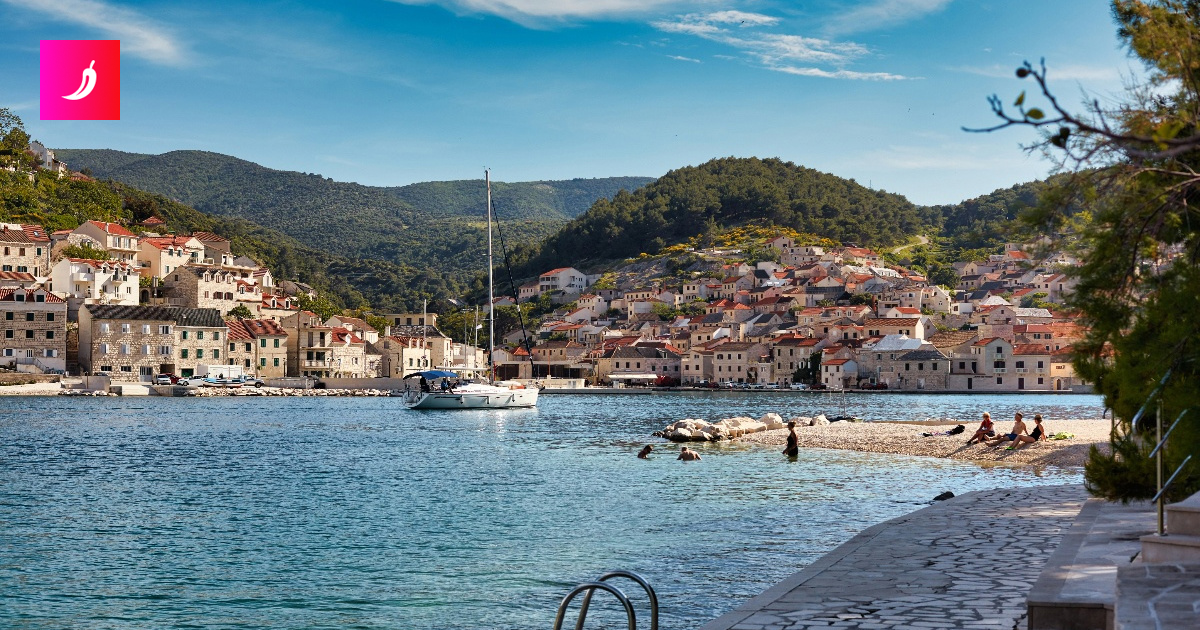
To reach the Croatian archipelago of Brioni one usually drives from Pula, a city in south-western Istria, to arrive at the fishing village of Fažana. From there, a ferry takes you to the islands. “When we first came to Brioni a few years ago, we couldn’t help but feel as if we were on the set of a Wes Anderson film,” write Sabina and Reiner Opoku in the foreword of their book Brioni Islands. “The morbid charm conveyed by the remnants of the Habsburg Empire’s grandeur, along with the architectural traces of the glory days of Yugoslav socialist realism, created a strange allure.”
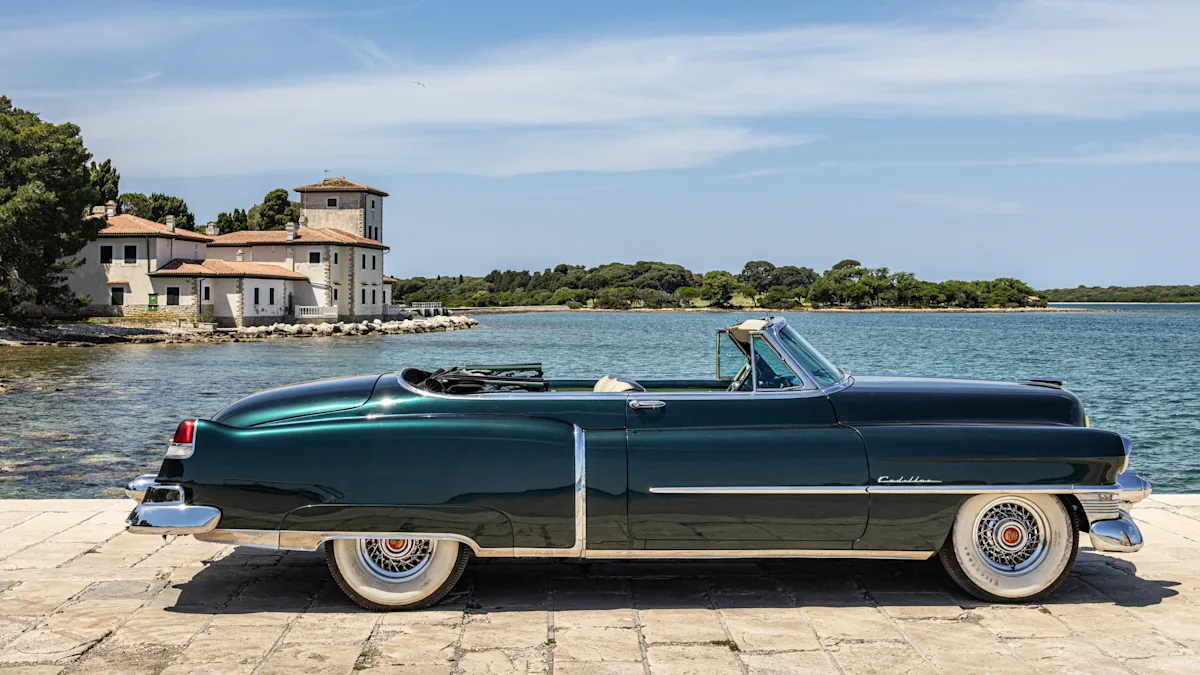
Dobrika Bay on Veli Brijun, with its 1957-built Villa Brionka, which belonged to Tito, and ruins of a Byzantine fort © Tom Wagner for Office Reiner Opoku
A room in Villa Primorka, also on Veli Brijun © Tom Wagner for Office Reiner Opoku
Saluga Beach © Tom Wagner for Office Reiner Opoku
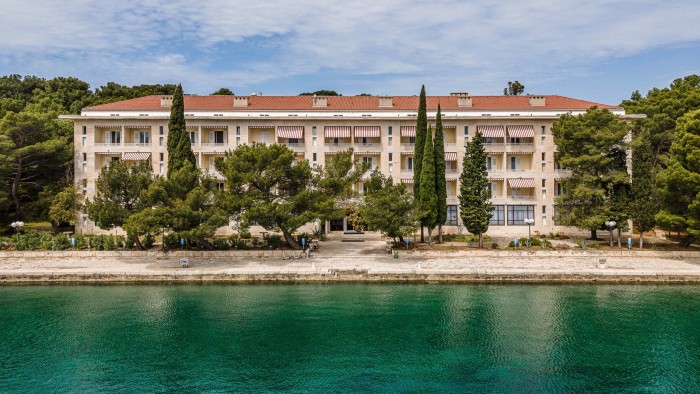
Along with its surprising flora and fauna, the archipelago has long cultivated an atmosphere of “cheerful absurdity”. The islands in their modern form were conceived by the then 50-year-old entrepreneur and Austro-Hungarian patriot Paul Kupelwieser in 1893. His first mission there was to eradicate malaria. He then returned, accompanied by the forester, surveyor, master builder and road engineer Alois Zuffar, to create his utopian dream. Together they uprooted Brioni’s dense scrub vegetation and planted tens of thousands of new trees. Forest landscapes, rolling meadows, paths and promenades developed over the years. Various fauna, including a tiger, zebras and giraffes brought there by the German zoologist Carl Hagenbeck, were introduced. Initially, there was a guest house with 14 rooms; later, the hotels Karmen and Neptun, together housing a couple of hundred guests, were added.