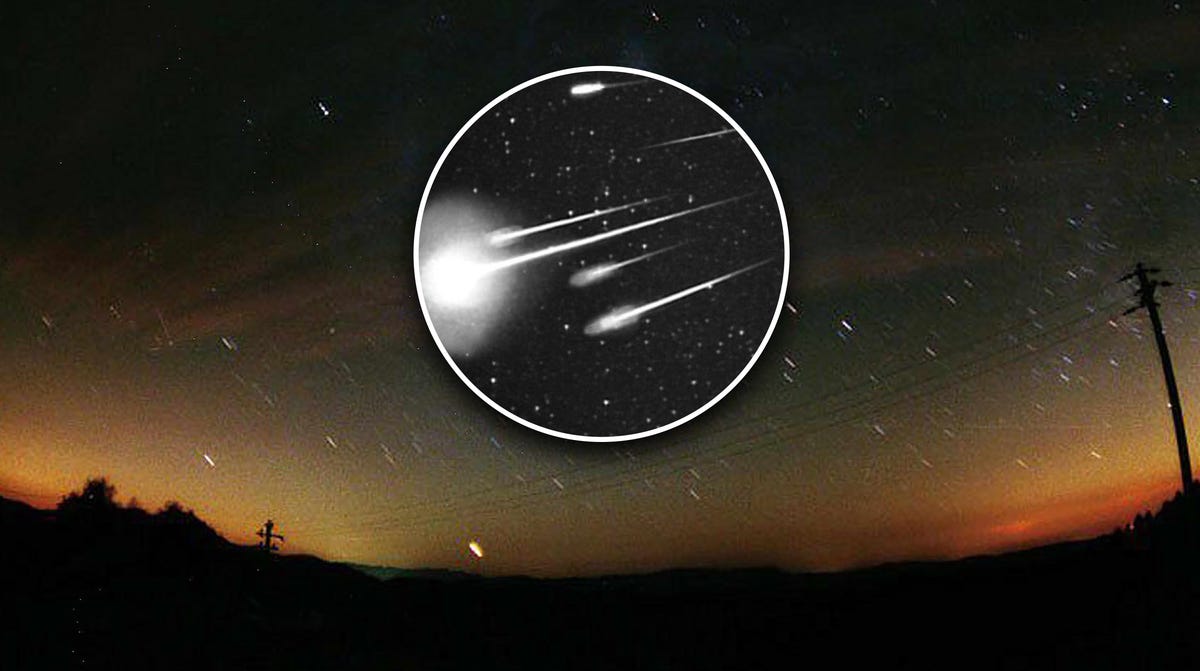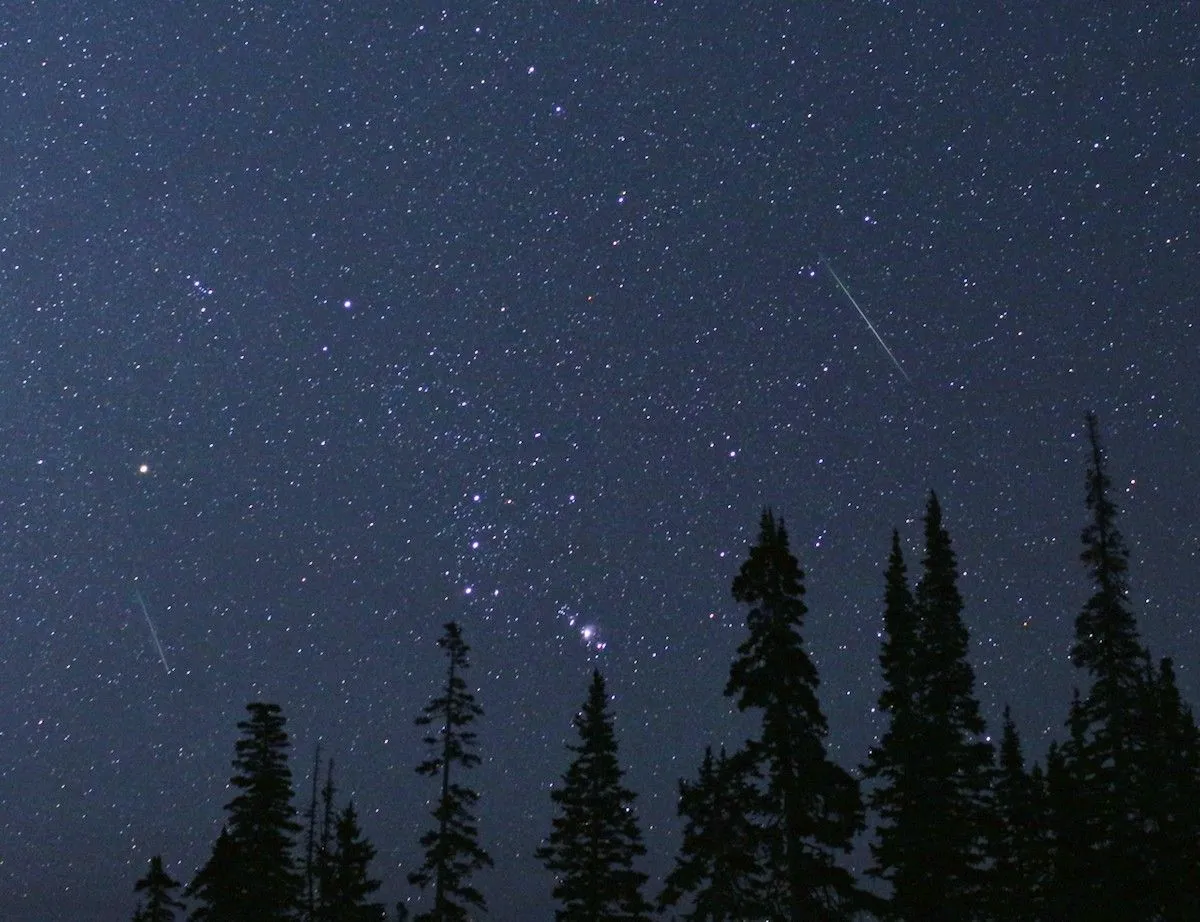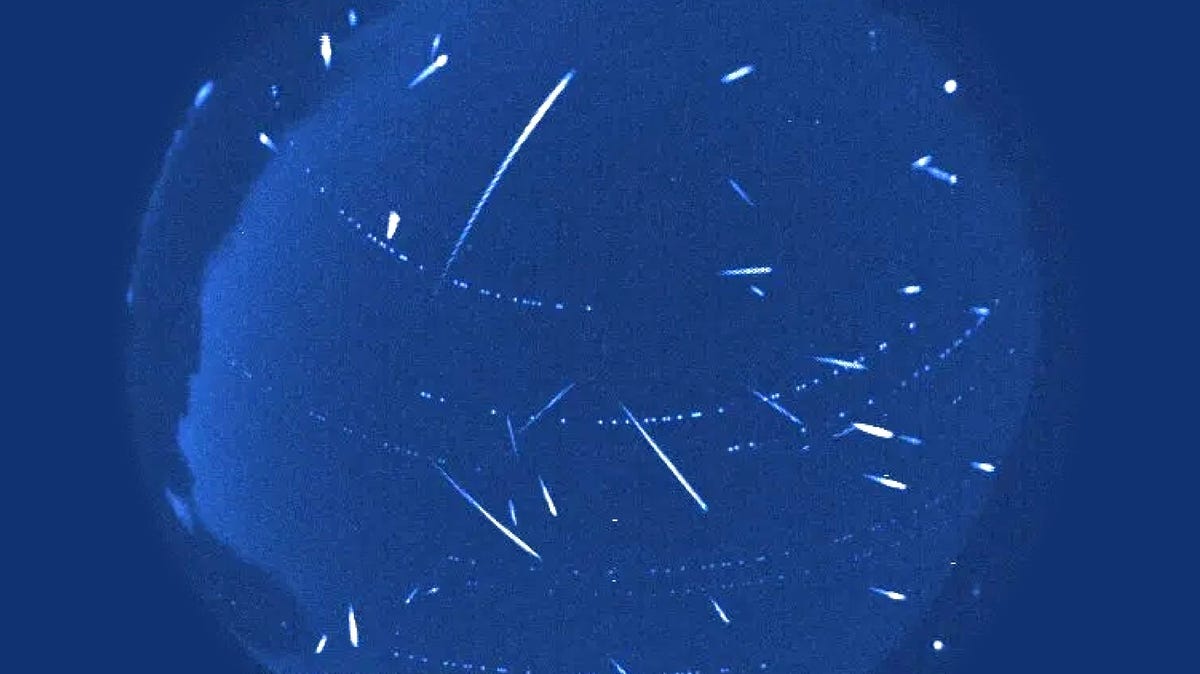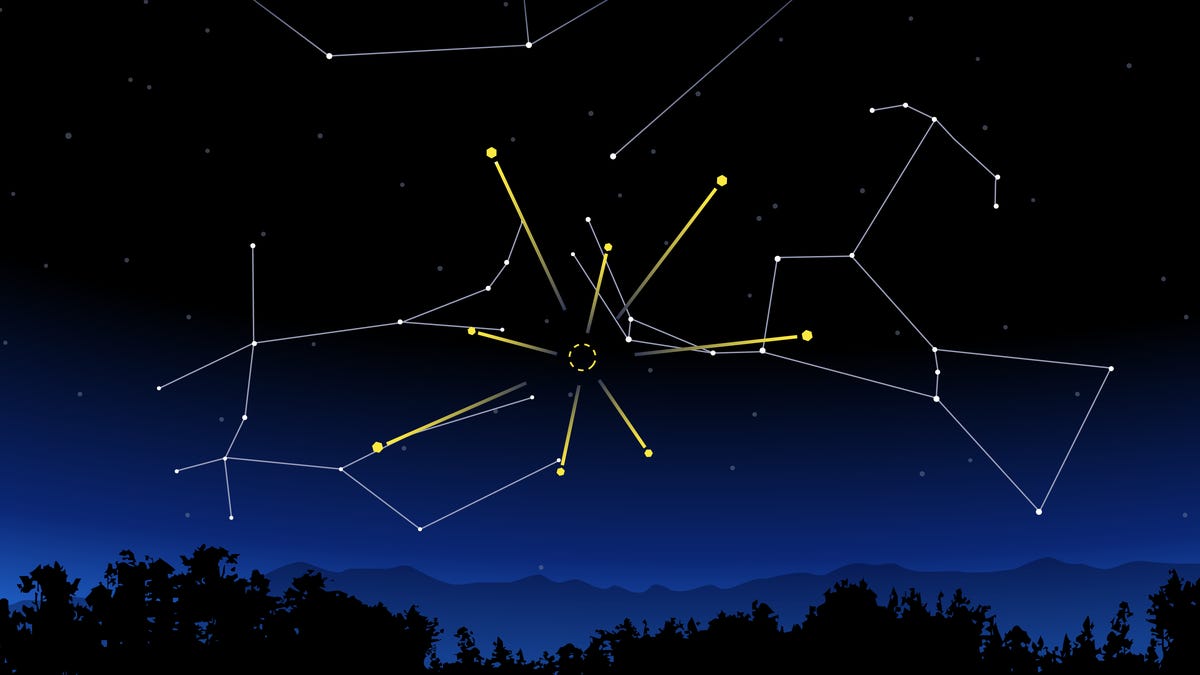
The Orionid meteor shower is set to peak, when several streaks of meteors could be visible.
The Orionid meteor shower is active each year from about Oct. 2 to Nov. 7, according to the American Meteor Society. This year's peak will occur in the early morning on Oct. 21-23. The Orionids are known for its brightness and speed – each meteor can streak up to 148,000 mph.
According to EarthSky.org, the Orionid meteor shower should produce at least 20 meteors per hour in a dark, moonless sky. And on October 21, the new moon guarantees clear skies free from lunar interference in the early morning.
From the Oct. 21 to 23, start keeping an eye out for Orionid meteors in the very early hours of the morning, starting after 1 a.m. through dawn.
You can enjoy views of the meteor shower from anywhere in the U.S., weather permitting of course, but it would be best to find an open space where you can gaze up. The best time to see the shower is under a dark, moonless sky, according to EarthSky.org.