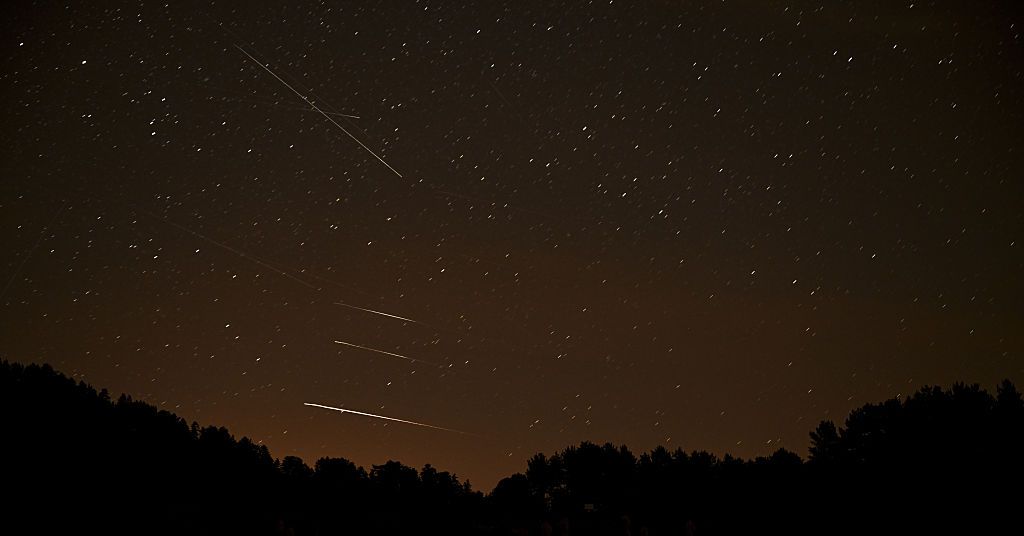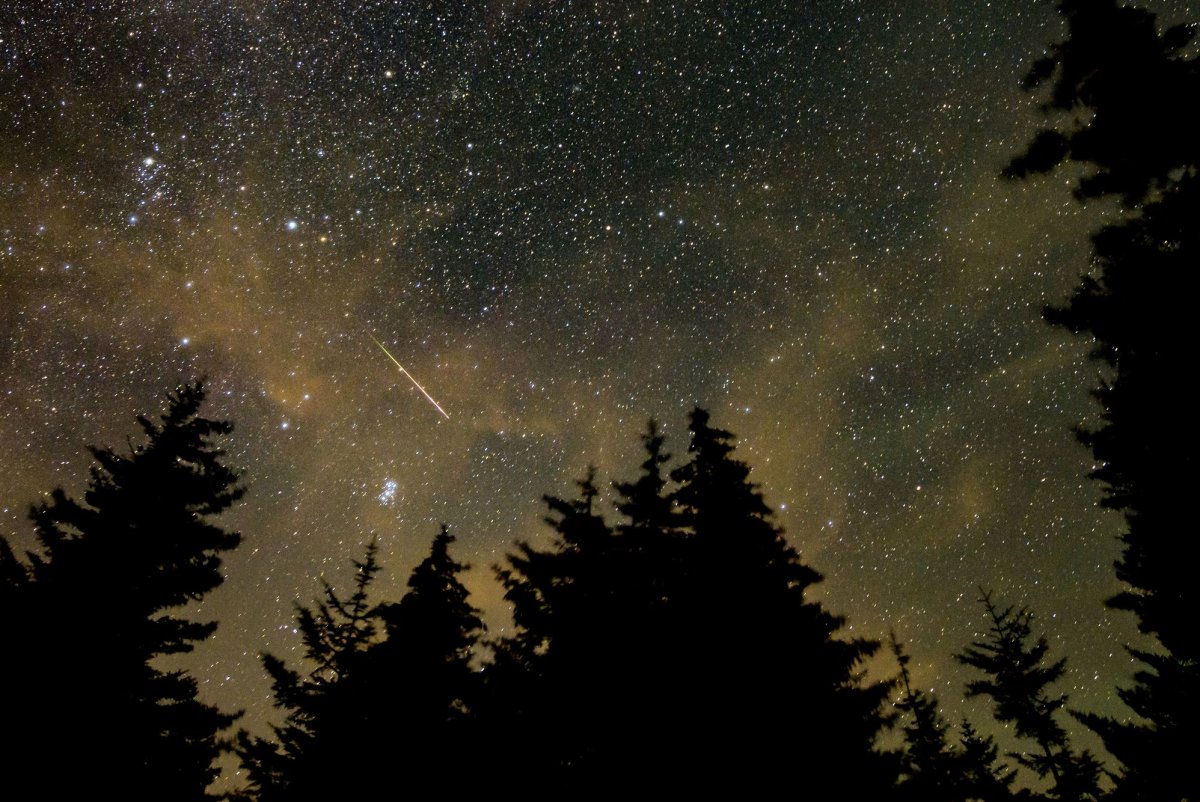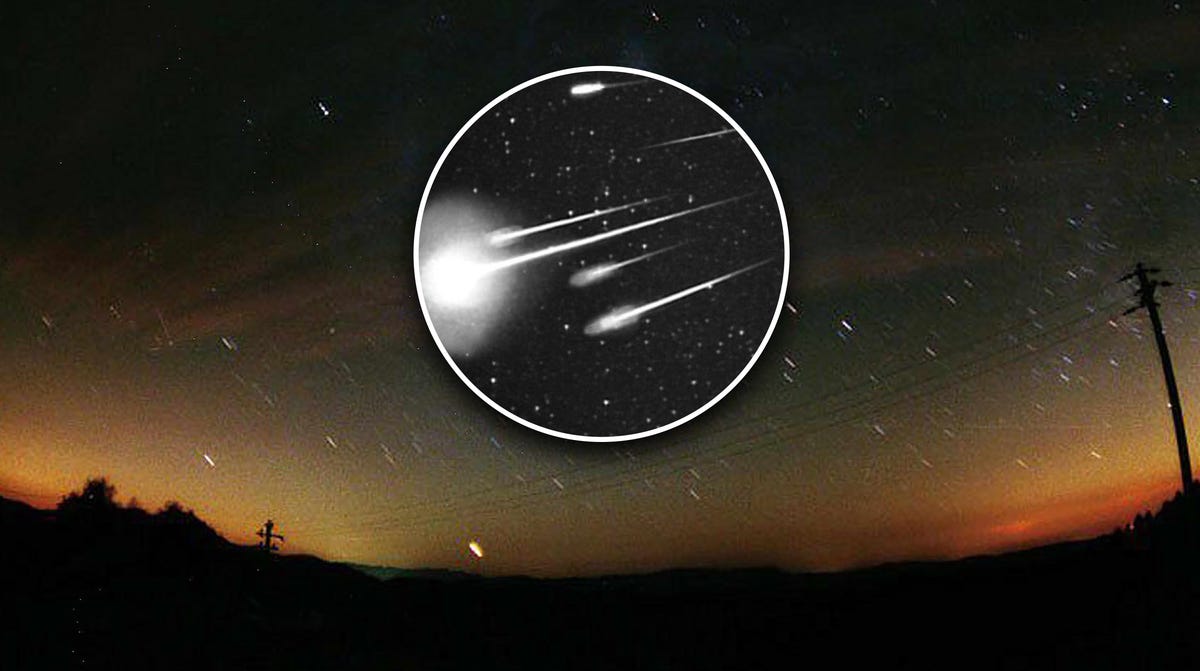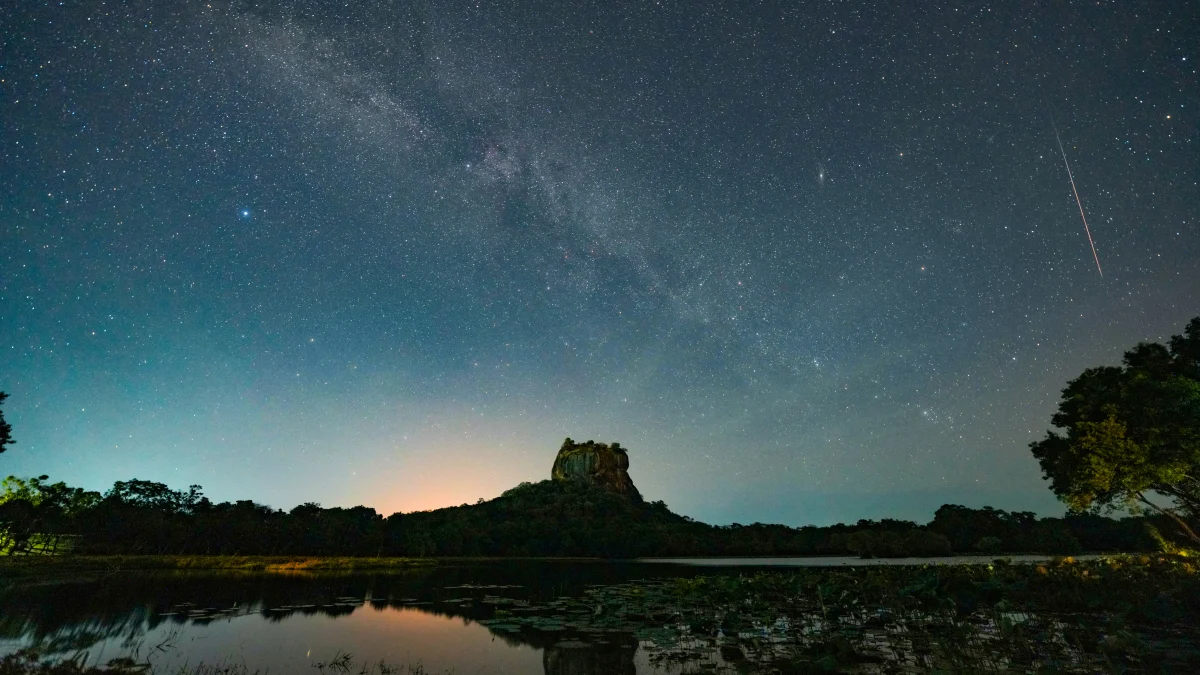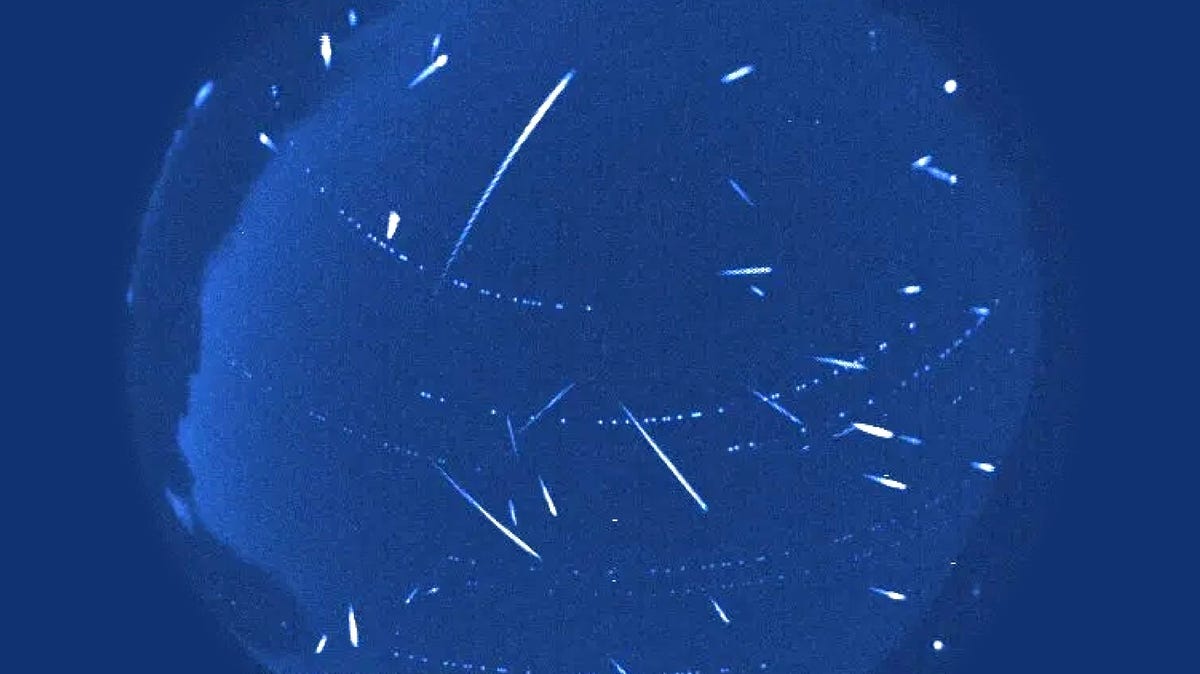
On the night of April 21-22, sky watchers will have the chance to catch sight of several shooting stars as the Lyrid meteor shower is expected to reach its peak.
The Lyrids are one of the oldest-known meteor showers. The first recorded sighting of one goes back to 687 B.C.E. in China. Observers there said the Lyrids were "falling like rain."
The moon will be a waxing crescent at 27% full. When the moon sets early in the morning or just after midnight, the sky will be black and ideal for viewing during the predawn hours. In ideal weather conditions, the Lyrids have an average of about 10–15 meteors per hour, according to EarthSky.
The Lyrids are remnants of Comet C/1861 G1 Thatcher debris. Every year in the middle of April, the Earth comes into contact with the comet's debris stream, which results in a meteor shower.
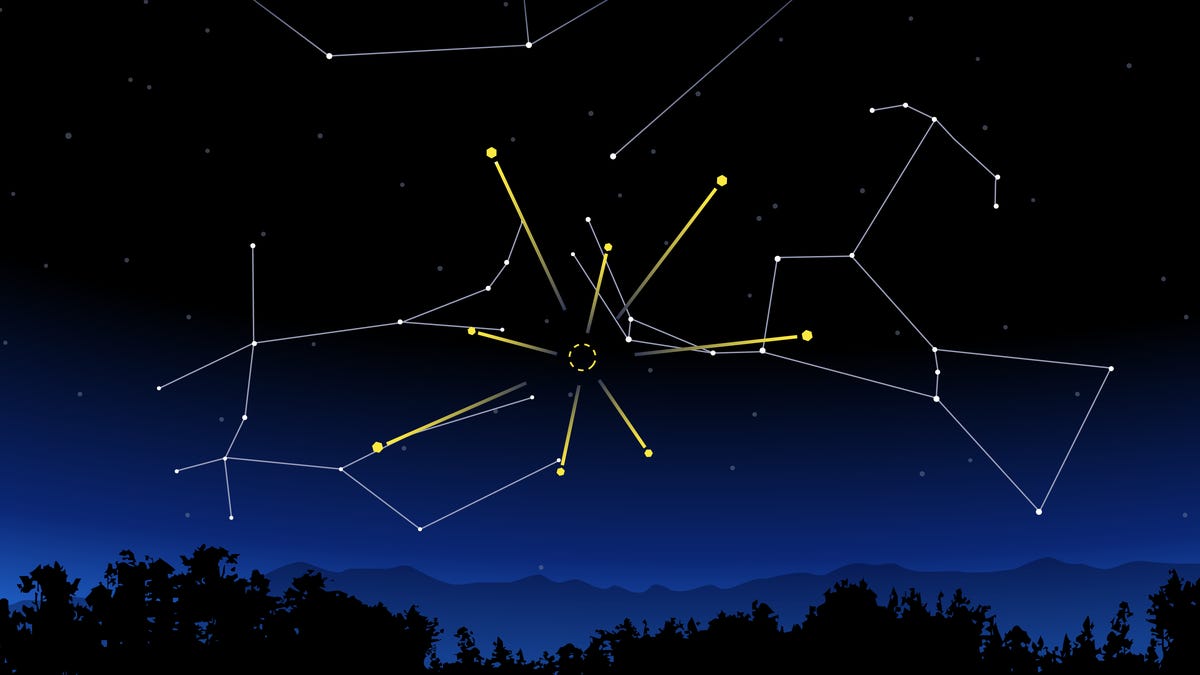
Around 9 or 10 p.m. local time, the bright star Vega, which is in the constellation Lyra, will rise above your local horizon in the northeast. Just before dawn, the radiant will be high overhead. This is where the radiant point for the Lyrid meteor shower will appear.