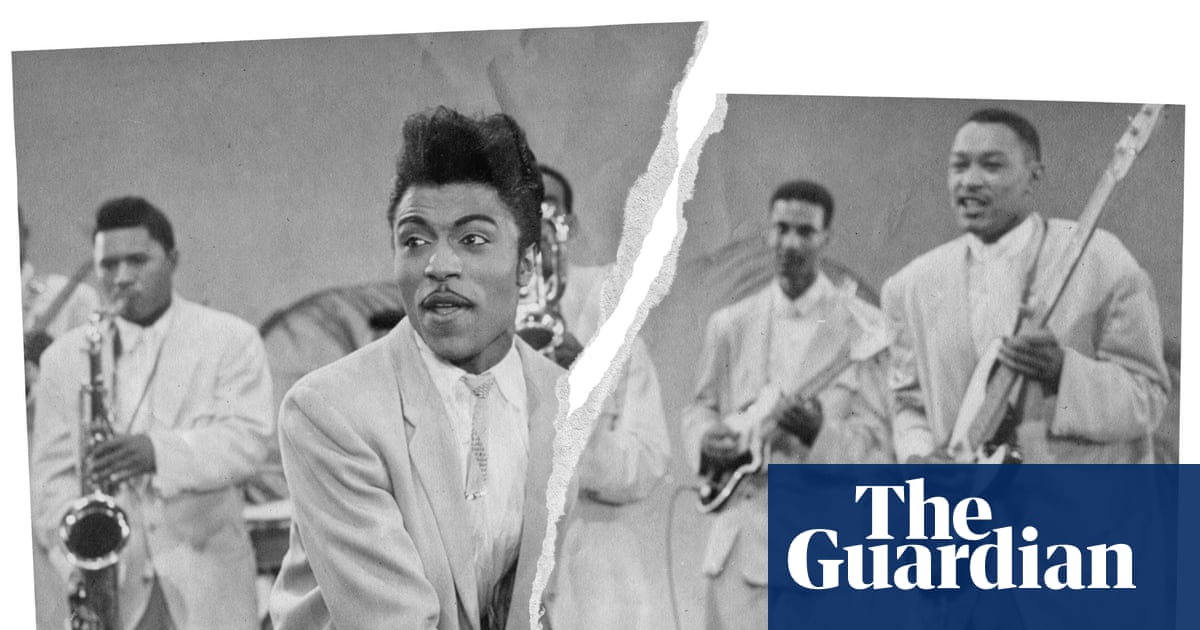
It is now seven decades since Little Richard sang Tutti Frutti – and a rip-roaring new type of music burst out into the world. But is rock’n’roll about to die out? Our writer goes searching for signs of life
N
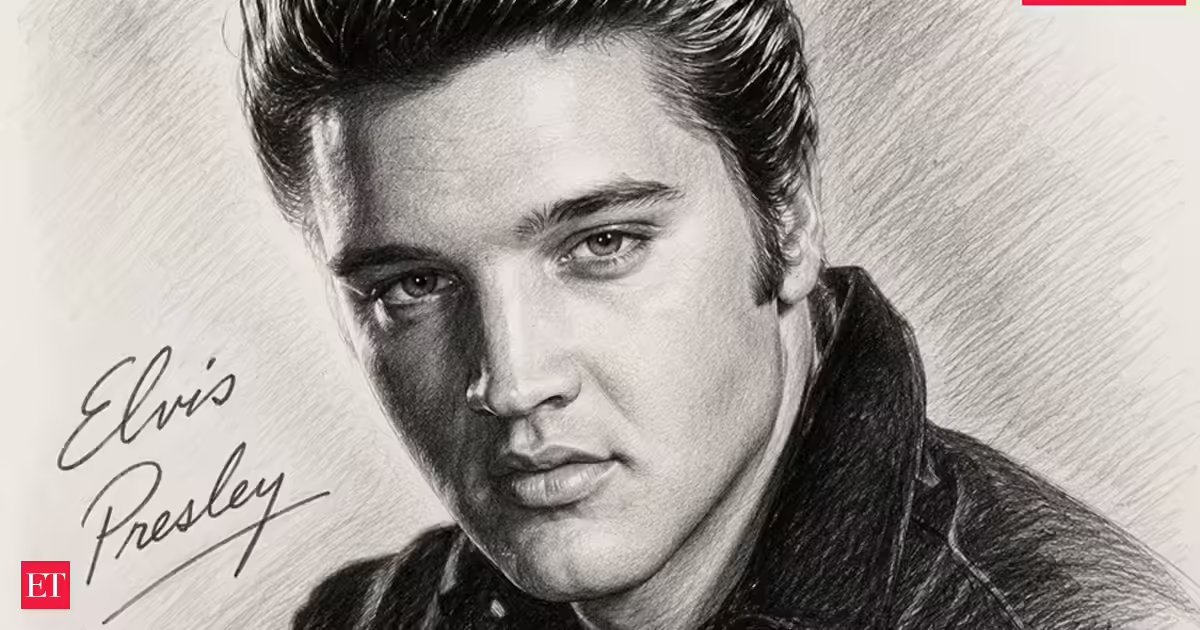
o one can really say when rock’n’roll was invented. You could say March 1951, with the release of Rocket 88 by Jackie Brenston and His Delta Cats. Or maybe July 1954, when Elvis Presley, Scotty Moore and Bill Black stopped messing around between takes at Sun Studios and started hammering through That’s All Right, which became the future King’s first single.
But the year rock’n’roll really became rock’n’roll was 70 years ago, in 1955: the year Little Richard burst on to the world with Tutti Frutti; the year of the first riot at an Elvis show; the year of Blue Suede Shoes and Maybellene; the year of Bo Diddley singing his own praises. In the US, Rock Around the Clock by Bill Haley & His Comets was the biggest record that year. In the UK, its presence on the soundtrack of the teensploitation movie The Blackboard Jungle reportedly sent teddy boys into rampages of cinema-smashing.
In fact, 1955 was at the centre of such a huge pop-cultural moment that if you are over 40, you almost certainly grew up with rock’n’roll as a constant background in your life. In the 1970s, groups such as Stray Cats, Showaddywaddy, Matchbox and Darts were Top of the Pops regulars. Shakin’ Stevens was the biggest-selling singles artist of the 80s, and many other rock’n’roll revivalists had hits. Punks covered old rock’n’roll songs – and punk’s rock’n’roll mutation, psychobilly, was one of the biggest youth cults of the early 1980s. Even after that, contemporary hits such as George Michael’s Faith or Girls Aloud’s Love Machine made reference without descending into revivalism. KT Tunstall’s Black Horse and the Cherry Tree used the Bo Diddley “shave and a haircut, two bits” rhythm.