There is jubilation in Place du 13 Mai in the capital but concern about army’s intentions after military takeover
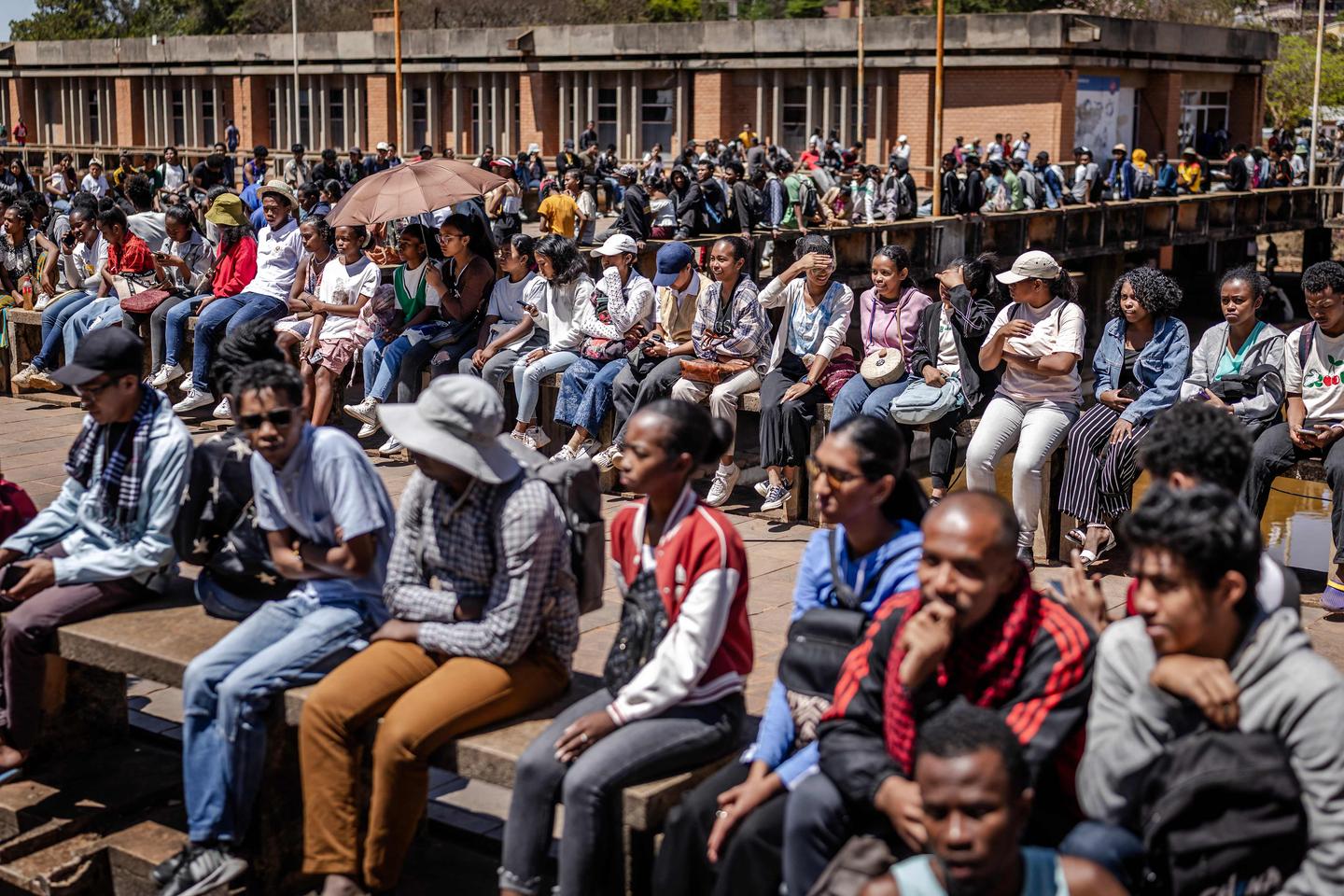
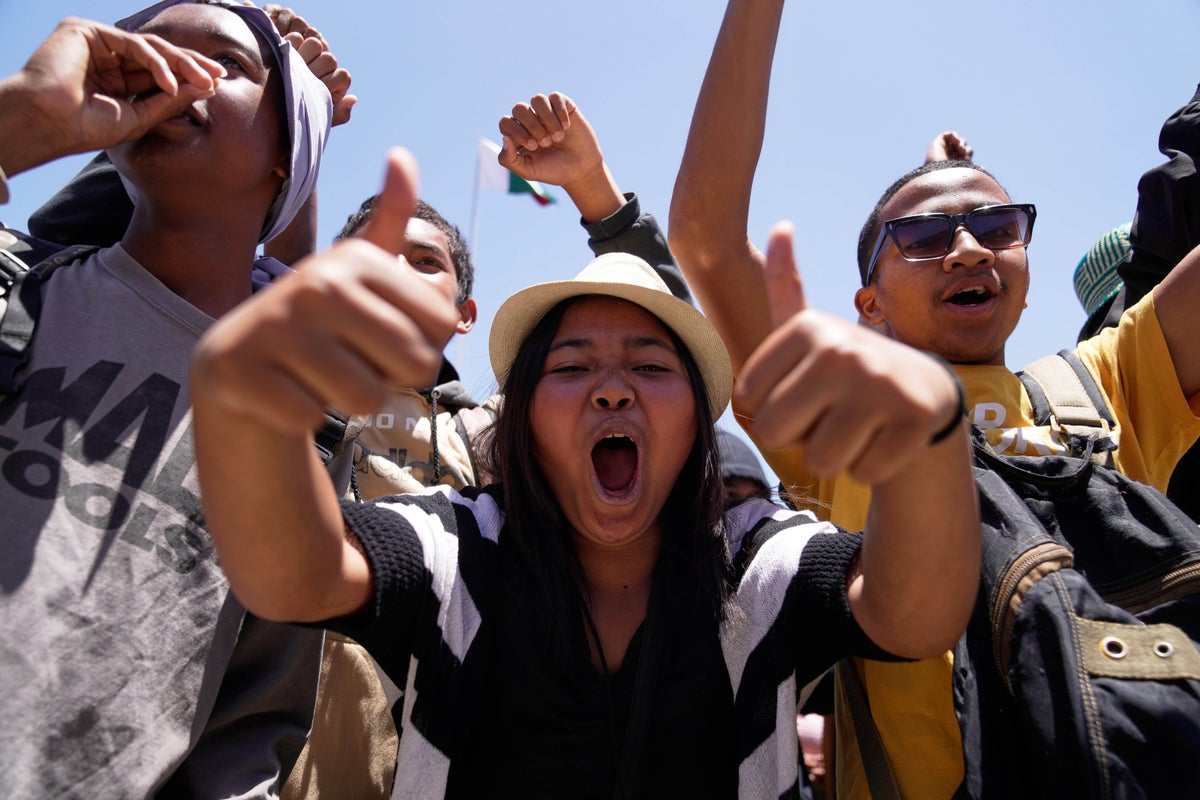
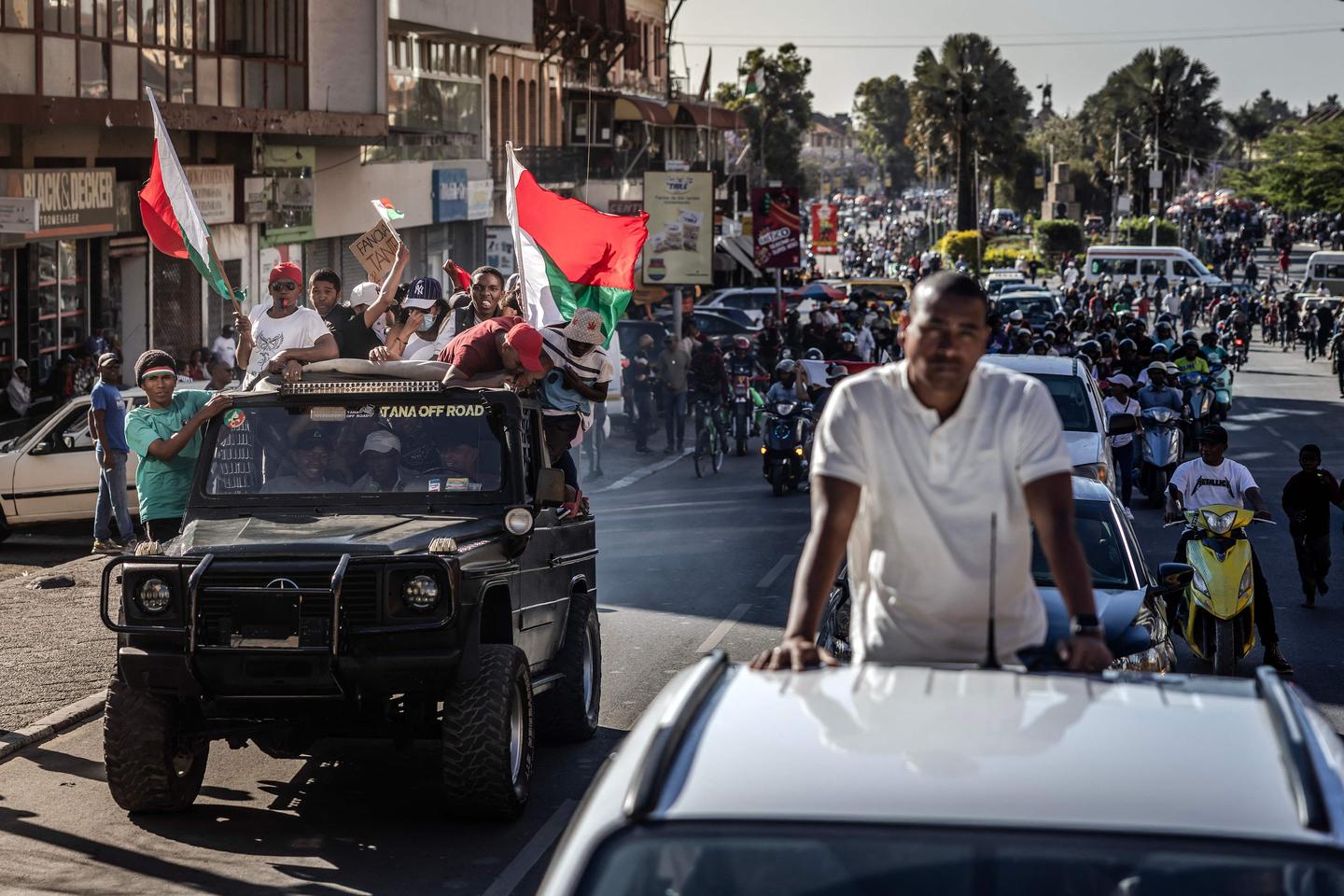
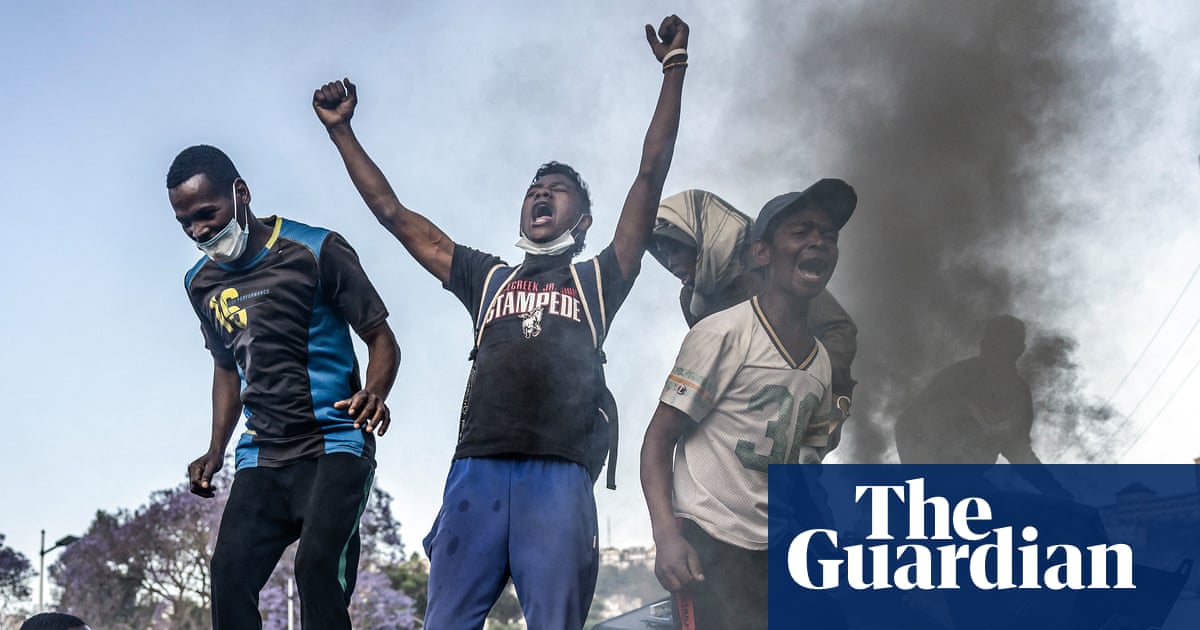
As the sun set on Place du 13 Mai in Madagascar’s capital, Antananarivo, thousands of people danced, waved and cheered to pulsating rap and reggae beats and rousing speeches.
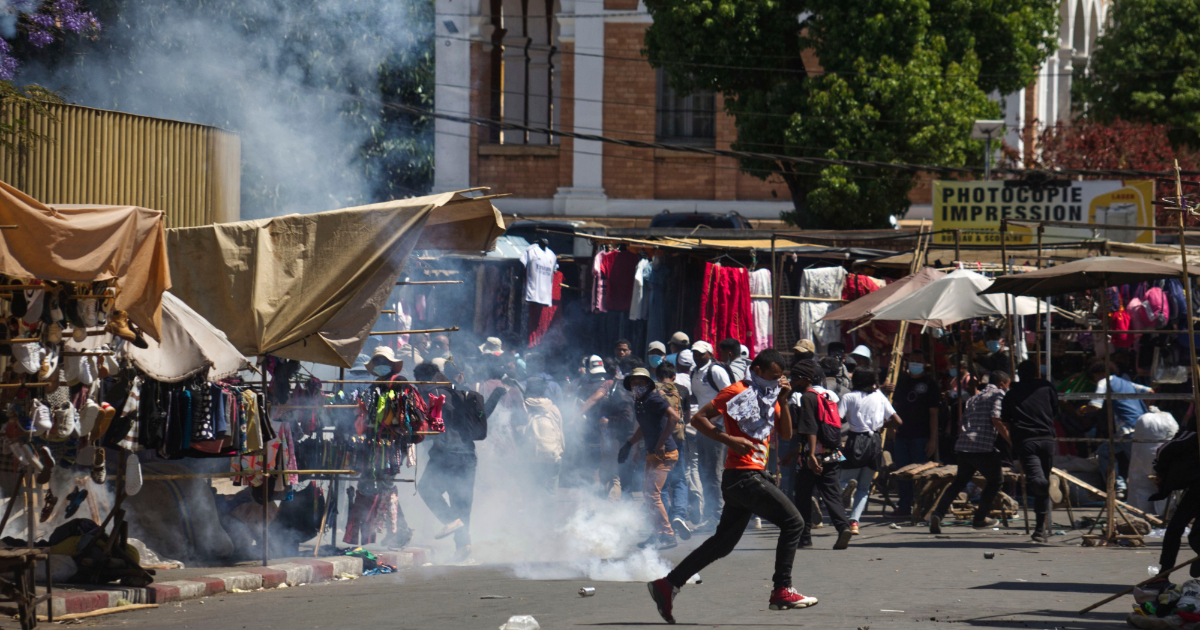
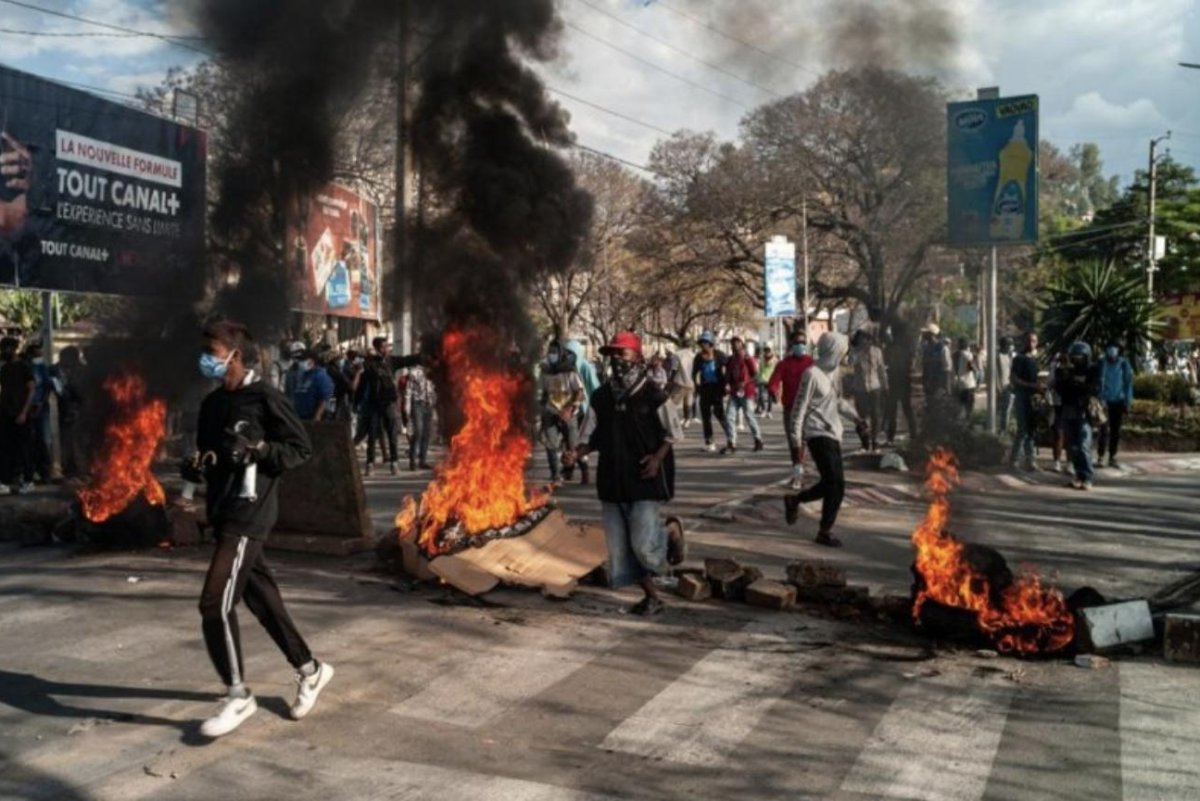
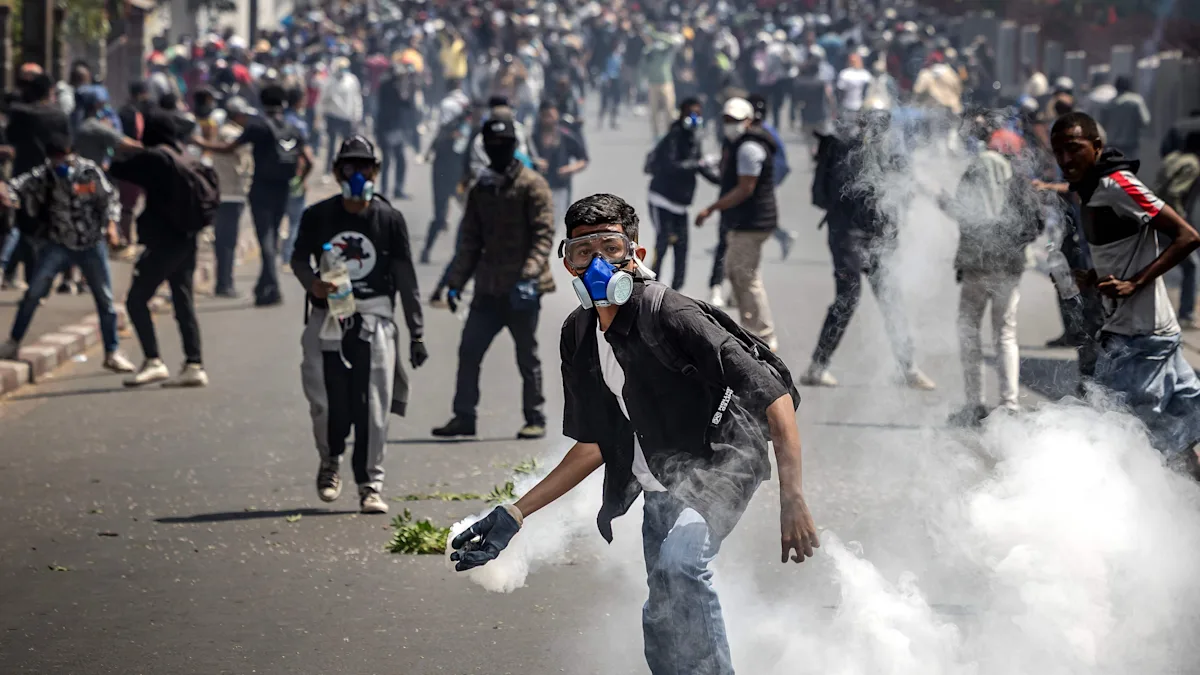
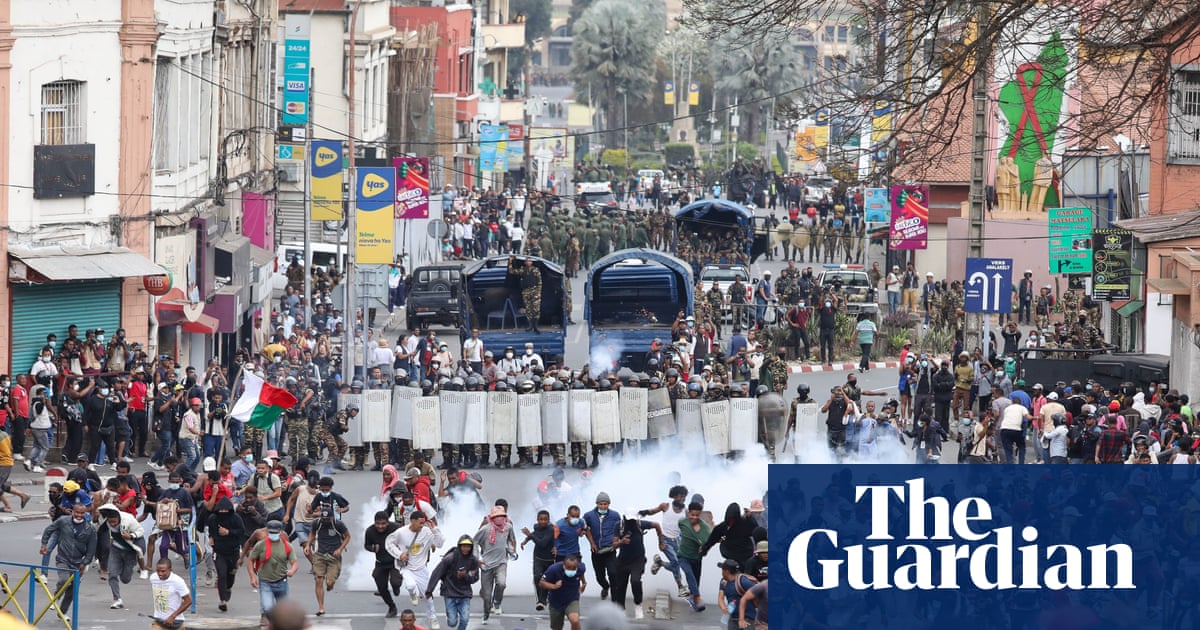
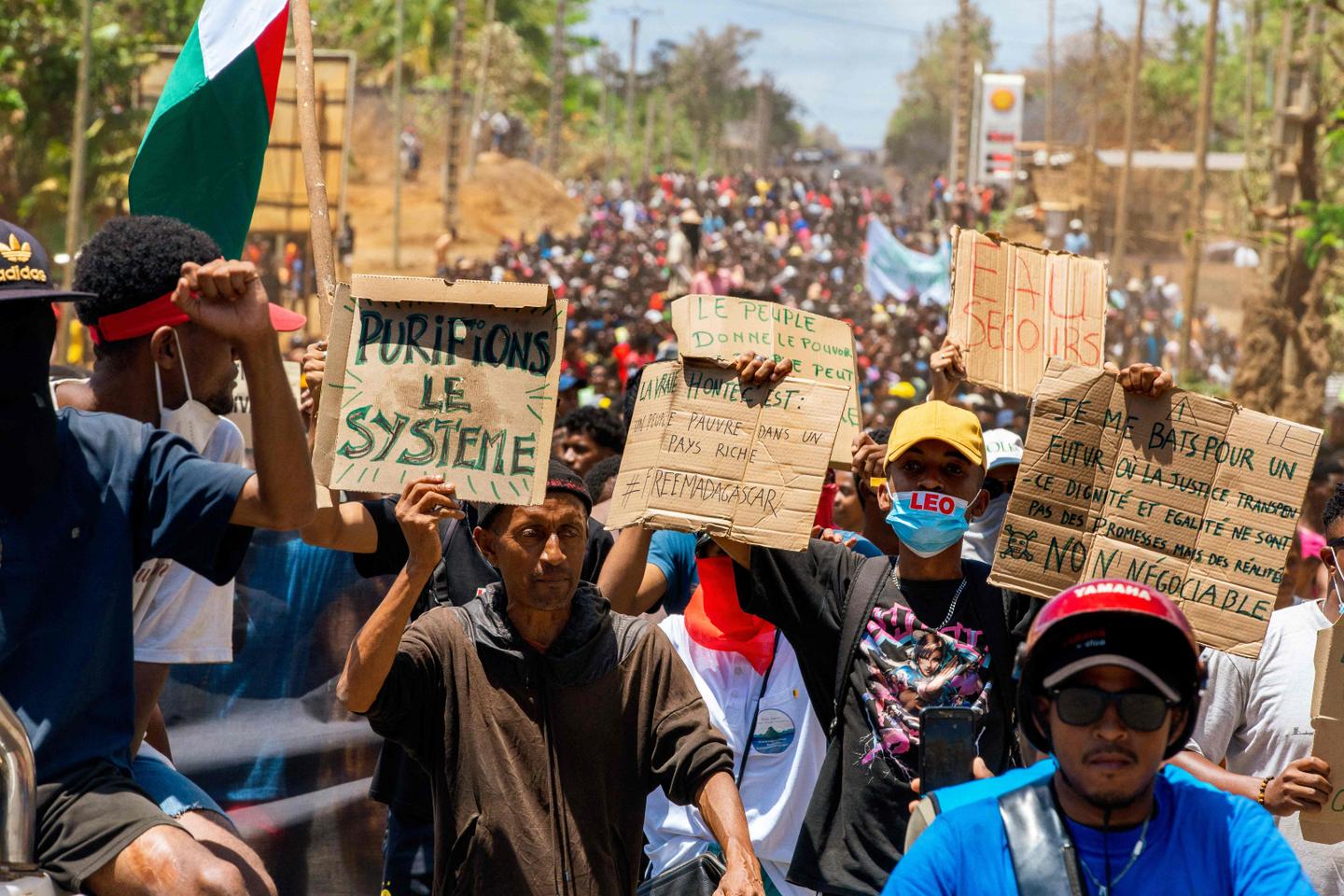
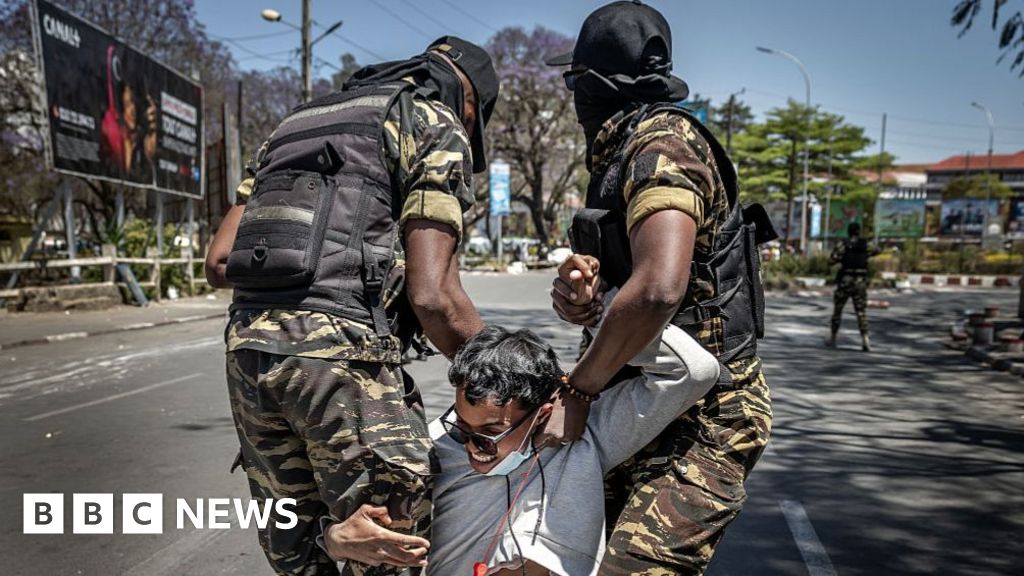
When young people started protesting on 25 September, first against water and power cuts, then demanding a complete overhaul of the political system, military police stopped them from reaching the square. The site has been a symbol of democracy and the focal point of anti-government protests on the Indian Ocean island since 40 student demonstrators were killed there by security forces in May 1972.
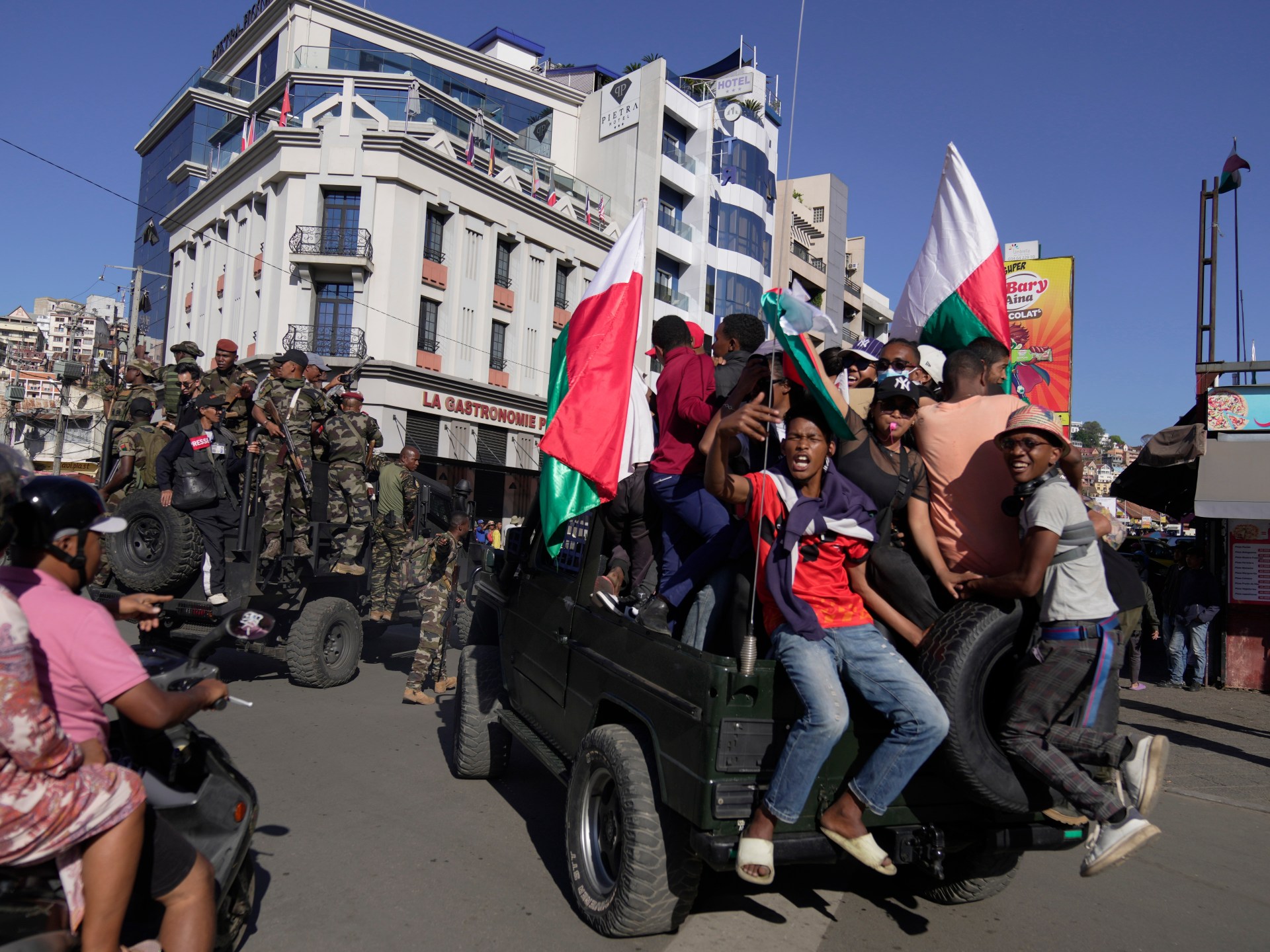
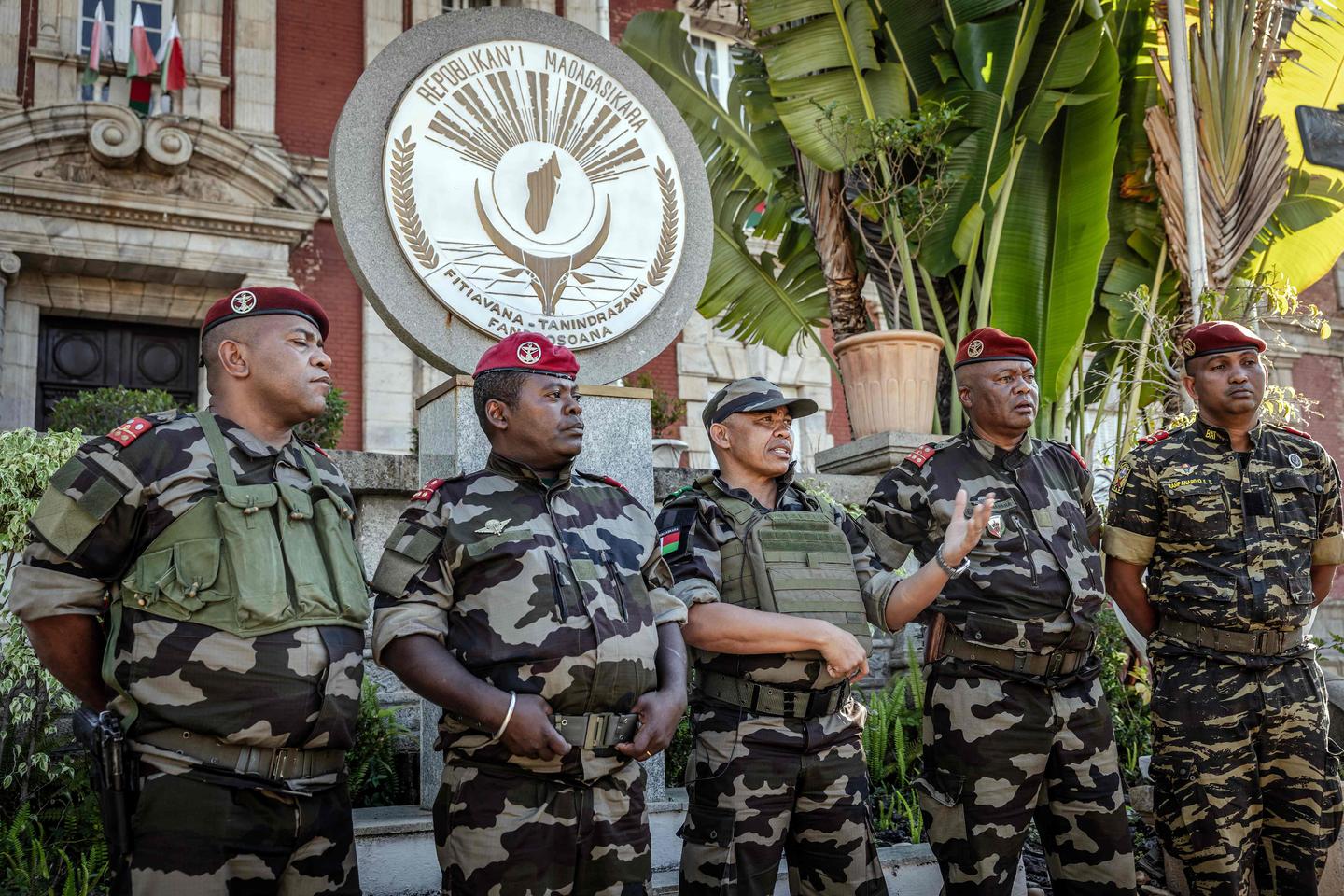
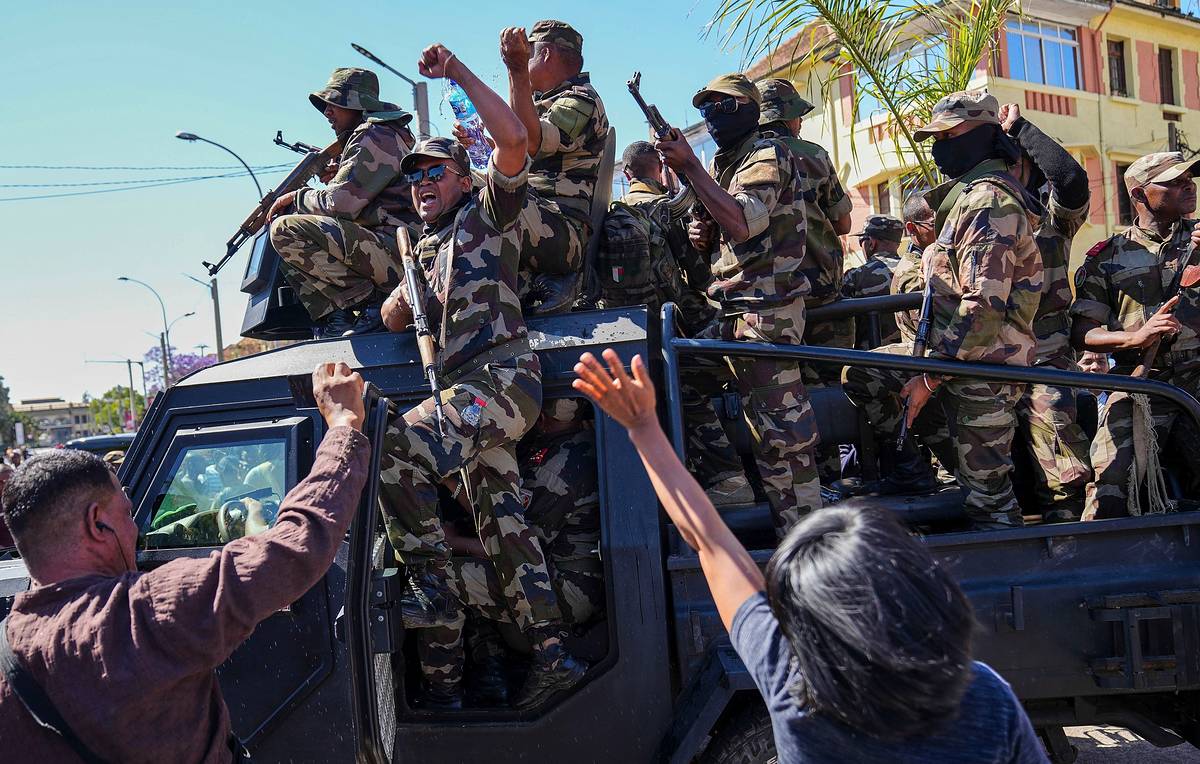
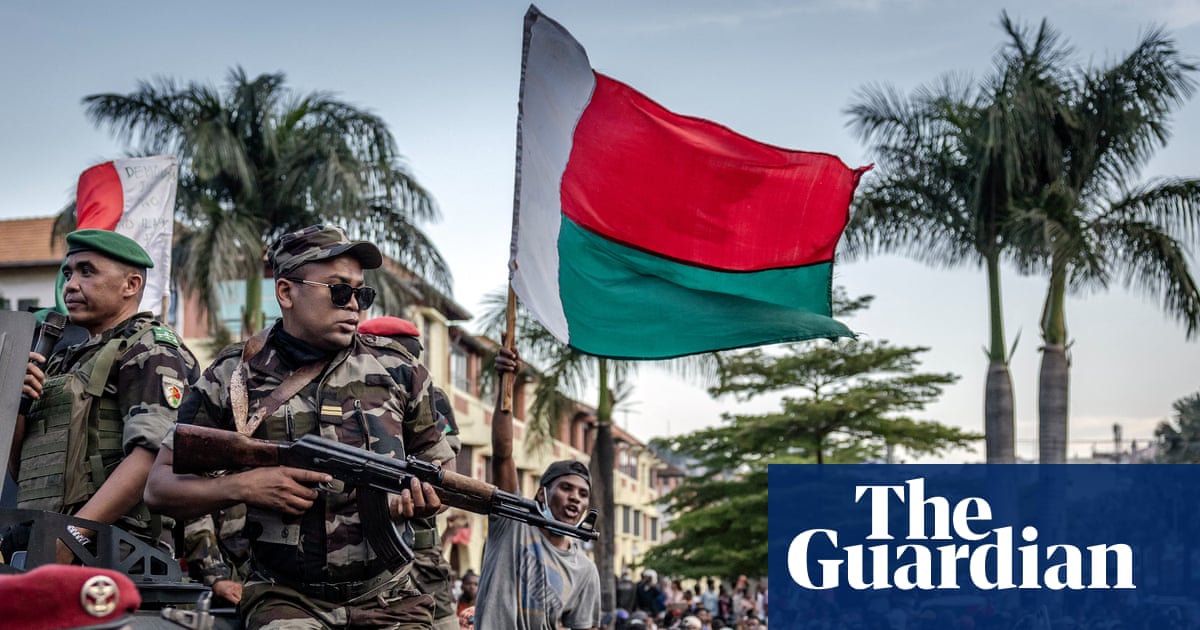
Then, on Saturday 11 October, the elite military unit Capsat came out in support of protesters, accompanying them to Place du 13 Mai. The next day, President Andry Rajoelina reportedly fled the country for Dubai on a French military plane. On Friday, Capsat’s commander, Col Michael Randrianirina, was sworn in as transitional president for what he said would be 18 to 24 months.
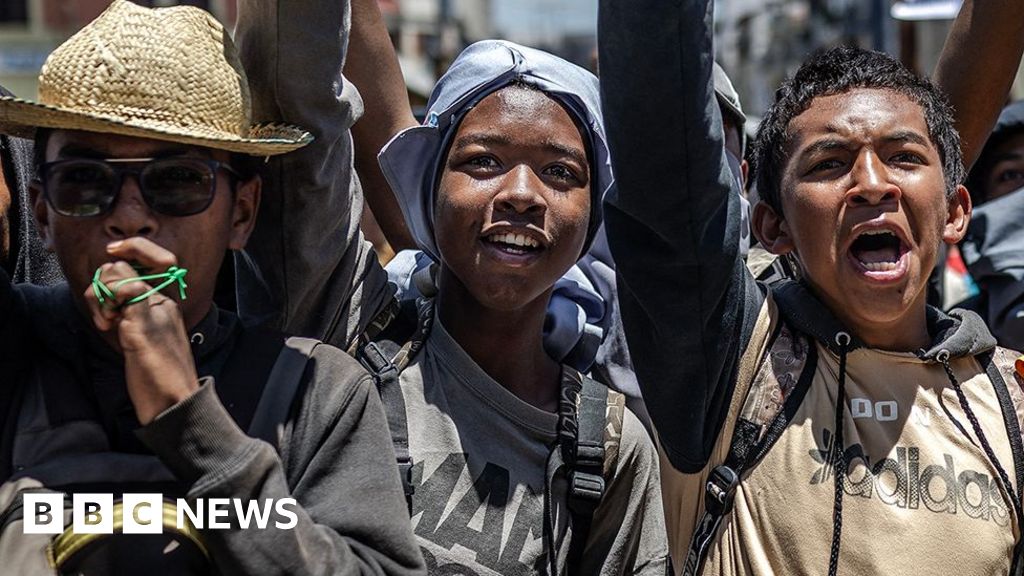
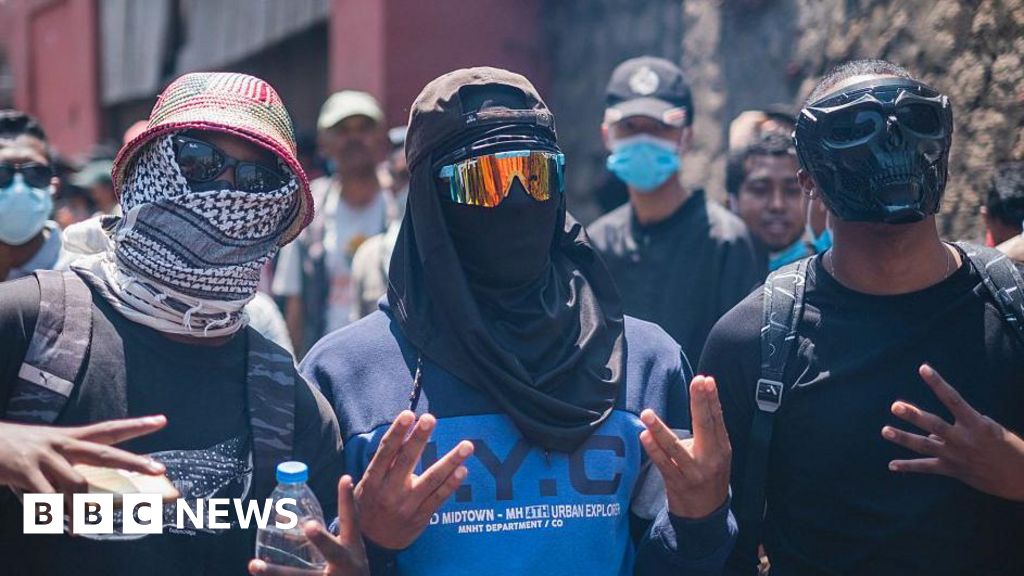
Young protesters, who had rallied as “Gen Z Madagascar”, were jubilant at the ousting of Rajoelina. Many were grateful to Capsat, which is responsible for military personnel and logistics. Some were worried about transitioning to military rule rather than a new civilian regime. All said they intended to keep fighting for a better Madagascar.