E
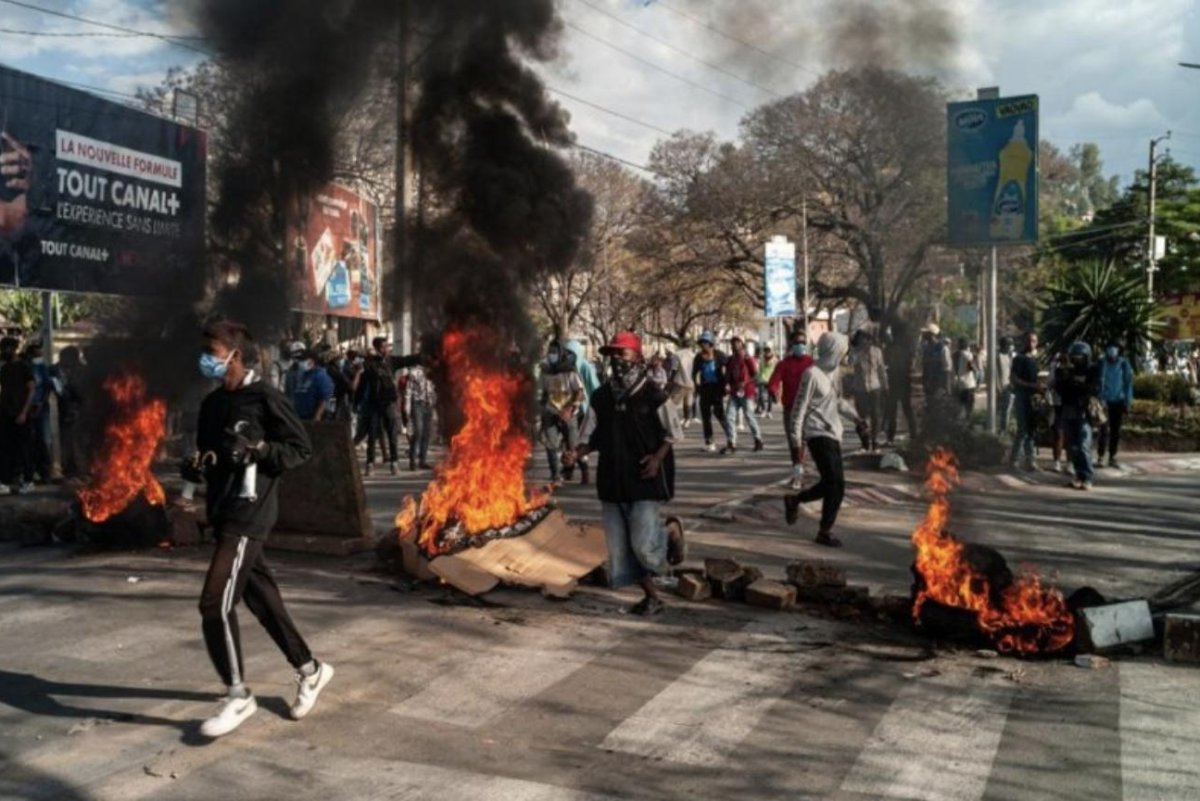
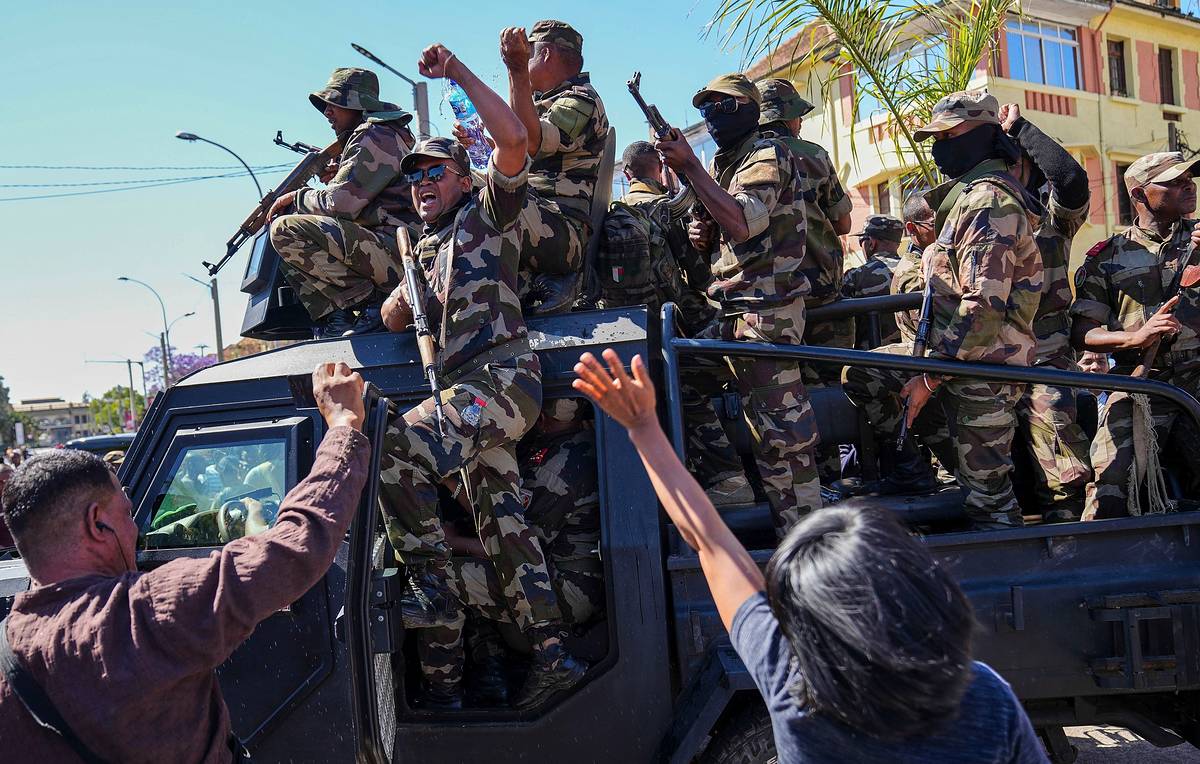
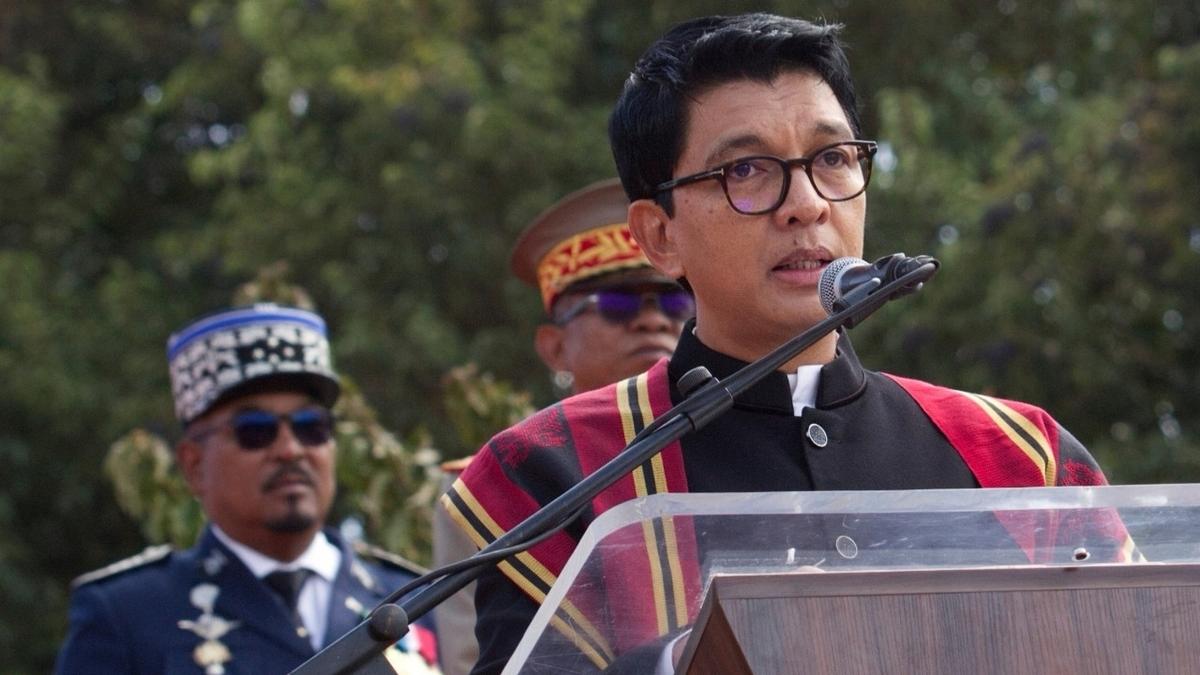
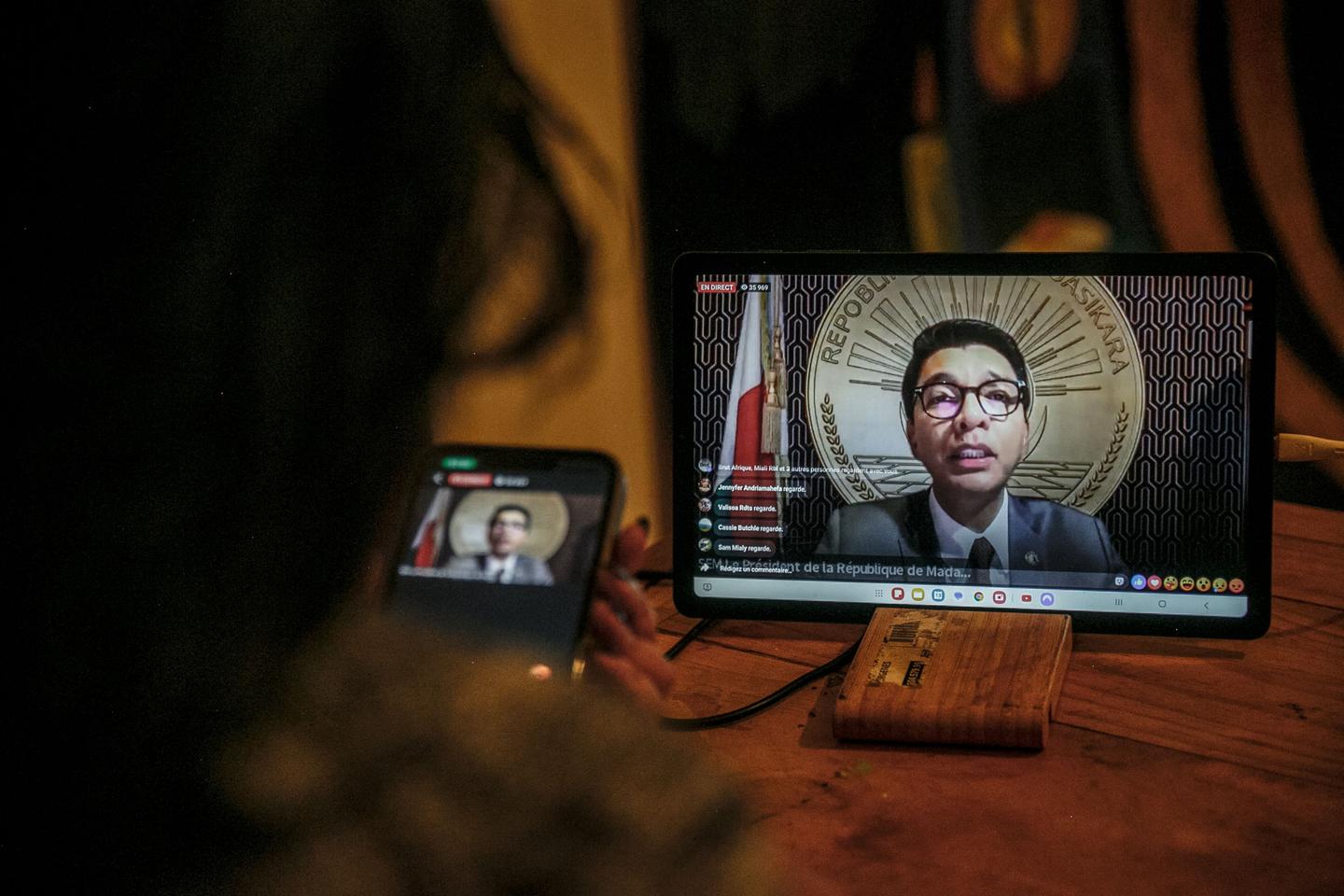
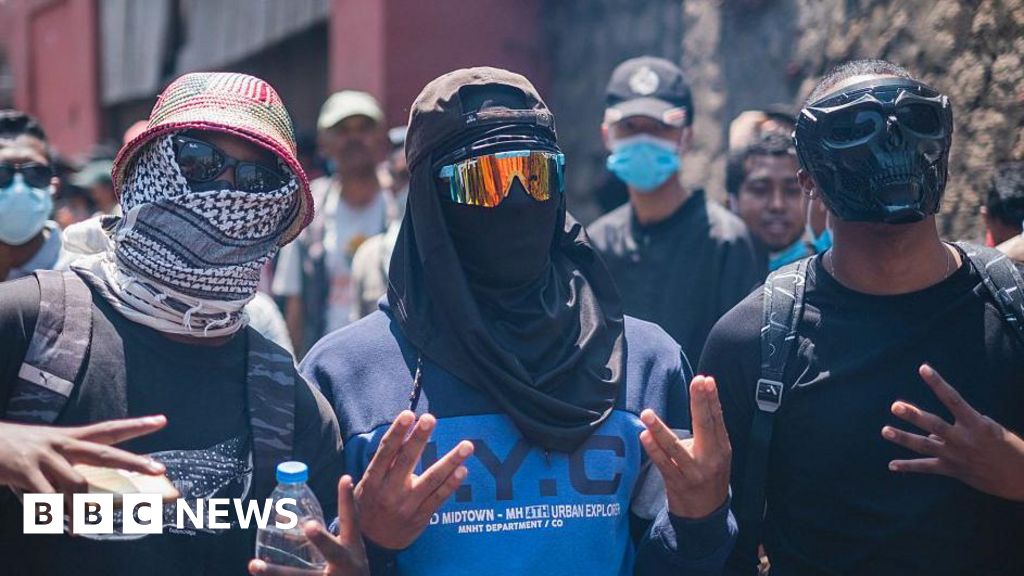
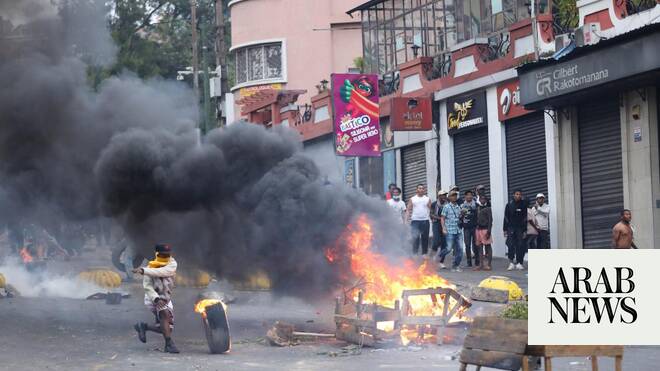
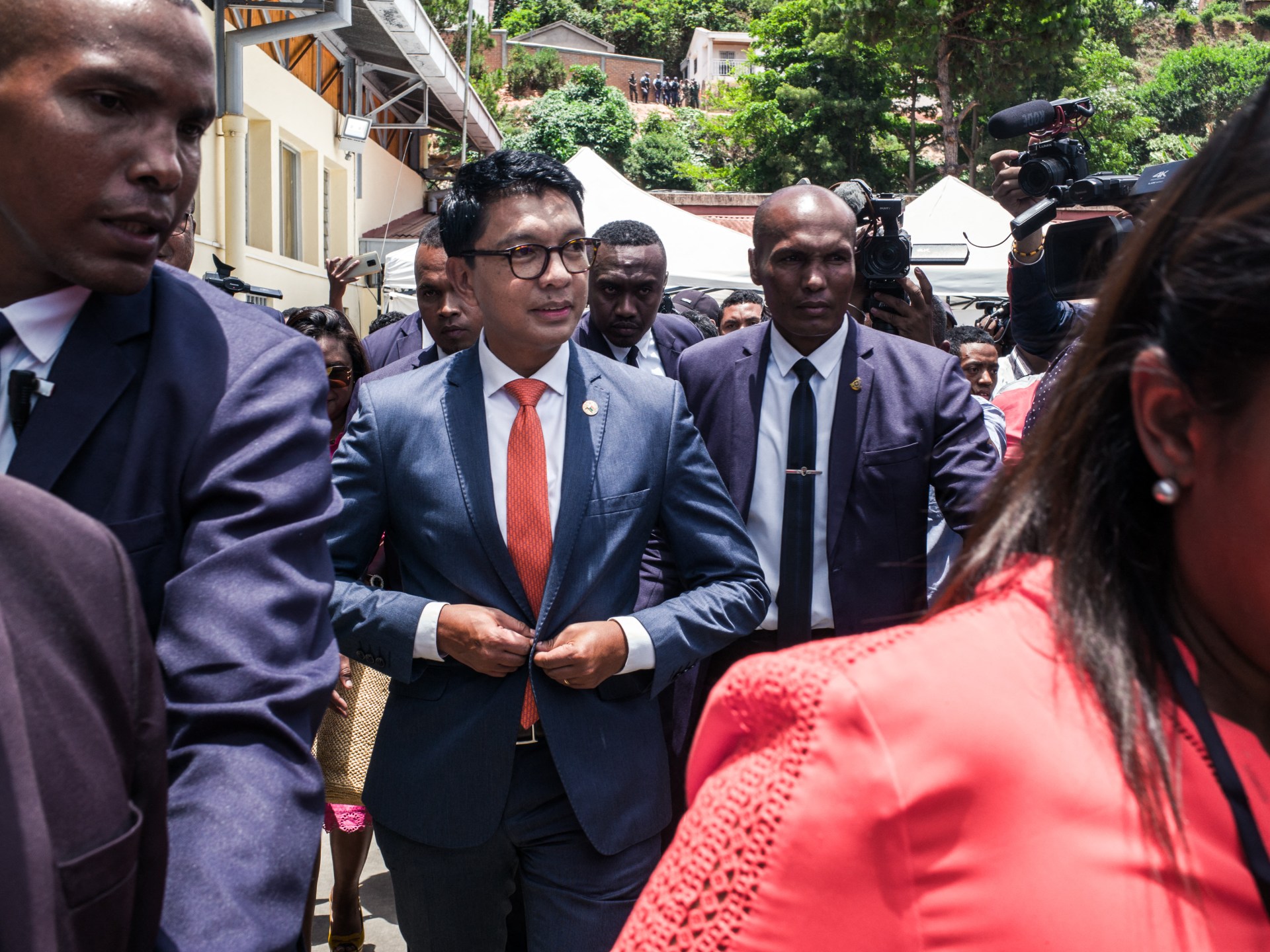
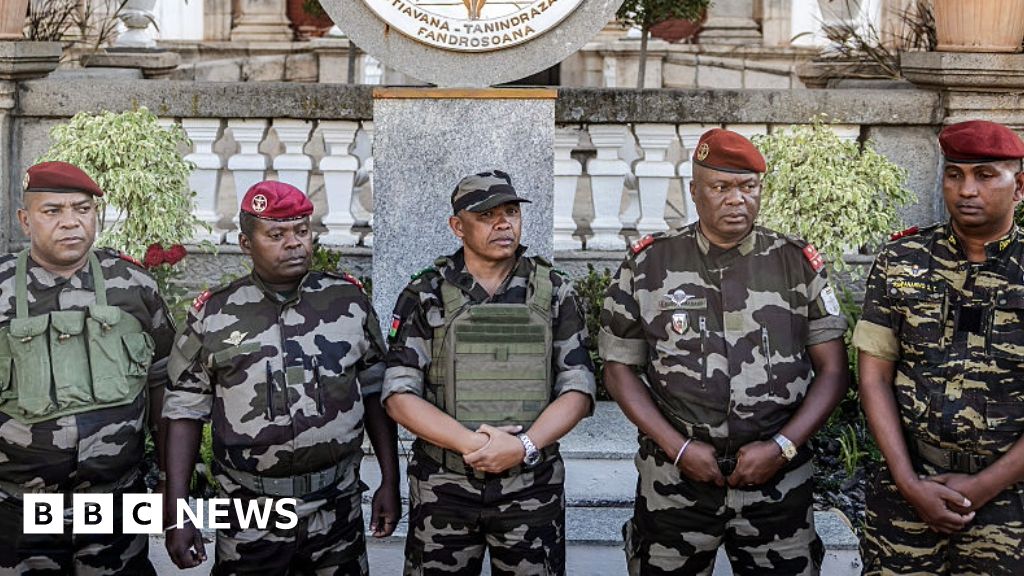
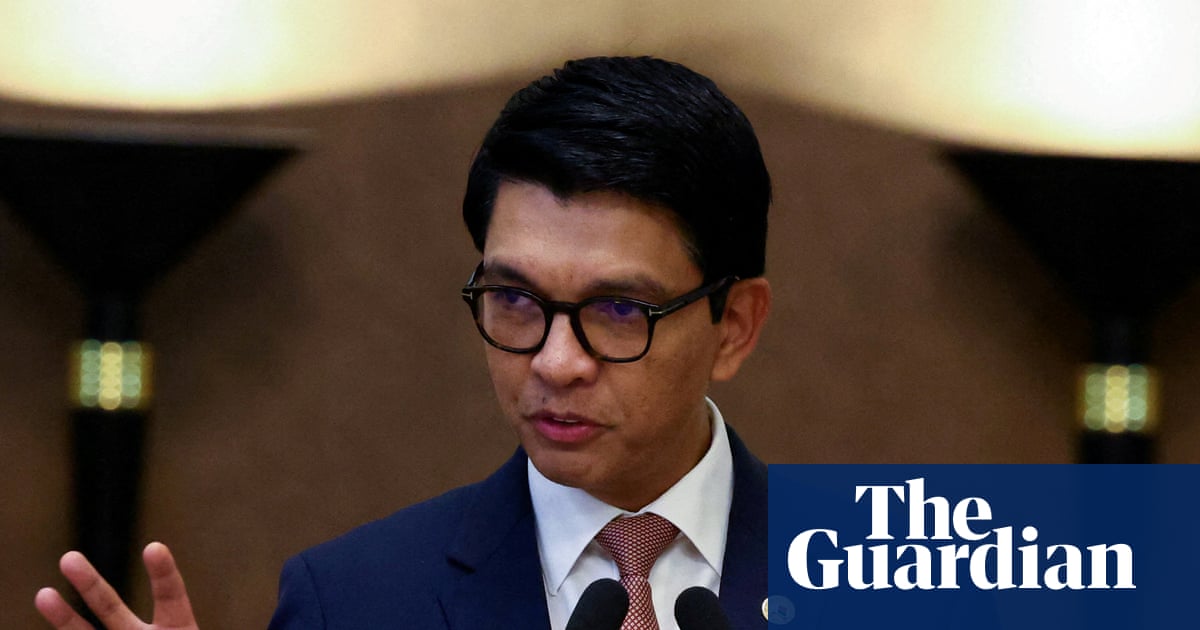
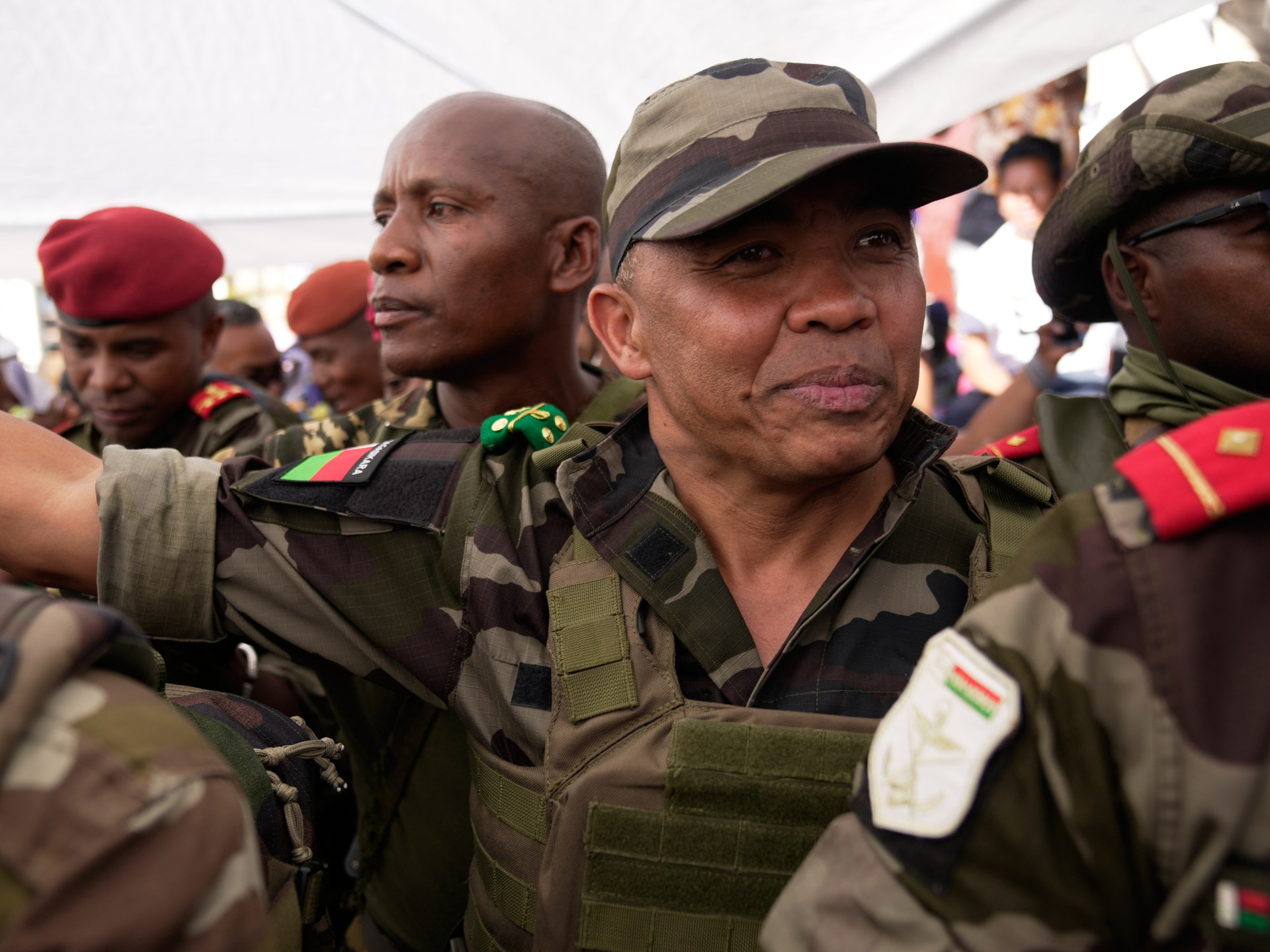
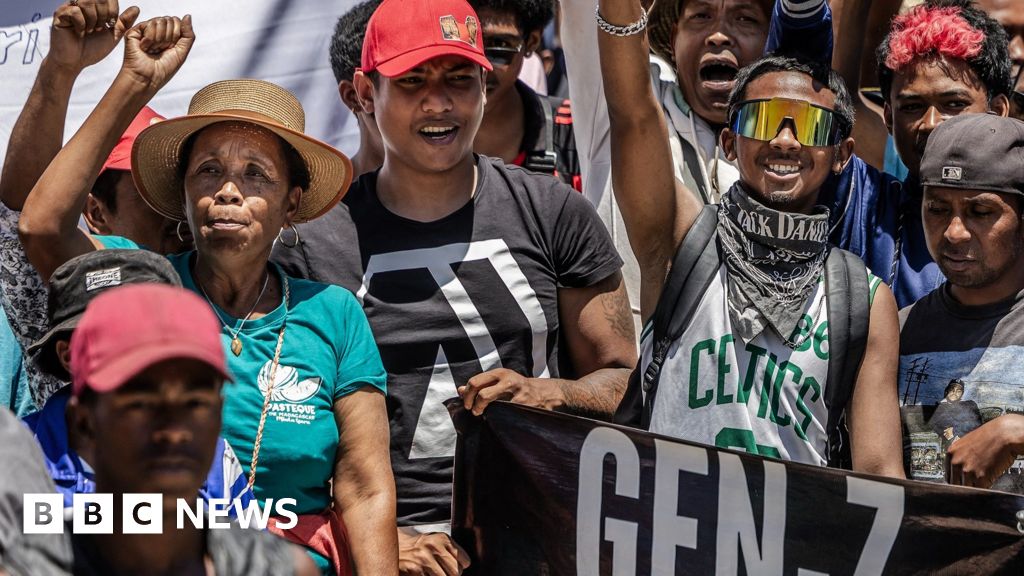
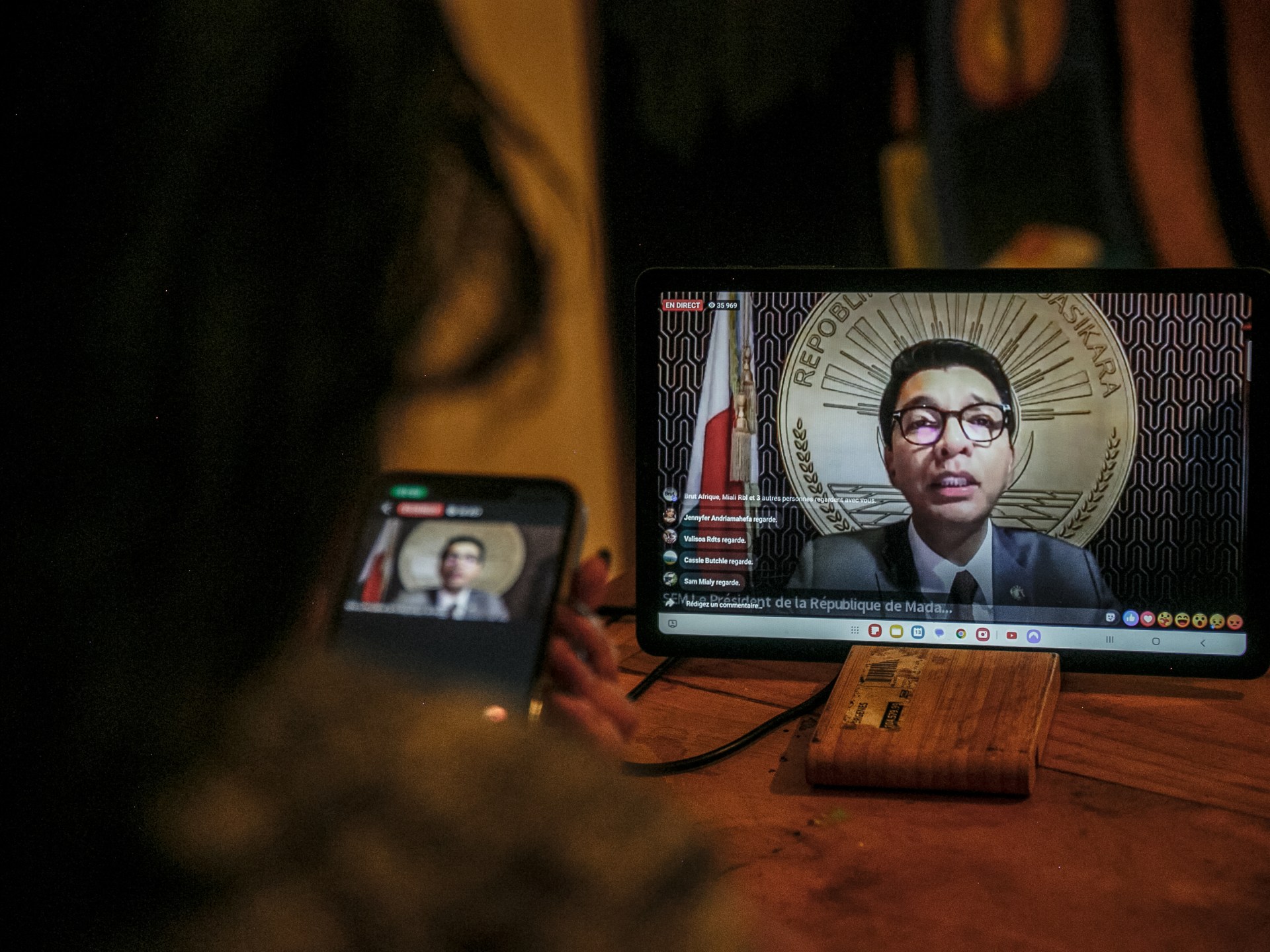
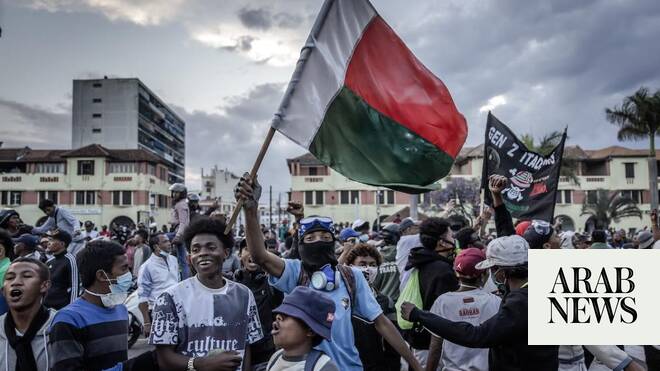
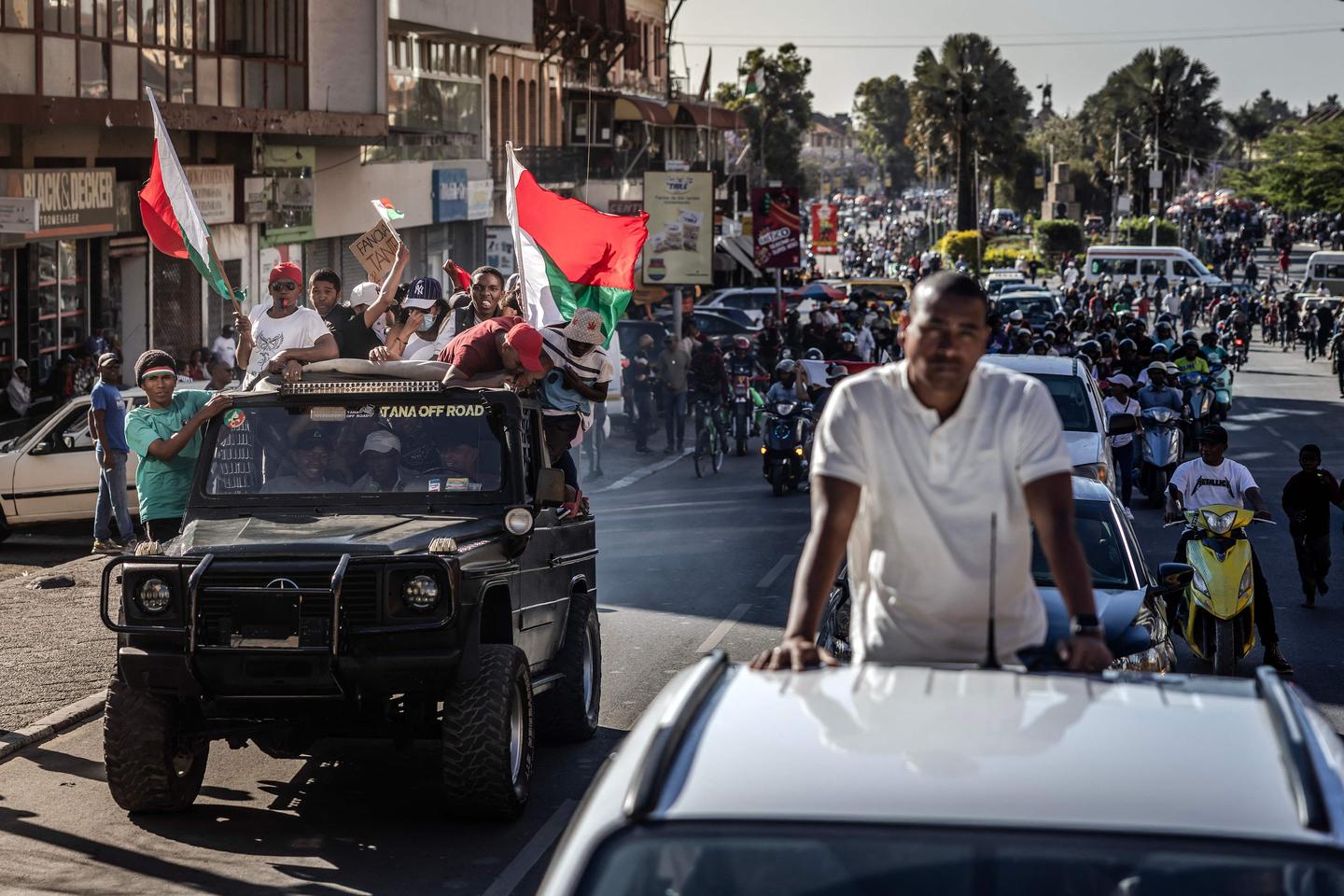
ighteen days passed between the start of the protests in Madagascar led by the Gen Z movement and President Andry Rajoelina fleeing to Dubai on Sunday, October 12. During this period, demands to end relentless water and electricity cuts had evolved into calls for the president's resignation. The fall of a president elected under contested circumstances in a country with vast potential but crippled by staggering corruption is, at first glance, not bad news. Especially when, despite fierce repression, the young people of Madagascar, whose determination to take control of their own destiny can only be applauded, finally succeeded on Saturday in getting the army to take their side without bloodshed.
Rajoelina first rose to power through a military-backed coup in 2009. He was forced to withdraw from the political stage in 2013, only to be elected twice in votes marred by fraud, in 2018 and again in 2023. He had pledged to achieve in five years what had not been done in the 60 years since independence: transforming Madagascar into an emerging economy.
Subscribers only
Madagascar: The hours that led the military to overthrow Andry Rajoelina