Welcome to Forbes! With your consent, we use cookies and other similar technologies to better understand your actions and interests, enhance functionality, customize your experiences, and to provide content and advertising that is more relevant to you. We also use them to help ensure the secure use and navigation of the site. For further details on our use of cookies and your personal data, please see our Privacy Statement.
ByDanielle Chemtob,
Forbes Staff.
A
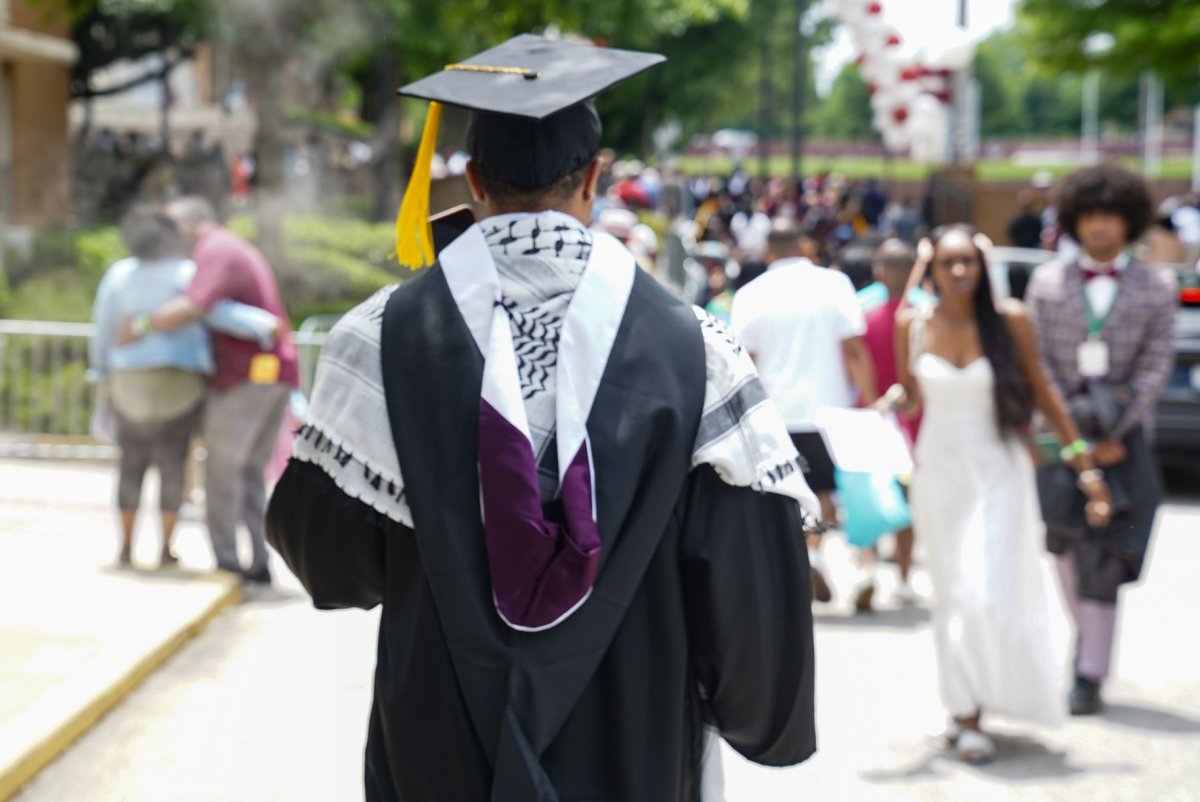
ntonio Sweeney relied on a mix of private and school scholarships, plus a federal Pell Grant for low income students, to pay for his first two years at his dream school, Morehouse College, in Atlanta, the alma mater of Sen. Raphael Warnock (D-Georgia) and Martin Luther King Jr. But by junior year, most of the outside scholarship money was used up and he had taken on so many activities–from serving as class president to running his own side businesses–that he hadn’t earned enough credits to keep his Morehouse academic scholarship. He filled the gap that year by taking out federal and private student loans. Now, in his senior year, his mother has come to the rescue–she borrowed $24,419 this fall from the federal Parent Plus program and plans to tap a similar amount for the spring semester. “We’re almost at the finish line and if this is what needed to be done for him to complete his education, then as a parent, I'm willing to do it,’’ says Sylvia Tripplett, a Flint, Michigan special education teacher still paying off her own student loans.