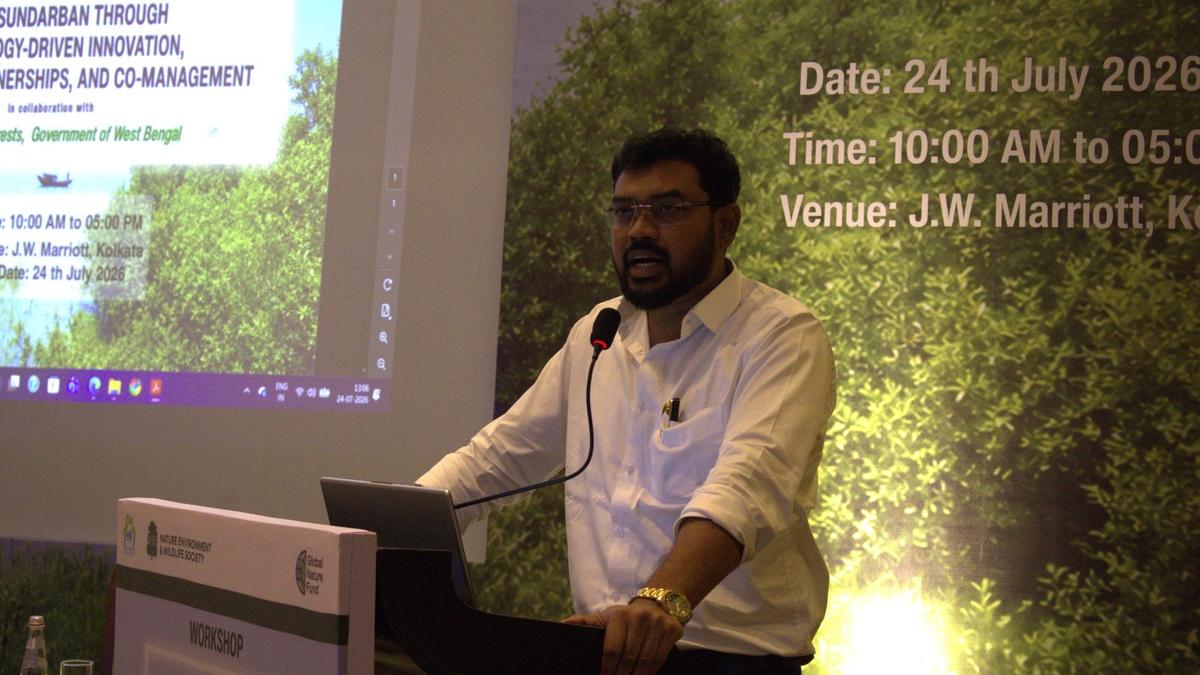
A model of Sustainable Aquaculture in Mangrove Ecosystems (SAIME) developed by the Nature Environment and Wildlife Society (NEWS) in West Bengal’s Sundarbans has been conferred Global Technical Recognition by the Food and Agriculture Organization (FAO) of the United Nations.
The recognition was conferred on the non-governmental organisation on October 15, 2025, during FAO’s 80th Anniversary Celebrations and the World Food Forum at its headquarters in Rome, Italy.
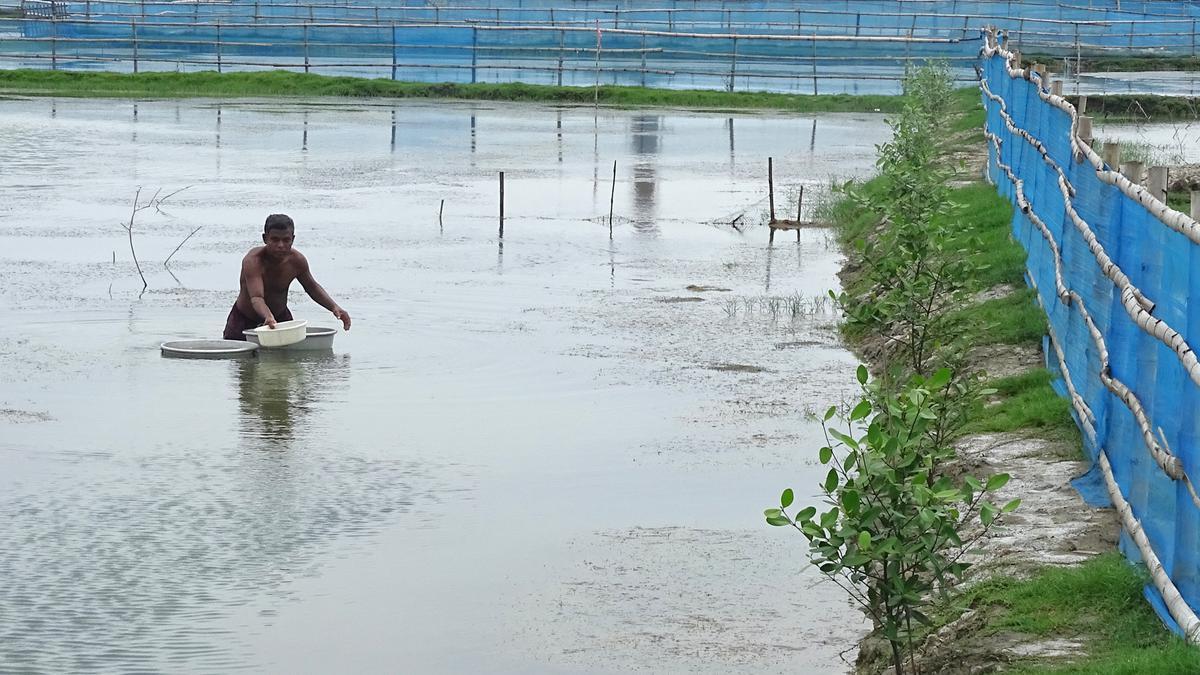
The SAIME initiative in the Indian Sundarbans exemplifies an ecosystem-based, climate-adaptive, and conservation-linked livelihood approach, ensuring 5%–30% mangrove coverage in aquaculture ponds. After a few years of implementation across 29.84 hectares of farm area by 42 fish farmers, the annual average net profit of farmers increased by over 100%, owing to a significant reduction in production costs.
Farmers practising sustainable aquaculture at Chaital in North 24 Parganas and Madhabpur in South 24 Parganas districts use mangrove litter as fodder for the input-intensive monoculture of Black Tiger Shrimp (Penaeus monodon). Under SAIME, farmers follow a community participatory approach, adopting good aquaculture practices that strike a balance between mangrove conservation and aquaculture-based livelihoods in the context of climate change-induced sea-level rise.