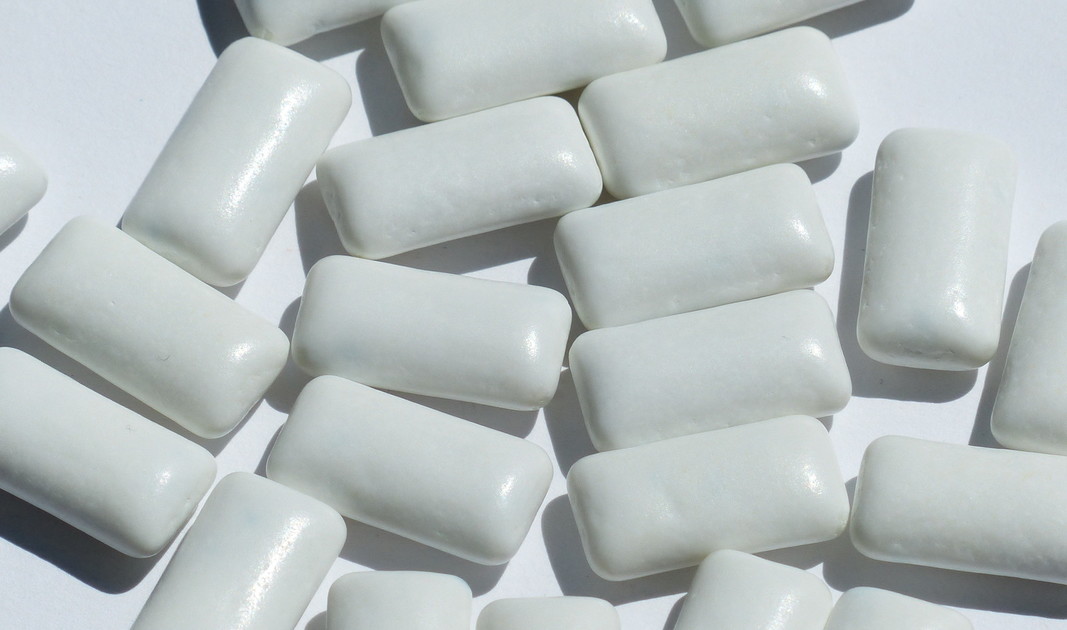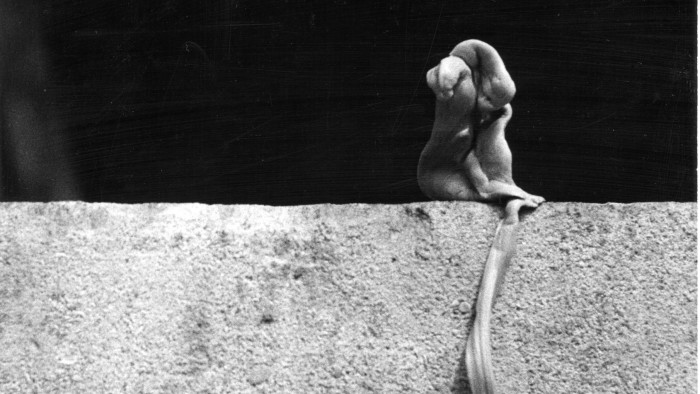
The UK consumes four billion pieces of gum a year. The annual global figure is 374 billion. According to market research, most people chew to freshen their breath but some use gum to suppress appetite, aid concentration and relieve stress. It may also assist in mewing – a method of strengthening one’s jawline that’s popular on social media – though scientific evidence is scant.
After cigarette butts, gum is the second most littered item on the planet. The annual clean-up cost for councils in the UK is around £7mn. Keep Britain Tidy estimates that 77 per cent of England’s streets and 99 per cent of retail sites are stained with gum. Most also contain plastic, which is non-biodegradable. This is bad for the planet but potentially also our wellbeing. According to a research paper from Queen’s University Belfast, a single piece of conventional gum can release more than 250,000 microplastics and detectable levels of nano-plastics into our bodies, which could have health implications. The speed of nano-plastic release prompted one of the paper’s researchers to conclude: “There may not be any safe chewing duration.”
Oh My Gum! cinnamon chewing gum
Price: £3.25 for 10 pieces
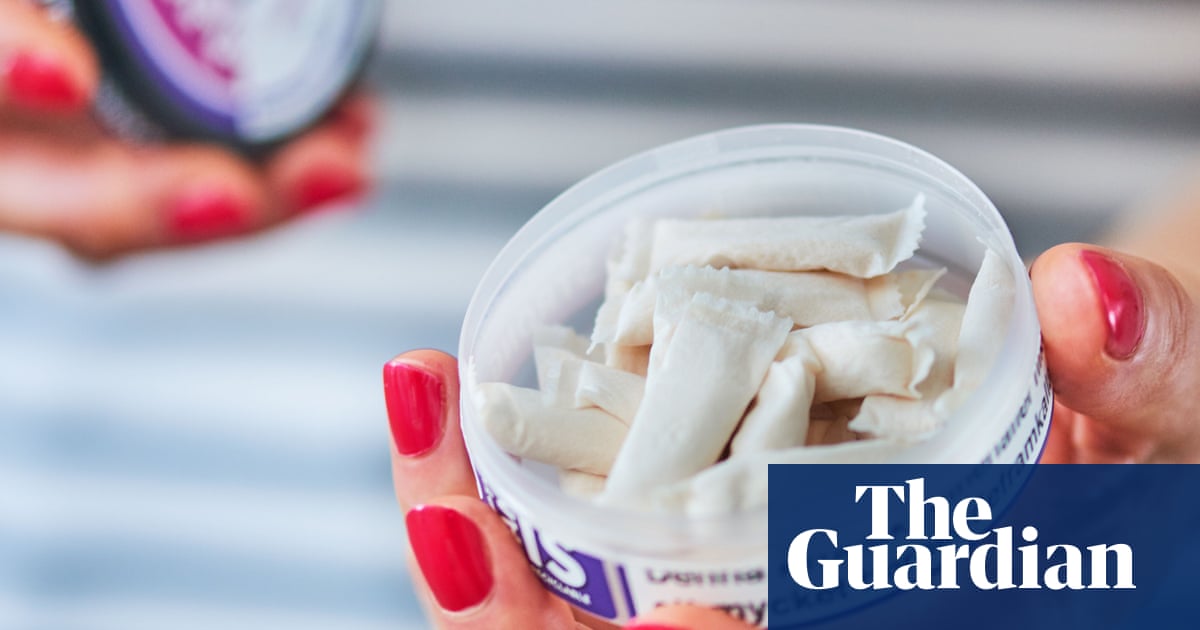
Such concerns have contributed to the rise of plastic-free chewing gum, which is typically made from acacia gum or chicle (a natural tree sap). Though niche in the total $18.49bn chewing gum market, the plastic-free sector is projected to grow to $242mn by 2031.