“The continuous roar of the machine at work, of customers crowding into the departments, dazzled by the merchandise, then propelled towards the cash-desk. And it was all regulated with the remorselessness of a machine: the vast horde of women were as if caught in the wheels of an inevitable force.” When Émile Zola wrote these words about a Parisian department store in his epic novel The Ladies’ Paradise (1883), he was inspired by two real-life stores, Le Bon Marché and Les Grands Magasins du Louvre. The department store was a microcosm of modern capitalism, a cornucopia of technology and produce piled up in order to awe. It also represented the end of Paris as a city of small workshops, weavers and artisanal garrets, replaced by monstrous machines of consumption.
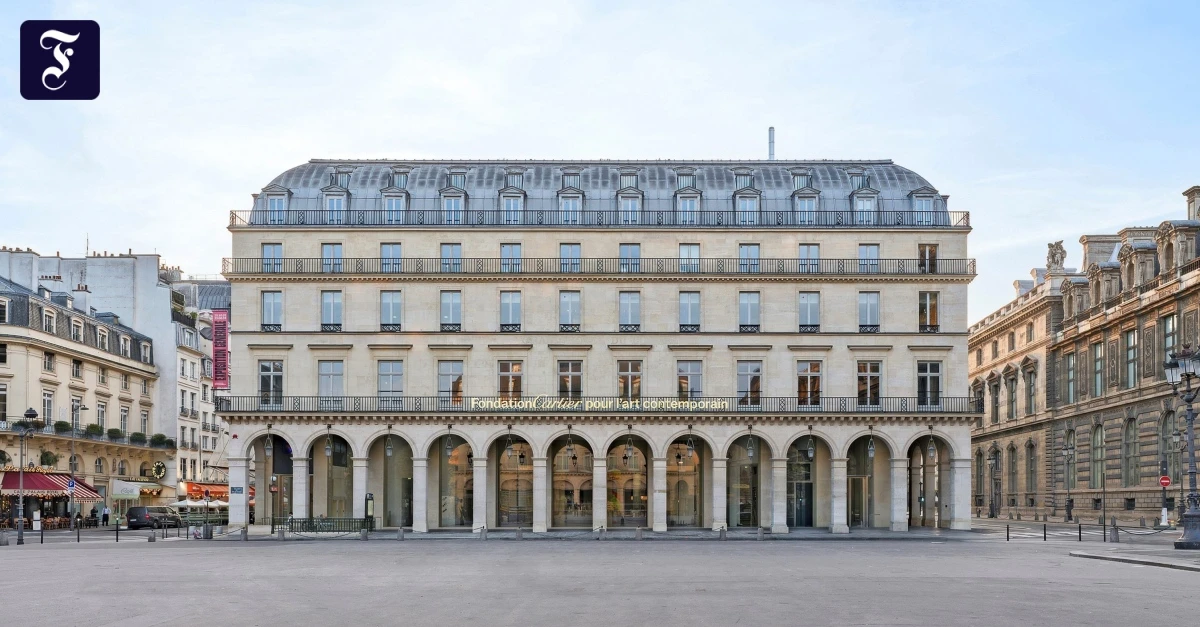
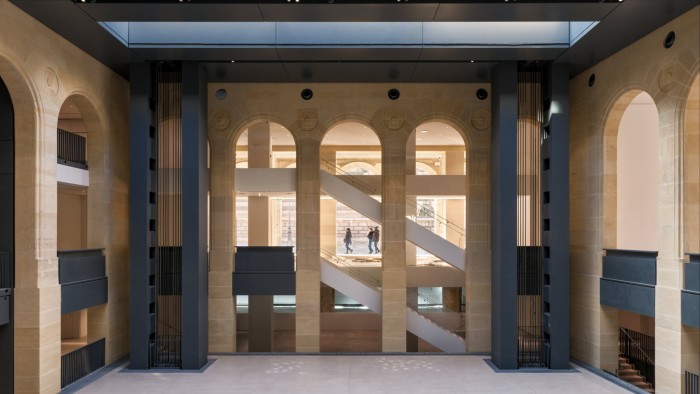
The second of those institutions, Les Grands Magasins du Louvre, situated right in front of the eponymous museum, is about to reopen not as a department store but as a museum of contemporary art with the name of a luxury brand attached, Cartier. It signals another chapter in the transformation of Paris that Zola once described — one in which culture is the driver of global consumption.
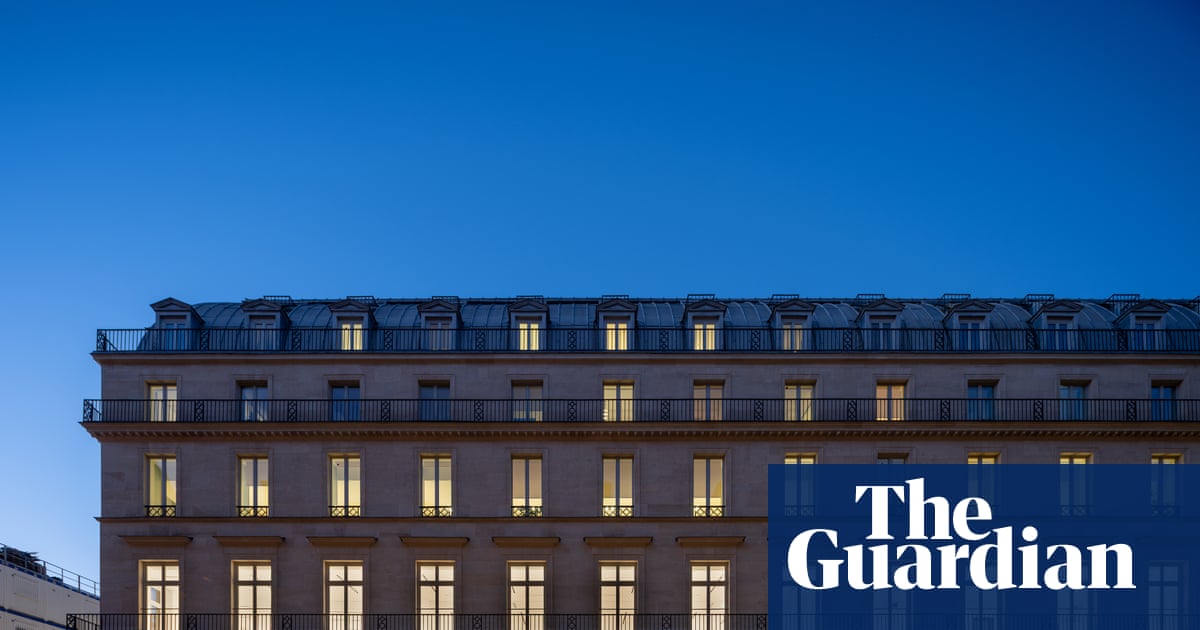
Outside view of Fondation Cartier pour l’art contemporain, in a historic building opposite the Louvre © Martin Argyroglo