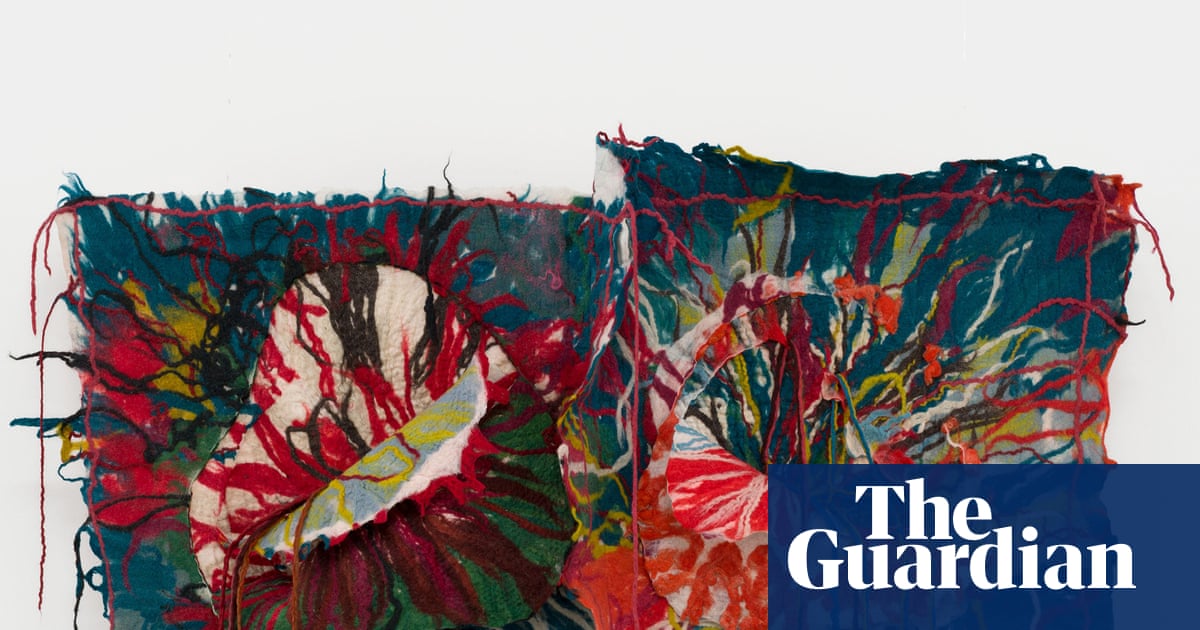
Sandwiching together fabrics, paper, wool and felt before splicing them into colourful life, as Sundaram explains: it all started with her mother’s sari
W
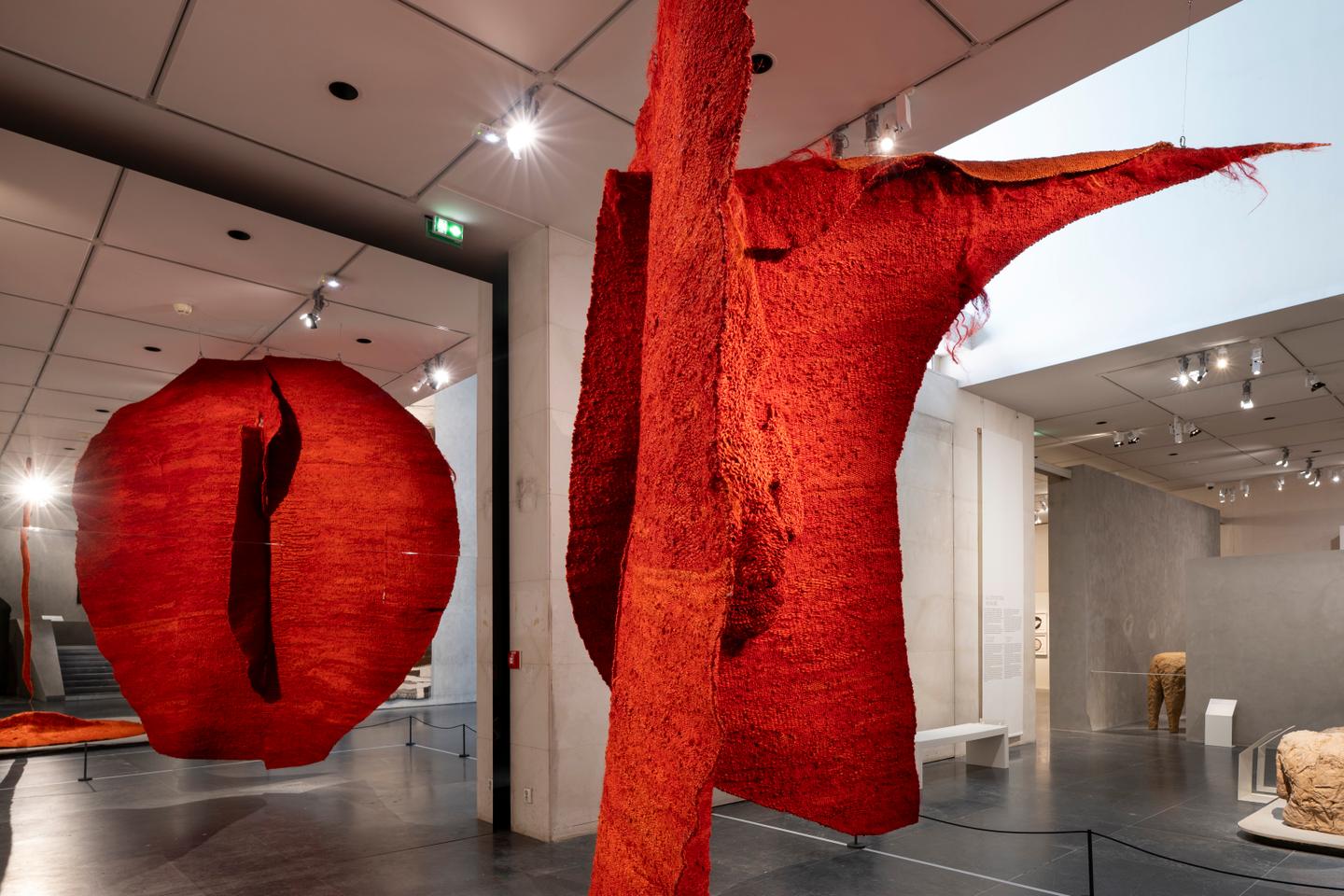
hen I meet Sagarika Sundaram at Alison Jacques gallery in London, she is in the middle of installing her show. Squares of colourful, hand-dyed fabric lay flat across the floor like quilts. But next week, when her solo show opens, the works will look completely different: bold patterns and textures will spill out from buried layers she refers to variably as “tongues”, “pockets” and “clues”. One piece of felt, folded in the corner, will be spliced, unfurled and dangled from the ceiling like a canopy.
Once suspended in this way, Sundaram’s textiles transform into monumental, tactile sculptures. Some stretch as wide as 30ft, others prop themselves up like tents. “I describe them as blooming from themselves, these layered things,” the New York-based artist tells me, slipping off her shoes to climb over one and peel back hidden folds. “When it cuts open, that’s when something activates for me … Suddenly it’s alive.”
The cutting is the final stage in a labour-intensive process, which often takes Sundaram up to six weeks to complete. She begins by making paper models and huge pots of dye, before compressing the hand-coloured wool into felt. After carefully sandwiching her layers of fabric together, she soaks them and leaves them to dry overnight.