Toddlers have big feelings. But sharing their tantrums and pain on social media is not a ‘teachable moment’. It’s cruel
T
here’s a song that’s been in my head all week, and no, it’s not from Taylor Swift’s new album. It’s by a far more sophisticated songwriter than Swift: Ms Rachel. The song is called Big Feelings and it goes: “Big feelings are OK / I’m here to stay with your big feelings.”
Thanks to the trend for gentle parenting, the concept of “big feelings” has become big money online, and for the most part I welcome that (Big Feelings isn’t the only song that reflects this cultural shift; the animation Small Potatoes on CBeebies has a song that goes “Feelings / I’ve got so many feelings”, which my husband likes to sing to me when I’m premenstrual). As a parent, strong emotions are hard to escape: you’re feeling them, the small child in your home is feeling them and, in one of the biggest departures for us as a species, so are myriad other children on your social media feed.
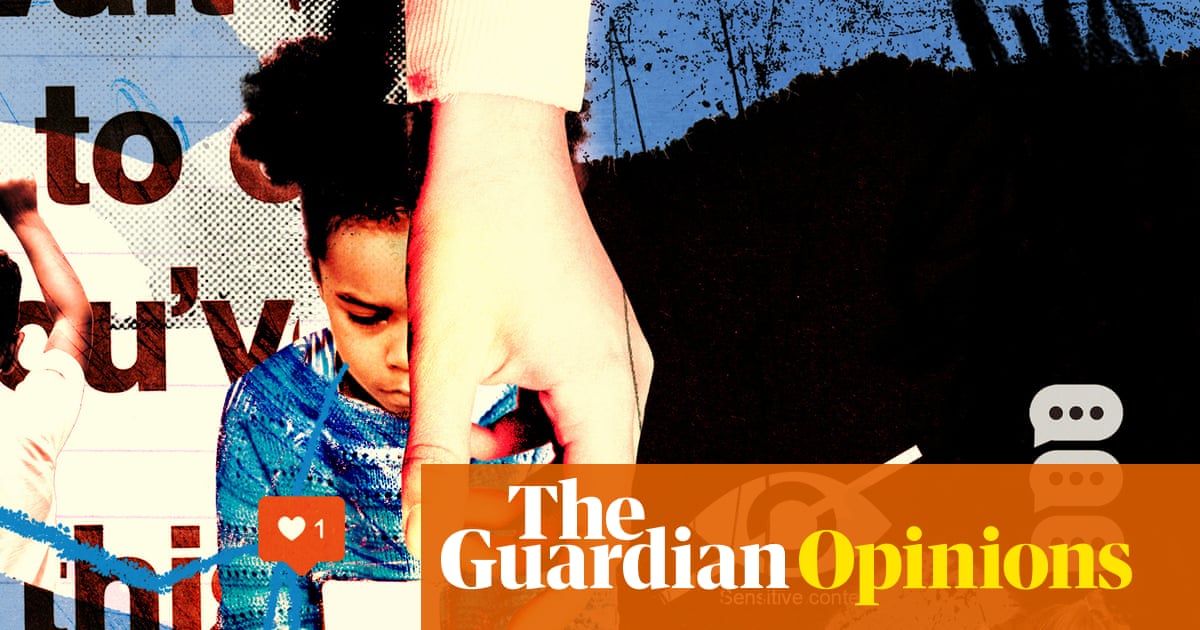
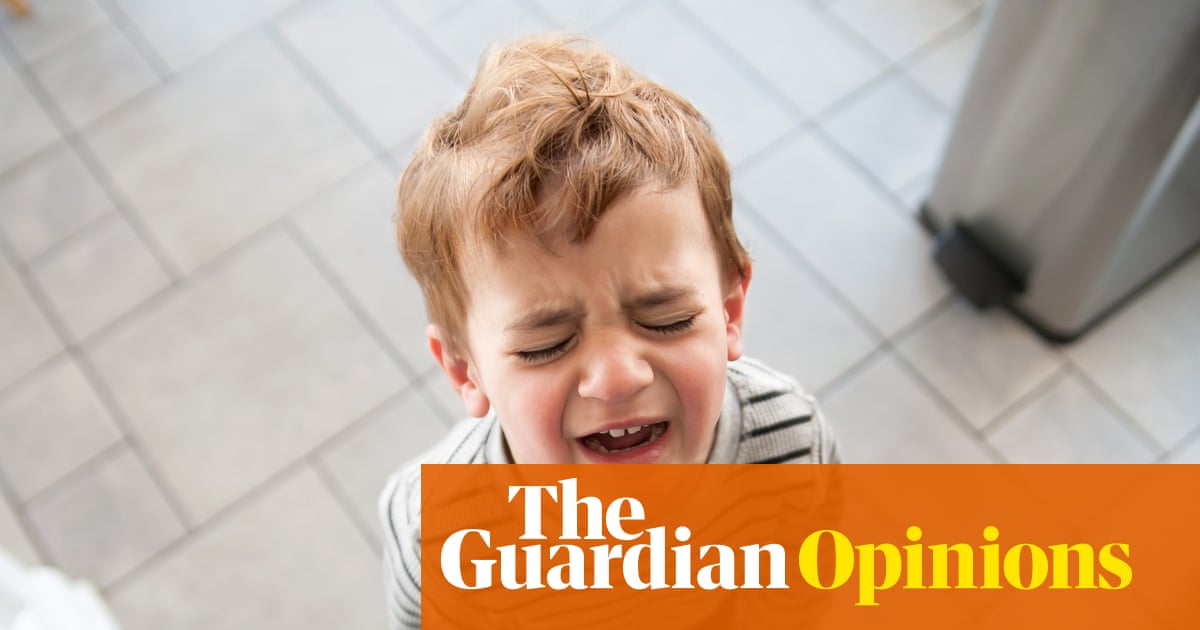
Indeed, footage of babies and children crying is so commonplace on some platforms that many parents don’t even question it. I don’t have TikTok and my Instagram algorithm is mostly fixated on soup and witchcraft, but when a colleague told me that she found the trend disturbing, not to mention morally dubious, I watched some of the videos myself.