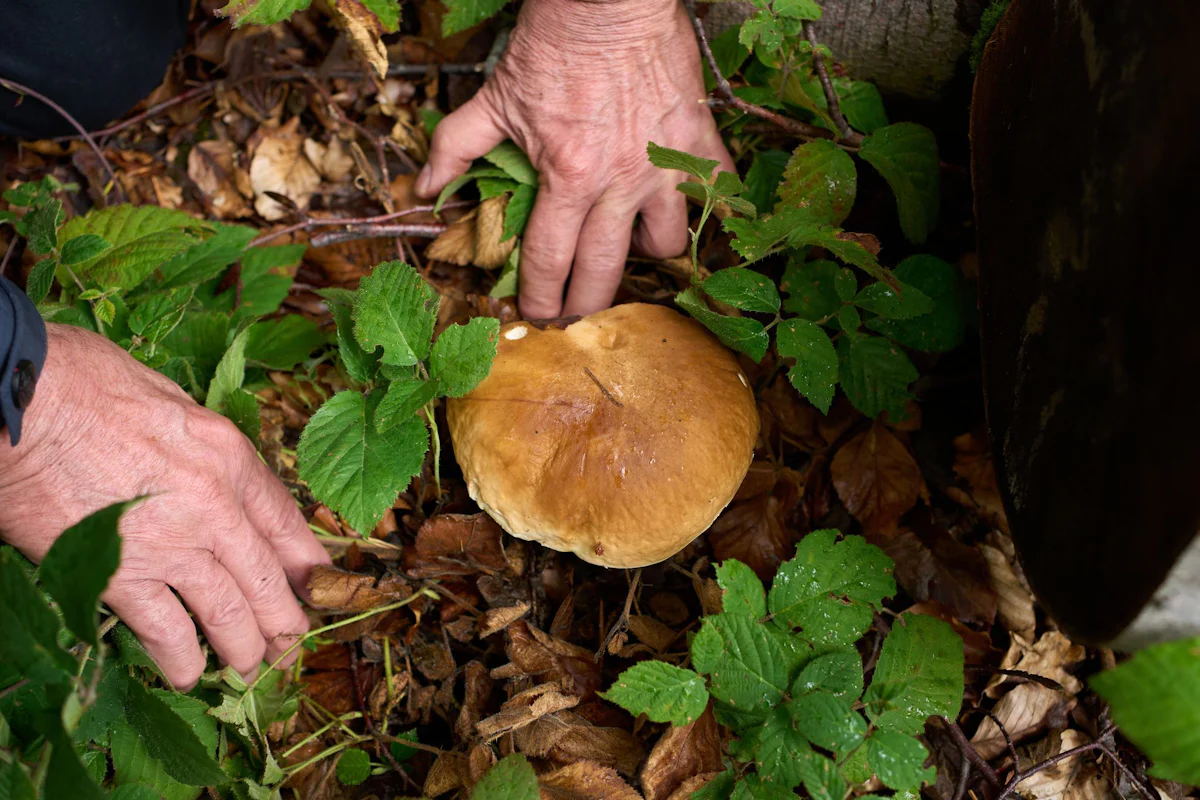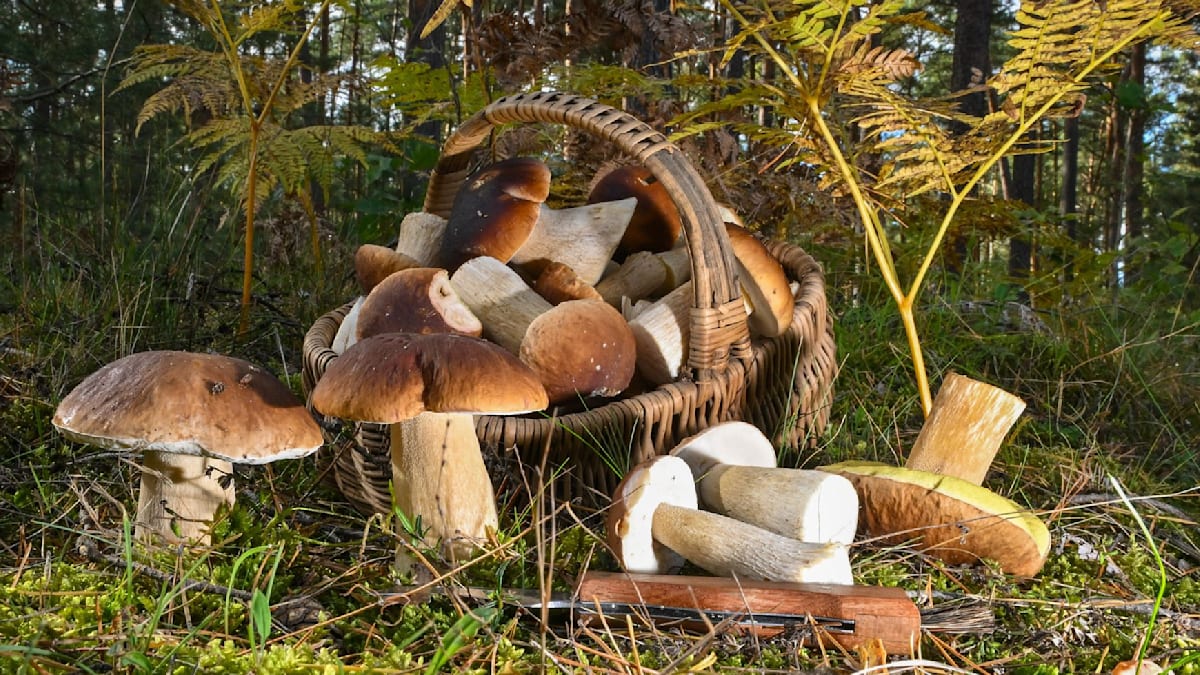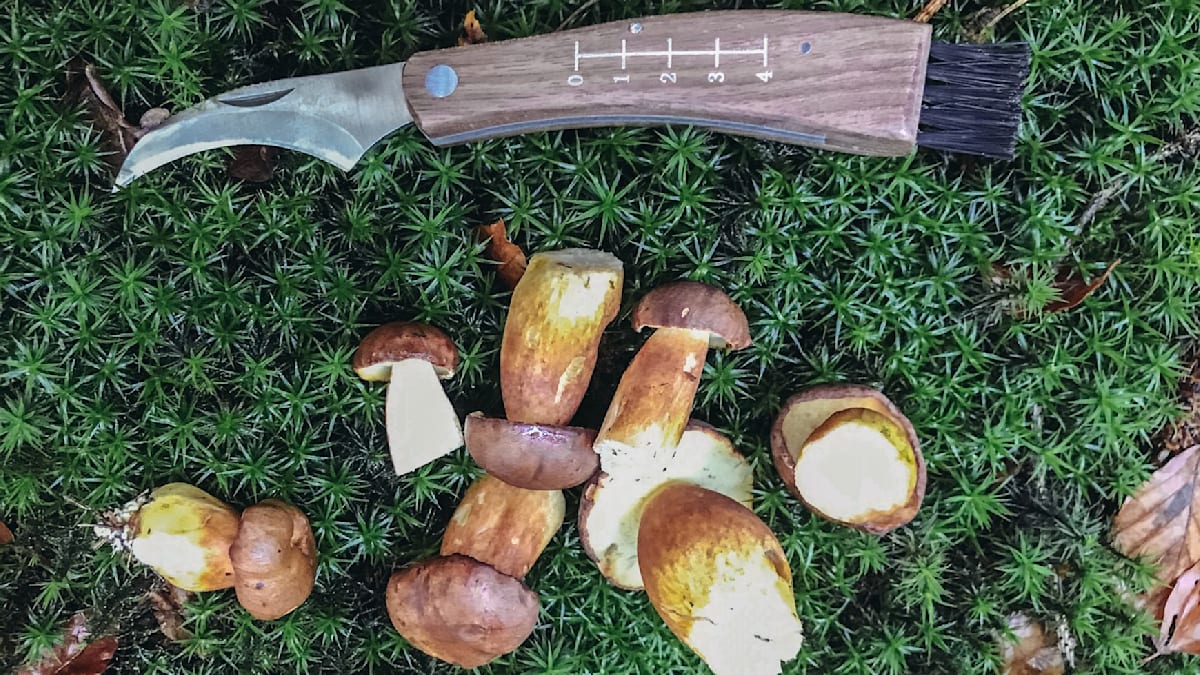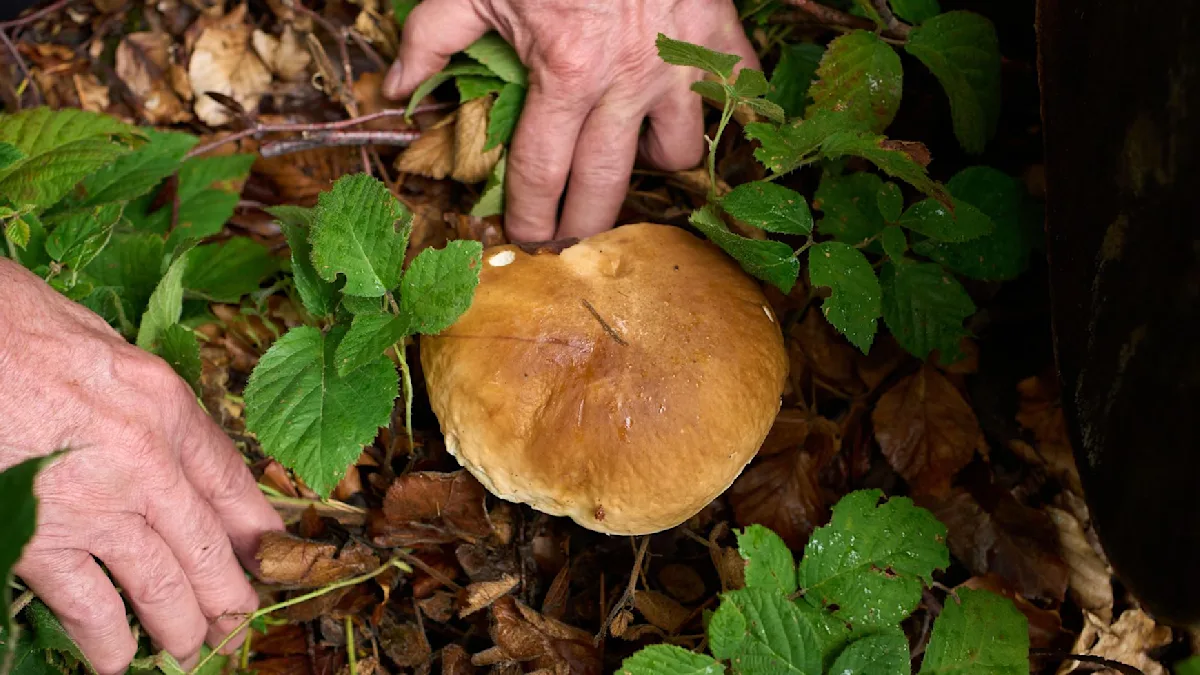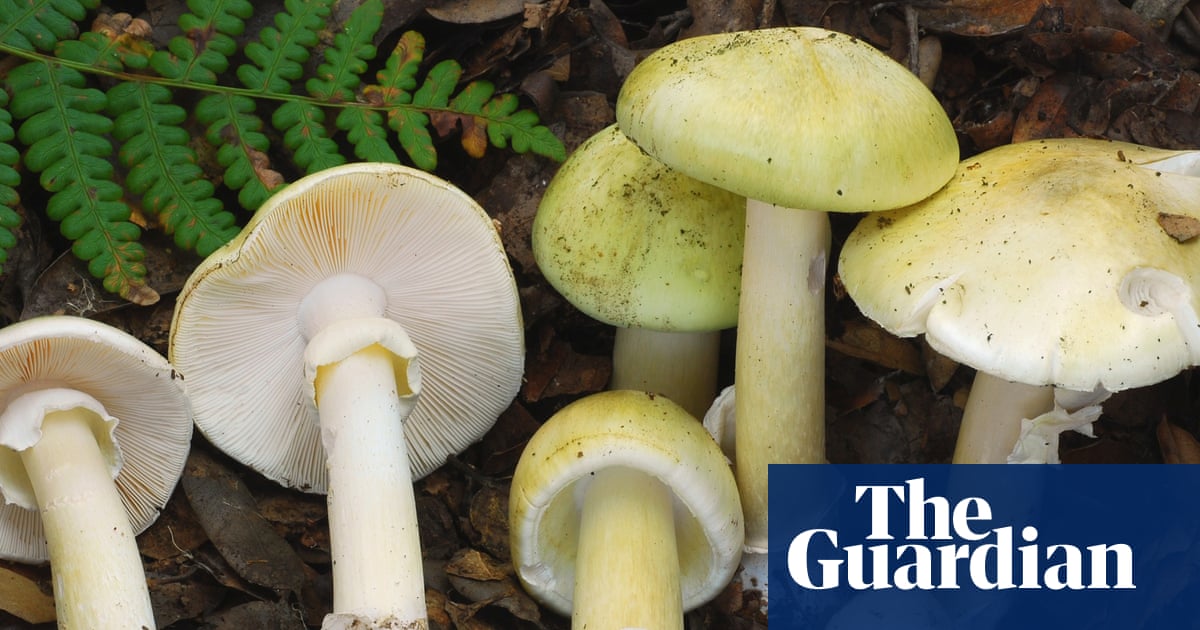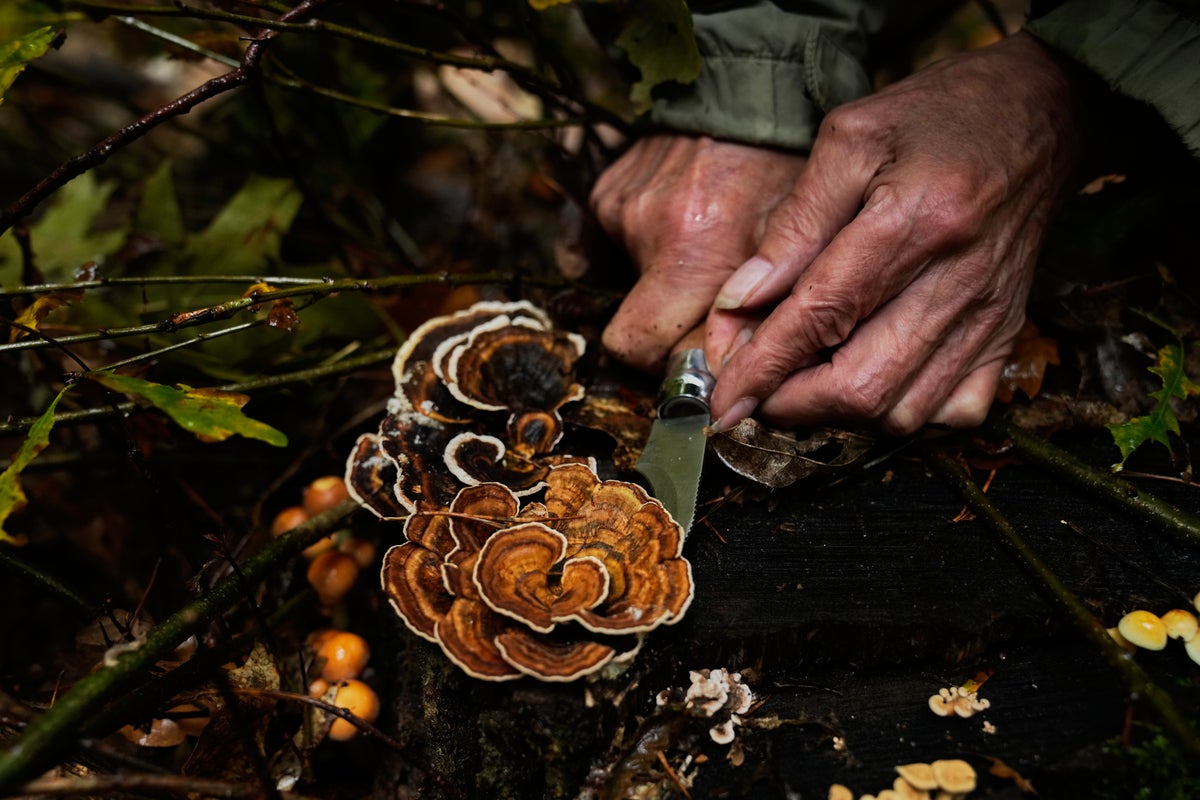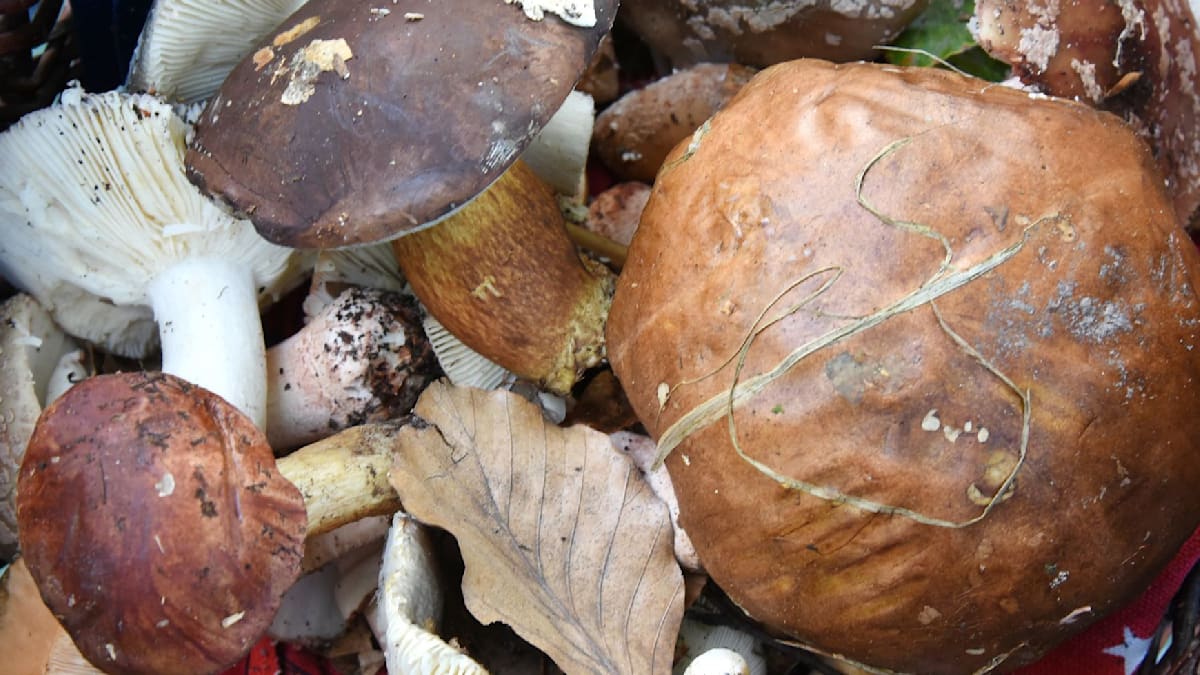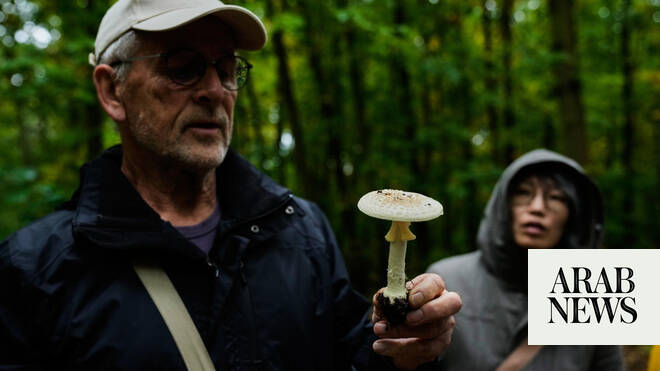
POTSDAM, Germany: Wolfgang Bivour carefully emptied a basket of freshly collected mushrooms onto a forest floor covered with fallen autumn leaves. Brown-capped porcini and bay boletes lay beside slimy purple brittlegills and honey-colored armillaria – and, among them, the lethal green death caps.
Bivour, one of Germany’s most famous fungi connoisseurs, described the different species just collected in an oak and beech forest on the outskirts of Potsdam in eastern Germany. Surrounding him were 20 people who listened attentively, among them university students, retirees and a Chinese couple with their 5-year-old daughter.
Across Germany, the traditional forest art of mushroom hunting is enjoying a revival, fed by the coronavirus pandemic restrictions, which pushed people from cramped apartments into forests, and by the growing popularity of the vegan lifestyle. A growing interest in the use of medicinal fungi is also playing a role.
While people in rural areas have gone mushroom picking for ages, city dwellers are now also discovering its joys.
Mushroom hunting was a necessity for many Germans in the difficult years after World War II, when people scoured forests for anything edible. But when West Germany’s economy started booming in the 1950s, and economic conditions also improved in East Germany, many turned away from the practice.