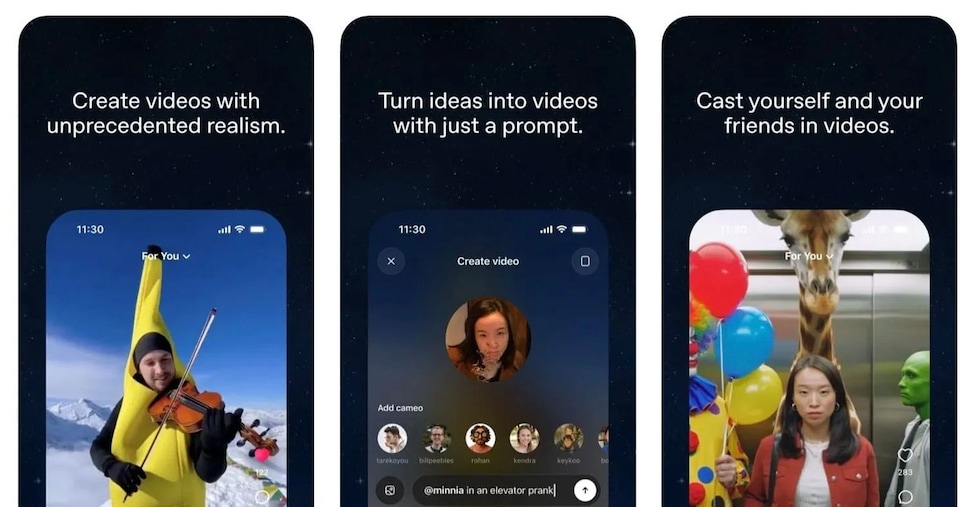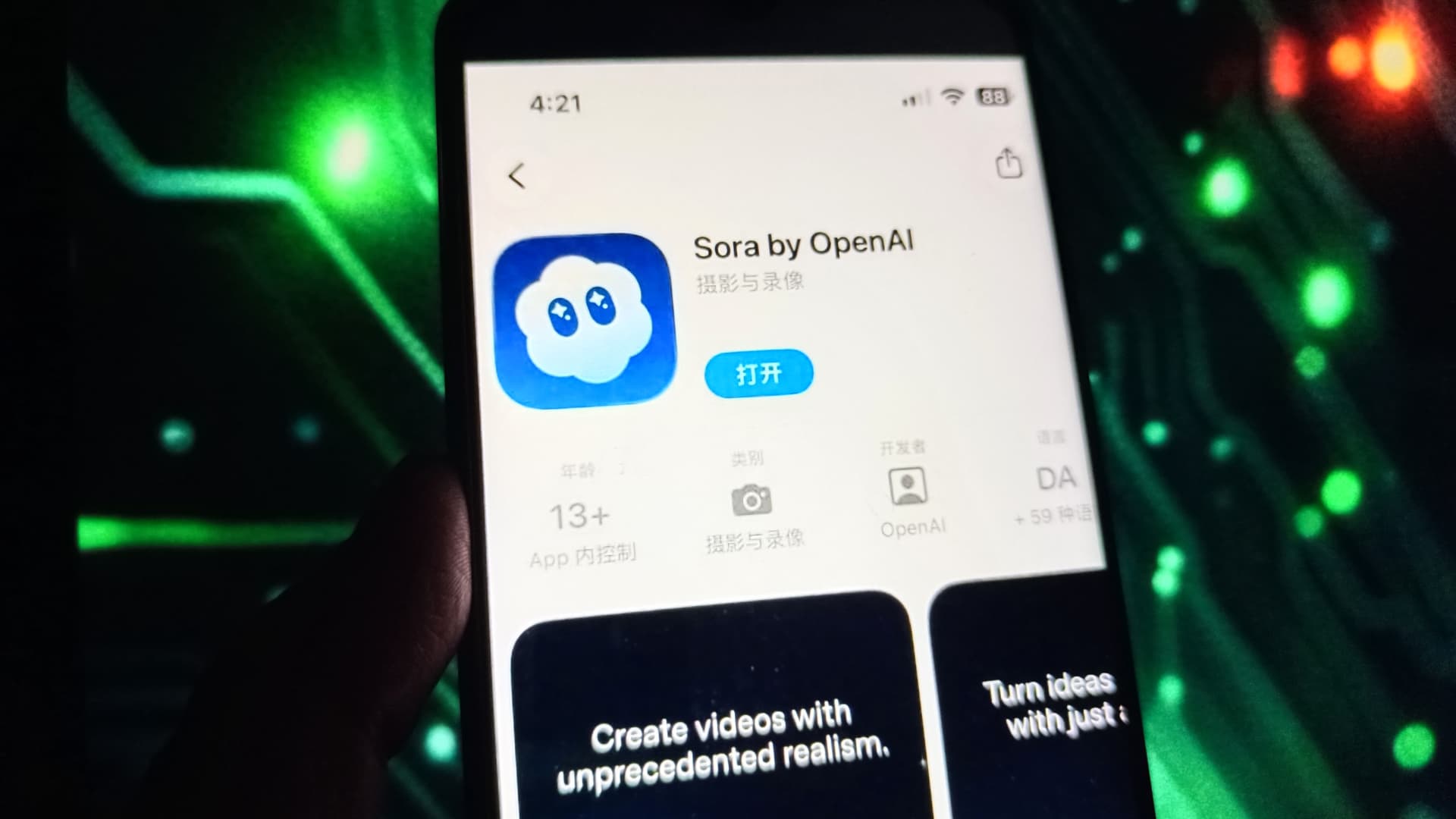
On Tuesday, OpenAI announced the release of Sora 2, an audio and video generator to succeed last year’s Sora. Along with the model, the company also launched a linked social app called Sora, where users can generate videos of themselves and their friends to share on a TikTok-style algorithmic feed. OpenAI’s work on a new social platform was previously reported by Wired.
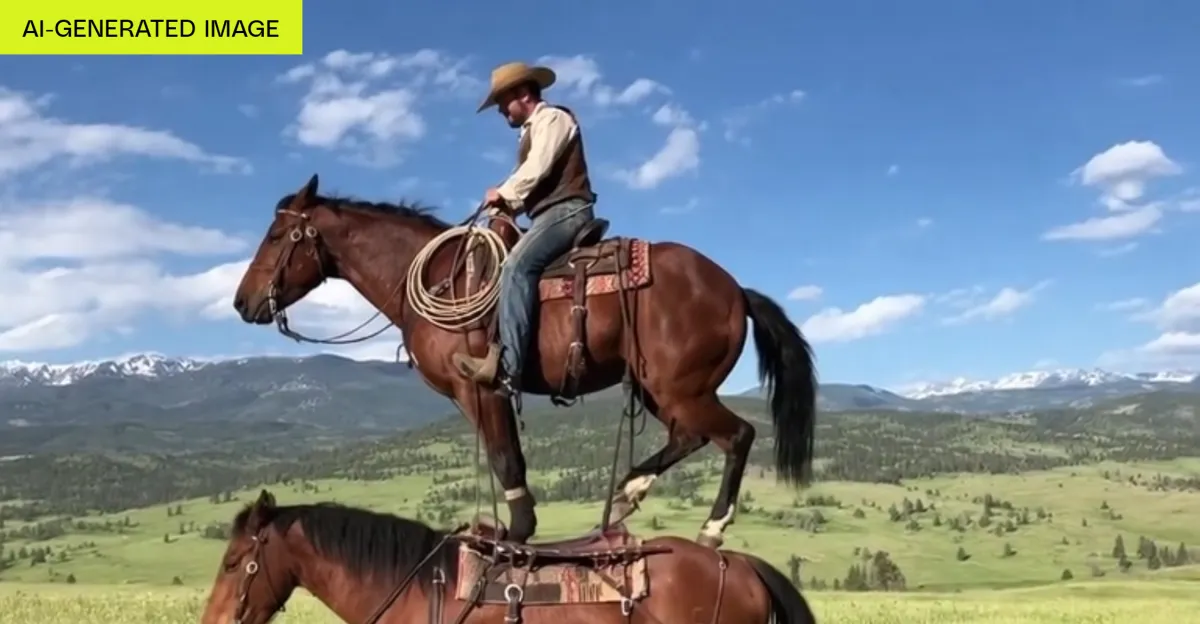
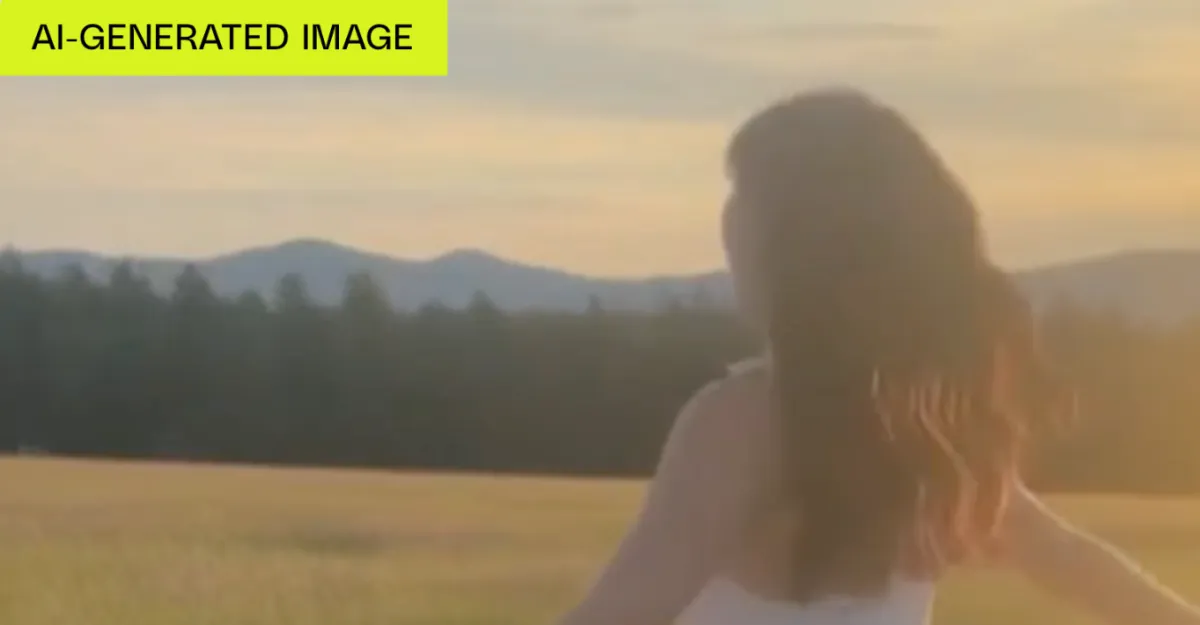
While we haven’t been able to test the invite-only app and Sora 2 model ourselves yet, OpenAI has shared impressive examples. In particular, Sora 2 is better at following the laws of physics, making the videos more realistic. OpenAI’s public clips depict a beach volleyball game, skateboard tricks, gymnastics routines, and cannonball jumps from a diving board, among others.
“Prior video models are overoptimistic — they will morph objects and deform reality to successfully execute upon a text prompt,” OpenAI wrote in a blog post. “For example, if a basketball player misses a shot, the ball may spontaneously teleport to the hoop. In Sora 2, if a basketball player misses a shot, it will rebound off the backboard.”
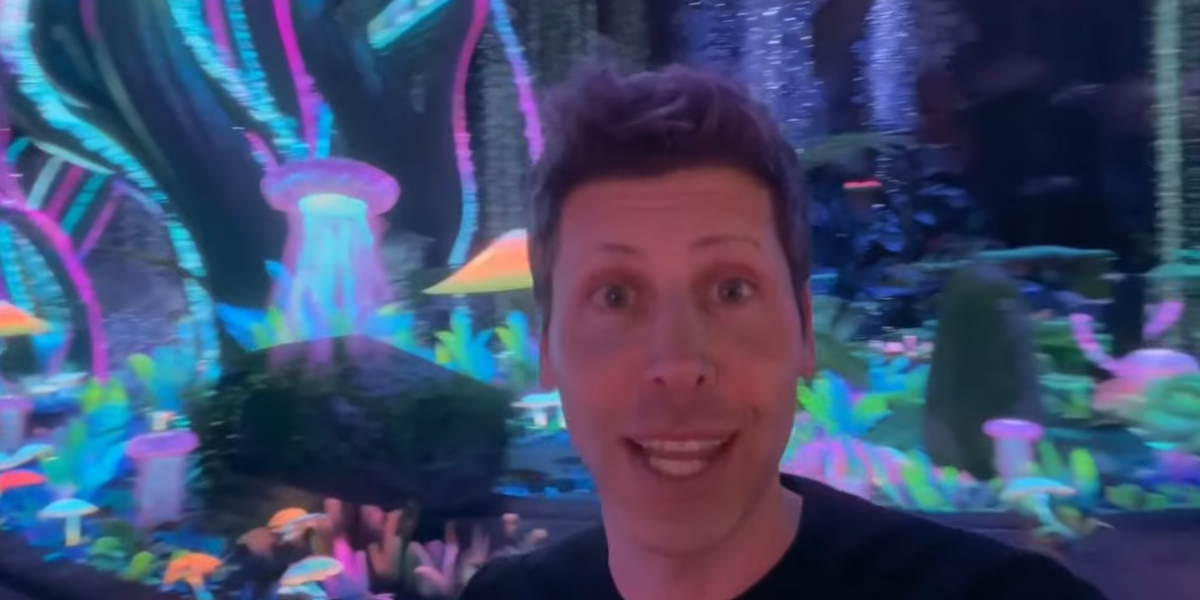
The Sora app comes with an “upload yourself” feature called “cameos,” which allows users to drop themselves into any Sora-generated scenes. In order to use their own likeness in a generated video, users will have to upload a one-time video-and-audio recording to verify their identity and capture their appearance.