Show Caption
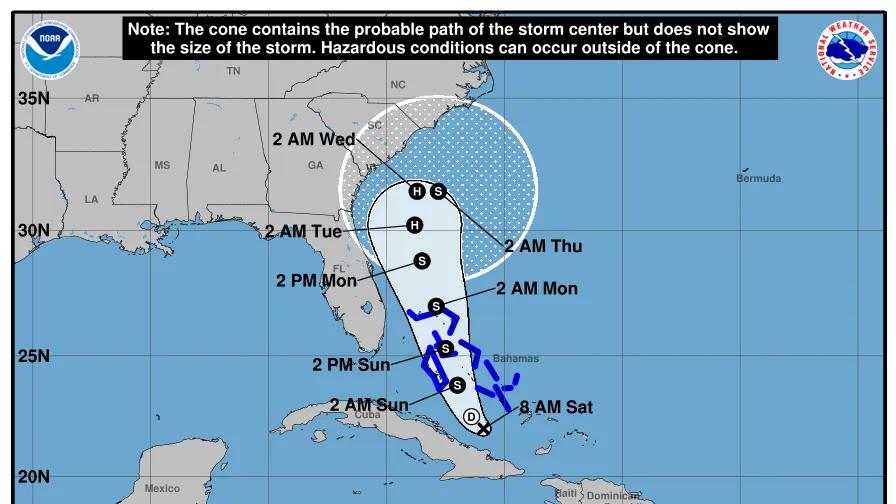
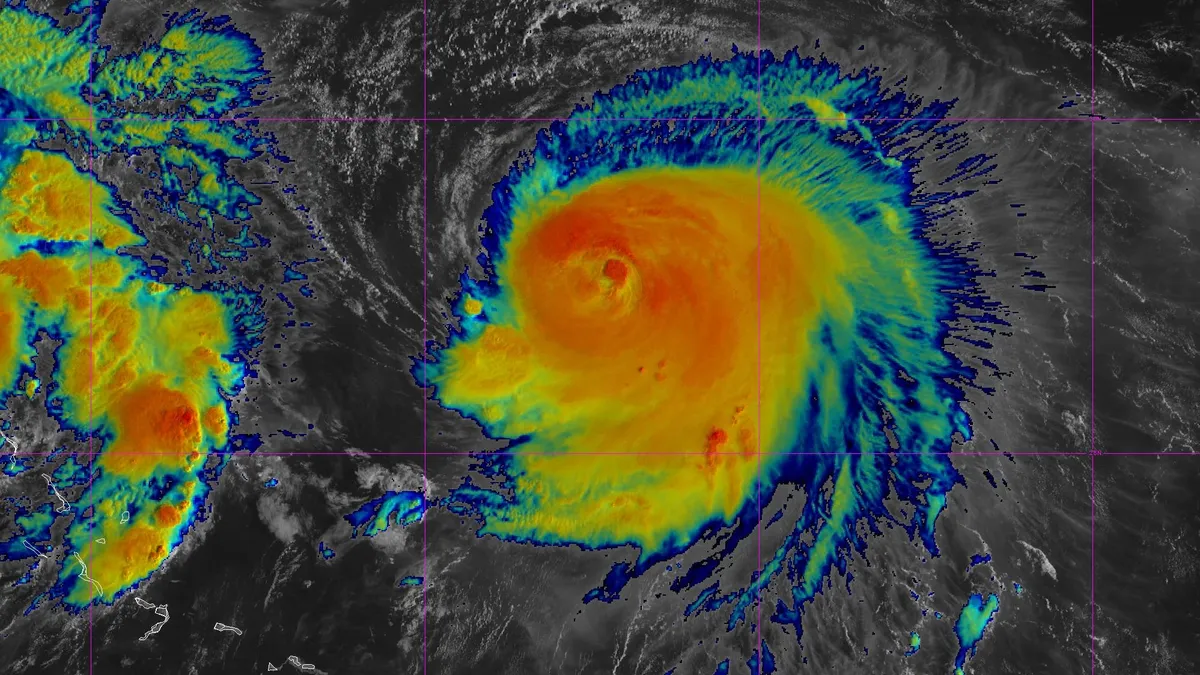
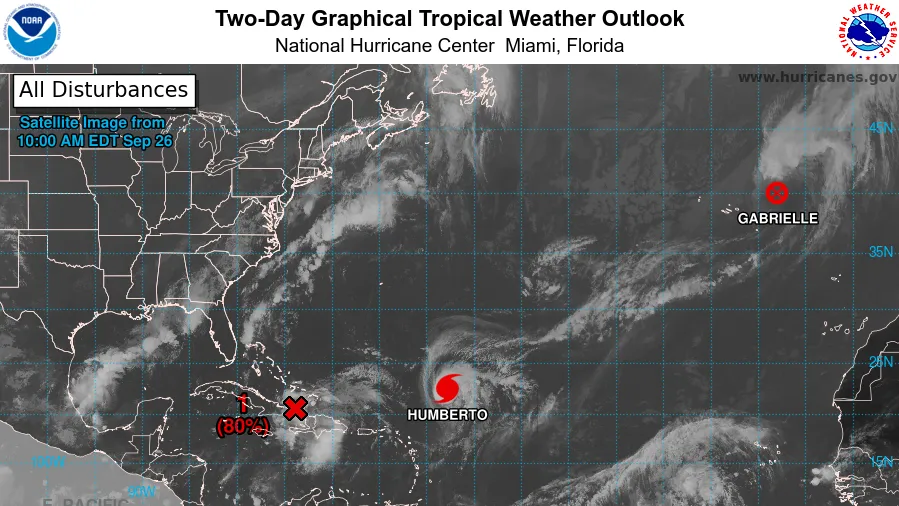
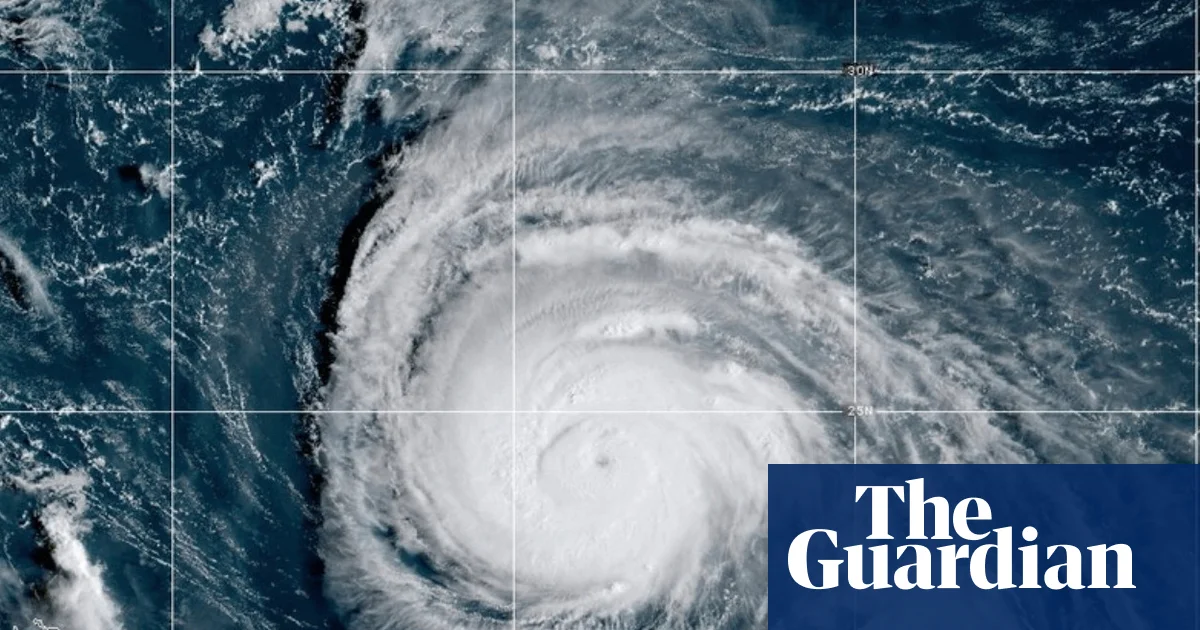
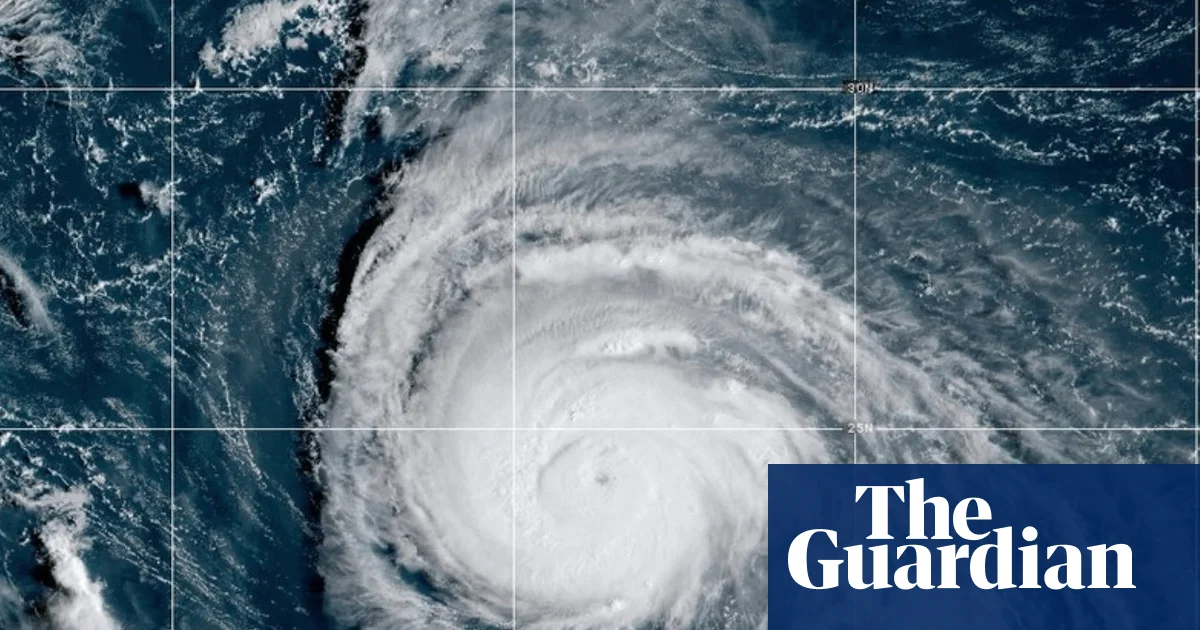
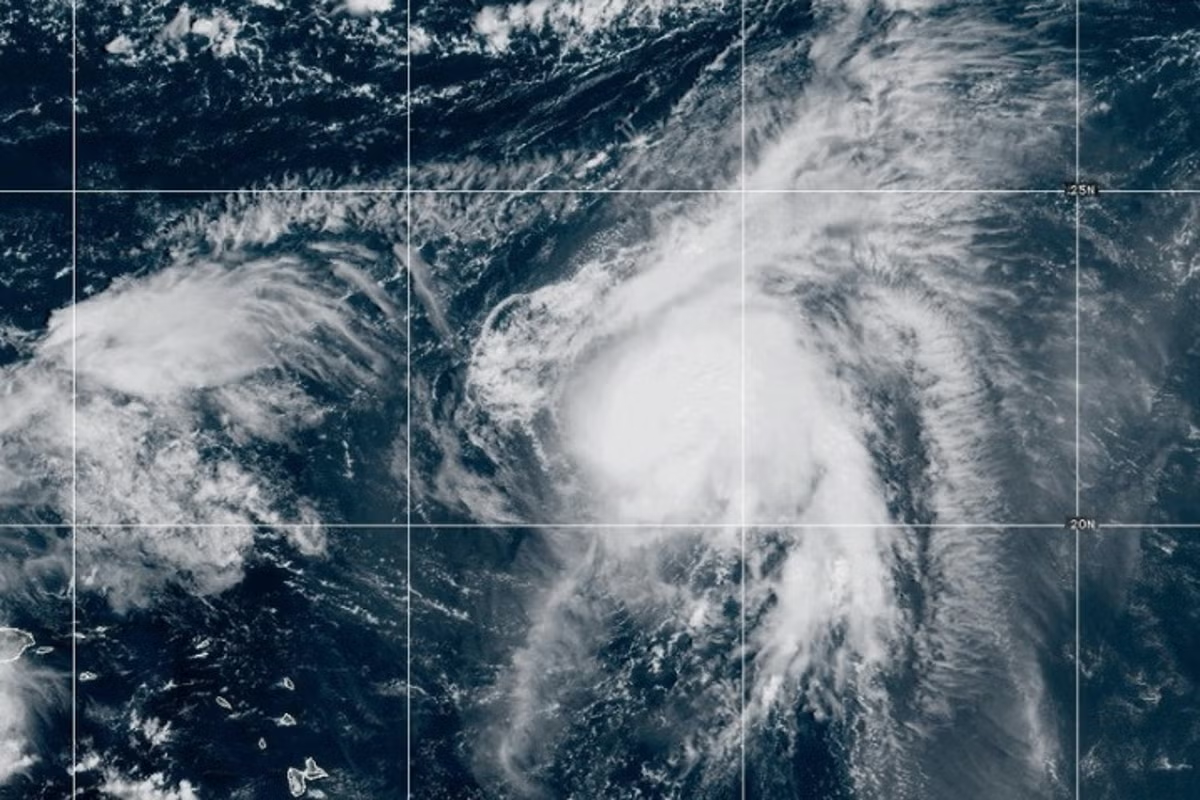
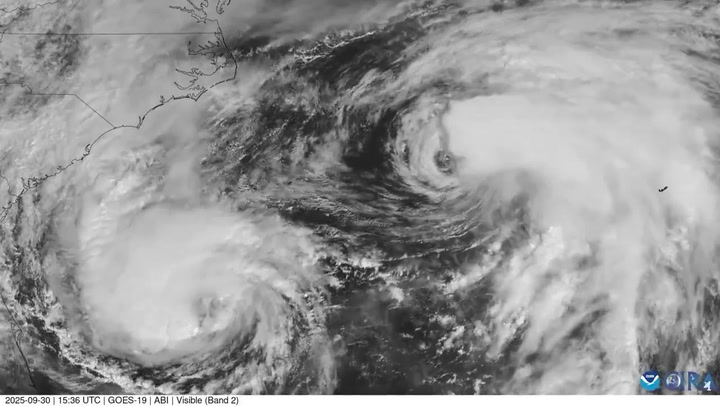
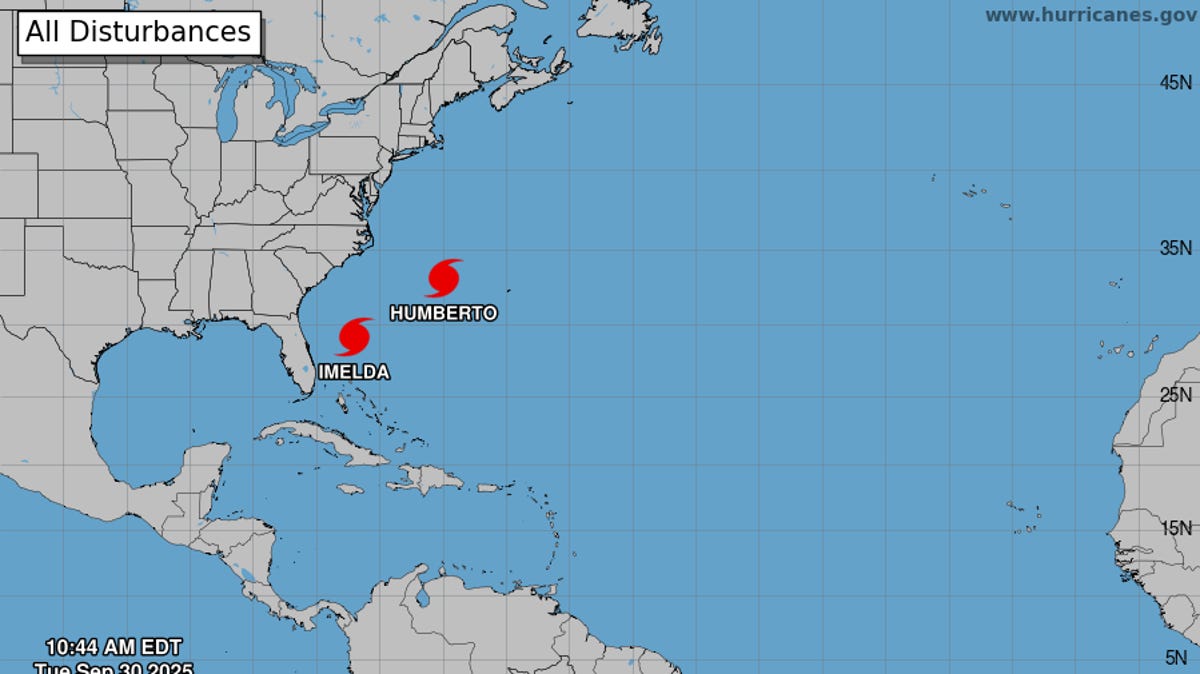
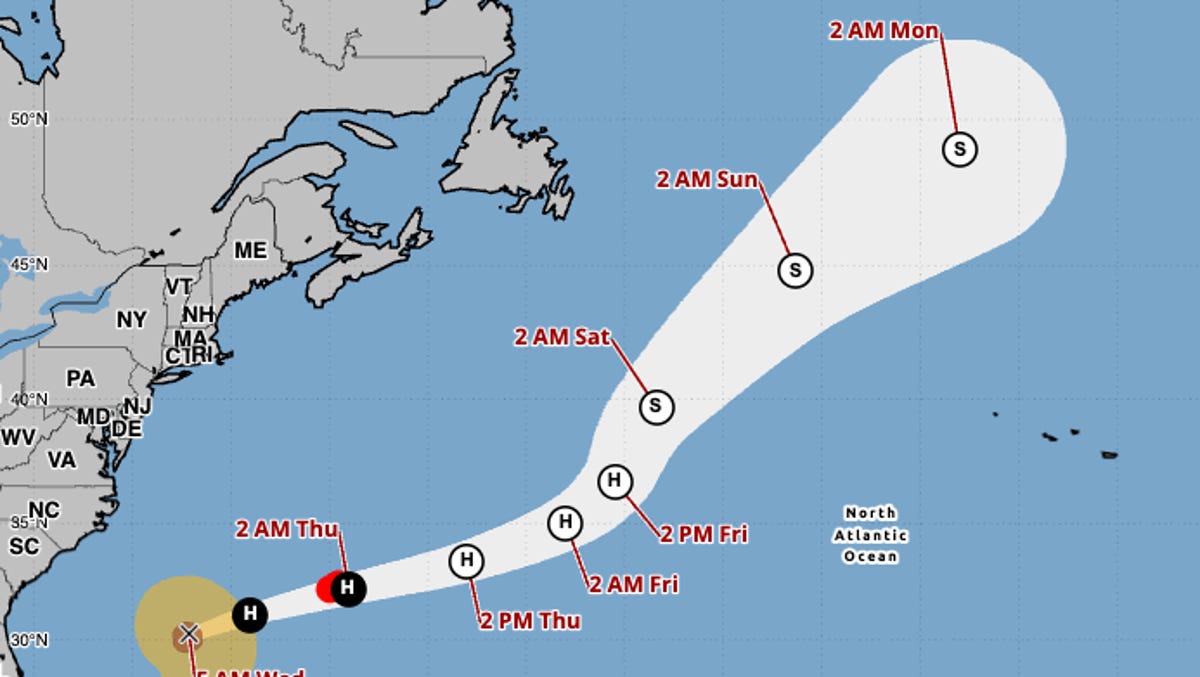
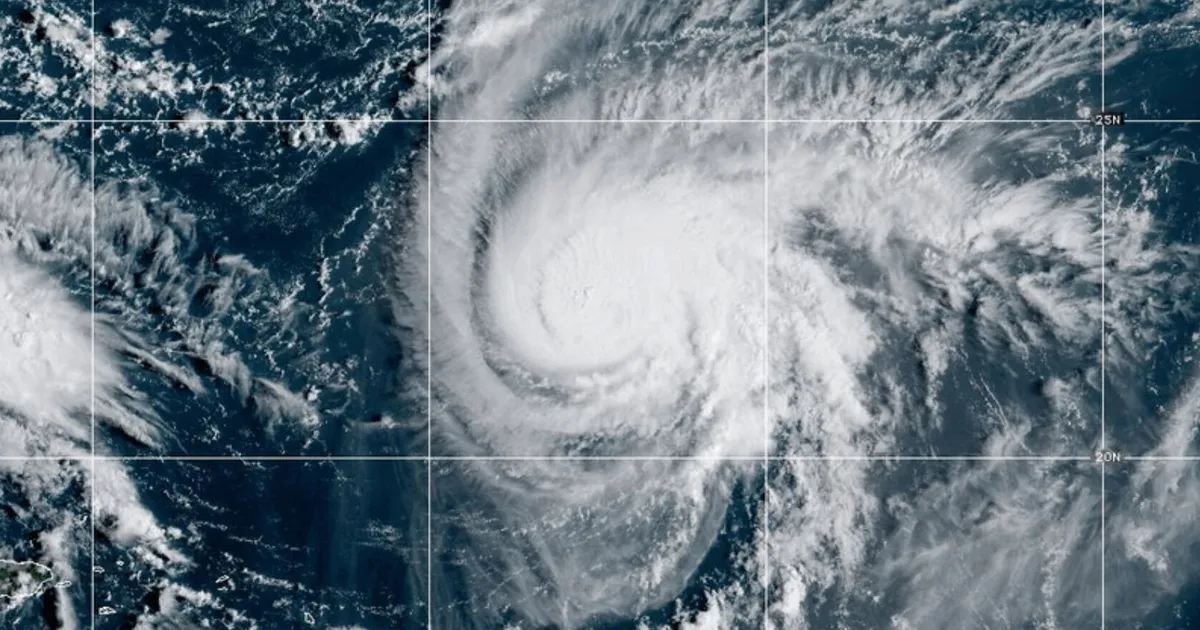
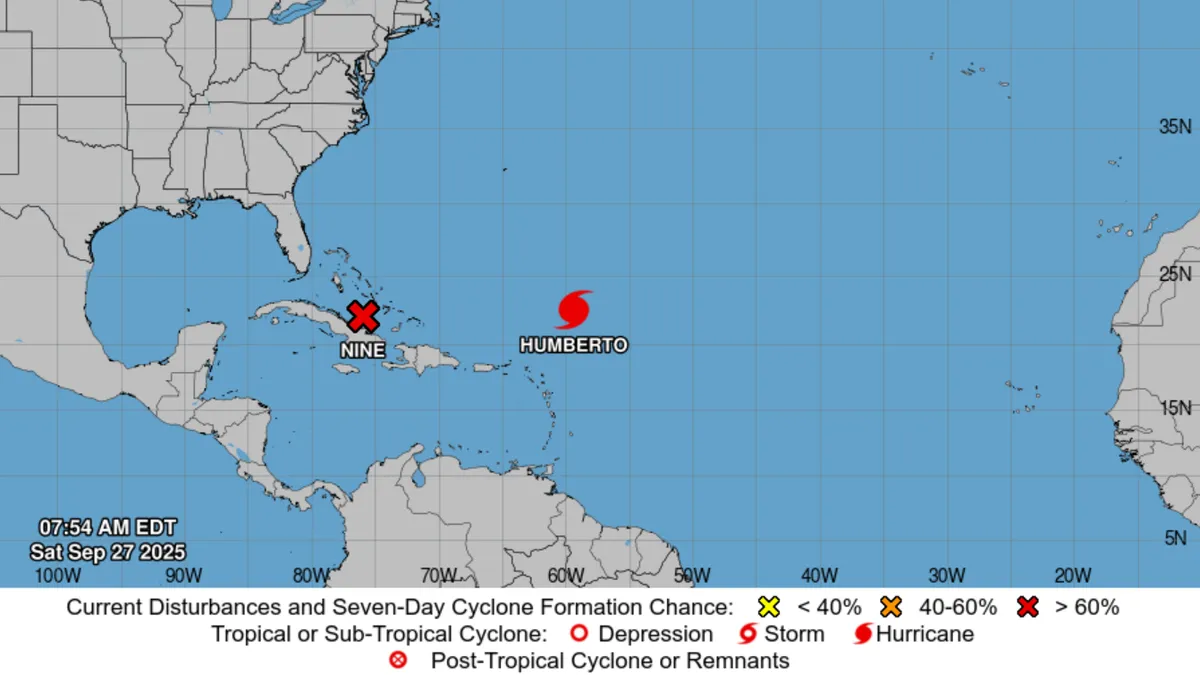
As Hurricane Humberto moves across the Atlantic Ocean toward Bermuda this weekend, another burgeoning tropical system in the Caribbean – expected to become Hurricane Imelda – is poised to threaten the Southeastern U.S. coast early next week.While Humberto is not a major threat to the U.S., swells created by the hurricane could bring life-threatening surf and rip current conditions to Bermuda, Puerto Rico, the Virgin Islands and the northern Leeward Islands Saturday night and create swells affecting the east coast of the U.S. beginning Monday, Sept. 29, the National Hurricane Center said Saturday, Sept. 27.The other system, currently called Tropical Depression Nine, is expected to develop into Tropical Storm Imelda, perhaps as early as Saturday, and gradually strengthen into a hurricane by late Monday as it approaches the southeast, the hurricane center said.Multiple weather systems may interact with each other, possibly in a dramatic and chaotic fashion, leading to added uncertainty.Hurricane Humberto trackerThis forecast track shows the most likely path of the center of the storm. It does not illustrate the full width of the storm or its impacts, and the center of the storm is likely to travel outside the cone up to 33% of the time.Humberto was a category 4 hurricane on the morning of Saturday, Sept. 27.Hurricane Humberto spaghetti modelsIllustrations include an array of forecast tools and models, and not all are created equal. The hurricane center uses only the top four or five highest-performing models to help make its forecasts.NHC tracking soon-to-be ImeldaThe system is expected to be at or near hurricane intensity – and be named Imelda – when it approaches the Southeastern U.S. coast early next week, bringing strong winds and storm surges. Forecasters say flooding and rain risk could increase due to an unrelated rain event in the area. Read more.How do hurricanes form?Hurricanes are born in the tropics, above warm water. Clusters of thunderstorms can develop over the ocean when water temperatures exceed 80 degrees. If conditions are right, the clusters swirl into a storm known as a tropical wave or tropical depression.A tropical depression becomes a named tropical storm once its sustained wind speeds reach 39 mph. When its winds reach 74 mph, the storm officially becomes a hurricane.Prepare now for hurricanesDelaying potentially lifesaving preparations could mean waiting until it’s too late. "Get your disaster supplies while the shelves are still stocked, and get that insurance checkup early, as flood insurance requires a 30-day waiting period," the National Oceanic and Atmospheric Administration recommends.Develop an evacuation plan. If you are at risk from hurricanes, you need an evacuation plan. Now is the time to begin planning where you would go and how you would get there.Assemble disaster supplies. Whether you’re evacuating or sheltering in place, you’re going to need supplies not just to get through the storm but for a possibly lengthy aftermath, NOAA said.Get an insurance checkup and document your possessions. Contact your insurance company or agent now and ask for an insurance checkup to make sure you have enough insurance to repair or even replace your home and belongings. Remember, home and renters insurance don’t cover flooding, so you’ll need a separate policy for those. Flood insurance is available through your company, agent or the National Flood Insurance Program.Create a family communication plan. NOAA says you should take the time now to write down a hurricane plan and share it with your family. Determine family meeting places and make sure to include an out-of-town location in case of evacuation.Strengthen your home. Now is the time to improve your home’s ability to withstand hurricanes. Trim trees and install storm shutters, accordion shutters, and impact glass, and seal outside wall openings.Contributing: Gabe Hauari, Doyle Rice, Dinah Voyles Pulver and Jeanine Santucci, USA TODAYMike Snider is a national trending news reporter for USA TODAY. You can follow him on Threads, Bluesky, X and email him at mikegsnider & @mikegsnider.bsky.social & @mikesnider & msnider@usatoday.comWhat's everyone talking about? Sign up for our trending newsletter to get the latest news of the day