RIYADH: The plastics economy is shifting toward a more circular, digital, and decarbonized model, thanks to rising government regulations and corporate sustainability plans. Yet many regions, including the Gulf, still face major policy and infrastructure gaps.
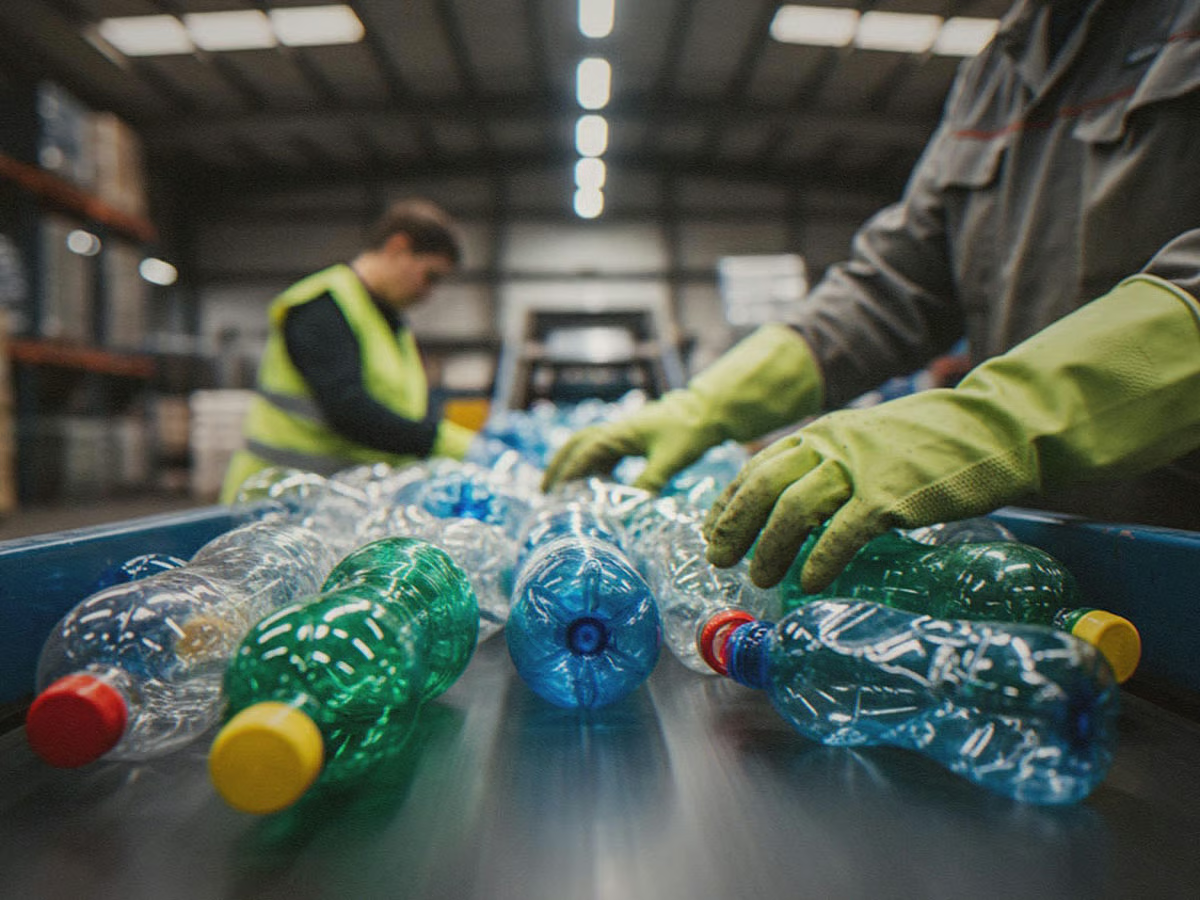
As sustainability regulations tighten and circular economy initiatives expand, global demand for recycled plastics is projected to exceed supply by 25 to 35 million tons by 2030, even though current mechanical recycling rates remain below 10 percent, according to a joint report by Strategy& and the Riyadh-based King Abdullah Petroleum Studies and Research Center.
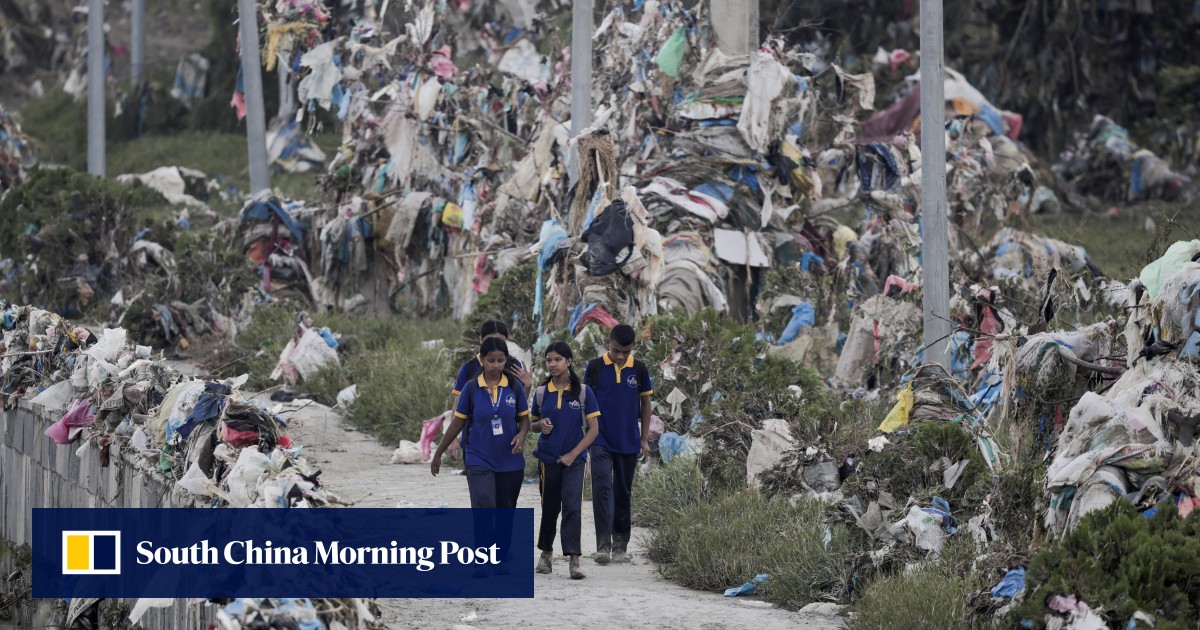
In the Gulf region, despite growing awareness and the rollout of recycling initiatives, nearly 10 million tons of plastic waste are generated each year, only 10 percent of which is recycled.
Reducing reliance on virgin plastics is strategically imperative for Saudi Arabia, says expert. (Stock images)
While this figure aligns with the global average, it falls short of countries such as China, which achieved a recycling rate of more than 30 percent in 2021.