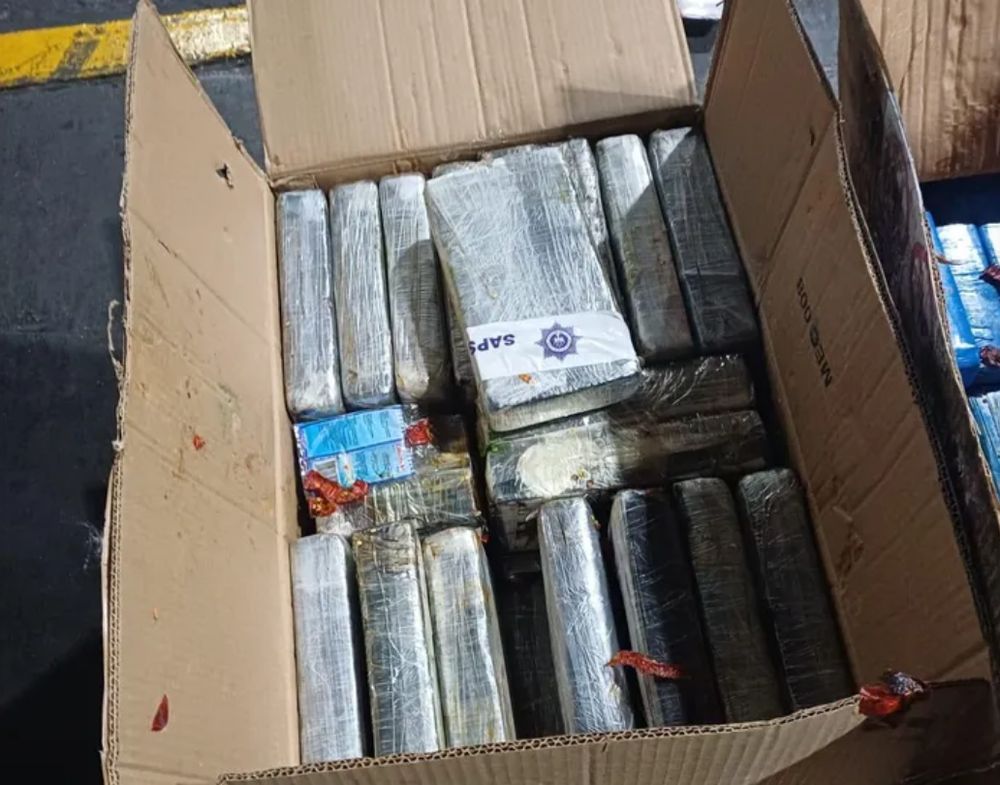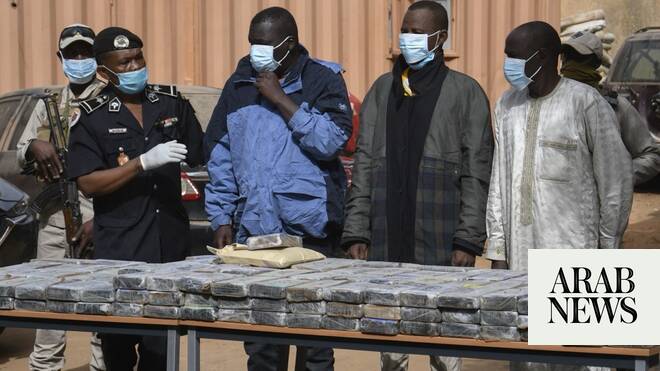
How cocaine trafficking contributes to the Sahel’s seemingly intractable instability
LONDON: If you walked through Agadez, Niger, a decade ago, and asked for directions to the home of former Prime Minister Brigi Rafini, you would get blank stares. If you asked for Cherif Ould Abidine’s house, everyone could point the way.
Abidine — better known as “Cherif Cocaine” — was far more than a businessman. Until his death due to illness in February 2016, he dominated Agadez as both a political powerhouse and allegedly the region’s most notorious drug lord.
Transport mogul, campaign financier, and alleged kingpin of the Sahel’s illicit trade, his web of influence included ties to tobacco giant Philip Morris. His bus company, 3STV, still runs routes that reportedly once served as cover for trafficking cocaine and other drugs through the region.
Linked to figures like Goumour Bidika — a key intermediary between terrorism and trafficking in Agadez — and Cherif Kaffa of the Al-Qaeda offshoot Movement for Oneness and Jihad in West Africa, Abidine’s sphere blurred the lines between business, politics, and organized crime.